
Today it is hard to imagine a bride without a bouquet, but the tradition has come a long way, from wreaths and bunches of herbs to cascades and posies. Here is how the bridal bouquet appeared, what part Queen Victoria played in its history, which bouquets royal brides chose and where the bouquet toss comes from.
You can order a bridal bouquet in our bridal bouquets section, and flowers for the newlyweds in flowers for newlyweds.
According to a popular account, brides in Ancient Greece and Rome already adorned themselves with wreaths and bunches of herbs and flowers believed to offer protection and wish them fertility. In many cultures, including Ukraine's, the wreath long remained the main wedding adornment, woven with periwinkle, myrtle, viburnum and wild flowers.
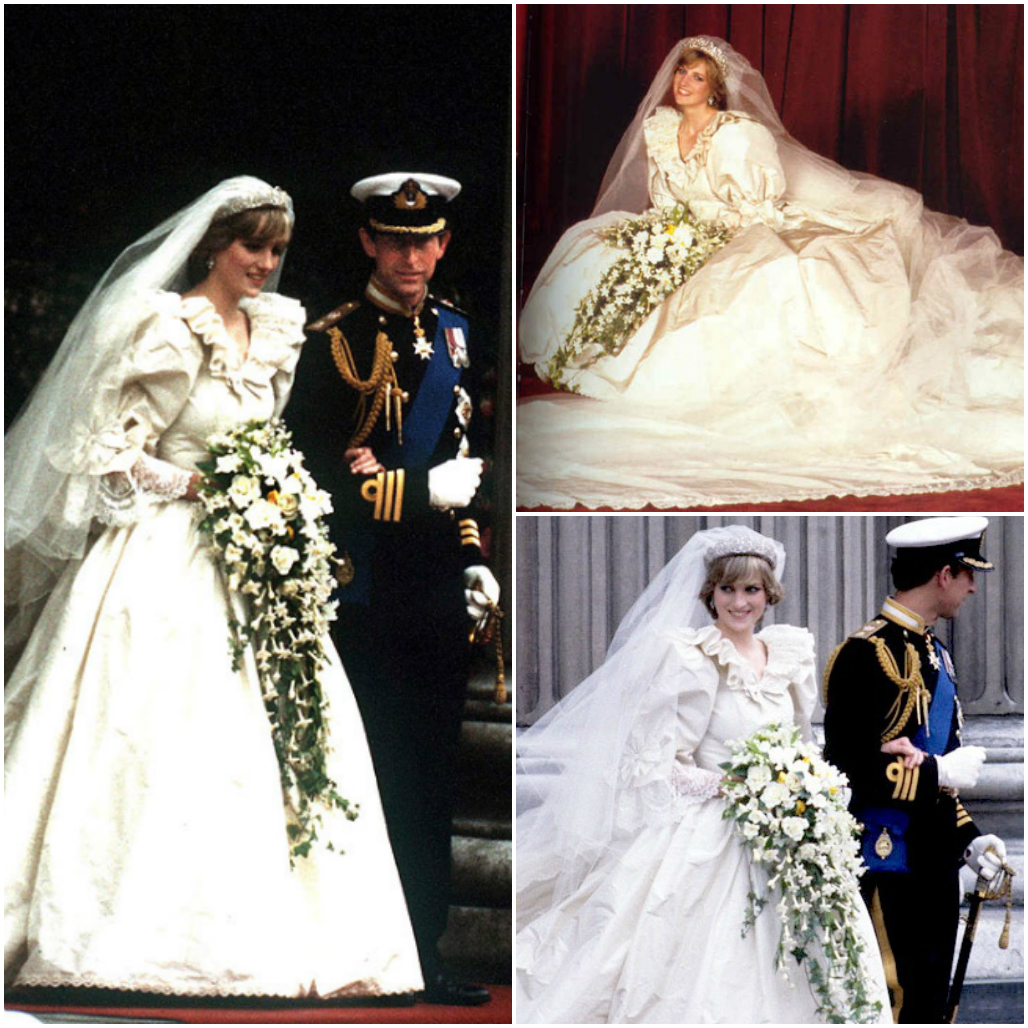
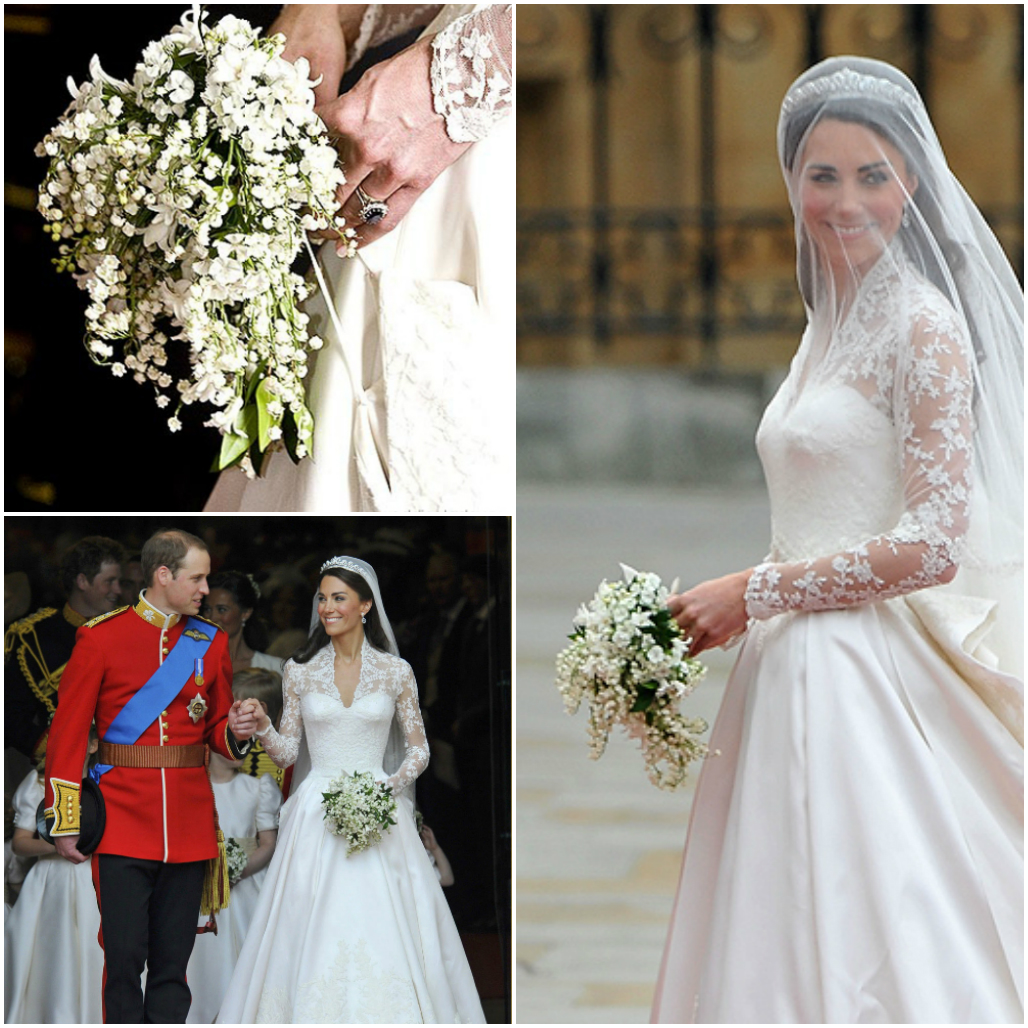
In 1840 Queen Victoria married Prince Albert in a white dress adorned with orange blossom, setting the fashion for white wedding dresses for decades. The Victorian era also saw the language of flowers flourish, so bouquets began to be composed with meaning. Since 1858, when Victoria's eldest daughter married, British royal brides have included a sprig of myrtle, a symbol of love and marriage, traditionally taken from a bush grown at Osborne House.
According to superstition, the woman who catches the bride's bouquet will be the next to marry. The custom spread widely in Western countries in the 20th century and later reached Ukraine. It is often linked to an old custom of tearing off a piece of the bride's dress for luck, but that is more legend than history. Today many brides order a second bouquet for the toss and keep the main one — how to preserve it is explained in "How to preserve a bridal bouquet".
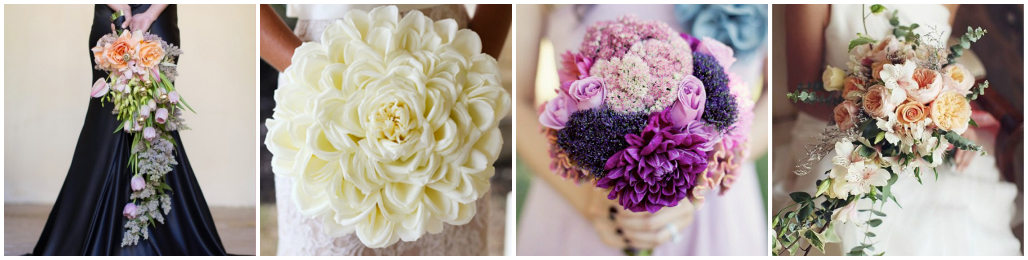
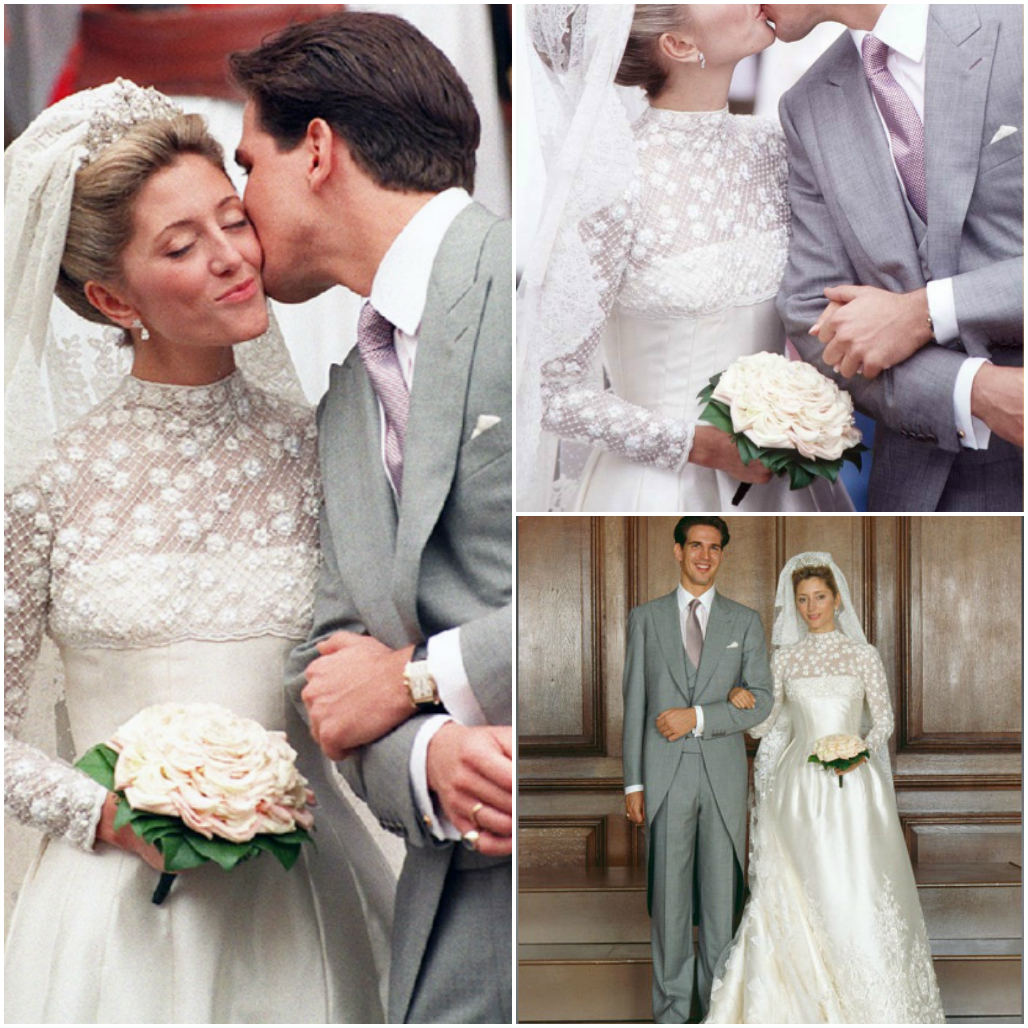
Modern brides choose a bouquet to match the style and season of the wedding: round and cascading, relaxed "garden" styles, single-variety bouquets of peony-shaped roses, bouquets with succulents or dried flowers. How to choose the shape and flowers is covered in "Bridal bouquet guide".
It is a Victorian tradition: myrtle symbolises love and marriage, and the sprig is taken from a bush at Osborne House.
After the wedding it is laid on the Tomb of the Unknown Warrior in Westminster Abbey.
It spread in Western countries in the 20th century; by superstition, whoever catches it will marry next.

Author: Maria Svitlovir
Graduated from Taras Shevchenko National University of Kyiv, Institute of Biology and Medicine (2001). BSc in Biology, MSc in Horticulture. Writes about plants, works at a garden centre selecting and repotting plants, and contributes to plant reference guides.
© Kyiv 2026 UFL Flower Shop

Trademark UFL №191476 is used under license of the rights holder.
All rights reserved. Any use of materials without a link to the site is prohibited.

 Birthday
 Hydrangeas


.jpg)

.jpg)