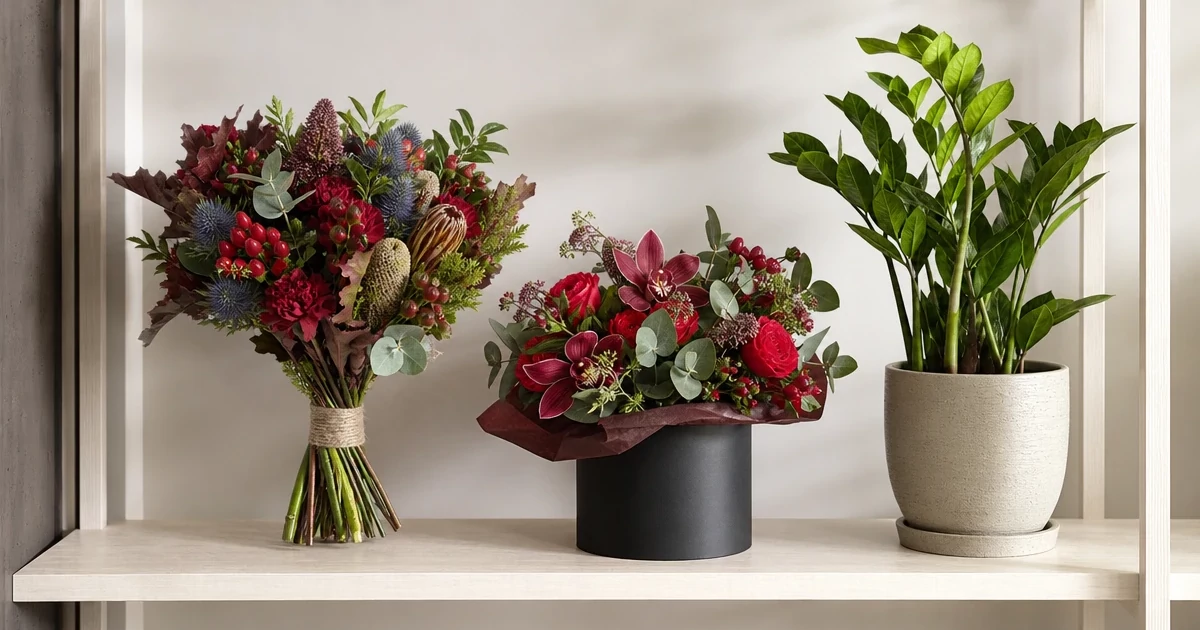
Flowers are one of the most wished-for gifts, even though a bouquet has no practical use and will wilt within a week. So why does it bring such genuine joy? Psychologists and recipients alike have answers. Here's what research says, why flowers mean more to many people than expensive things — and how to choose a bouquet that really delights. All our advice for men is in one place — a man’s guide to choosing and giving flowers.
Importantly, loving flowers isn't a "female trait". Men enjoy bouquets too — they just receive them less often, as we discussed in why men don't give flowers. But the tradition of giving flowers to women is long-standing, so more research focuses on it.
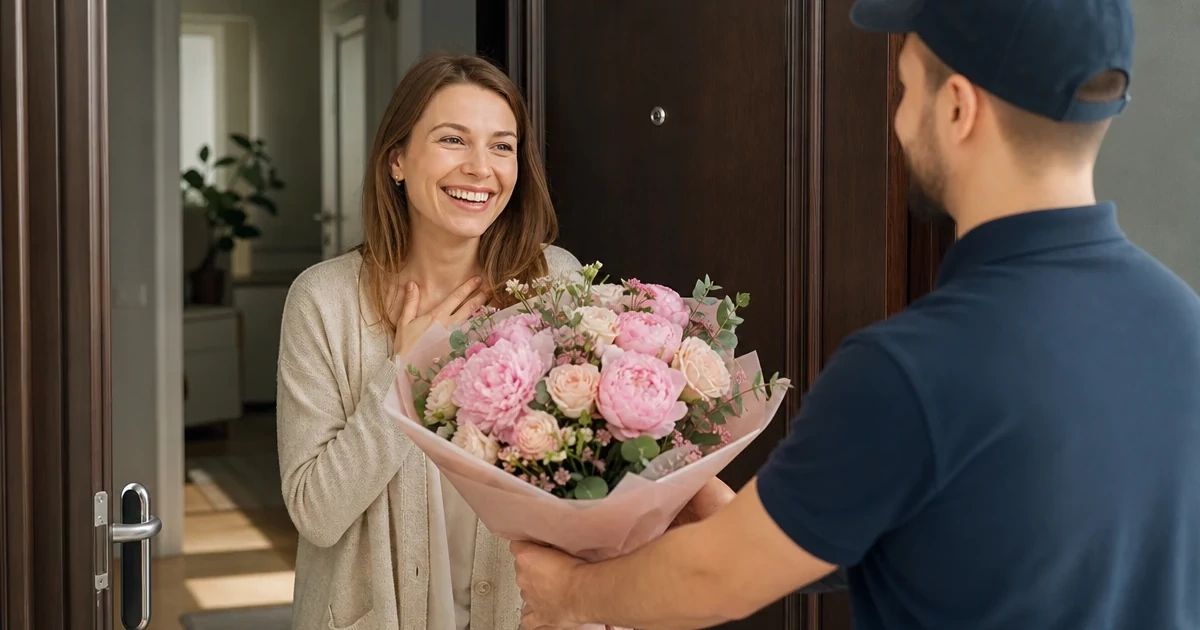
In 2005, psychologists at Rutgers University (USA) led by Jeannette Haviland-Jones published a study on flowers and emotion. Participants received flowers, a fruit basket or a candle while researchers watched their reactions. Everyone who received flowers responded with a Duchenne smile — a genuine smile that also involves the muscles around the eyes. Such reactions were less common with the other gifts, and flower recipients also reported better moods in the following days.
In 2011 French psychologist Nicolas Guéguen described an experiment in the journal Social Influence: female students rated a young man from a video while sitting either in a plain room or a room with flowers. In the flower room his attractiveness ratings were higher. The sample was small, so the findings should be treated with caution, but they fit the idea that flowers create a positive emotional backdrop.
An expensive gift often speaks about the giver's means. A bouquet says someone thought about you, chose a colour, found the time. Even a sprig of mimosa or a few tulips "just because" often please more than a dutiful present.
Flowers don't need to be used, stored or repaid. Their only purpose is joy, which is why they feel so personal.
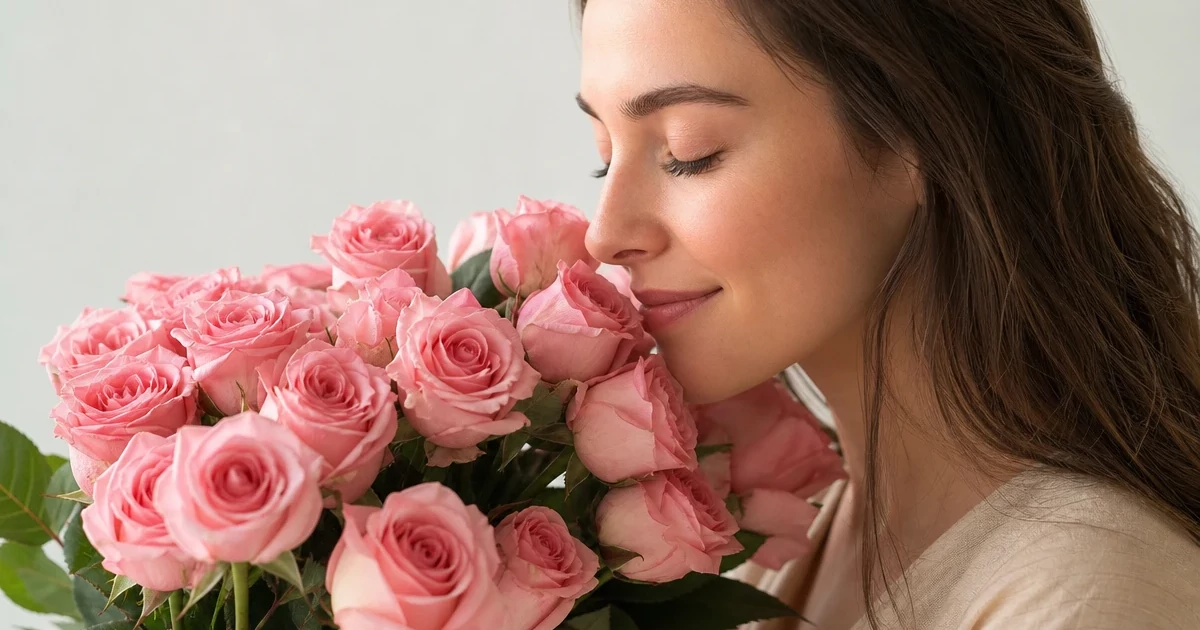
Smells are especially closely tied to memory and emotion: the scent of lilac or peonies can instantly take you back to childhood or an important day. That's why a bouquet is often remembered for a long time.
A first date, graduation, a wedding, a new baby — flowers are present at almost every key moment. Receiving a bouquet tells someone their occasion has been noticed.
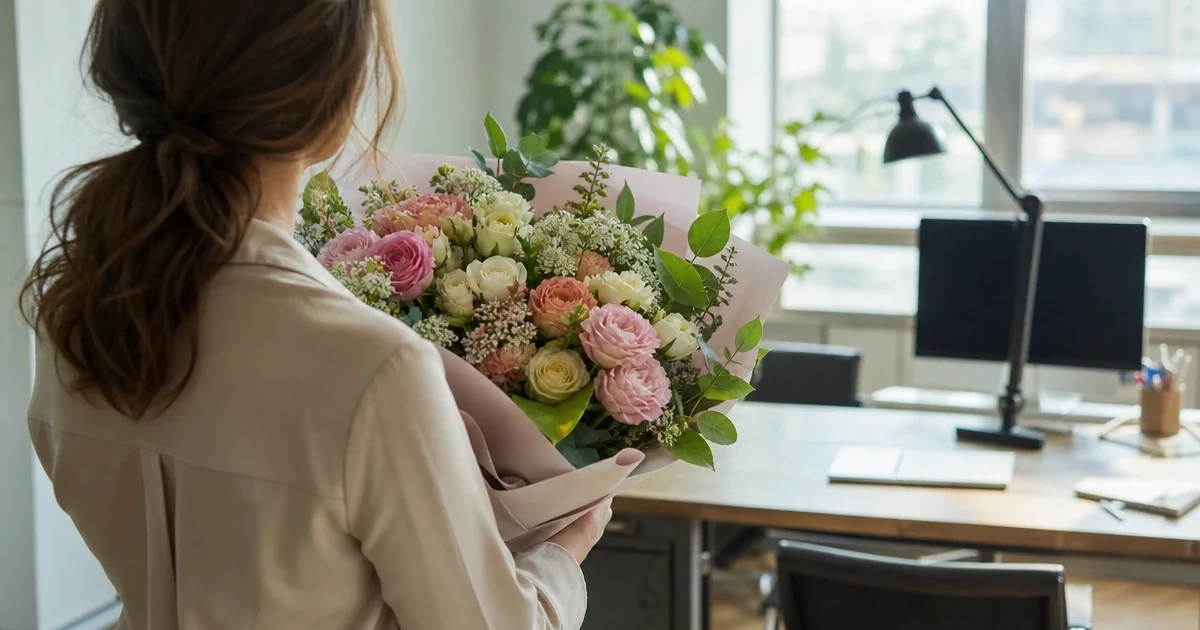
An unexpected bouquet — say, delivered to the office on an ordinary Tuesday — makes an especially strong impression precisely because no one expected it.
If in doubt, start with the classics: most people love roses and tulips. For someone who likes flowers that last, choose a potted plant.
Birthdays, International Women's Day, anniversaries and Valentine's Day, of course. But many women say the bouquets they remember most came for no reason: after a tough week, on the first warm spring day, simply "because I thought of you". Such flowers say: "You matter to me, not just on holidays."
Florists’ experience shows many men also enjoy receiving flowers; they just rarely say so. For men, people choose other formats — restrained single-variety bouquets, baskets with flowers and treats, potted plants or boxed arrangements. And the feeling a bouquet gives is the same for everyone: attention and knowing someone thought of you in advance.
Seasonal flowers like tulips, peonies, and chrysanthemums are popular gift choices.
Flowers evoke genuine positive emotions, feel like a sign of attention and are linked with happy memories and important events.
A 2005 Rutgers University study found that flowers triggered genuine smiles in recipients and improved their mood in the following days.
There's no universal answer — it depends on taste. Roses, tulips, peonies and chrysanthemums are the most common gifts, but it's best to follow the person's own preferences.
Yes, many men enjoy bouquets too — they're just given them less often. Understated arrangements or potted plants suit men well.

Author: Maria Svitlovir
Graduated from Taras Shevchenko National University of Kyiv, Institute of Biology and Medicine (2001). BSc in Biology, MSc in Horticulture. Writes about plants, works at a garden centre selecting and repotting plants, and contributes to plant reference guides.
© Kyiv 2026 UFL Flower Shop

Trademark UFL №191476 is used under license of the rights holder.
All rights reserved. Any use of materials without a link to the site is prohibited.


 Birthday
 Hydrangeas