Prepared with UFL flower delivery. Flowers have long helped people say what is hard to put into words: thank you, I love you, I am sorry, I am here for you. The same flower can mean different things in different cultures, but there is a widely accepted «dictionary» that florists rely on. Here is how it began, what colours and flowers mean, and how to put together a bouquet with a hidden message. Find the lucky flower for every month in birth month flowers. When lilac blooms, what it means and whether you may pick it: when does lilac bloom.
Fresh flowers for your home or as a gift: flower baskets and flowers in a box.
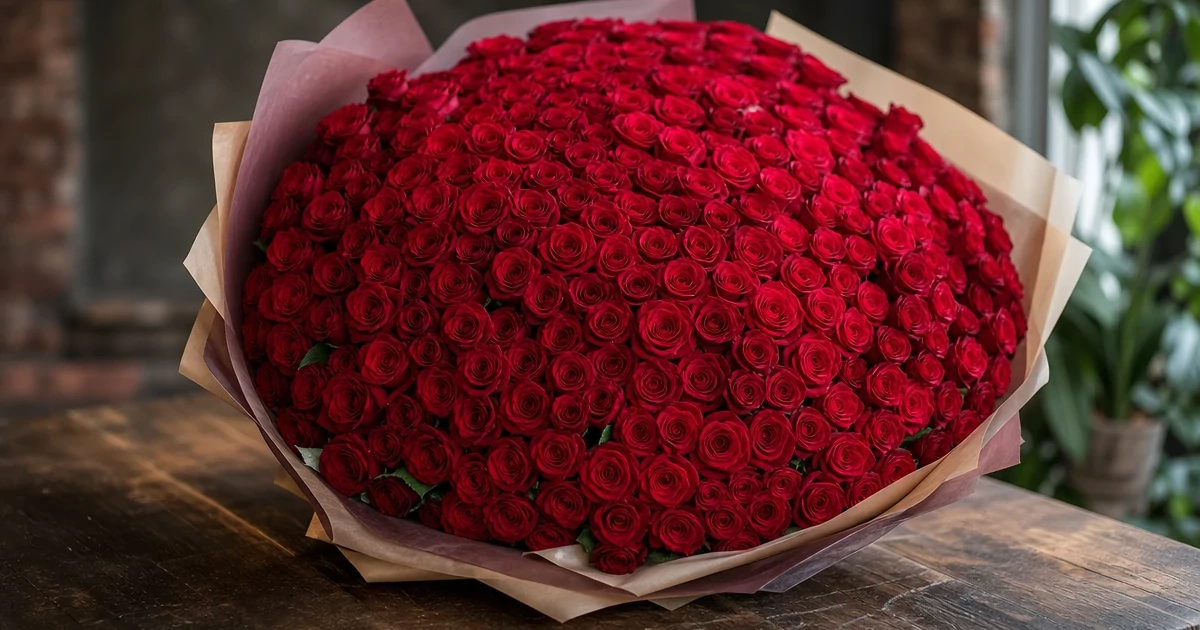
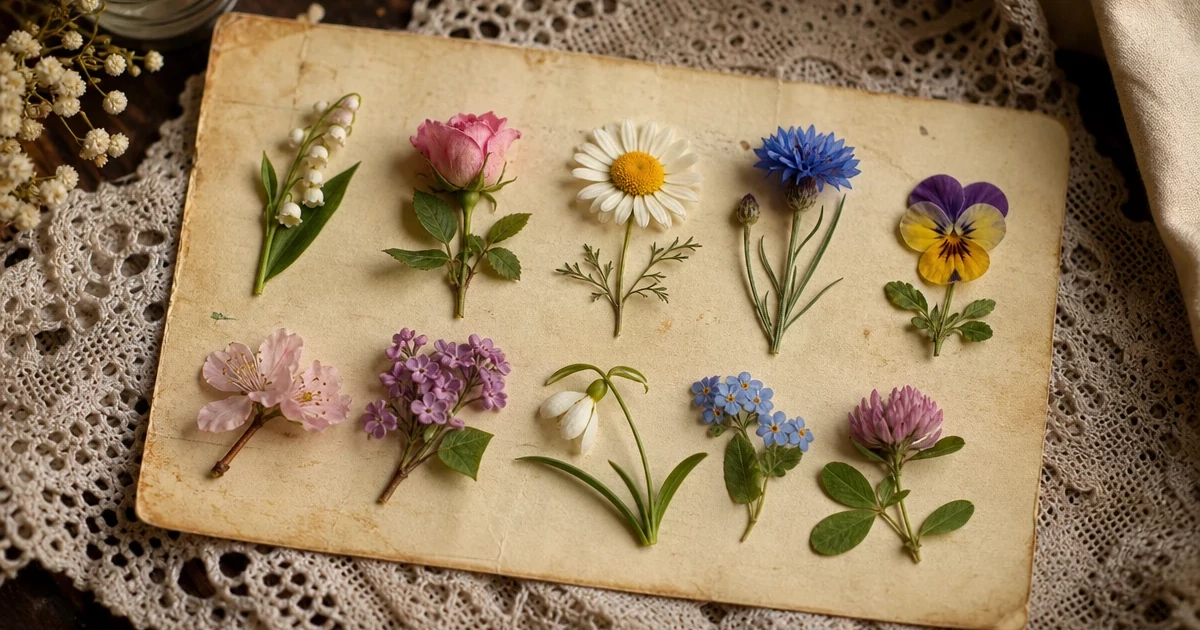
The language of flowers, or floriography, conveys feelings through the choice of flowers, their colour, number and even presentation. A red rose speaks of love, a yellow one of friendship, a white one of purity and respect. Today these meanings are a tradition rather than a strict rule, but they make a gift more thoughtful. For flowers that mean love, friendship, gratitude or apology, see flowers for feelings.For famous lines about flowers, see flower quotes.
Flower symbolism was known in ancient China, Egypt, Greece and Rome: the Romans stamped lilies on coins as a sign of prosperity, and in France the lily became a royal emblem. The fashion for «flower messages» reached Europe from the Ottoman Empire in the early 18th century thanks to the English writer Lady Mary Wortley Montagu. Floriography peaked in the Victorian era, when whole flower dictionaries were published and bouquets expressed feelings that could not be spoken aloud.
The Ottoman Empire had a game called selam: secret messages sent through objects, including flowers whose names rhymed with the intended words. Europeans learned of it from the letters of Lady Mary Wortley Montagu, who lived in Istanbul in the early 18th century. The real craze began in 1819, when Charlotte de La Tour published Le Langage des Fleurs in France, a dictionary assigning a feeling to each flower.
Floriography peaked in Victorian England, where sweethearts exchanged little tussie-mussie posies and every home had a reference book. Dictionaries sometimes contradicted each other, so the same flower could mean love in one and jealousy in another.
Colour often matters more than the flower itself. In old dictionaries yellow meant jealousy or parting, but today it reads as joy and friendship. White suits both weddings and funerals.
| Flower | Meaning |
|---|---|
| Acacia | secret love |
| Alstroemeria | friendship, devotion |
| Amaryllis | pride |
| Anemone | sincerity, anticipation |
| Aster | love, daintiness, remembrance |
| Azalea | temperance, care |
| Blue hyacinth | constancy |
| Calla lily | magnificent beauty |
| Chrysanthemum | long life, joy |
| Common daisy | innocence, loyal love |
| Cornflower | simplicity, hope |
| Cyclamen | goodbye |
| Daffodil | regard, new beginnings |
| Dahlia | dignity, elegance |
| Daisy | innocence |
| Forget-me-not | true love, remembrance |
| Freesia | trust, friendship |
| Gardenia | secret love |
| Gerbera | cheerfulness |
| Gladiolus | strength of character |
| Hydrangea | gratitude, sincerity |
| Iris | faith, wisdom, a message |
| Jasmine | amiability |
| Lavender | devotion, calm |
| Lily of the valley | return of happiness |
| Lisianthus | appreciation, charm |
| Magnolia | nobility |
| Mimosa | sensitivity |
| Orchid | love, luxury, beauty |
| Peony | happy marriage, prosperity |
| Pink camellia | longing |
| Pink carnation | a mother’s love |
| Pink rose | gratitude, grace |
| Purple hyacinth | please forgive me |
| Purple lilac | first emotions of love |
| Ranunculus | radiant charm |
| Red camellia | admiration |
| Red carnation | admiration |
| Red poppy | remembrance, consolation |
| Red rose | love, passion |
| Red tulip | a declaration of love |
| Snowdrop | hope |
| Sunflower | adoration, loyalty |
| Violet | modesty, faithfulness |
| White carnation | luck, pure intentions |
| White lilac | first love, youth |
| White lily | purity |
| White rose | purity, respect |
| Yellow rose | friendship, joy |
| Yellow tulip | cheerful thoughts |
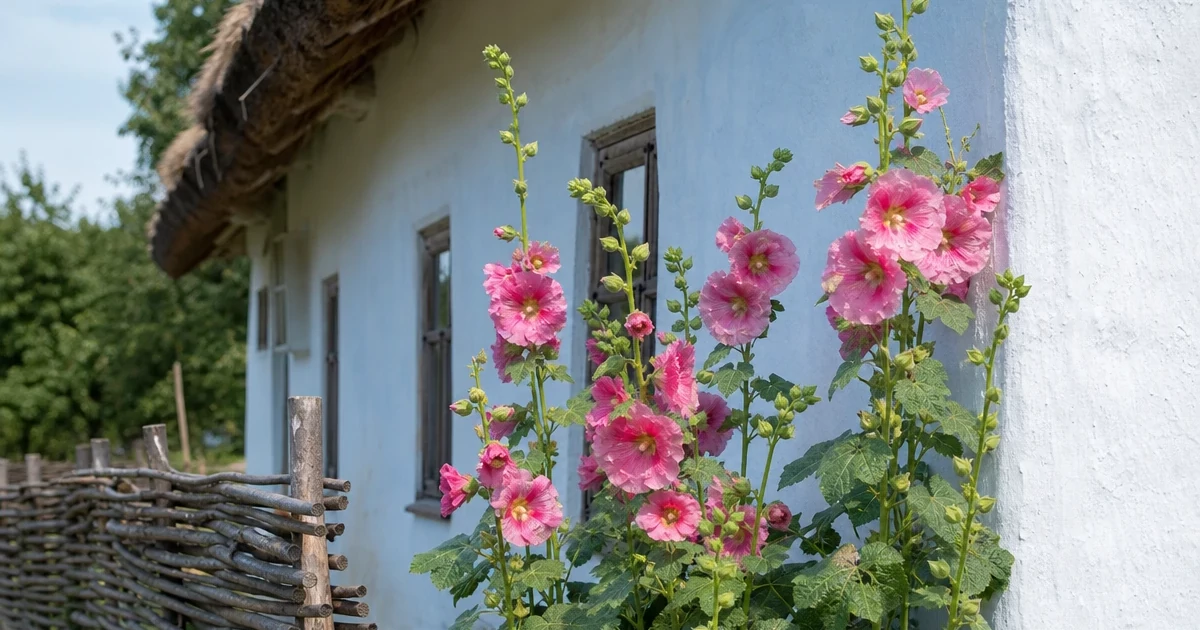
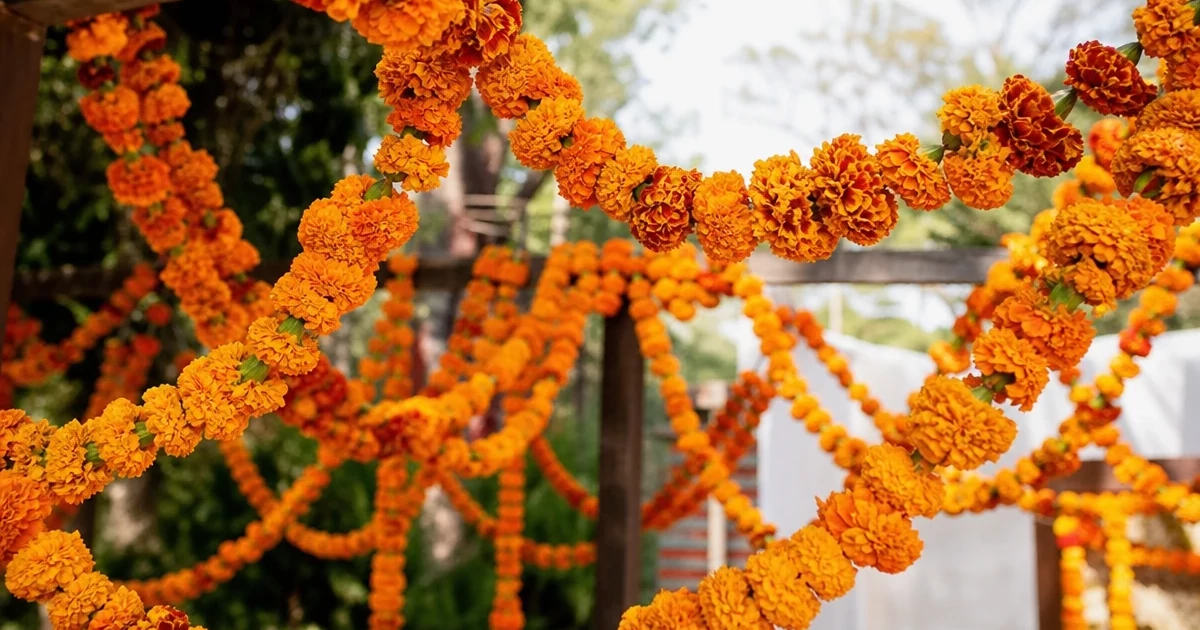
Ukrainian national symbols — viburnum, mallow, marigolds, sunflowers — carry their own meanings; read more in the main Ukrainian flowers.
In Ukraine, celebratory bouquets have an odd number of flowers; even numbers are for remembrance. Large bouquets of 15–20 or more are the exception, as nobody counts the stems.
Japan has its own language of flowers, hanakotoba, largely independent of the European one: the chrysanthemum symbolises the imperial family and longevity, cherry blossom the fleeting nature of life and the red camellia love. Read more in our article on Japanese flower traditions.
Writers and artists have encoded feelings in flowers for centuries. In Shakespeare’s Hamlet, Ophelia hands out rosemary “for remembrance” and pansies “for thoughts”. Pre-Raphaelite painters chose flowers carefully so viewers versed in floriography could read a hidden story. In Ukrainian poetry flowers are constant images: Oleksandr Oles’s asters, kalyna and periwinkle in folk songs, hollyhocks and marigolds as symbols of home.
Modern floristry treats old meanings more freely, but a few rules still help. Yellow flowers no longer mean “parting” — they stand for joy and friendship. White chrysanthemums suit celebrations in Ukraine but are associated with remembrance in several European countries. Lilies have a strong scent and pollen, so for hospitals, small children or allergy sufferers choose roses or lisianthus instead. When in doubt, add a card — words can’t be misread. For bouquet ideas by star sign, see zodiac signs by month.
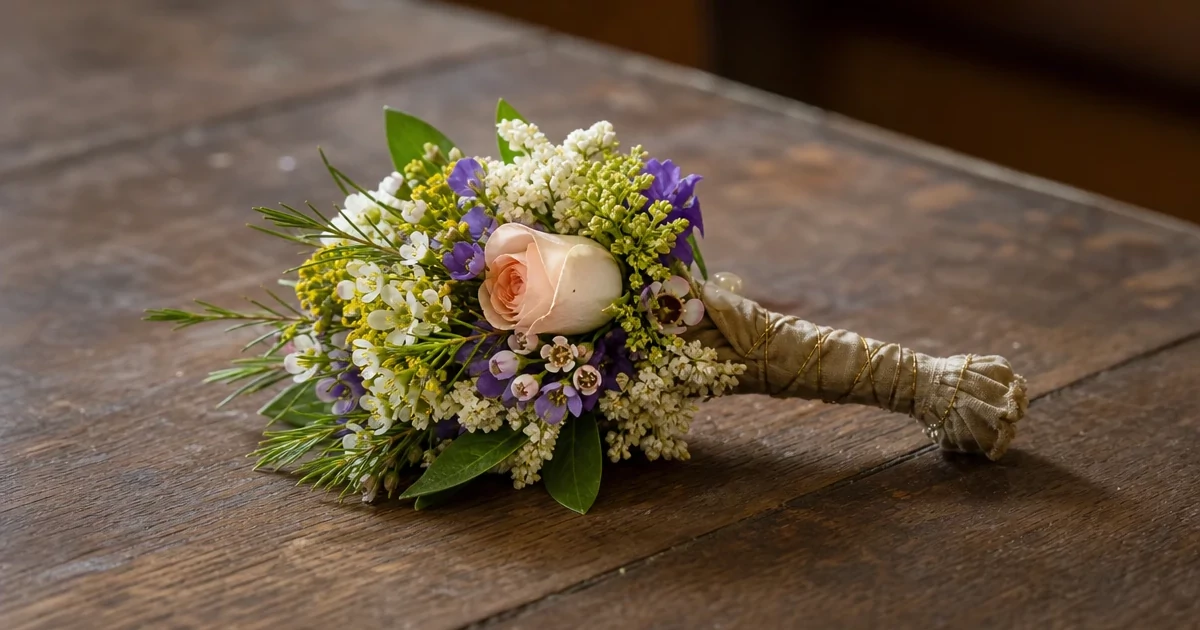
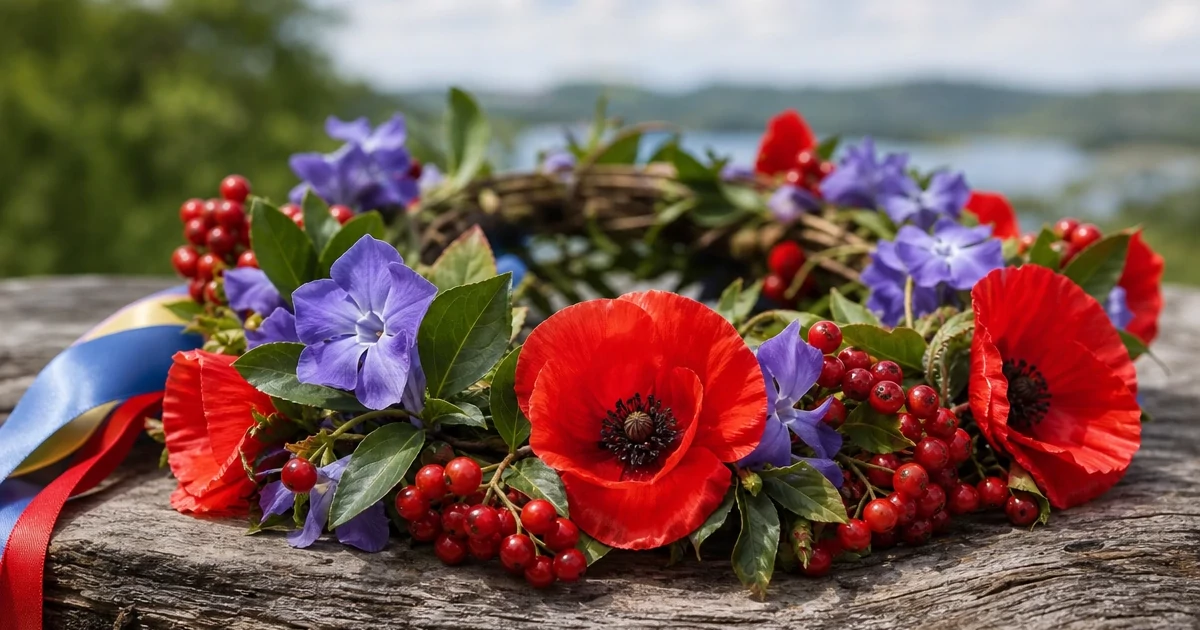
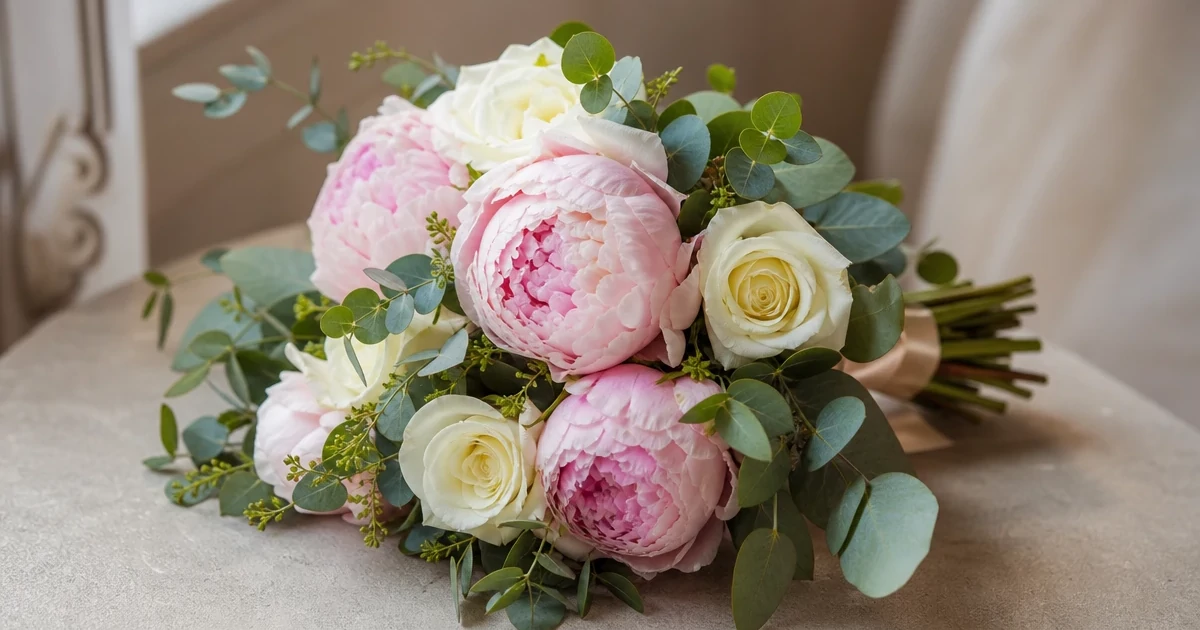
Brides often choose flowers by meaning: peonies for a happy marriage and prosperity, white roses for purity and new beginnings, lily of the valley for returning happiness, eucalyptus and myrtle for protection and fidelity, and gypsophila for everlasting love. Traditional Ukrainian wedding wreaths always included periwinkle as a symbol of faithfulness.
Not sure? UFL florists will help you choose the right message and deliver the bouquet in Kyiv.
More on the meaning, symbolism and legends of individual flowers:
Red roses, red tulips, peonies and orchids. For first feelings, white or purple lilac and pink roses.
Pink roses, lisianthus, hydrangea, carnations or chrysanthemums.
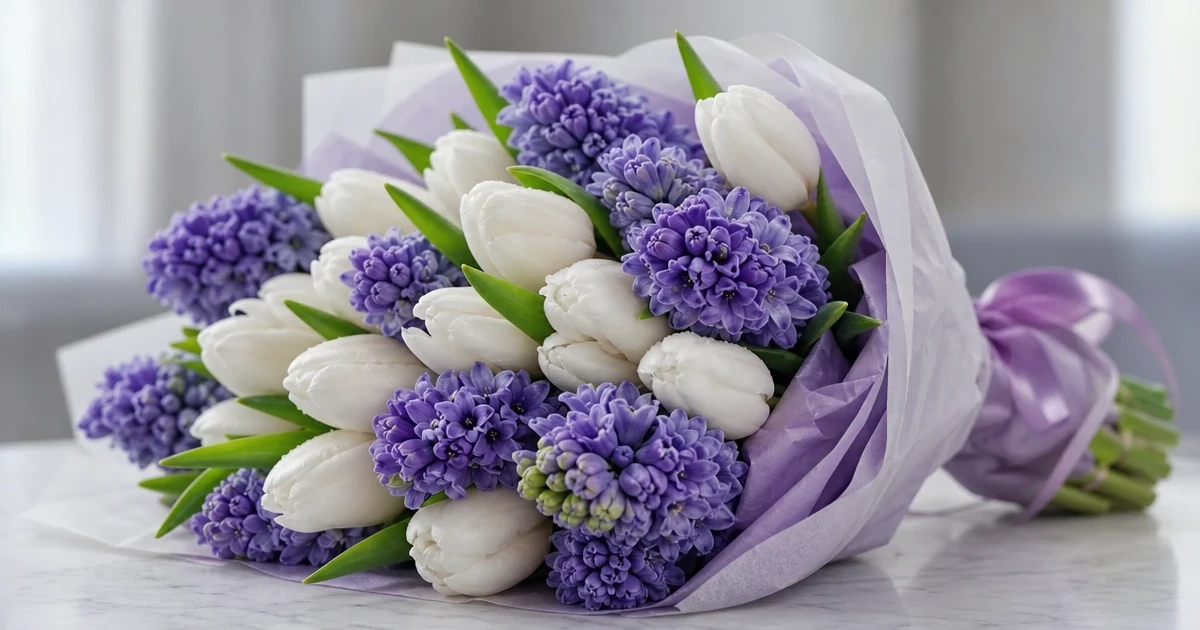
Purple hyacinth and white tulips — ideally with a card and sincere words.
An Ottoman game of secret messages using objects and flowers whose names rhymed with the intended words; it inspired Europe’s floriography craze.
The purple hyacinth, as well as white roses or tulips and lilac lisianthus.
In Ukraine even numbers are for remembrance, so celebratory bouquets have an odd number; the rule doesn’t apply to large bouquets of 15–20 or more.
Joy, friendship and sunshine. The old idea of yellow as the colour of parting or betrayal is now considered outdated.
Guelder rose (kalyna), sunflower, poppy, hollyhock, marigold and periwinkle — each has its own meaning in folk tradition.
Flower symbolism dates back to antiquity, but the “language” took shape from the Ottoman selam game, became fashionable in Europe after Charlotte de La Tour’s 1819 book and flourished in Victorian England.
Gratitude, heartfelt emotion and abundance: blue for calm and understanding, pink for tenderness and romance, white for purity.
The only strict rule is no even numbers for celebrations. Be careful with lilies for allergy sufferers and white chrysanthemums for European guests, and choose fresh flowers or a potted plant over artificial ones.
Respect and affection, or in a romantic context “I love you”, one rose per word — a good choice for a small occasion or a new relationship.

Author: Maria Svitlovir
Graduated from Taras Shevchenko National University of Kyiv, Institute of Biology and Medicine (2001). BSc in Biology, MSc in Horticulture. Writes about plants, works at a garden centre selecting and repotting plants, and contributes to plant reference guides.
© Kyiv 2026 UFL Flower Shop

Trademark UFL №191476 is used under license of the rights holder.
All rights reserved. Any use of materials without a link to the site is prohibited.


 Birthday
 Hydrangeas