
 Birthday
 Hydrangeas
A glamelia is one of the most unusual bridal bouquets: from a distance it looks like a giant rose or lily, but it is actually a "flower" assembled by hand from hundreds of individual petals. The bouquet looks like a single bloom yet takes a florist several hours of painstaking work. Here is what a glamelia is, where the name comes from, which flowers are used, how it is made and how to keep it fresh until the end of the celebration.
What a glamelia is
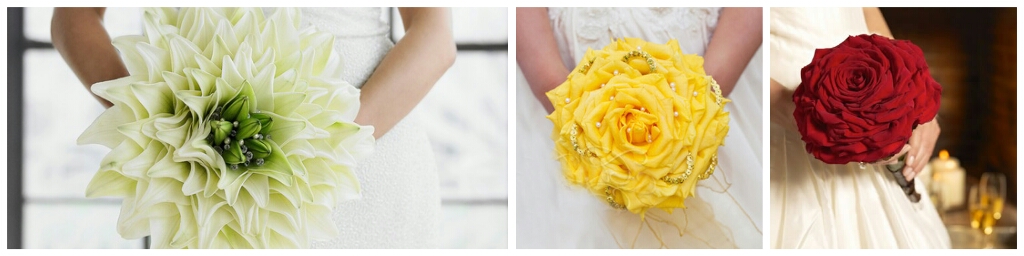
A glamelia, also called a composite flower, is an arrangement in which petals from many flowers are built into one large bloom 20–30 cm across. It mimics the shape of a natural flower, only much bigger. When made of rose petals it is also known as a "Duchess rose".
The name is usually linked to two flowers, the gladiolus and the camellia: according to a common version, the first such bouquets were made from gladiolus florets arranged to resemble a huge camellia. The technique is thought to date back to the 19th century and is enjoying a revival in wedding floristry.
Which flowers are used
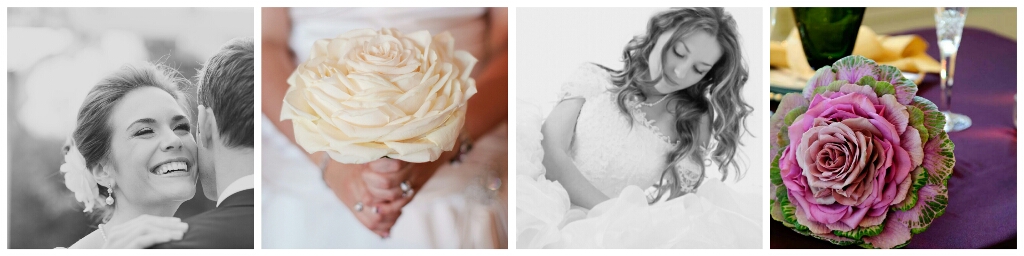
- Roses are the most popular choice: their firm petals hold their shape and the finished bloom looks like a giant rose.
- Lilies create striking "stars" with large petals and a strong scent.
- Gladioli are the classic: their individual florets are easy to attach and give lovely texture.
- Orchids suit the most formal looks, often with a whole phalaenopsis flower at the centre. More in orchid bouquet guide.
One glamelia needs 50 to 150 petals, or the petals of 15–30 flowers, depending on its size.
How a glamelia is made
- Core. A whole bud or tightly rolled petals are fixed on floral wire at the centre.
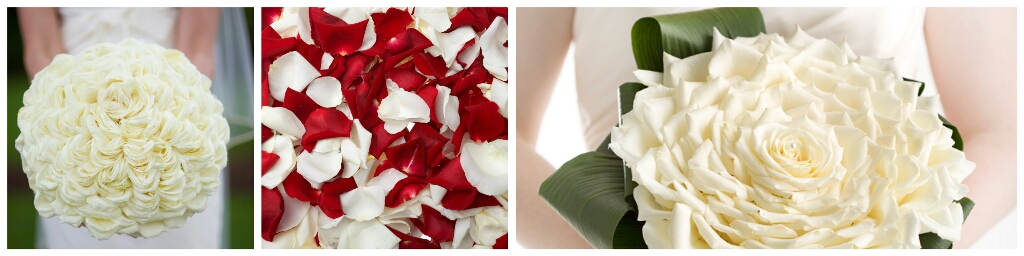
- Petal layers. Petals are attached in rings around the core, each on fine wire or with cold floral adhesive. Smaller petals go near the centre and larger ones towards the edge so the bloom "opens" naturally.
- Collar. The base is hidden with galax or salal leaves for a finished look.
- Handle. The wire stem is wrapped in floral tape and then satin ribbon, lace or beads.
The work takes 2–3 hours or more, so a glamelia costs more than an ordinary bouquet of the same size. Experienced hobbyists can make one themselves; beginners should start with a spiral bouquet, described in the spiral bouquet technique.
Pros and cons
- Impact. One giant bloom looks unexpected and very photogenic.
- Lightness. A glamelia is lighter than a lush bouquet of the same size and sits comfortably in the hand.
- Cost and time. It involves a lot of handwork, so order well in advance.
- Fragility. The petals get no water, so the arrangement lasts a day at most.
How to keep a glamelia fresh through the celebration
- The florist assembles it on the morning of the wedding and keeps it cool.
- Until you leave, keep it boxed in a cool place and mist it lightly with a fine spray if needed.
- Do not leave it in the sun or in a car.
- Order a separate, simpler "toss bouquet" for throwing.
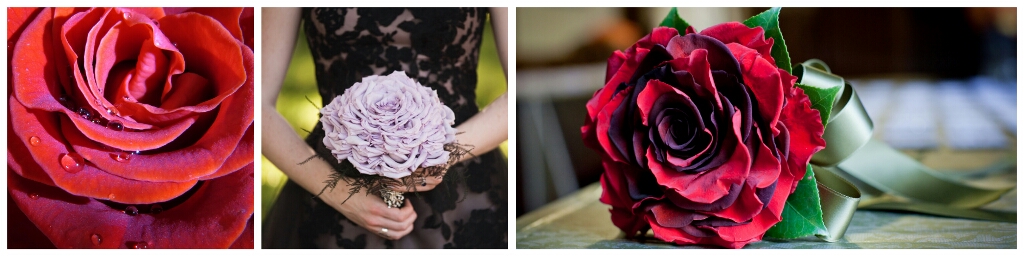
If longevity matters, a glamelia can be made from preserved rose petals and will look good for months.
Which look suits a glamelia
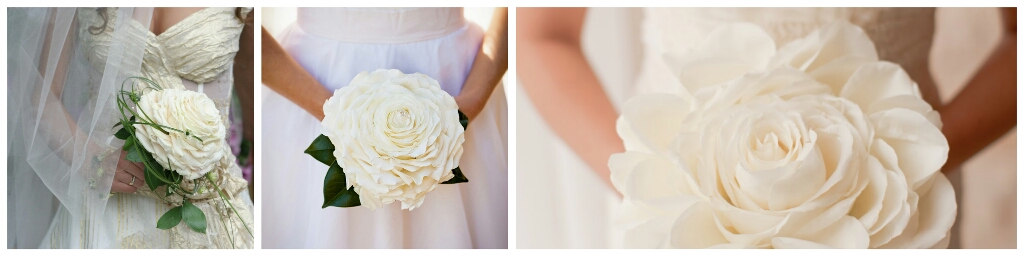
A glamelia looks best with simple dresses, straight, flowing or minimalist, where the bouquet becomes the focal point. Blush or cream suits a classic wedding, red an evening ceremony and a white lily a retro look. For seasonal ideas see August wedding guide, and browse ready-made options in our bridal bouquet catalogue.
Frequently asked questions
What is a glamelia?
A bouquet assembled by hand from the petals of many flowers so that it looks like one enormous bloom.
Which flowers are used for a glamelia?
Most often roses, lilies, gladioli and orchids.
How long does a glamelia last?
About a day, as the petals get no water; made from preserved petals, it lasts for months.
How long does it take to make?
Usually 2–3 hours, so order it in advance.

View full-size photo
Author: Maria Svitlovir
Graduated from Taras Shevchenko National University of Kyiv, Institute of Biology and Medicine (2001). BSc in Biology, MSc in Horticulture. Writes about plants, works at a garden centre selecting and repotting plants, and contributes to plant reference guides.


