
 Birthday
 Hydrangeas
Bamboo is one of the most recognisable symbols of East Asia. Florists use its strong green canes as vases, frames and graphic accents, and "lucky bamboo" in a glass vase has become a popular gift for housewarmings and business openings. But there is a twist: the "bamboo" sold in flower shops is not bamboo at all. Here is how true bamboo differs from Dracaena sanderiana, how both are used in bouquets and interiors, what the number of stalks means in feng shui tradition and how to care for lucky bamboo so it does not turn yellow.
True bamboo: a giant grass
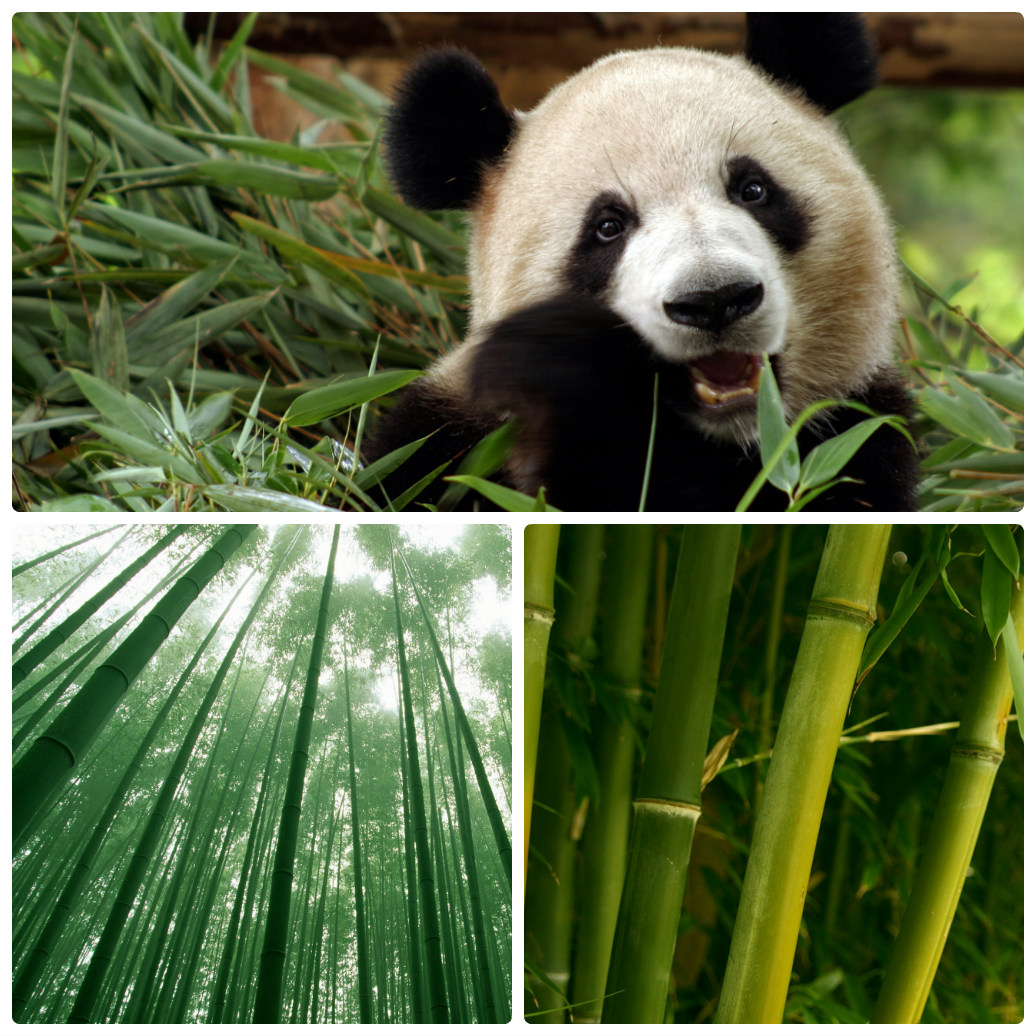
True bamboo is not a tree but a grass: it belongs to the grass family, Poaceae, like wheat and reeds. More than a thousand bamboo species are known, mostly in the tropics and subtropics of Asia, Africa and the Americas. The largest reach 30 metres in height and 20–30 centimetres in diameter, and some grow at record speed — almost a metre a day.
A bamboo cane is a hollow culm divided by nodes. Its combination of strength and lightness has made bamboo a material for building, furniture, tableware, musical instruments and paper for centuries. The young shoots of some species are edible and widely used in Chinese and Japanese cooking.
In China, bamboo, pine and plum are called the "three friends of winter": they do not yield to the cold and symbolise resilience. In Japan, kadomatsu — arrangements of diagonally cut bamboo canes and pine branches — are placed at the entrance for New Year.
Bamboo in floristry
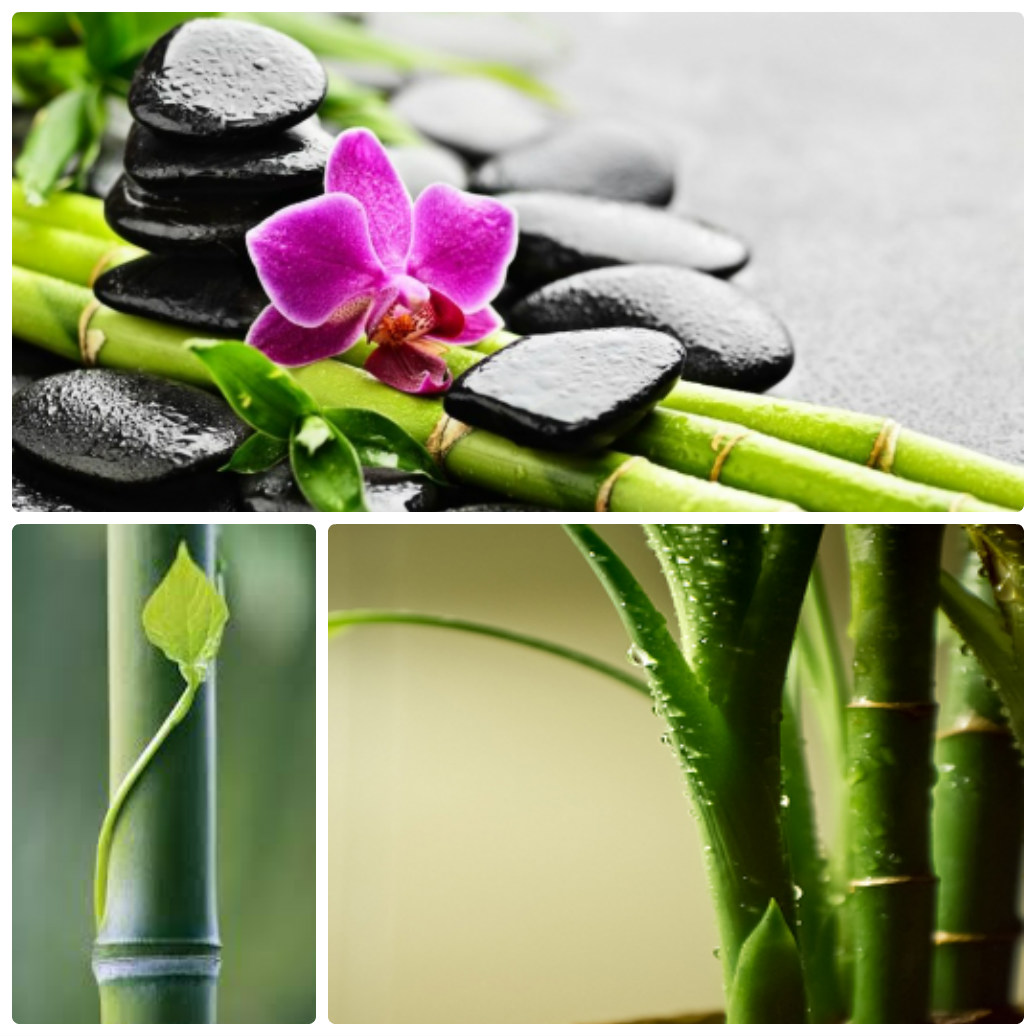
Florists mostly use canes of true bamboo, valued for their clean graphic lines and durability.
- Vases and stands. A section of thick cane with a node at the bottom becomes a natural vase; "windows" are cut into it for flowers.
- Frames. Thin canes are tied into grids and frames for large arrangements and wedding arches.
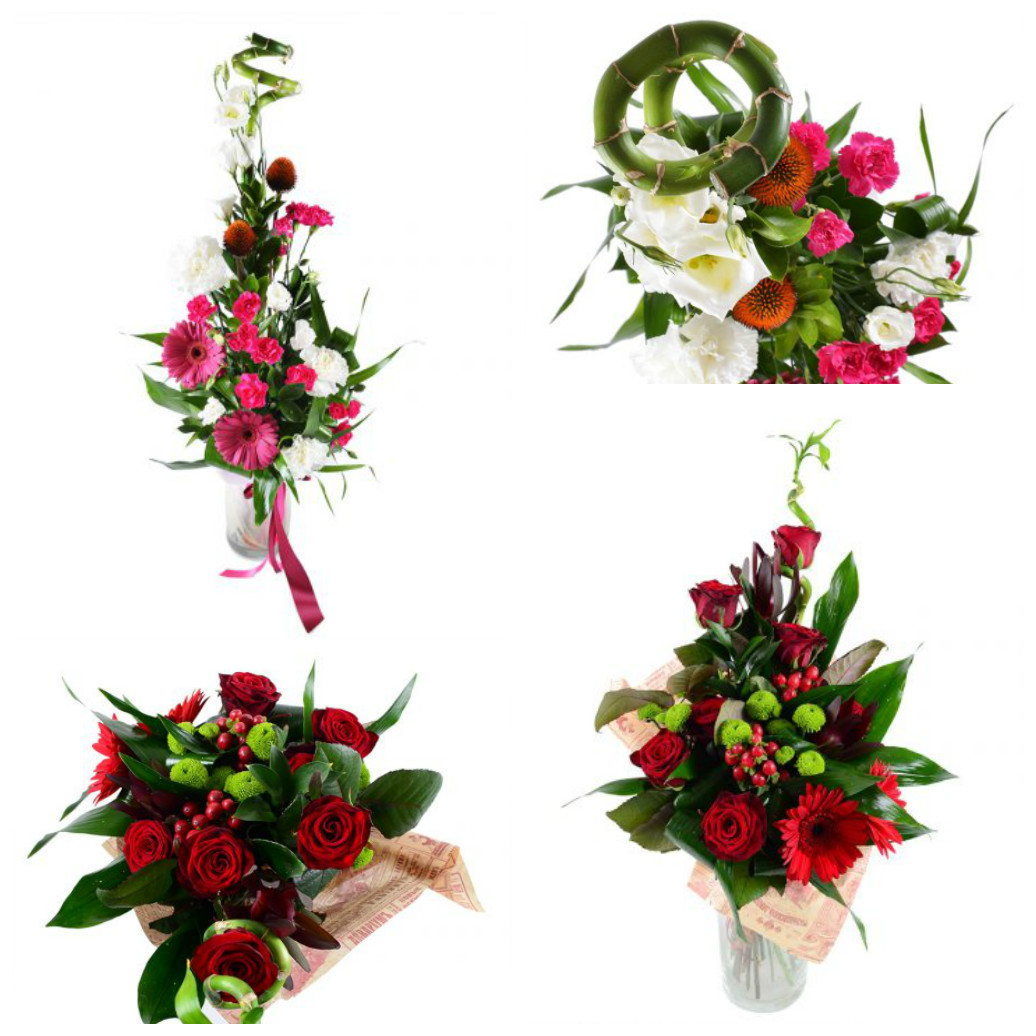
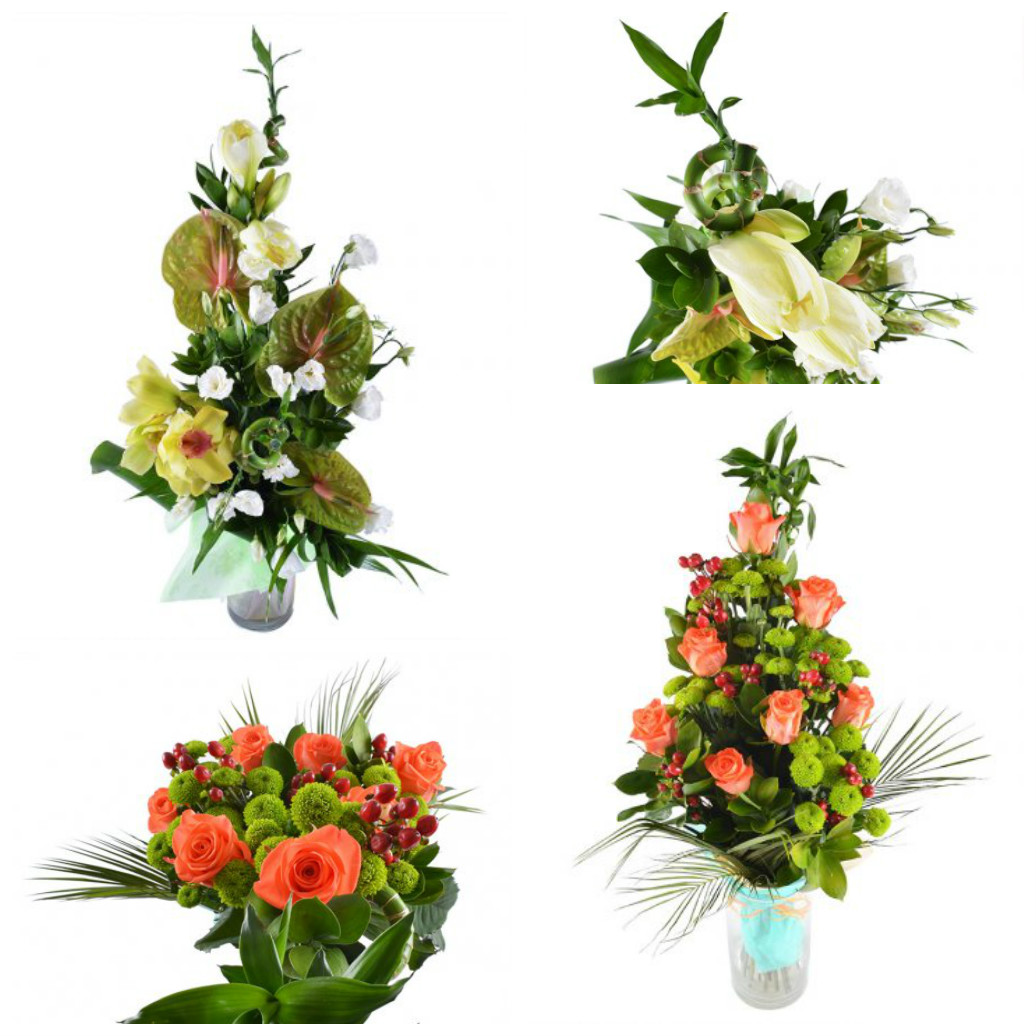
- An accent in a bouquet. A few straight canes add height and an oriental character. Bamboo pairs especially well with orchids, anthuriums, strelitzias and callas.
- Ikebana. In the Japanese art of flower arranging, bamboo serves both as a vessel and as part of the composition.
Dried bamboo canes hardly deteriorate and can be painted and reused. For more exotic arrangement ideas, see our article on the bird of paradise flower.
"Lucky bamboo" is a dracaena

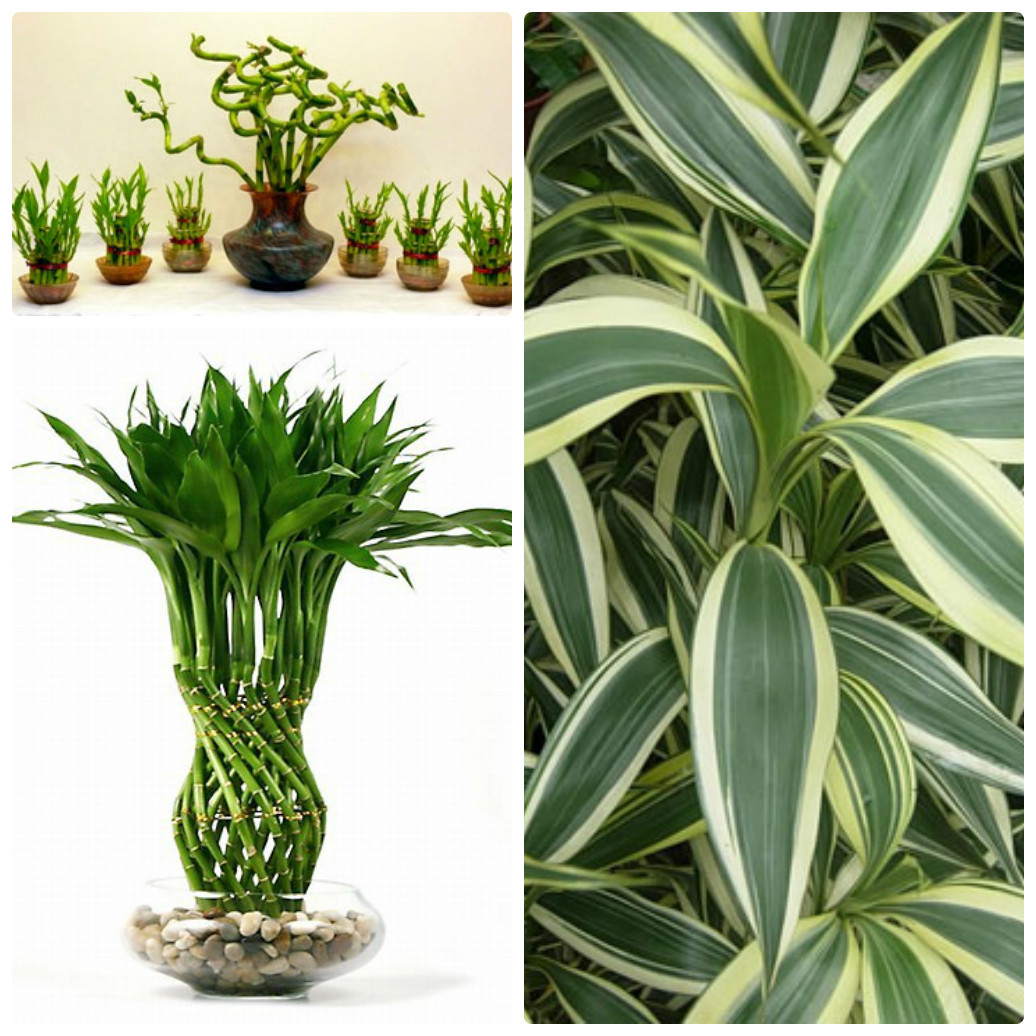
The plant sold as "lucky bamboo" is Dracaena sanderiana. It belongs to the asparagus family and comes from the rainforests of Central Africa; it resembles bamboo only in its segmented stem. Unlike true bamboo, dracaena grows slowly and lives happily in water.
Unusual shapes — spirals, braids, hearts — are created by hand on plantations. A spiral forms when a stem is grown in a dark chamber with light from one side and the plant is turned regularly: the tip reaches for the light and curls. Stem sections of different heights are assembled into tiered "towers".
How many stalks to give
In the Chinese feng shui tradition, the number of stalks matters. Two stalks symbolise love, three happiness, wealth and long life, five harmony, eight prosperity and nine good luck. Four-stalk arrangements are usually avoided because in Chinese "four" sounds like "death". This is a lovely tradition rather than a rule, but it is worth keeping in mind if the gift is for people who value it.
Lucky bamboo is given for housewarmings, office or shop openings, Chinese New Year, and to people who do not like cut flowers — the plant lives for years. Another long-lived option for plant lovers is bougainvillea or other durable houseplants.
How to care for lucky bamboo
- Light. Bright indirect light or partial shade. Direct sun scorches the leaves.
- Water. Keep the stems in 3–5 cm of water. Change it every 1–2 weeks, using settled or filtered water: chlorine and fluoride cause yellow leaf tips. Rinse the vase and pebbles at the same time.
- Temperature. 18–30 °C, away from draughts and sudden changes.
- Feeding. Every 1–2 months, a very weak solution of dracaena fertiliser. Too much fertiliser does more harm than too little.
- Soil. You can also pot dracaena in light compost, where it grows even more vigorously than in water.
- Pruning. Cut overly long side shoots above a node; they can be rooted in water to make a new plant.
Why lucky bamboo turns yellow
- Yellow leaf tips — hard or chlorinated water, dry air.
- Stem yellowing from the bottom up — rot, usually from stagnant water. Such a stalk cannot be saved: remove it so the others are not affected.
- Pale leaves — too little light or too much fertiliser.
- Leggy shoots — too dark.
Safety
Dracaenas, including lucky bamboo, are considered toxic to cats and dogs: saponins in the leaves can cause vomiting and weakness. Keep the plant where pets cannot reach it.
Frequently asked questions
Is lucky bamboo real bamboo?
No, it is Dracaena sanderiana from the asparagus family. True bamboo is a grass and does not grow in water indoors.
How often should I change the water for lucky bamboo?
Every 1–2 weeks, using settled or filtered water at room temperature.
Why shouldn't you give four stalks?
In Chinese tradition the number four sounds like the word for "death", so four-stalk arrangements are not given as gifts.
Can lucky bamboo be planted in soil?
Yes. Dracaena grows well in light, free-draining compost, but once potted it should not be moved back into water.

View full-size photo
Author: Maria Svitlovir
Graduated from Taras Shevchenko National University of Kyiv, Institute of Biology and Medicine (2001). BSc in Biology, MSc in Horticulture. Writes about plants, works at a garden centre selecting and repotting plants, and contributes to plant reference guides.