Moldova is a small country right next to Ukraine, with hills covered in vineyards and a spring welcomed with red-and-white threads. People come for the wine, but there is plenty here for lovers of nature and tradition too.
Spring flowers delivered: tulips and flowers in a box.
On 1 March in Moldova and Romania people give a mărțișor, a small token on a red-and-white string. It is worn on clothing throughout March and then hung on a blossoming tree. UNESCO lists the tradition as intangible cultural heritage. A mărțișor is often given with the first spring flowers, such as snowdrops or hyacinths.
For spring traditions, see early spring flowers, and for nearby countries, green Montenegro and Hungary in bloom.
A spring token on a red-and-white string given on 1 March in Moldova and Romania; UNESCO lists the tradition as intangible heritage.
Old Orhei, the underground wine galleries of Mileștii Mici or Cricova, Soroca Fortress and the parks of Chișinău.

Author: Maria Svitlovir
Graduated from Taras Shevchenko National University of Kyiv, Institute of Biology and Medicine (2001). BSc in Biology, MSc in Horticulture. Writes about plants, works at a garden centre selecting and repotting plants, and contributes to plant reference guides.
© Kyiv 2026 UFL Flower Shop

Trademark UFL №191476 is used under license of the rights holder.
All rights reserved. Any use of materials without a link to the site is prohibited.


 Birthday
 Hydrangeas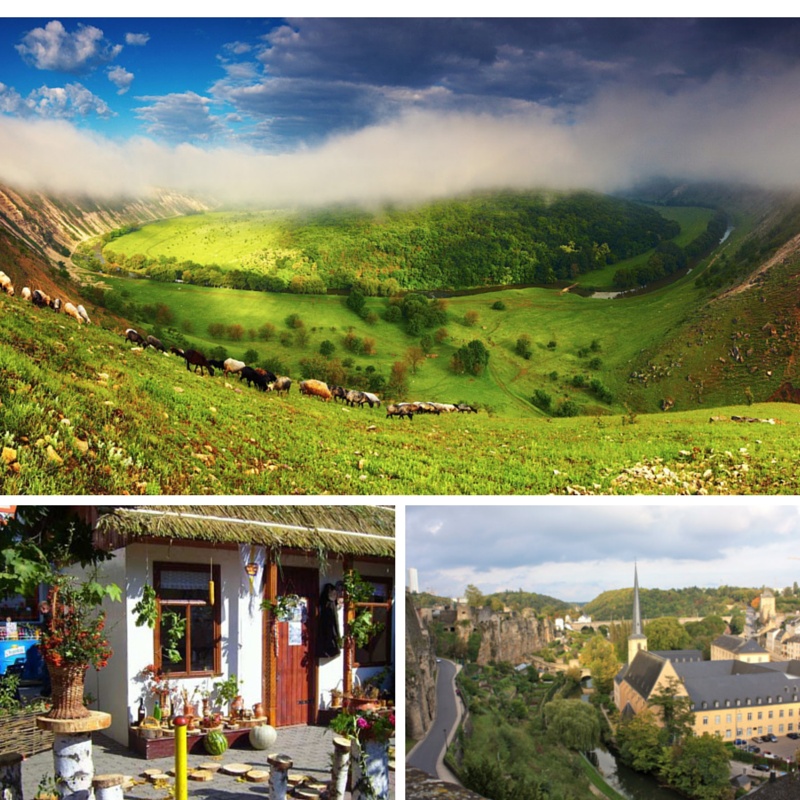
.png)