
 Birthday
 Hydrangeas
In Ukraine blackberries are often picked along hedgerows and woodland edges, but more and more people grow them in gardens: modern thornless varieties give large, sweet berries and don't scratch your hands. Florists love blackberry stems with berries too — they give bouquets a late-summer, autumnal feel. Here's what the blackberry plant is, which varieties to choose, how to plant, prune and protect it for winter, and how to use blackberries in floristry.
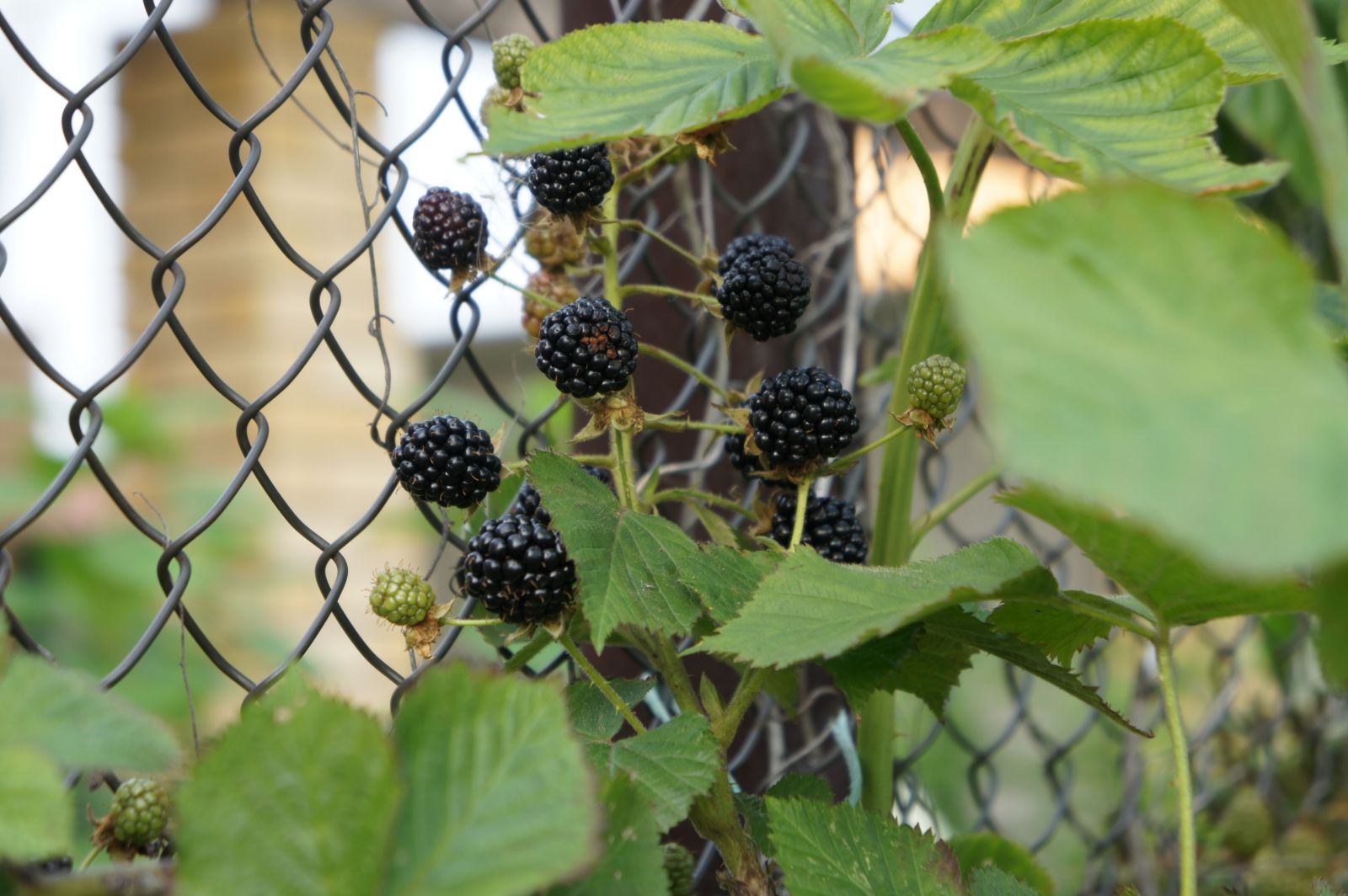
What is a blackberry
The blackberry belongs to the genus Rubus in the rose family and is a close relative of the raspberry. In Ukraine's wild places the most common species is the European dewberry (Rubus caesius), with small berries covered in a bluish bloom. Garden varieties come mainly from American species and hybrids.
Telling a blackberry from a black raspberry is easy: a picked blackberry comes away with its white core (receptacle), while a raspberry comes off as a hollow "cap", leaving the core on the plant.
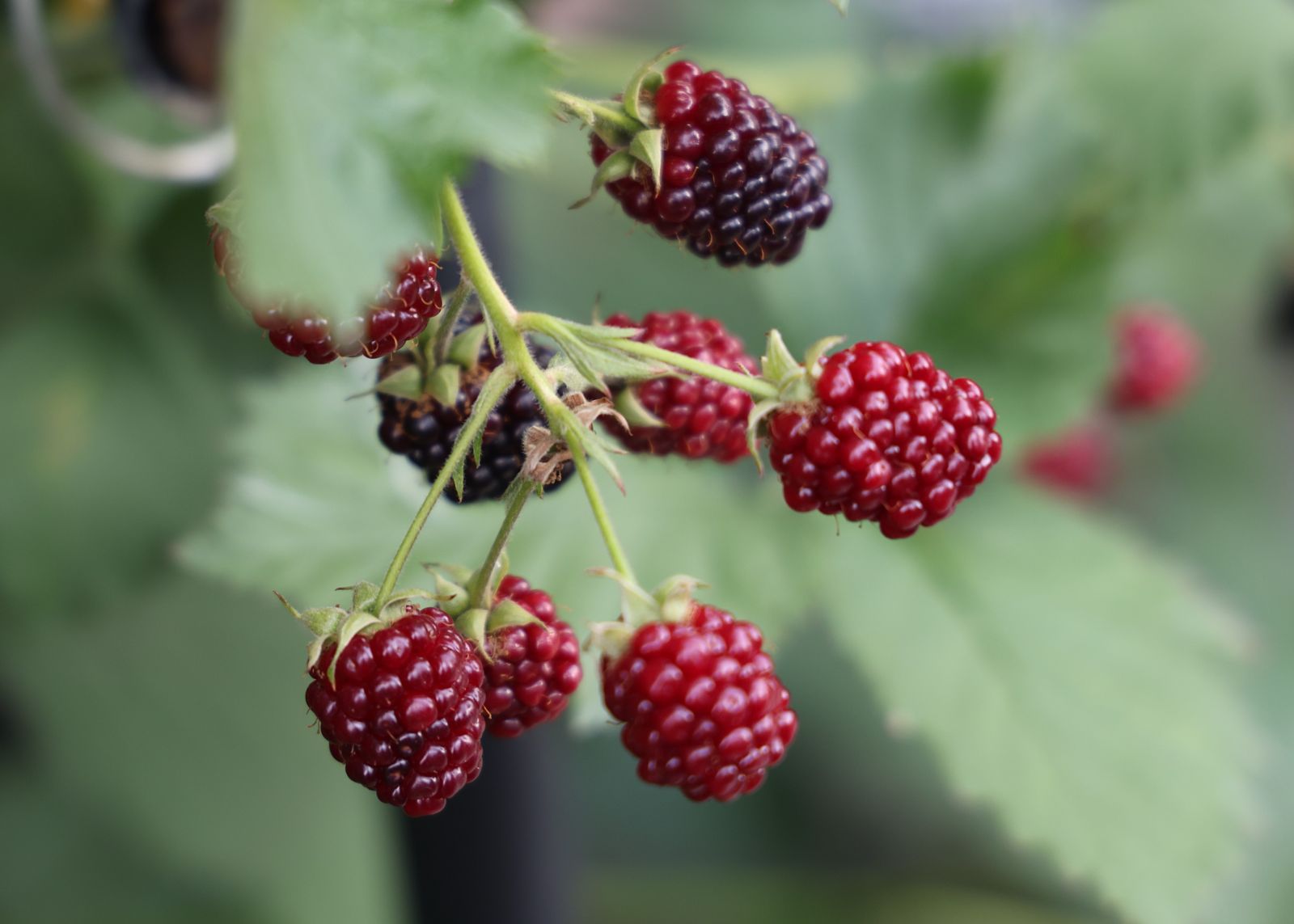
Most varieties have two-year canes: in the first year a cane grows; in the second it flowers, fruits and dies. Primocane-fruiting varieties bear berries in autumn on the current year's canes.
Which varieties to choose
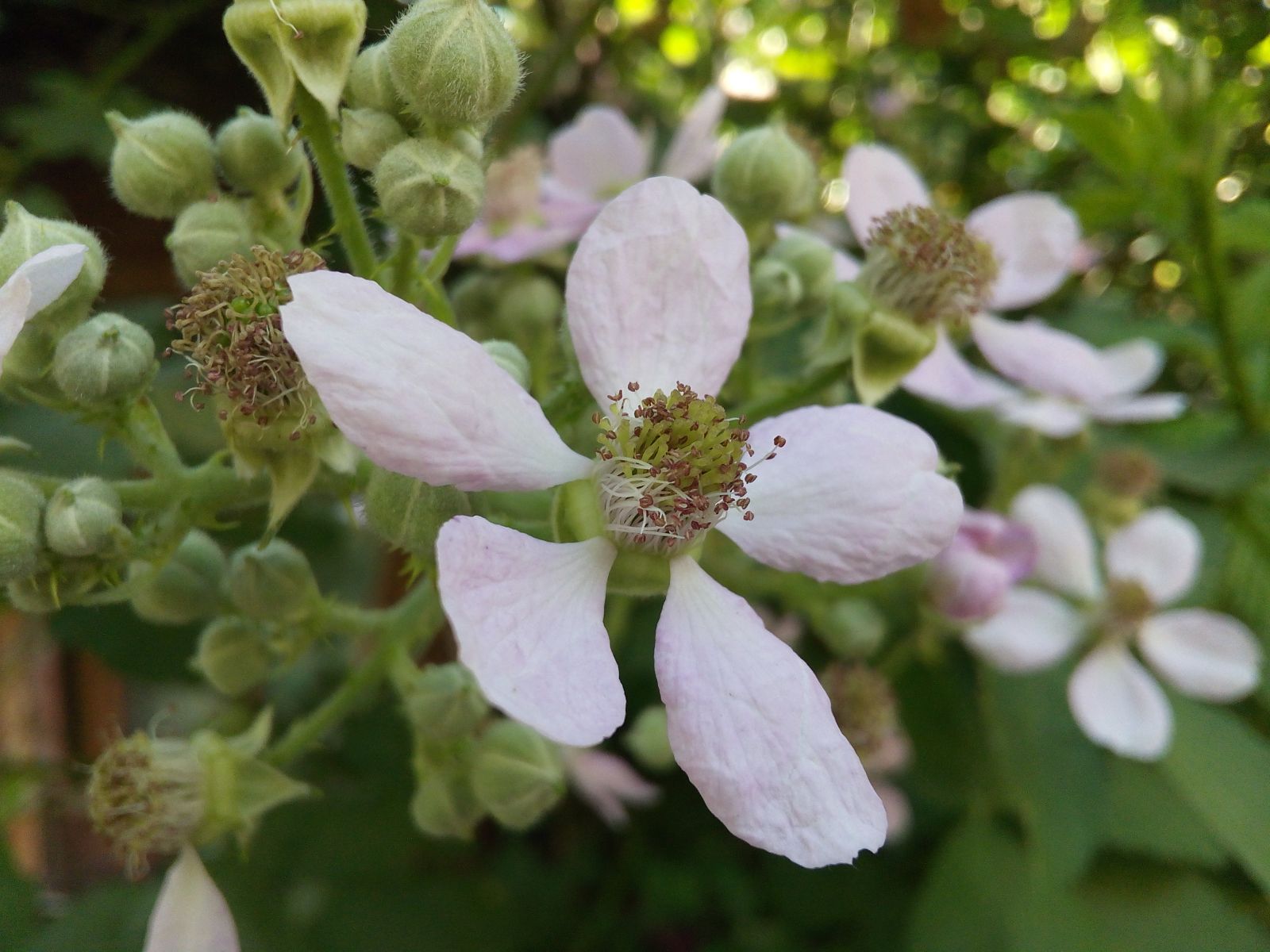
- Erect. Canes grow upright like raspberries and spread by suckers. Usually the hardiest.
- Trailing. Long, flexible canes that must be tied to a trellis; easy to propagate by tip layering.
- Semi-erect — an in-between type that includes many popular thornless varieties.
Popular thornless varieties include Thornfree, Black Satin, Chester Thornless, Loch Ness, Triple Crown and Natchez. Thornless types are generally less frost-hardy, so in most of Ukraine they're laid down and covered in winter. Among primocane types, the Prime-Ark series is well known.
How to plant blackberries
- When. In spring before growth starts, or in autumn a month before frosts.
- Where. Sunny and sheltered from cold winds. In shade berries are smaller and sourer.
- Soil. Fertile, loose, slightly acidic loam without waterlogging.
- Spacing. About 1–1.5 m between erect plants and 2–3 m for trailing ones.
- Trellis. Stretch 2–3 wires between 0.5 and 1.8 m high to tie in fruiting canes.
Care: watering, mulch, feeding
- Watering. Most important during flowering and fruit swelling: in drought berries shrink and dry. Water less often but deeply.
- Mulch. A layer of manure, straw or sawdust keeps moisture in and weeds down.
- Feeding. Nitrogen fertiliser or compost in spring, potassium and phosphorus after flowering. Excess nitrogen in autumn stops canes ripening before winter.
How to prune blackberries
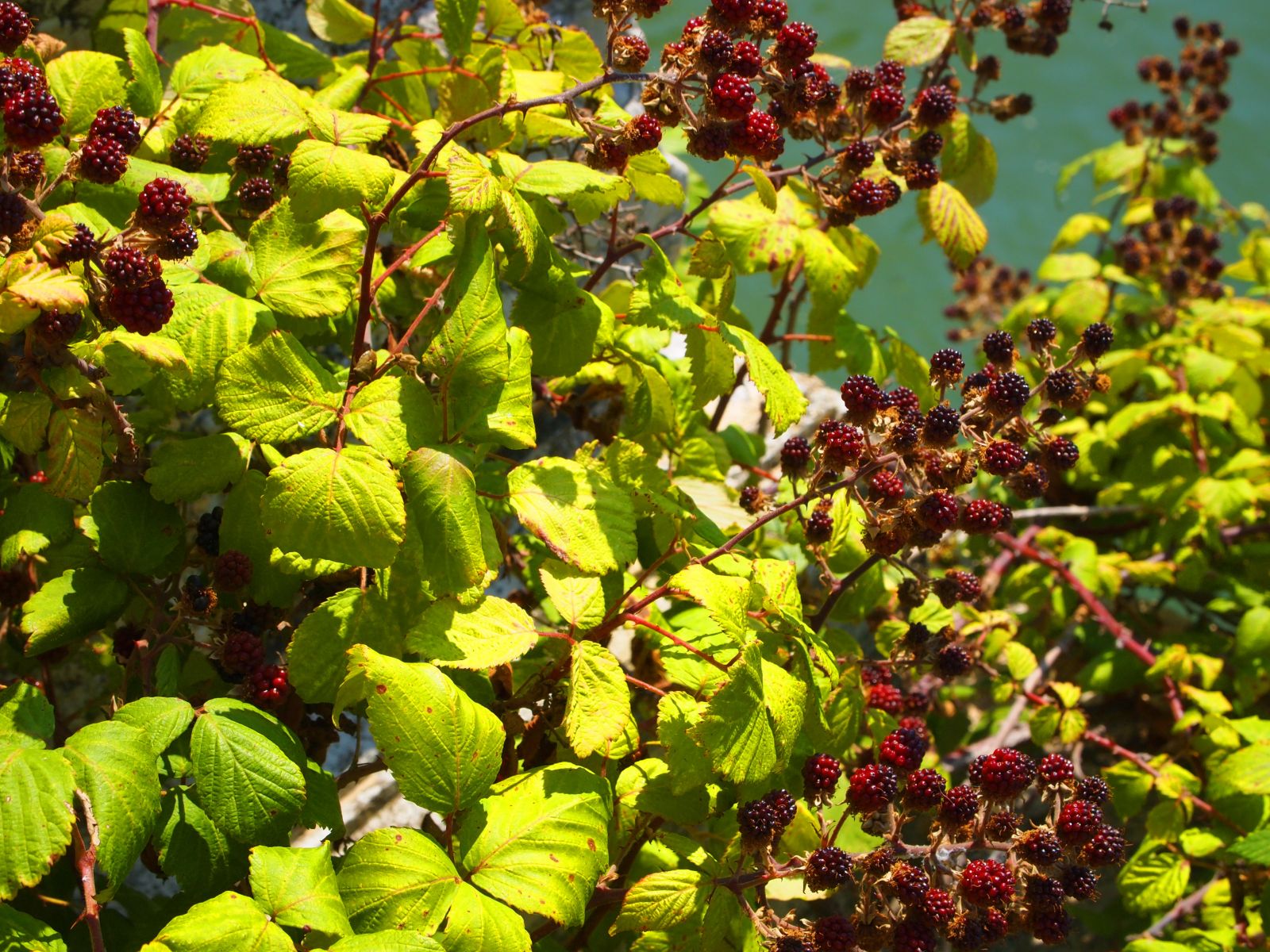
- After harvest, cut all fruited second-year canes down to the ground.
- Thin new canes: keep the 5–8 strongest per plant and remove the rest.
- In summer, tip first-year canes at 1.2–1.5 m to encourage side shoots, which will fruit next year.
- In spring, shorten side shoots to 30–40 cm and remove frost-damaged tips.
Primocane varieties are simpler: after the autumn harvest cut all canes to the ground, and new ones will come up in spring.
Winter protection
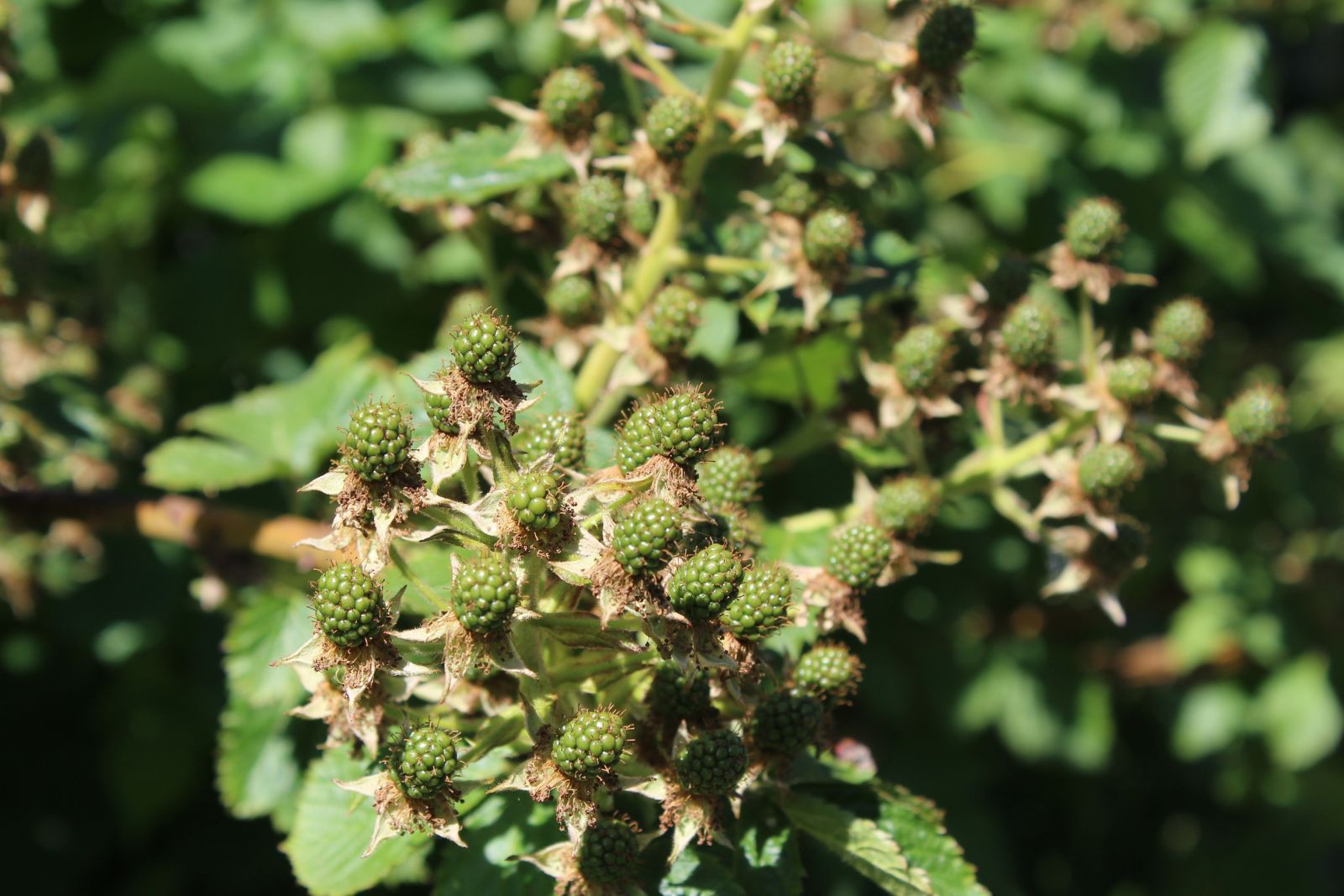
In late autumn, before hard frosts, take the canes off the trellis, bend them to the ground, peg them down and cover with spruce branches, fleece or dry leaves. Thornless varieties need covering almost everywhere; erect thorny ones overwinter better in many regions.
Propagation
- Tip layering — for trailing types: in late summer bend a cane tip to the ground and bury it. It will root by autumn.
- Suckers — for erect types.
- Softwood cuttings — in summer, in a humid propagator.
Pests and diseases
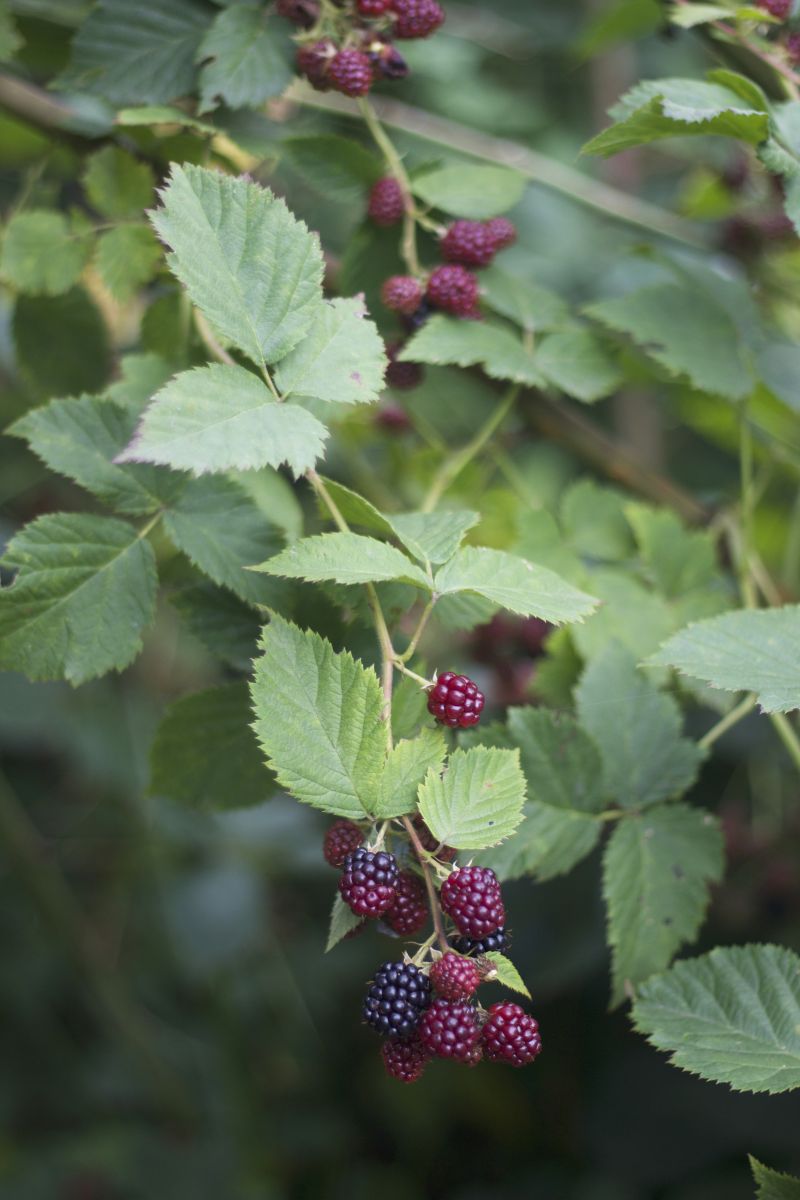
The most common problems are grey mould (especially in wet summers), anthracnose and rust, plus spider mites, aphids and raspberry beetles. Prevention means airy, uncrowded plantings, timely pruning and removing affected berries.
Harvesting and storage
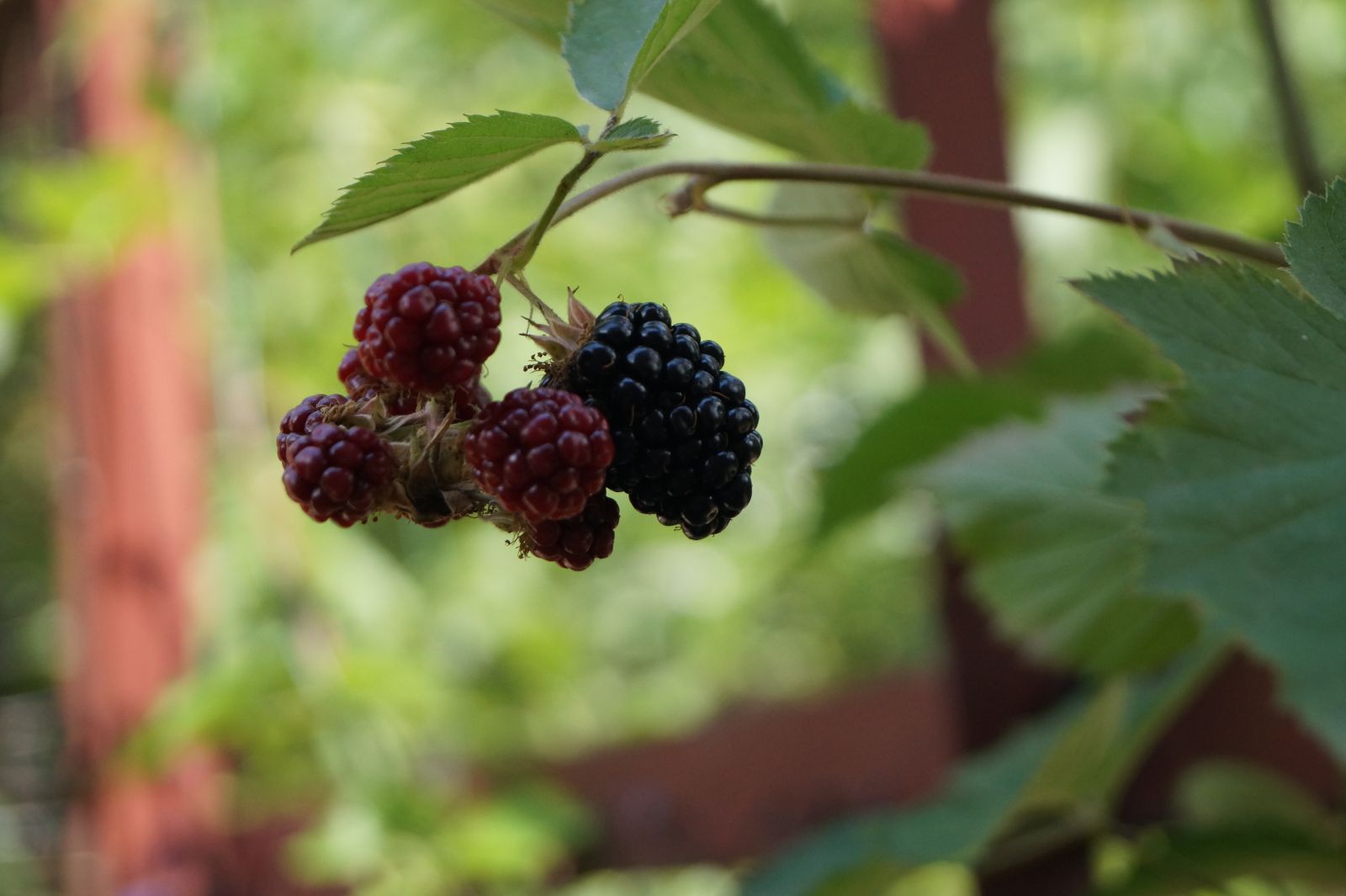
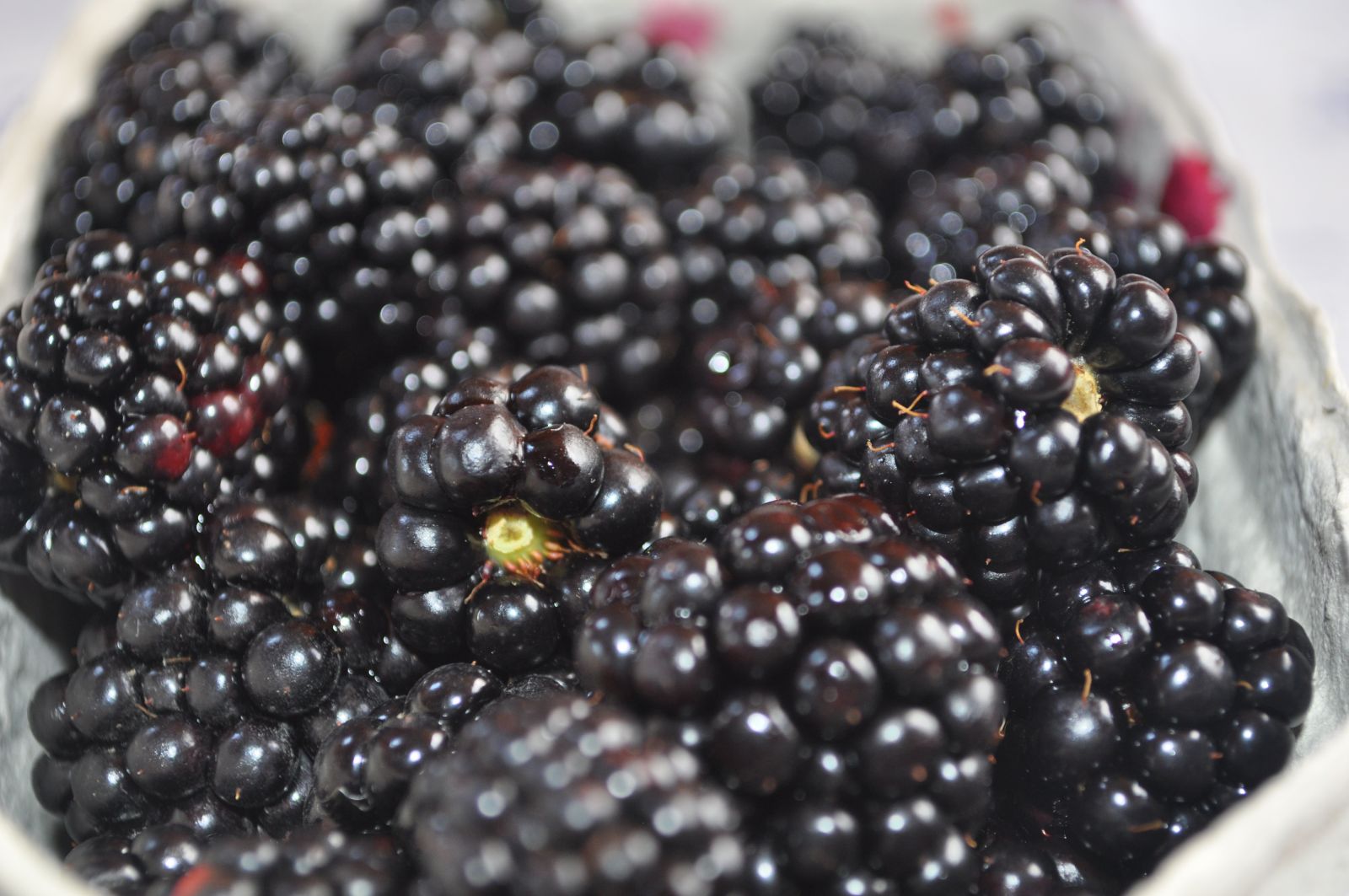
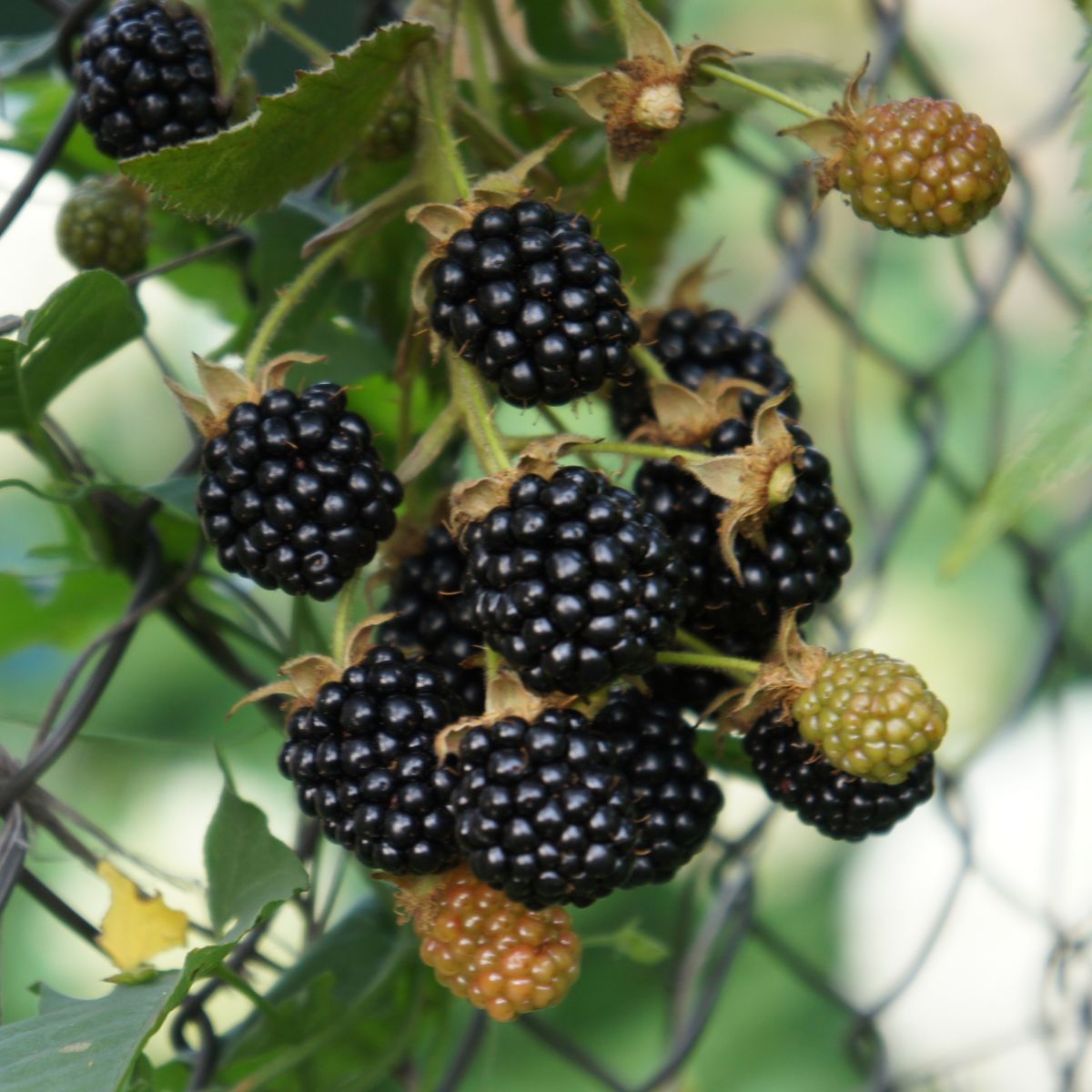
Ripe berries are fully black and pull away easily. Blackberries don't ripen after picking, so harvest every 2–3 days. They keep 2–3 days in the fridge; wash just before eating. For longer storage, freeze them in a single layer on a tray and then bag them. The berries are a good source of fibre and vitamins C and K and are used for jam, pies, sauces for meat and drinks.
Blackberries in floristry
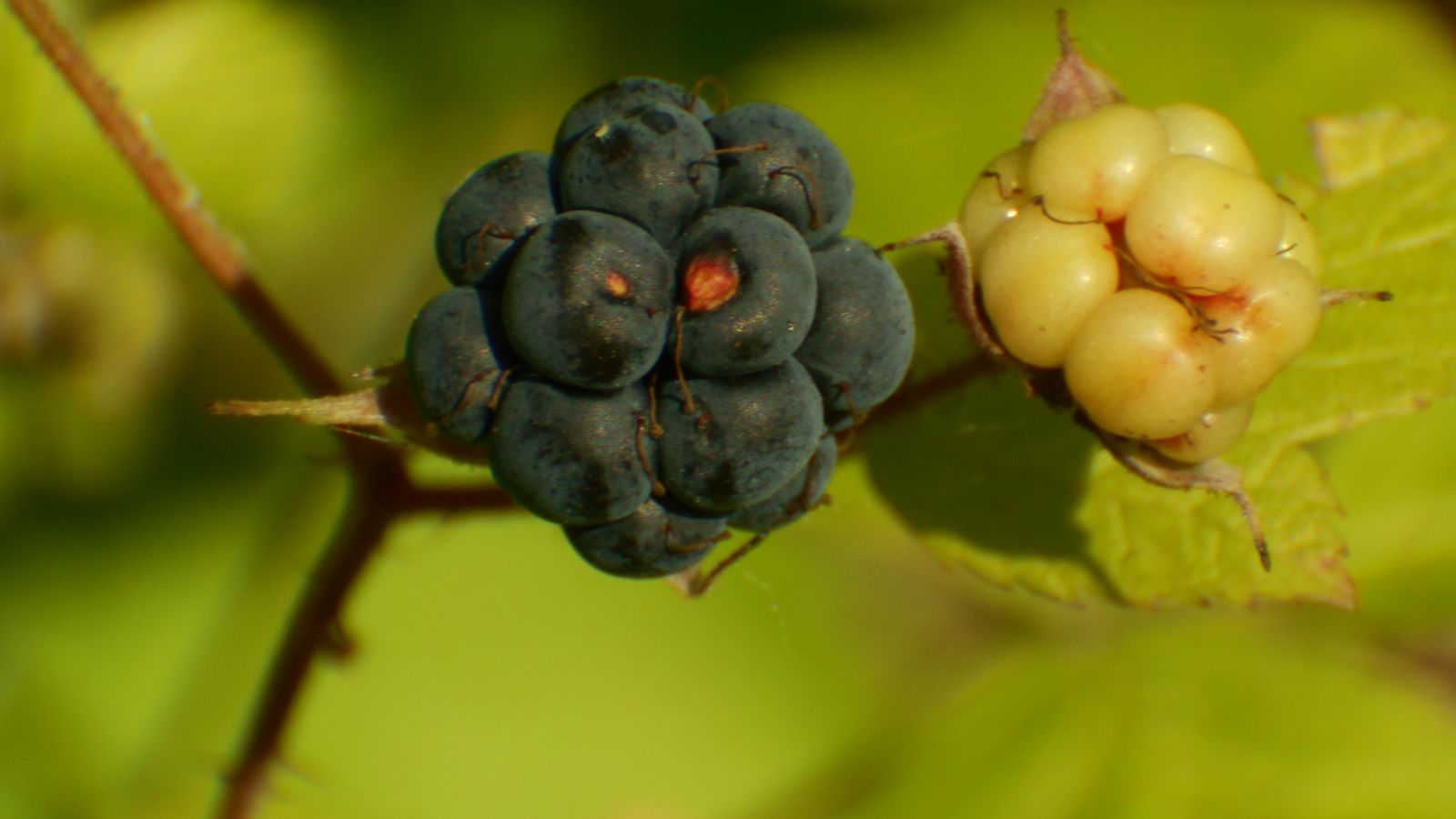
Blackberry stems with berries at different stages — green, red and black — are a popular decorative element in summer and autumn bouquets. They add volume, texture and a "garden" mood and pair well with roses, hydrangeas, chrysanthemums and eucalyptus. Florists also use artificial berry picks that don't stain. For autumn arrangement ideas see our DIY autumn wreath, and browse ready bouquets among our roses and chrysanthemums.
FAQ
When should blackberries be planted?
In spring before growth starts, or in autumn about a month before frosts.
Do blackberries need winter protection?
Thornless varieties do in most of Ukraine; erect thorny ones are hardier.
How do I prune blackberries after fruiting?
Cut fruited second-year canes to the ground and keep 5–8 strong new canes.
How is a blackberry different from a raspberry?
A blackberry comes off with its white core, while a raspberry comes off as a hollow cap.

View full-size photo
Author: Maria Svitlovir
Graduated from Taras Shevchenko National University of Kyiv, Institute of Biology and Medicine (2001). BSc in Biology, MSc in Horticulture. Writes about plants, works at a garden centre selecting and repotting plants, and contributes to plant reference guides.