
 Birthday
 Hydrangeas
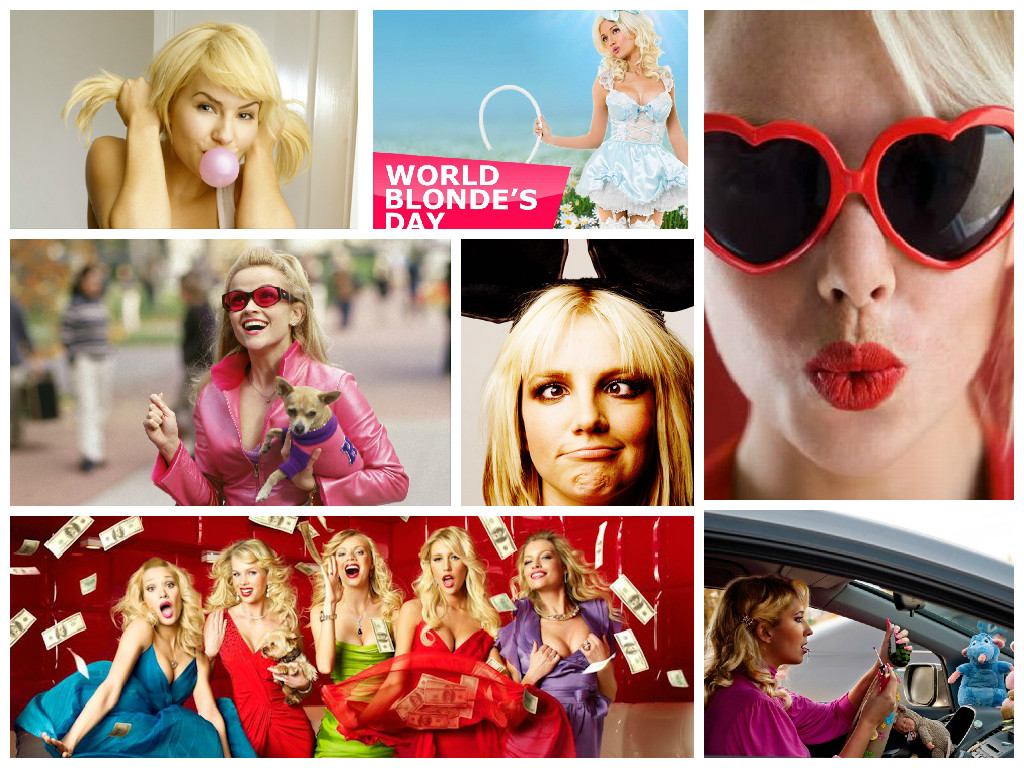
This article was prepared with the support of UFL flower delivery. On 31 May, the last day of spring, many countries jokingly celebrate Blonde Day. It is an unofficial holiday invented by party organisers and marketers, not by UNESCO as the internet often claims. Still, it is a good excuse to laugh at stereotypes and treat fair-haired friends, colleagues and relatives.
.jpg)
A short history of blond hair
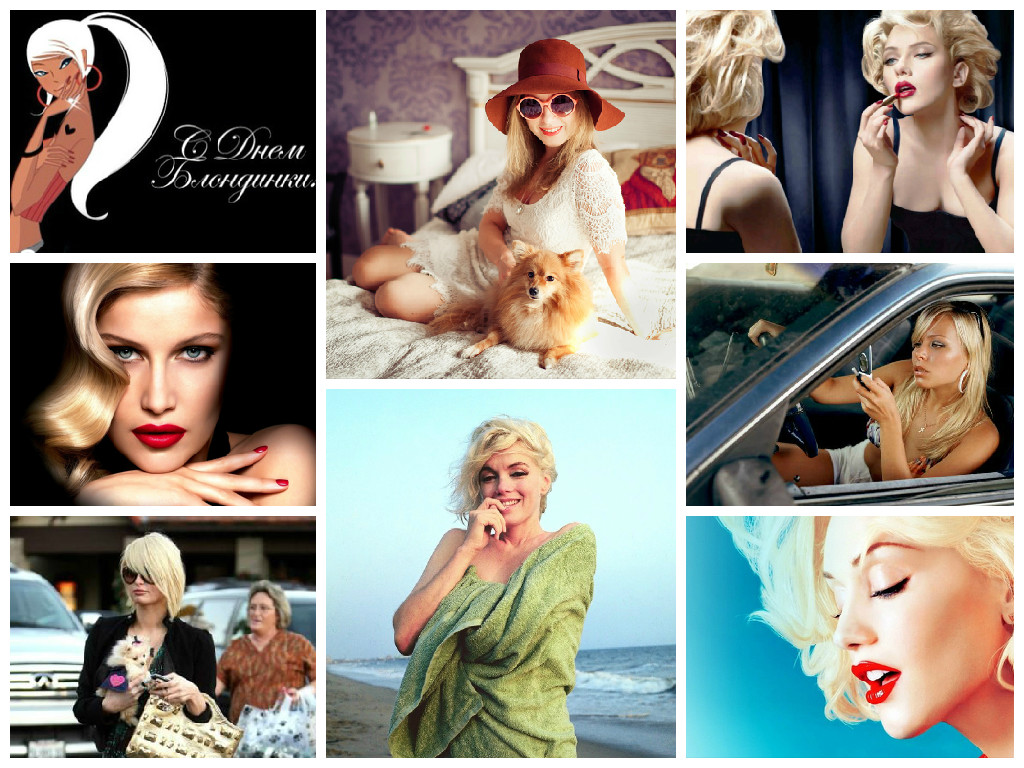
The fashion for fair hair is far older than the holiday. In ancient Greece and Rome hair was lightened with ash, lye and sunlight, and Renaissance Venetian women sat on rooftops for hours in crownless hats to bleach their hair in the sun. In the 20th century Hollywood cemented the image of the blonde: Marilyn Monroe, Grace Kelly, Brigitte Bardot. Interestingly, Monroe and Bardot were both naturally brunette.
Rose breeders have honoured famous blondes too: the apricot-cream hybrid tea 'Marilyn Monroe' (2002) is named after the actress, and Meilland's cream rose with a pink edge 'Princesse de Monaco' after Grace Kelly. Read more about such roses in our article on two-tone roses.
Myths and facts about blondes
- "Blondes will be extinct by 2200." This 2002 news story was a hoax: the WHO never carried out such a study. A recessive gene does not disappear; carriers pass it on through the generations.
- "Blondes die younger." There is no scientific evidence for this.
- "Blondes are less intelligent." A stereotype from jokes and films; research has found no link between hair colour and intelligence.
- Natural blonds are rare: by various estimates about 2% of adults worldwide. They are most common in Northern Europe, especially Finland, Sweden and Estonia. Many fair-haired children darken with age.
- Blondes have more hairs: about 140,000–150,000 on average compared with 100,000–110,000 for brunettes, though each hair is finer.
- Blond hair did not arise only in Europe. Some dark-skinned Solomon Islanders have blond hair caused by a different gene, identified in 2012.
Famous blondes of Ukraine
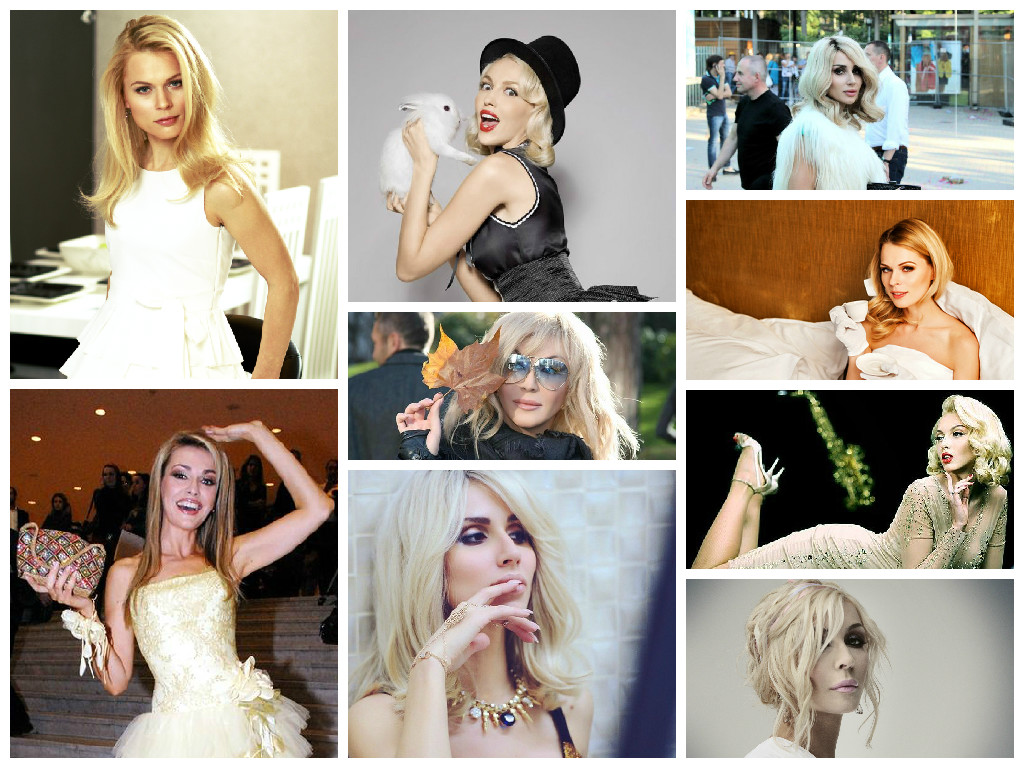
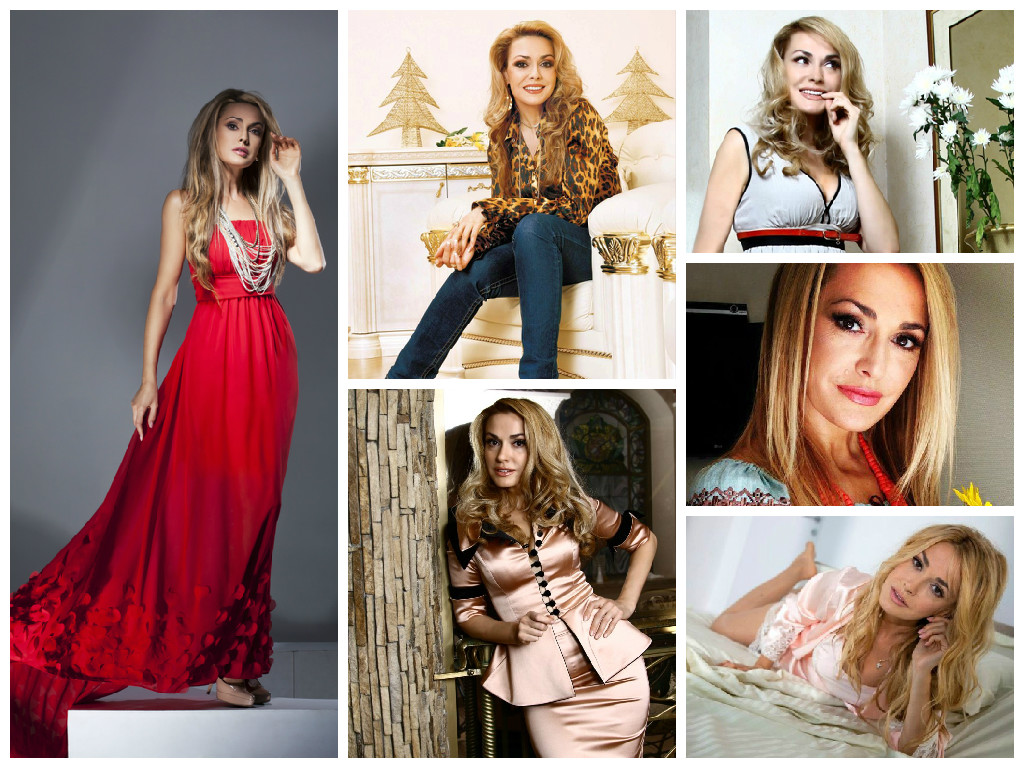
Olha Sumska is a People's Artist of Ukraine known for the title role in the TV series Roksolana.
Iryna Bilyk is one of the best-known Ukrainian singers of the 1990s and 2000s. She often experiments with her hair colour, but fans usually remember her as a blonde.
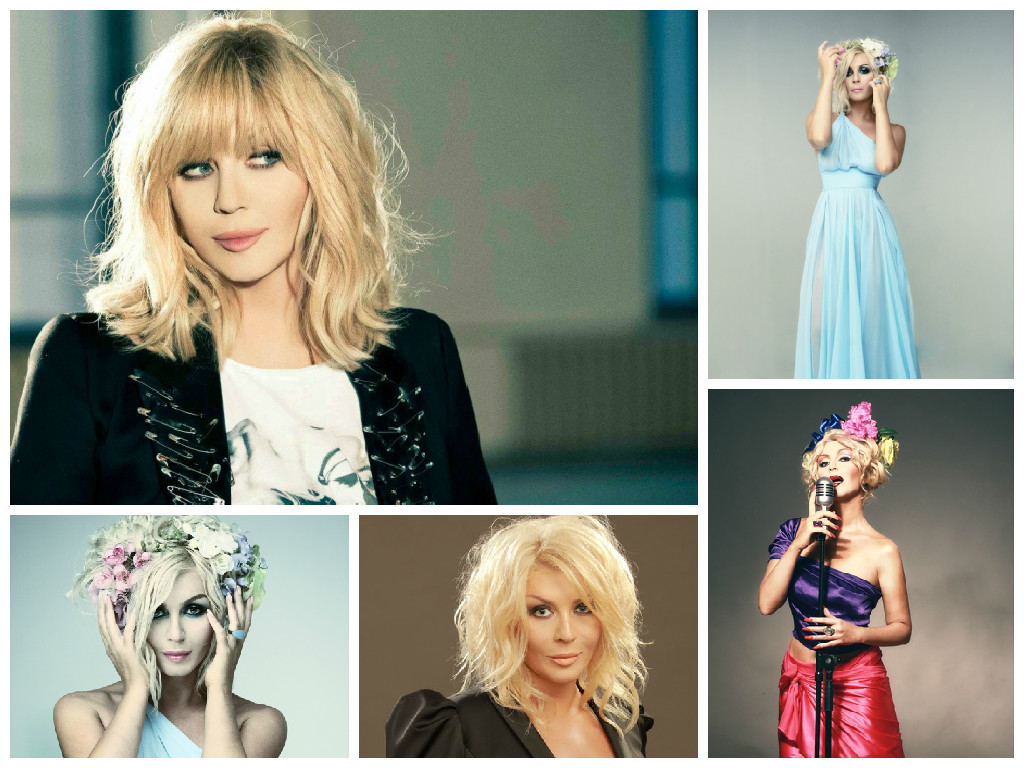
Olha Freimut is a TV presenter known for her directness and personal style.
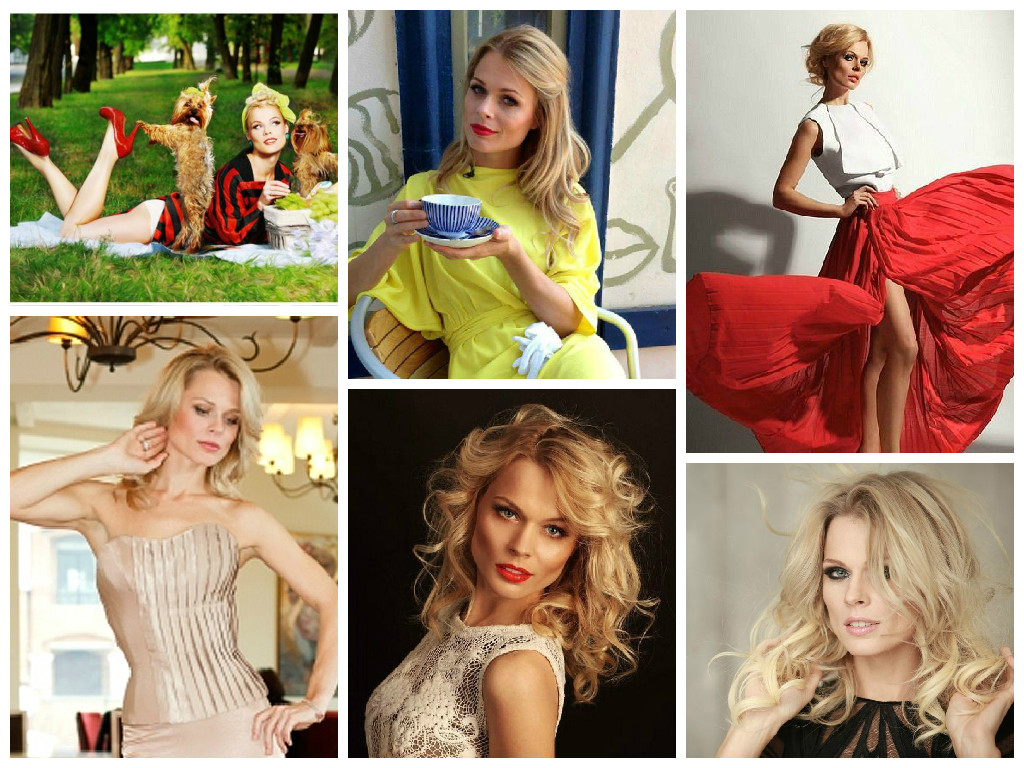
Olia Poliakova is a singer and TV presenter who calls herself a "super blonde" and plays with blonde stereotypes on stage with humour.
How to celebrate Blonde Day
- Flowers in light shades. White, cream, blush and sunny yellow bouquets of roses, tulips, peonies or chrysanthemums. See our white bouquets and pink bouquets.
- Friendly humour. A card with a kind joke, but without hurtful stereotypes.
- Hair care. Products for blond hair or a salon voucher.
FAQ
When is Blonde Day?
On 31 May. It is an unofficial holiday with no government status.
Is it true that blondes get bigger tips?
One American study of waitresses found such an effect, but it reflects general beliefs about appearance rather than hair colour as such.
Treat a fair-haired friend to a bouquet with flower delivery in Kyiv from UFL.

View full-size photo
Author: Maria Svitlovir
Graduated from Taras Shevchenko National University of Kyiv, Institute of Biology and Medicine (2001). BSc in Biology, MSc in Horticulture. Writes about plants, works at a garden centre selecting and repotting plants, and contributes to plant reference guides.


