
 Birthday
 Hydrangeas
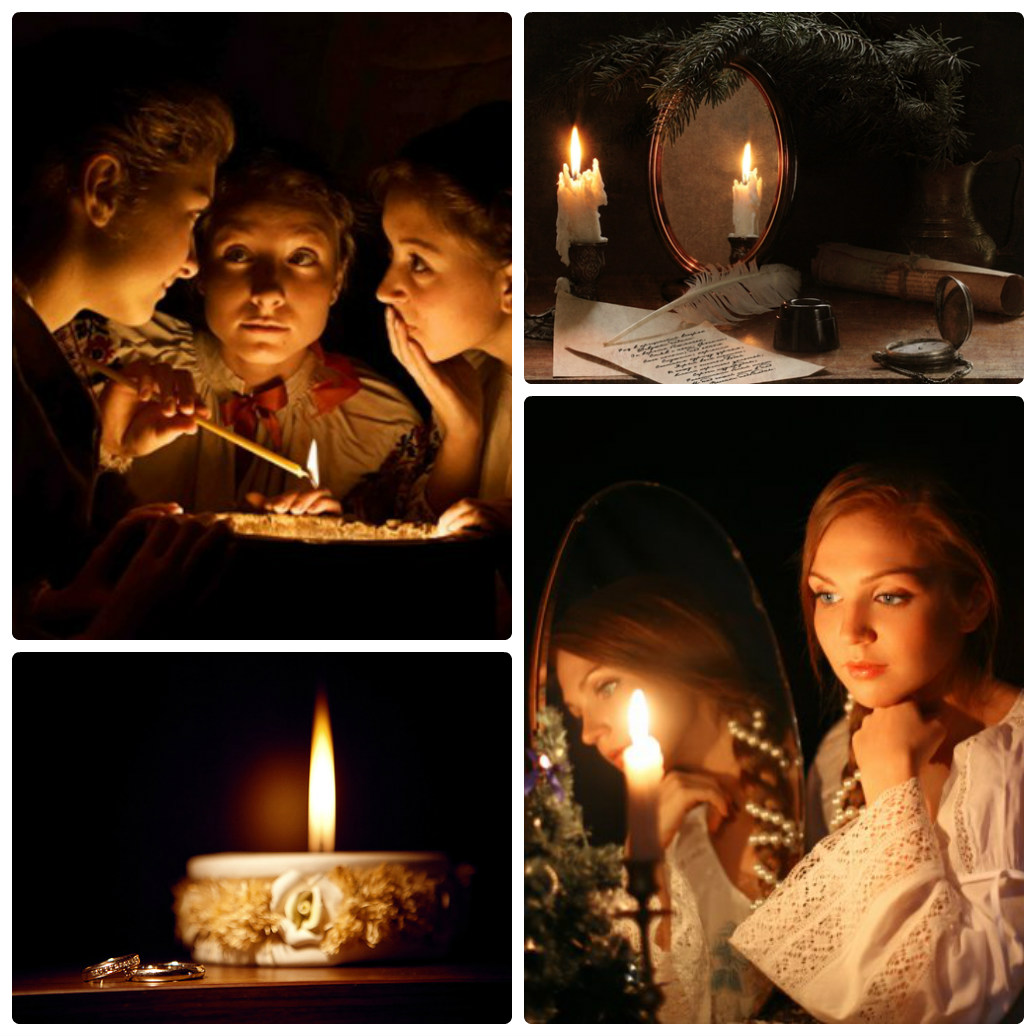
Sviatky, or Christmastide — the two weeks between Christmas and Epiphany — have long been considered the best time for fortune-telling. On these winter evenings girls tried to learn about their future husbands, families about the harvest and prosperity, and young people gathered for lively parties. Today these customs are above all a charming folk tradition and a reason to get together with friends. Here is how and when our ancestors told fortunes.
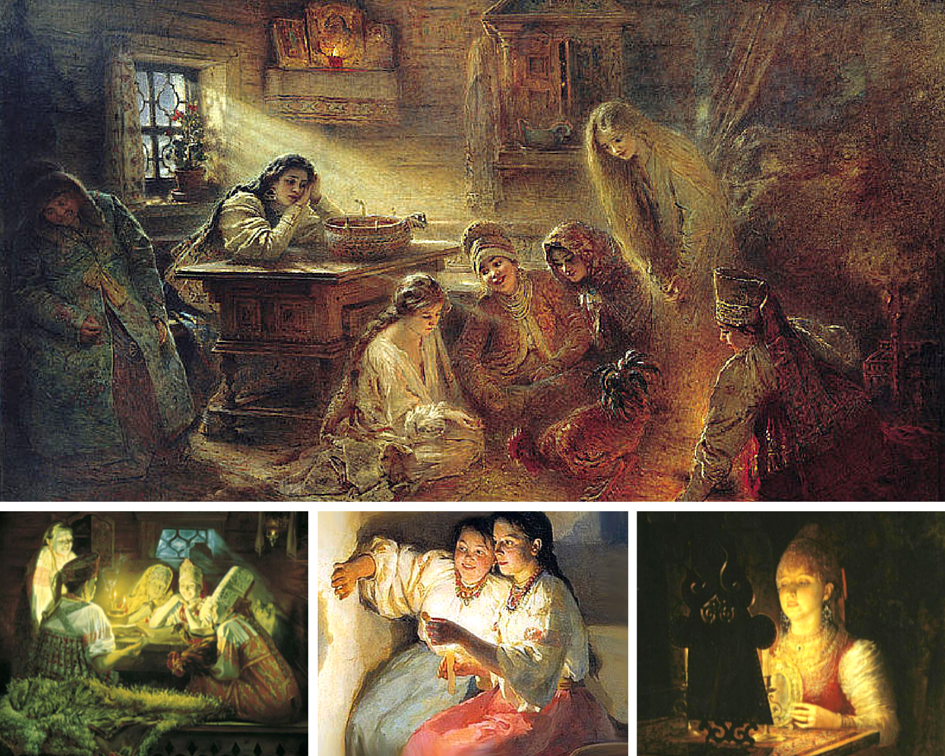
Where the customs come from
Fortune-telling has roots in pre-Christian winter rituals linked to the solstice and the start of a new year. The Church always condemned it, but the customs were handed down through generations and survive as part of folk culture. In the past a girl’s whole life depended on a good marriage, so most divinations concerned a future husband, as well as the harvest, health and wealth.
When fortunes are told
In Ukraine the main nights are St Andrew’s Eve and the evenings of Christmastide: Holy Eve, Generous Eve before St Basil’s Day, and Epiphany Eve. On St Andrew’s Eve people also play “kalyta”, a merry game with a honey cake.
The best-known divinations
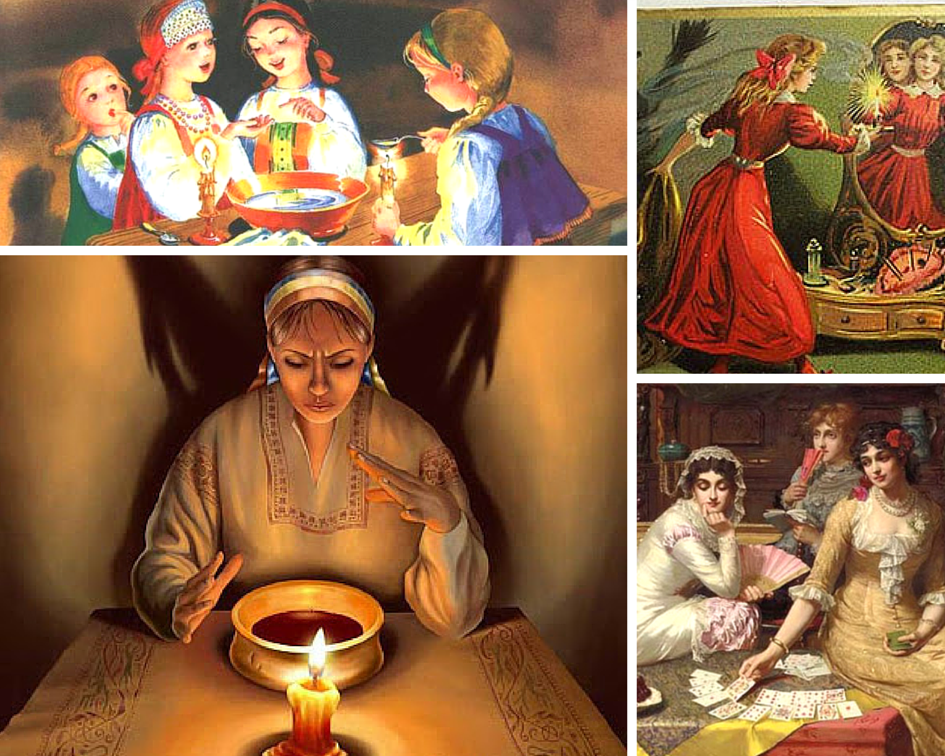
Wax reading
Melted wax or a candle is poured into a bowl of cold water (or milk) and the set shape is interpreted: a flower means a wedding, a ring an engagement, a road or stripes change and travel, stars success at school or work, an animal a rival, a human figure a new friend. Take care with hot wax and open flames.
A boot over the gate
Girls threw a boot over the gate: wherever the toe pointed, that was where matchmakers would come from. If it pointed back at the house, there would be no wedding that year.
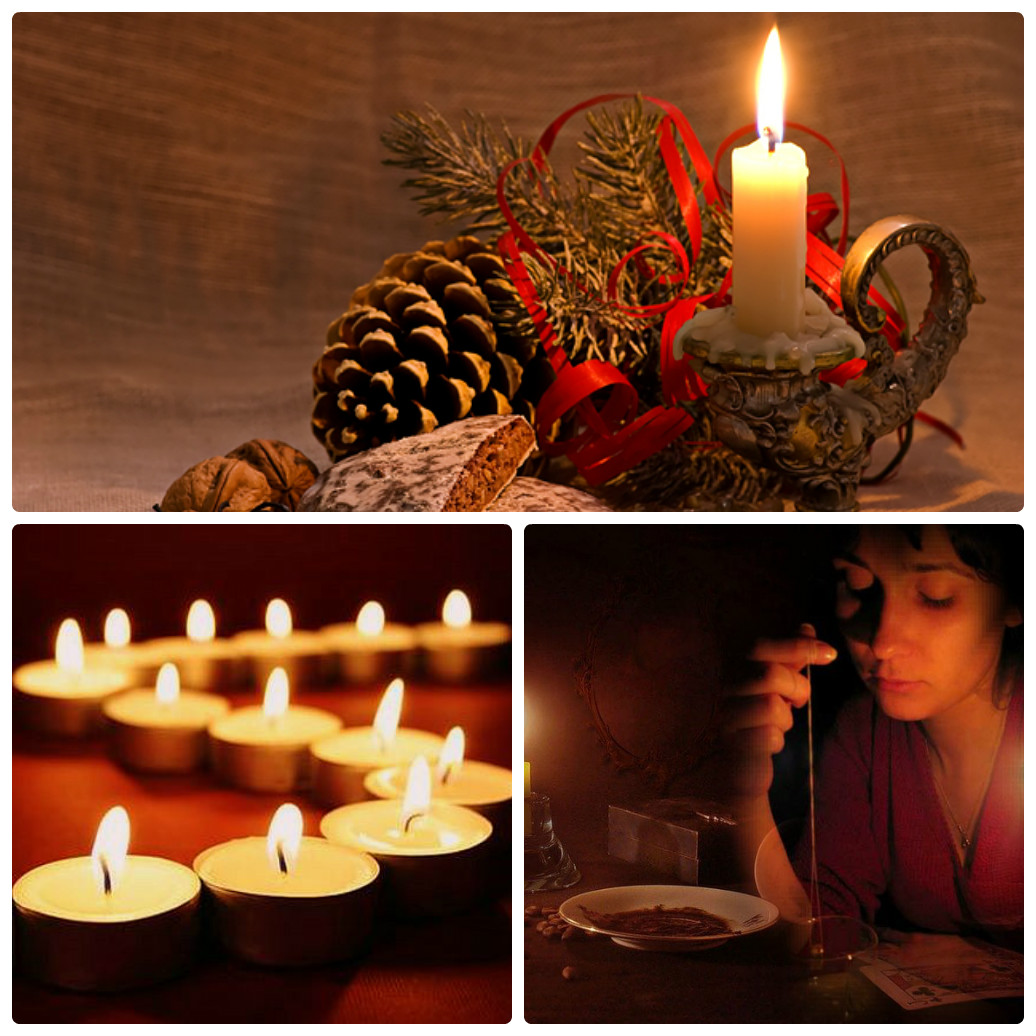
The mirror
At midnight a girl sat in front of a mirror by candlelight and gazed into the “corridor” of reflections, hoping to glimpse her future husband. It was the spookiest divination, and many preferred more cheerful ones.
Kings under the pillow
Four playing-card kings are placed under the pillow with the words “my destined one, appear in my dream”. The king you dream of describes your future husband: hearts — young and in love, diamonds — the one you desire, clubs — reliable and businesslike, spades — older and jealous.
Onion divination
Several onions are labelled with admirers’ names and placed in water. Whichever sprouts first names the future husband.
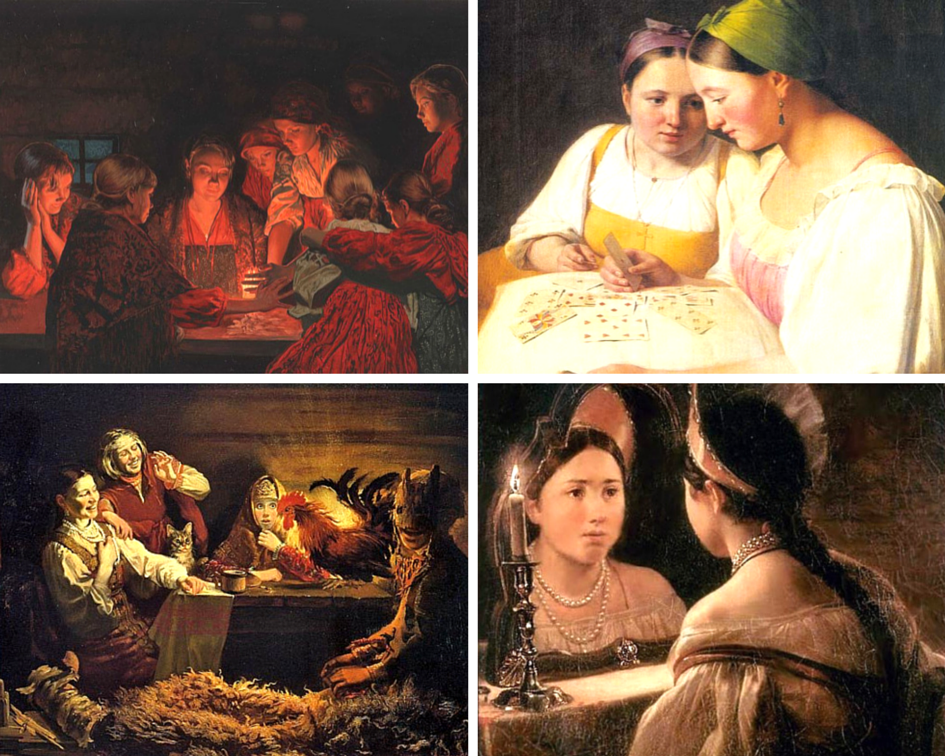
Ukrainian customs
- Counting fence stakes. In the dark a girl put her arms around part of a wattle fence and counted the stakes in pairs: an even number meant she would find a partner that year.
- Varenyky and the dog. Each girl put a dumpling in front of a dog; whoever’s it ate first would be the first to marry.
- Eavesdropping under windows. A word overheard was read as a sign: “go” meant a wedding, “sit” another year of waiting.
In summer, flower divinations are popular — see flower fortune-telling.
How to treat fortune-telling
Fortune-telling is part of culture and a fun game, not a way to see the future. Enjoy it with a sense of humour — we still shape our own fate.
FAQ
When does Christmastide begin and end?
From Christmas Day (25 December) to Epiphany (6 January) on the new church calendar.
Which divination is the most popular?
Wax reading and the boot over the gate — simple, fun and great for a group.
Can you tell fortunes on St Andrew’s Eve?
Yes — St Andrew’s Eve (29 November) is one of the main fortune-telling nights in Ukraine.
Winter holidays are a lovely excuse to surprise loved ones: bouquets are available with delivery in Kyiv from UFL.

View full-size photo
Author: Maria Svitlovir
Graduated from Taras Shevchenko National University of Kyiv, Institute of Biology and Medicine (2001). BSc in Biology, MSc in Horticulture. Writes about plants, works at a garden centre selecting and repotting plants, and contributes to plant reference guides.