
 Birthday
 Hydrangeas
Architects have long learned from plants: strength from leaves, beauty of form from flowers, and from trees the ability to gather water and light. The result is buildings that look like an opening lotus, a giant rose or a whole grove of steel. Here are the best-known flower- and tree-shaped buildings — from a temple in New Delhi to Singapore's Supertrees — and how nature gives engineers ideas.
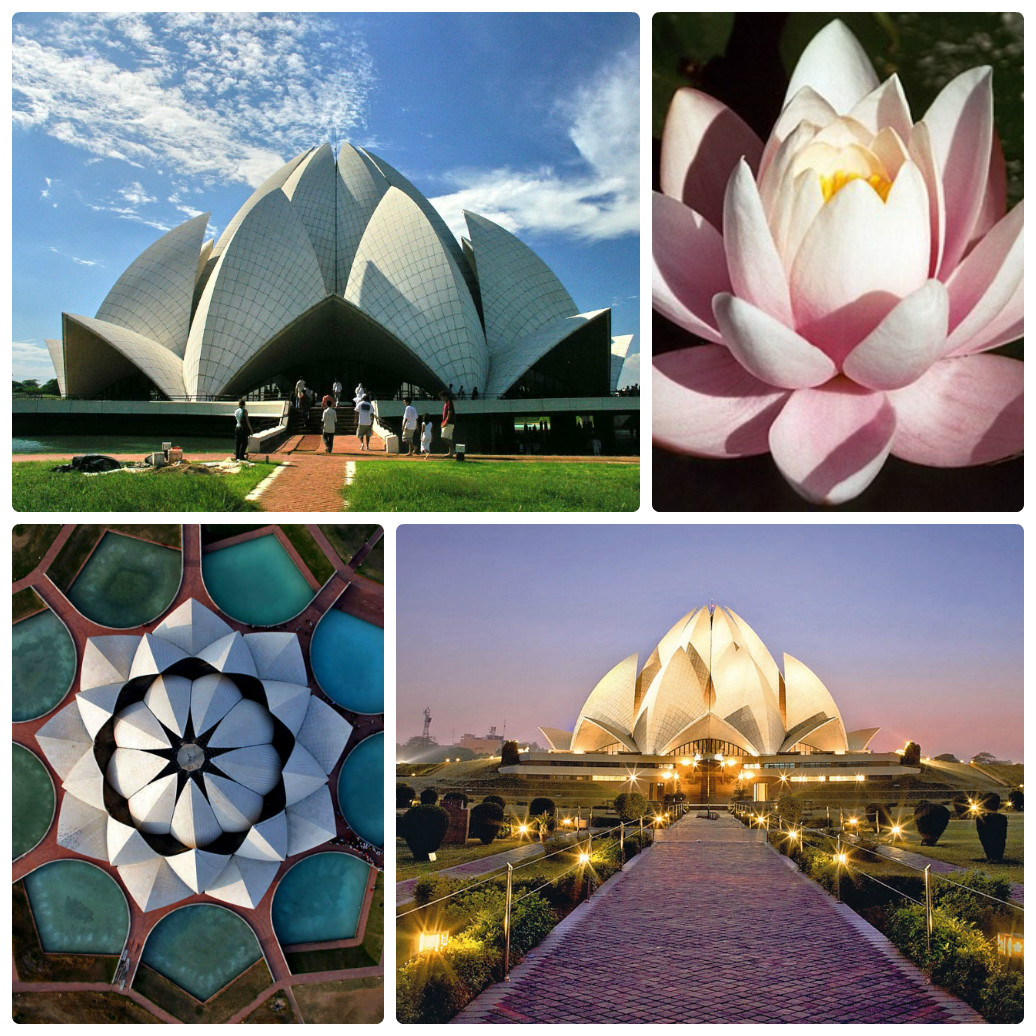
Lotus Temple, New Delhi
The world's most famous "flower building" is the Bahá'í House of Worship in New Delhi, opened in 1986. Architect Fariborz Sahba designed it as a half-open lotus: 27 petals clad in white Pentelic marble from Greece are grouped in threes to form nine sides. The building is about 40 metres tall and the main hall seats around 2,500 people. It is surrounded by nine pools that resemble leaves floating on water.
The lotus was no accident: in India it is one of the most revered symbols of purity. The temple is open to people of all faiths and welcomes millions of visitors a year. Learn more about flowers in Indian culture in Indian flower traditions.
Key flower buildings at a glance
Supertrees and the ArtScience Museum, Singapore
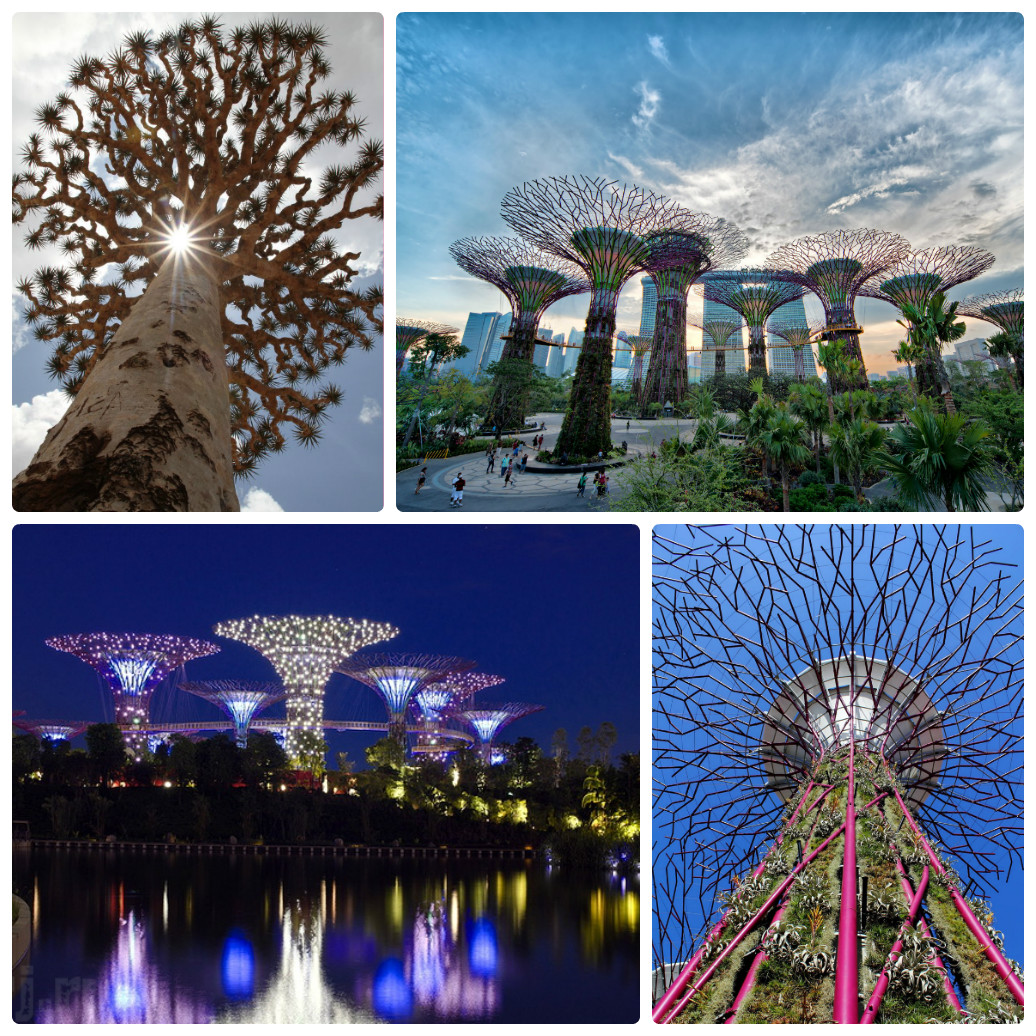
Gardens by the Bay, beside Marina Bay, is home to 18 Supertrees between 25 and 50 metres tall. They are vertical gardens: their steel "trunks" carry more than 162,000 plants of over 200 species — ferns, bromeliads, orchids and climbers. Some are fitted with solar panels; they collect rainwater and act as exhaust vents for the nearby conservatories. In the evening their canopies light up to music. One of the park's conservatories, the Flower Dome, is considered the world's largest glass greenhouse.
Nearby on the Marina Bay waterfront stands the ArtScience Museum (2011), designed by Moshe Safdie. Its ten "petals" resemble an open lotus; rainwater runs down the roof into a central funnel and is reused in the building.
Lotus Building, China
In Changzhou, Jiangsu province, an administrative building opened in 2013 in the shape of three lotus flowers at different stages of bloom, standing in an artificial lake. Most of the space is hidden underwater, while the "flowers" above serve as entrances and halls.
Motisons Tower, India
.jpg)
Another Indian "lotus" is the Motisons Tower office building in Jaipur. Its rectangular block is framed by glass petals, each lit separately, so at night the building changes colour and becomes a light installation.
Floralis Genérica, Buenos Aires
This is not a building but a huge steel-and-aluminium flower sculpture about 23 metres tall, installed in 2002 in the Plaza de las Naciones Unidas. Architect Eduardo Catalano designed it to be "alive": the petals were meant to open in the morning and close at sunset, like a real flower. The mechanism has broken down more than once, but the flower has become a symbol of the city.
When plants inspire engineers
Sometimes nature shapes the structure rather than the look. The best-known example is the Crystal Palace, built in London for the Great Exhibition of 1851. Its creator, gardener and engineer Joseph Paxton, had earlier built a glasshouse for the giant water lily Victoria amazonica and studied the ribs on the underside of its leaf, which can bear considerable weight. He transferred the idea to a frame of glass and iron. Read more about the plant in the giant water lily.
In Barcelona's Sagrada Família, Antoni Gaudí designed columns that branch like tree trunks, creating the feeling of a stone forest. Today this approach is called biomimicry: architects study how plants spread loads, collect water and ventilate.
Projects that stayed on paper
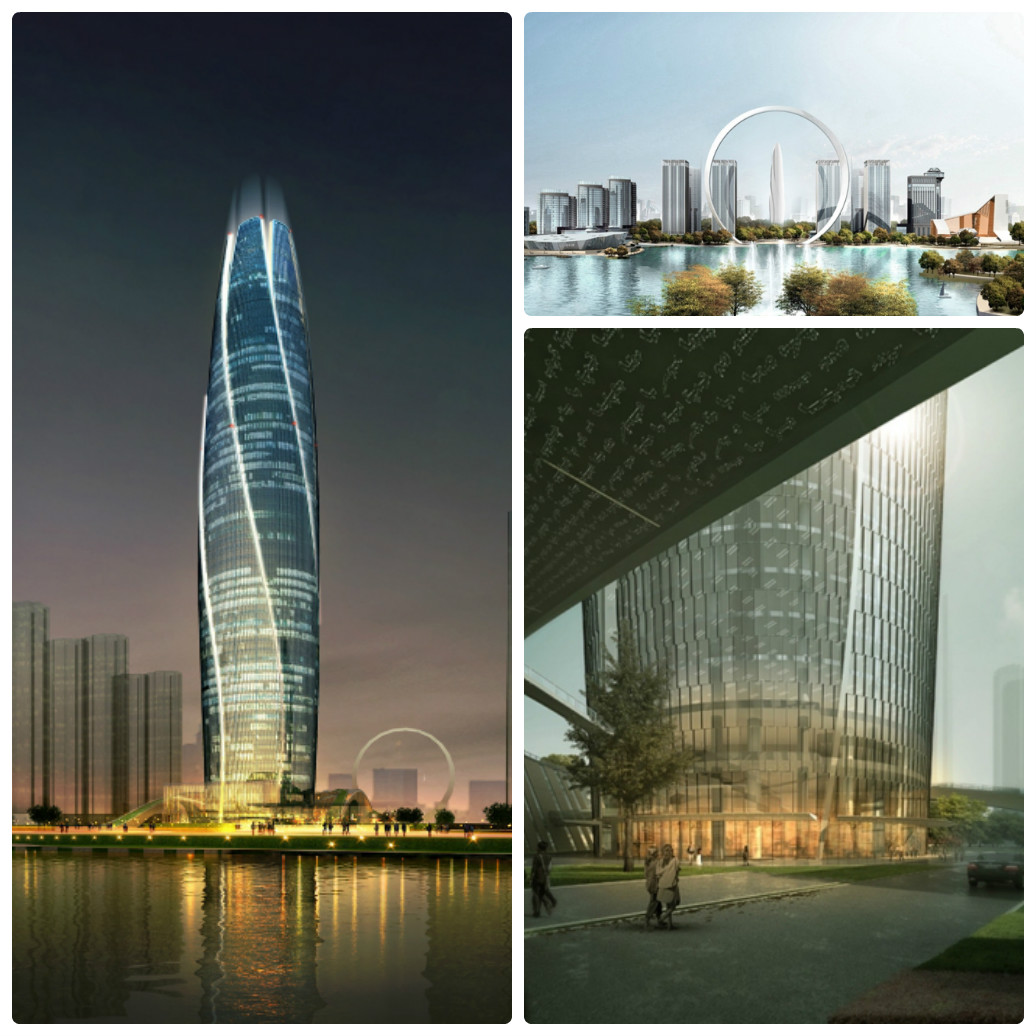
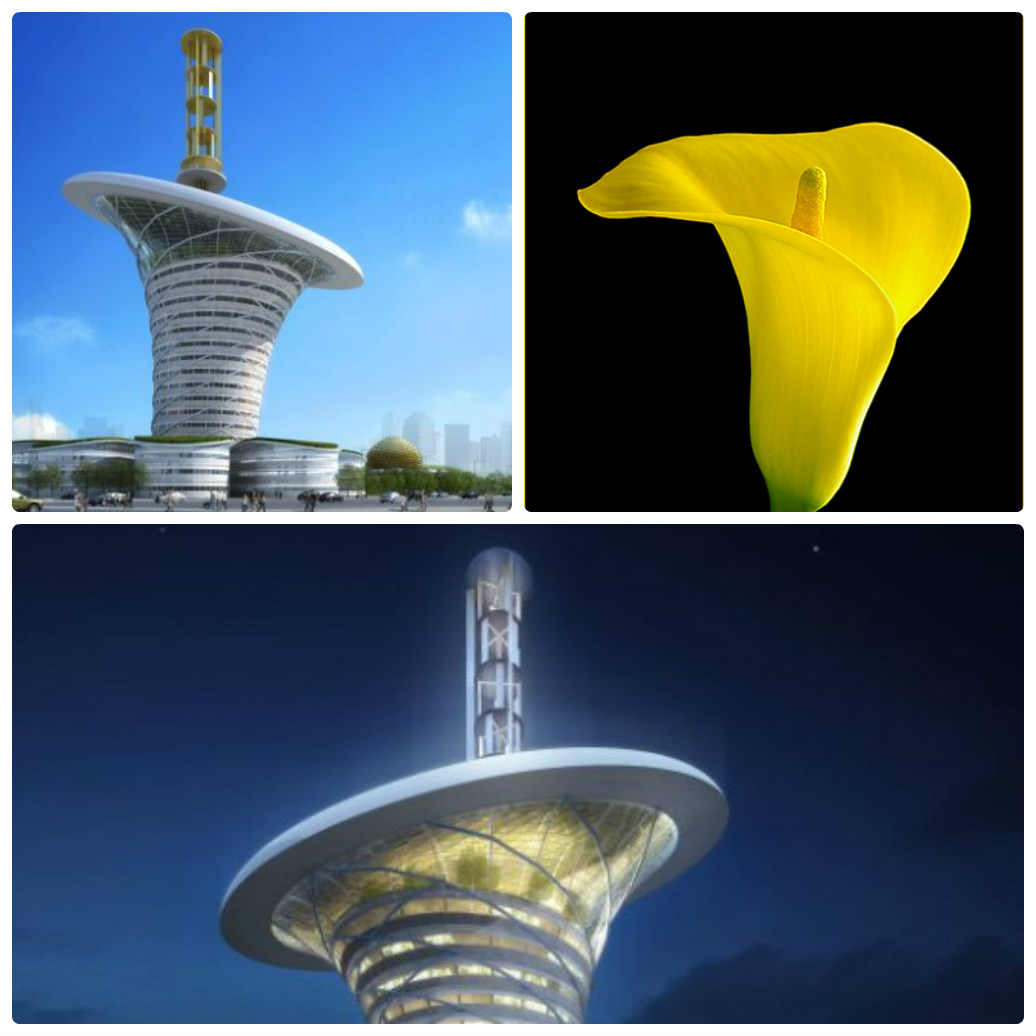
Not every flower building gets built. In the 2010s several concepts were widely published, with no information about their construction:
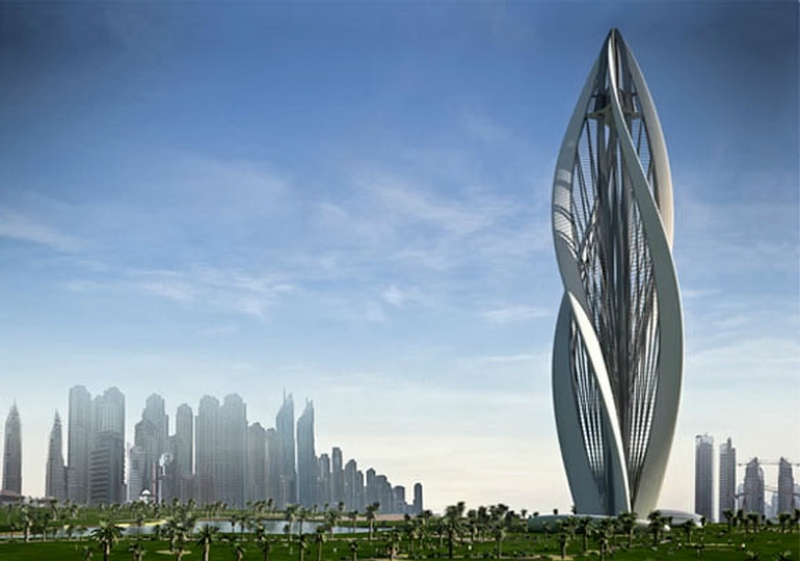
- "Blooming Dubai" — a competition design for a tower about 135 metres tall shaped like a flower blossoming in the desert, with a café at the top.
- The Rose skyscraper in Fushun — a 60-storey tower shaped like a rosebud on a riverbank in the Chinese city of Fushun.
- Wuhan Energy Flower — a Dutch design for a research centre in Wuhan: a calla-shaped tower with wind turbines in place of the pistil.
Why flower buildings appeal to us
Floral forms soften a city: curves instead of right angles, a feeling of life instead of concrete. Such buildings also become city landmarks and draw tourists, and ideas borrowed from plants help save energy and water. For more remarkable places linked to flowers, see our guides to the world's flower fields and flower markets.
FAQ
Which building is shaped like a flower?
The best known is the Lotus Temple in New Delhi (1986). The ArtScience Museum in Singapore and the Lotus Building in Changzhou also resemble a lotus.
How many petals does the Lotus Temple have?
27 marble petals arranged in groups of three.
What are the Supertrees in Singapore?
Vertical gardens 25–50 metres tall at Gardens by the Bay, home to more than 162,000 plants.
Which building was inspired by a water lily leaf?
The Crystal Palace in London (1851): Joseph Paxton used the rib structure of the Victoria amazonica leaf.

View full-size photo
Author: Maria Svitlovir
Graduated from Taras Shevchenko National University of Kyiv, Institute of Biology and Medicine (2001). BSc in Biology, MSc in Horticulture. Writes about plants, works at a garden centre selecting and repotting plants, and contributes to plant reference guides.