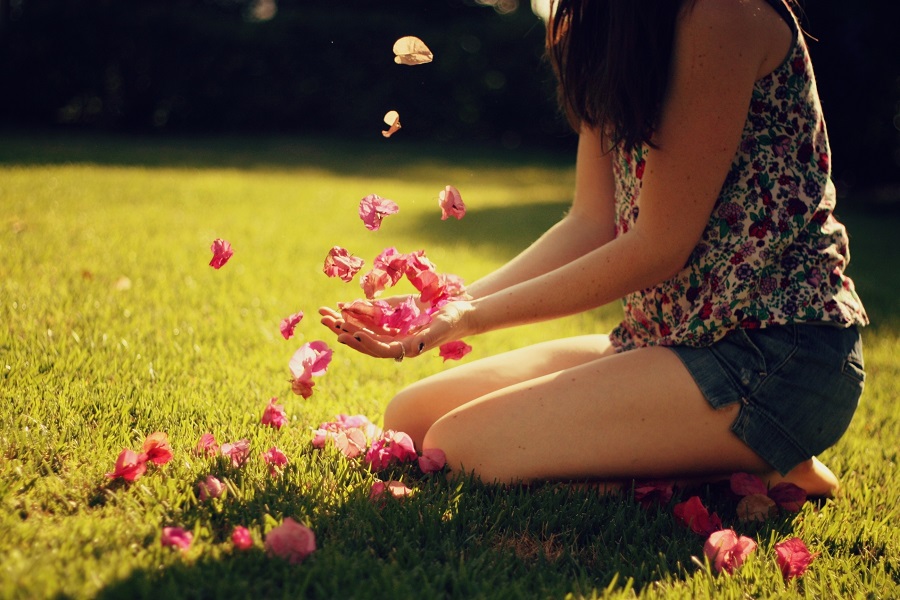
A bouquet is one of the most popular gifts, but for people with allergies it can mean a runny nose, sneezing or skin irritation. The good news is that most garden and cut flowers cause allergies less often than people think, and the risk can be reduced further by choosing the right flowers. Here is why some flowers are safer than others, which plants are more likely to cause a reaction and how to put together a bouquet for an allergy sufferer. All our advice for men is in one place — a man’s guide to choosing and giving flowers.
You can delight someone today: potted plants or flower baskets.
The main culprits of seasonal allergies are wind-pollinated plants: birch, grasses, ragweed and wormwood. Their light pollen travels long distances on the wind. Most bright garden and bouquet flowers, however, are pollinated by insects: they produce less pollen, and it is heavier and sticky, so it rarely becomes airborne.
Some people do react to cut flowers — especially members of the daisy family (daisies, chrysanthemums, sunflowers, gerberas) and flowers with lots of exposed pollen. A separate issue is not allergy but irritation from strong scent: the fragrance of lilies, hyacinths and tuberoses gives sensitive people headaches. Florists who handle tulips and alstroemerias a lot can also develop contact dermatitis from their sap.
A reaction to a bouquet’s pollen or scent usually looks like hay fever: sneezing, a blocked nose, watery and itchy eyes, and sometimes skin irritation after touching the sap. Symptoms tend to appear indoors when the bouquet is close by and ease once the flowers are moved out. If the reaction is severe, or breathing becomes difficult or swelling appears, see a doctor straight away: only an allergist can identify the allergen reliably.
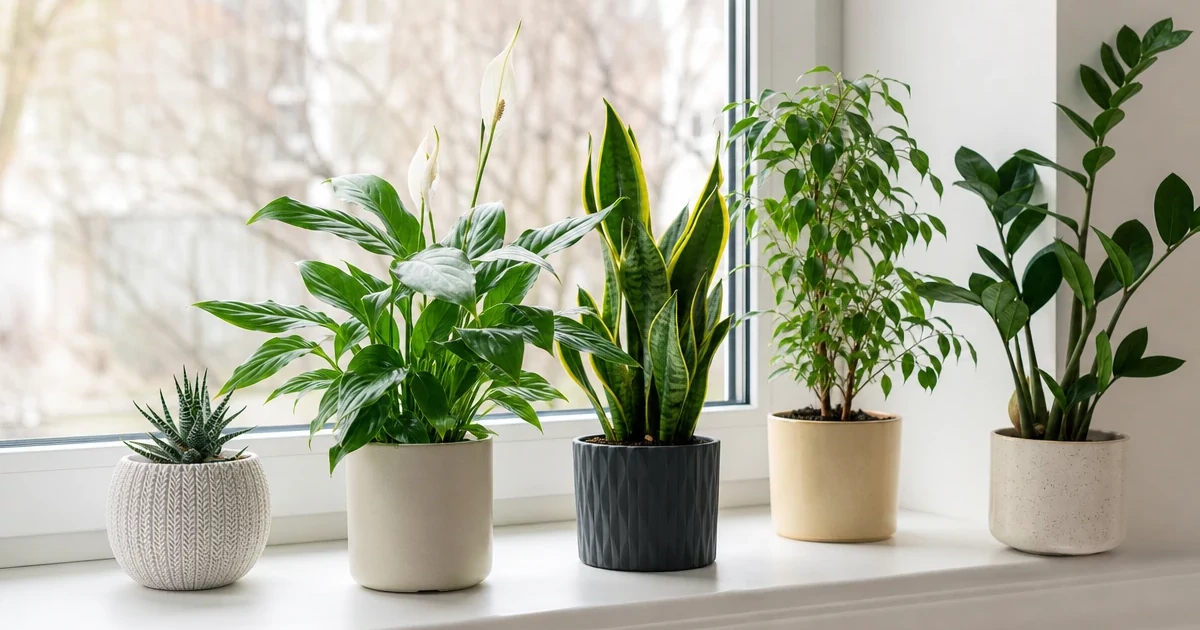
Cut flowers aren’t the only culprits. Among houseplants, people most often react to pelargonium (geranium) because of its essential oils, to flowering bulbs such as hyacinths and daffodils, and to ficus and euphorbia because of their sap. Mould can also grow in potting soil and trigger symptoms. People with allergies are usually advised to choose plants without strong scent or pollen, such as sansevieria or spider plant, and to avoid overwatering.
If you mean houseplants rather than bouquets, read our article on houseplants that cause allergies.
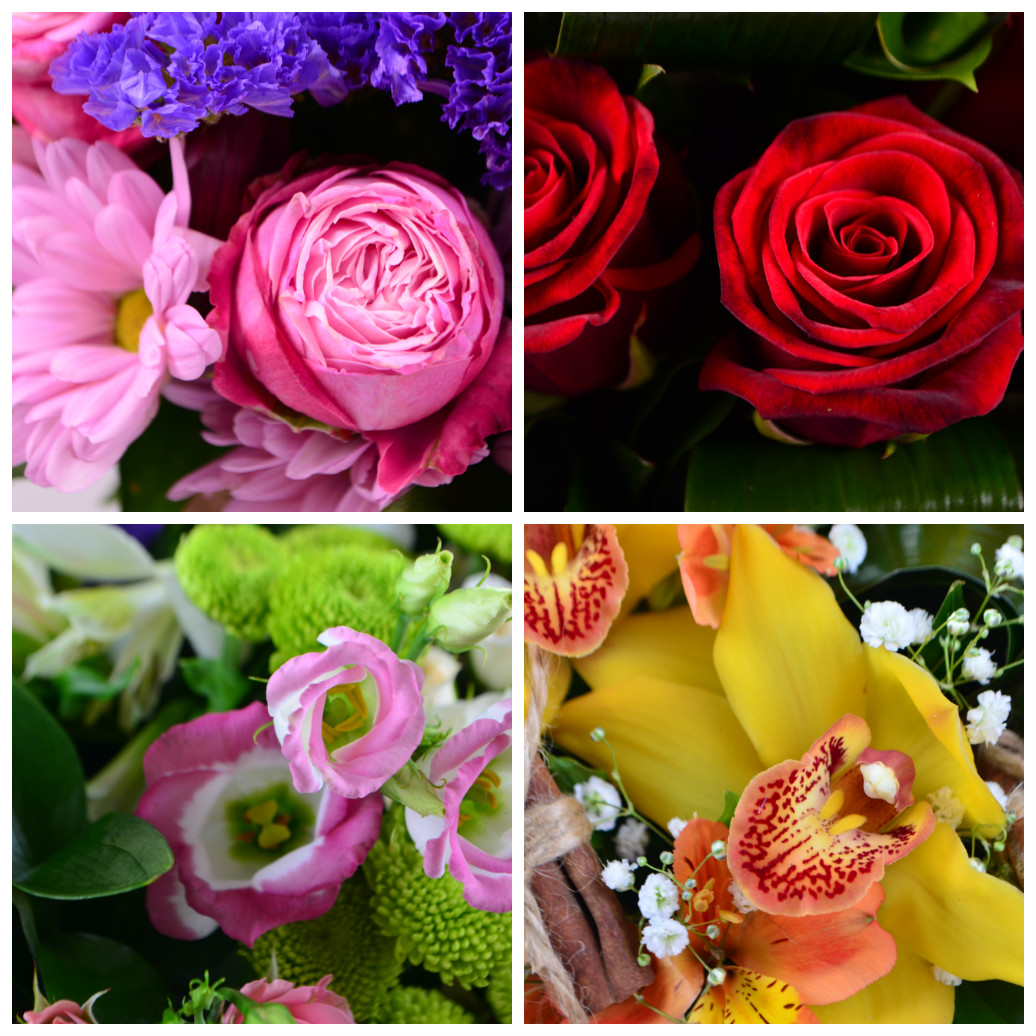
You don’t have to ask directly — it could spoil the surprise. Ask mutual friends or relatives, notice whether they keep fresh flowers at home or sneeze in spring blossom season. If in doubt, choose safer options with little pollen — roses, orchids, tulips or hydrangeas — or a potted plant. You can also ask the florist to remove lily stamens and avoid strongly scented flowers.
Double roses, orchids, hydrangeas, carnations and lisianthus are usually safe. But reactions vary, so it is best to check with the recipient.
It's better to choose other flowers. If you do want lilies, remove the anthers before the buds open.
Strong fragrance more often causes irritation and headaches than true allergy, but it is just as unpleasant for sensitive people.
Move the bouquet out of the room, air the room and see a doctor if symptoms are marked.

Author: Maria Svitlovir
Graduated from Taras Shevchenko National University of Kyiv, Institute of Biology and Medicine (2001). BSc in Biology, MSc in Horticulture. Writes about plants, works at a garden centre selecting and repotting plants, and contributes to plant reference guides.
© Kyiv 2026 UFL Flower Shop

Trademark UFL №191476 is used under license of the rights holder.
All rights reserved. Any use of materials without a link to the site is prohibited.

 Birthday
 Hydrangeas