
 Birthday
 Hydrangeas
A fruit bouquet is a gift that delights twice: first it is admired, then it is eaten. Fruit and berries also feature in classic floristry: tangerines in Christmas arrangements, pomegranates in autumn baskets, sprigs of currants in summer bouquets. We have gathered everything about fruit bouquets in one place: the types, which fruit to choose, how to make an edible bouquet yourself, how to combine fruit with flowers and how not to spoil the gift.
Types of fruit bouquets
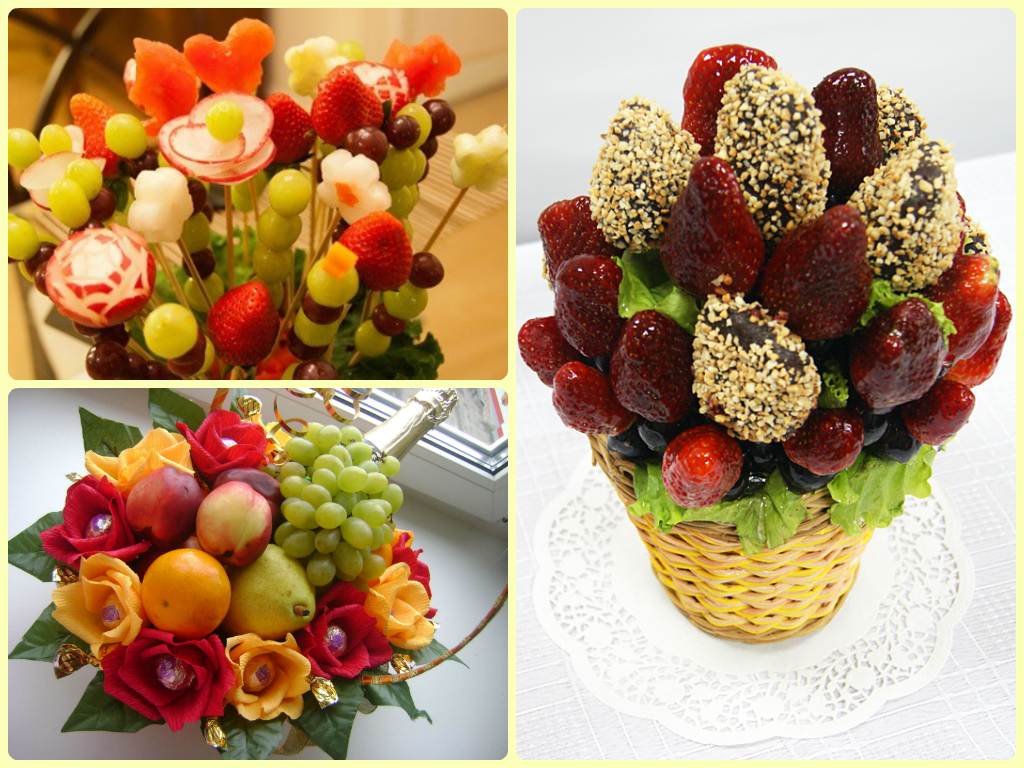
- Edible bouquets — only fruit and berries on skewers, sometimes with chocolate, nuts or herbs. The goal is taste and freshness.
- Flowers with fruit — a classic bouquet with bunches of grapes, mini apples, tangerines or berry sprigs added. Here the fruit is decoration, not food.
- Baskets and boxes — fruit, flowers and sweets in one gift basket, with the edible part kept separate from the flowers.
- Berry bouquets — chocolate-dipped strawberries, blueberries, raspberries; striking, but the shortest-lived.
Which fruit to choose
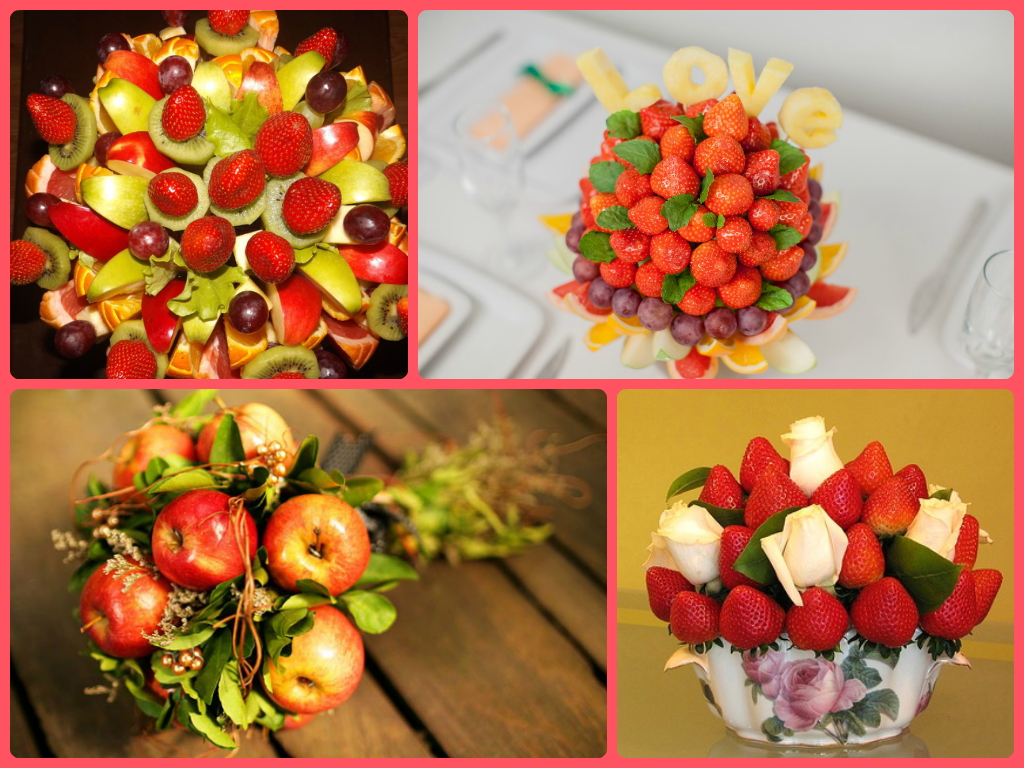
An edible bouquet needs firm fruit that holds its shape on a skewer and doesn't release much juice: strawberries, grapes, tangerines, apples, pears, kiwi, physalis and blueberries. Bananas brown quickly and melons drip, so they are rarely used. Brush cut apples and pears with lemon juice to stop them browning. Hypericum berries, ornamental crab apples and dried citrus slices often seen in flower bouquets are decoration only and are not eaten.
How to make a fruit bouquet yourself
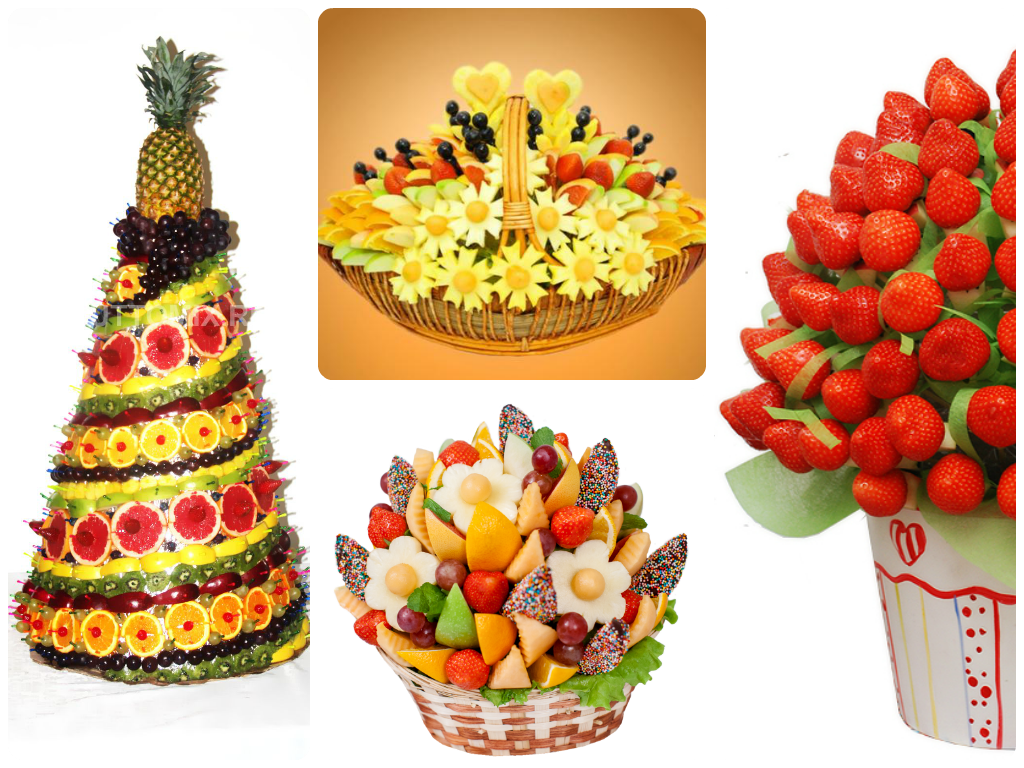
- Prepare a base. A cabbage, a polystyrene cone wrapped in cling film, or simply a bundle of long wooden skewers held together with floral tape.
- Wash and dry the fruit. Wet fruit holds less well and spoils faster.
- Thread the fruit onto skewers. Large pieces on 2–3 skewers, small berries several to a skewer. Start from the centre with the largest pieces.
- Add greenery. Mint, rosemary or lettuce leaves fill the gaps and freshen the look.
- Wrap it. Cling film inside, kraft paper or felt and ribbon outside.
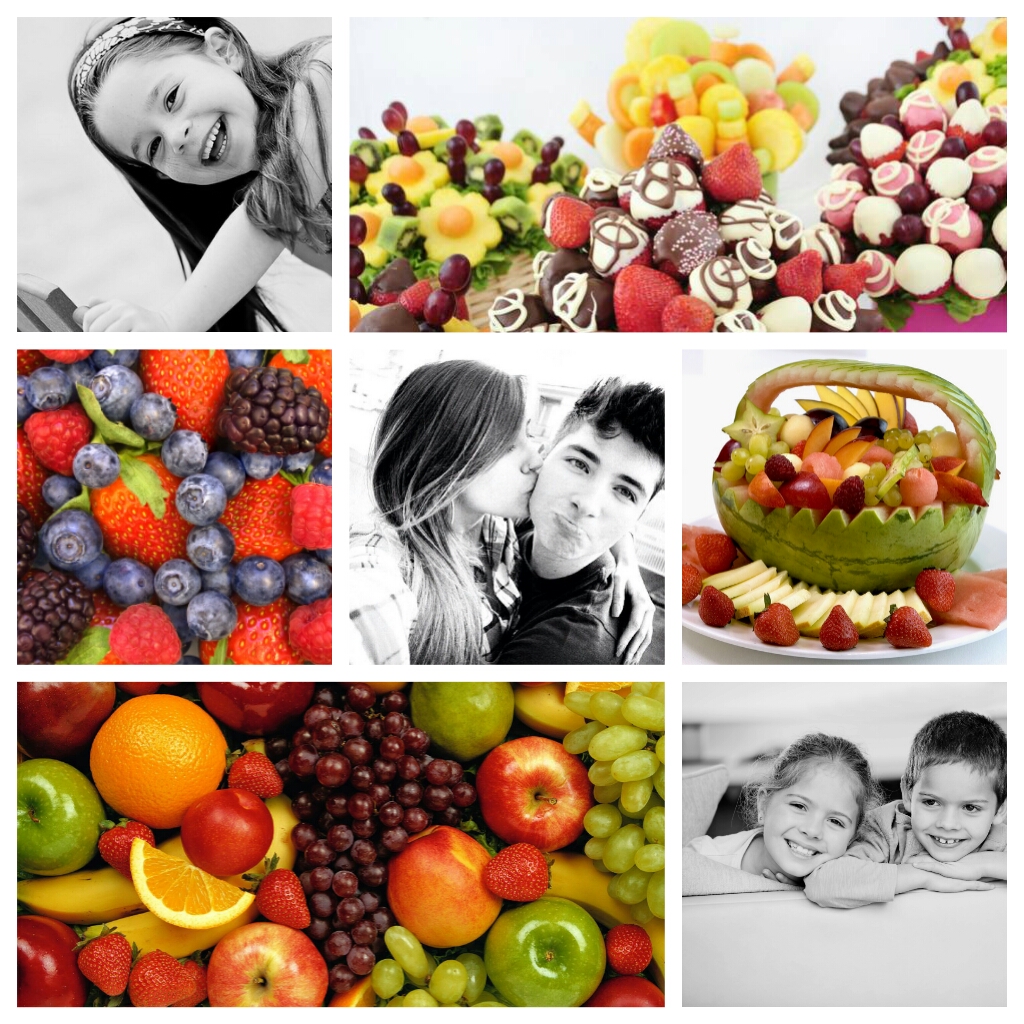
For more edible gift ideas, see unusual bouquet ideas.
Keeping it fresh and safe
.jpg)
- Timing. Assemble an edible bouquet no more than 3–4 hours before giving it and keep it in the fridge.
- Hygiene. Wear gloves, use clean skewers and boards, and wash the fruit in advance.
- Keep flowers separate. If the arrangement includes fresh flowers, separate them from the fruit with film or a box: shop flowers are treated and not meant to be eaten.
- Allergies. Check in advance whether the recipient is allergic to, say, citrus or strawberries.
- Giving. An edible bouquet is handed over in person and eaten the same day.
Fruit in flower arrangements
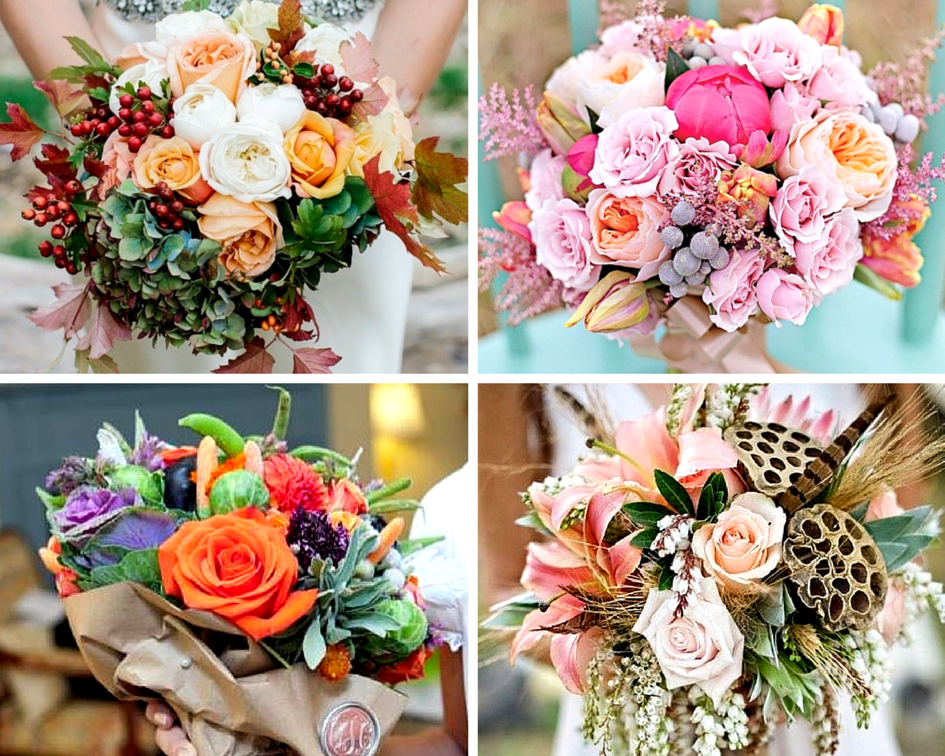
In floristry fruit adds colour and texture. Green grapes freshen white roses, pomegranates and quince add depth to autumn arrangements, and tangerines with cinnamon add festive cheer in winter. Fruit is fixed on skewers into the base or placed in a basket among the flowers. Remember that cut fruit releases ethylene, which speeds up wilting, so avoid adding cut fruit to flower arrangements and replace whole fruit as soon as it starts to spoil.
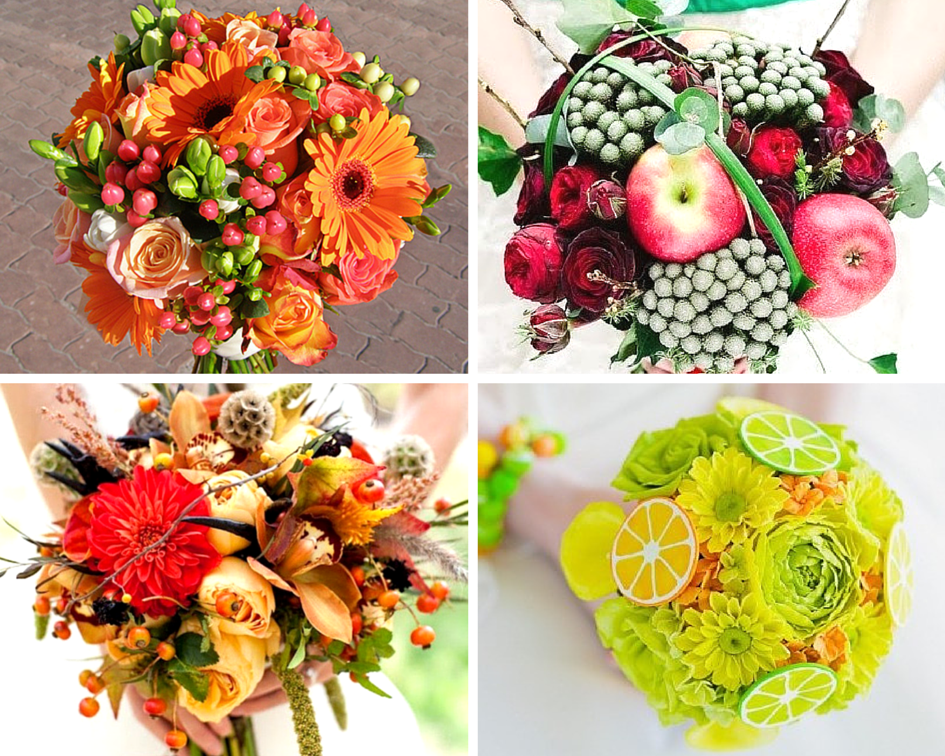
Berries on the stem — currants, blueberries, blackberries — make a summer bouquet especially lively. For colour pairing ideas see fruit and vegetables by colour, and for fun facts see surprising fruit facts.

Who to give one to, and when
.jpg)
- Colleagues and the office — a fruit bouquet is easy to share.
- Children — strawberries, grapes and tangerines, without chocolate and nuts for little ones.
- Men — fruit with cheese, nuts and mint.
- People watching their diet — a bouquet without sugar or chocolate.
- New Year — tangerines, pomegranates and sprigs of evergreen.

Frequently asked questions
How long does a fruit bouquet keep?
A few hours at room temperature and up to a day in the fridge. It is best eaten on the day.
Which fruit doesn't brown in a bouquet?
Strawberries, grapes, tangerines, kiwi and blueberries. Brush cut apples and pears with lemon juice.
Can I eat fruit from a flower bouquet?
No, if it stood alongside shop flowers: the flowers are treated, and decorative fruit may be waxed or preserved.
What can I use as a base for a fruit bouquet?
A cabbage, polystyrene in cling film, or a bundle of wooden skewers.


View full-size photo
Author: Maria Svitlovir
Graduated from Taras Shevchenko National University of Kyiv, Institute of Biology and Medicine (2001). BSc in Biology, MSc in Horticulture. Writes about plants, works at a garden centre selecting and repotting plants, and contributes to plant reference guides.