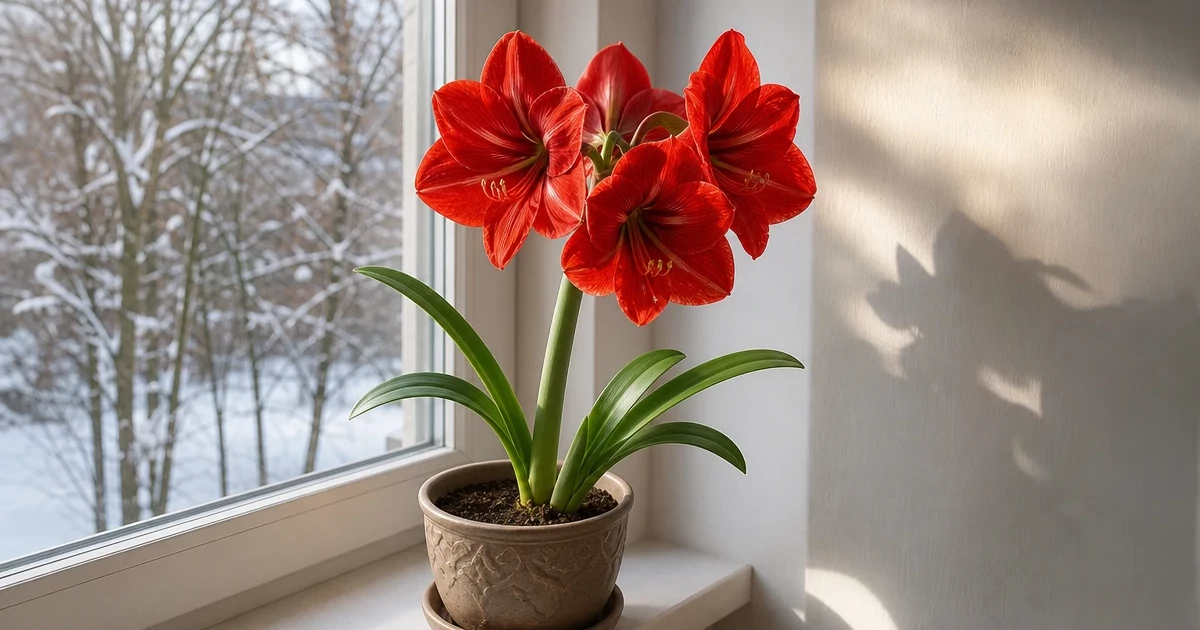
Hippeastrum is a bulb with huge trumpet-shaped flowers on a tall stalk. It is often sold as “amaryllis” and given as a winter gift: a bulb planted in late autumn flowers just in time for the holidays. Here is how to plant a hippeastrum, how to get it to bloom and what to do with the bulb afterwards so it flowers again.
Plants and flowers for the holidays: potted plants and red roses.
Both belong to the amaryllis family and look alike, but they are different genera. Hippeastrum comes from tropical and subtropical America and has around 90 species and countless hybrids. The true amaryllis, Amaryllis belladonna, is from South Africa; it flowers pink in late summer and has a solid, not hollow, stalk. Almost every “amaryllis” sold as a bulb or in a pot is actually a hippeastrum.
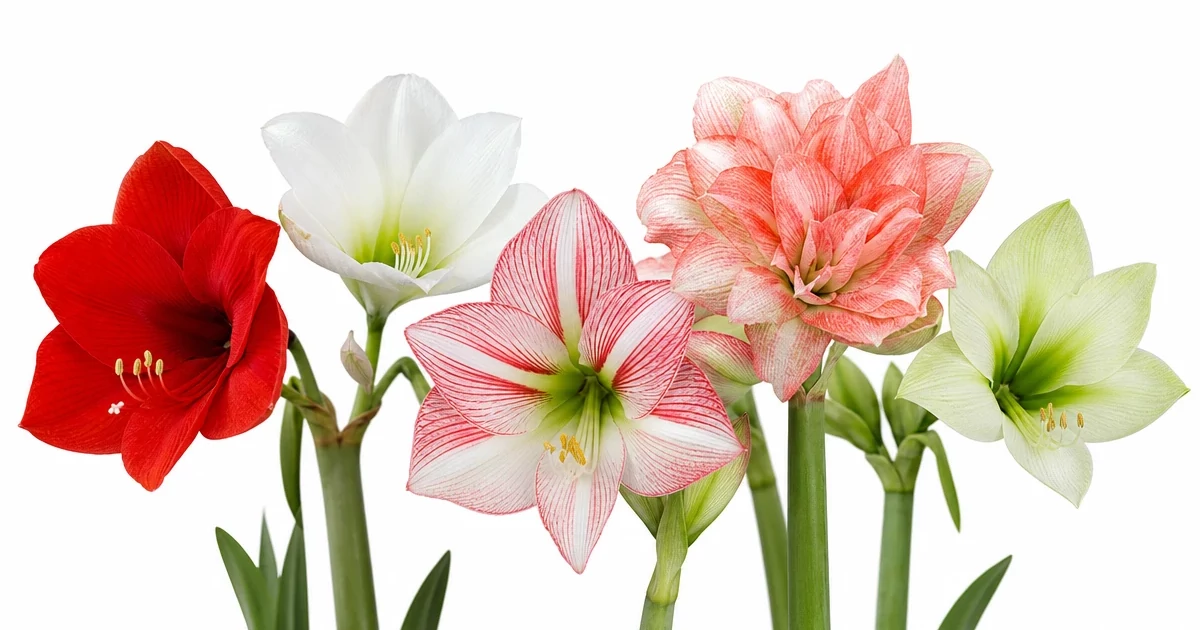
Hippeastrum hybrids come in white, red, pink, salmon, striped and green-centred forms. There are large-flowered, double (several rows of petals), small-flowered and spidery varieties with narrow petals. Well-known cultivars include red 'Red Lion', white-and-pink 'Apple Blossom' and white 'Christmas Gift'.
A hippeastrum usually flowers 6–10 weeks after planting. Keep the pot on a bright windowsill at about 18–22 °C and turn it so the stalk grows straight. Once the buds open, move the plant somewhere cooler and out of direct sun so the flowers last longer. Each stalk usually carries 2–6 flowers, and large bulbs send up two or more stalks.
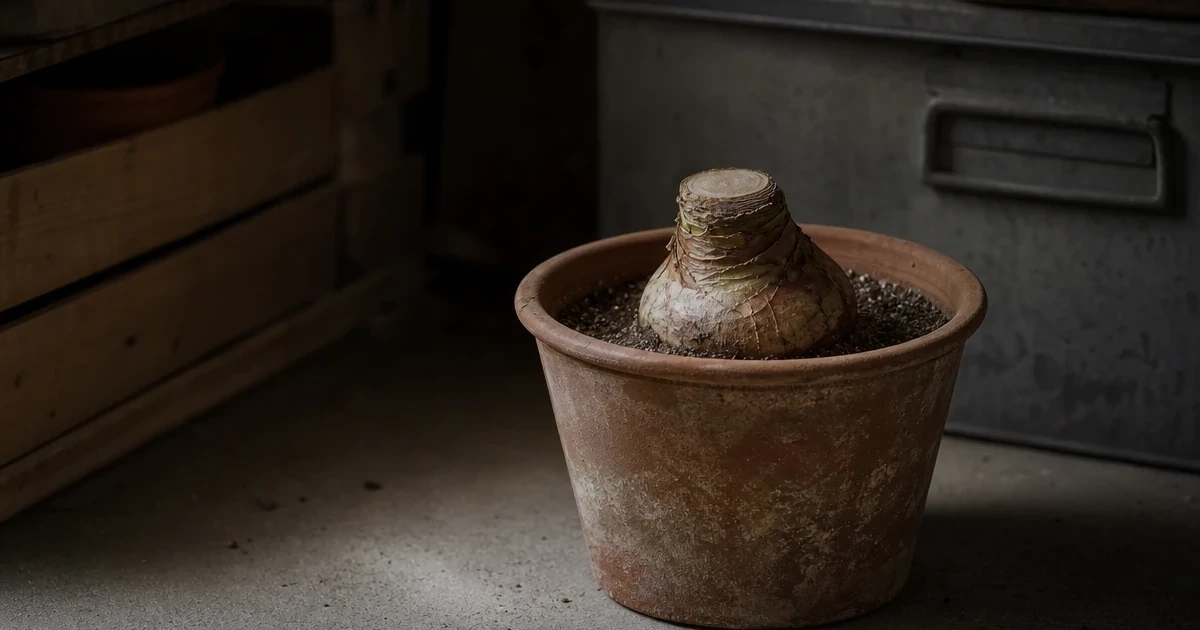
To flower again, a hippeastrum needs a rest. In late summer or early autumn gradually stop watering; when the leaves turn yellow, cut them off and put the pot somewhere cool and dark (about 10–13 °C) for 8–10 weeks. Then bring it back into warmth and light, start watering again and the cycle begins anew. Repot the bulb into fresh compost every 2–3 years.
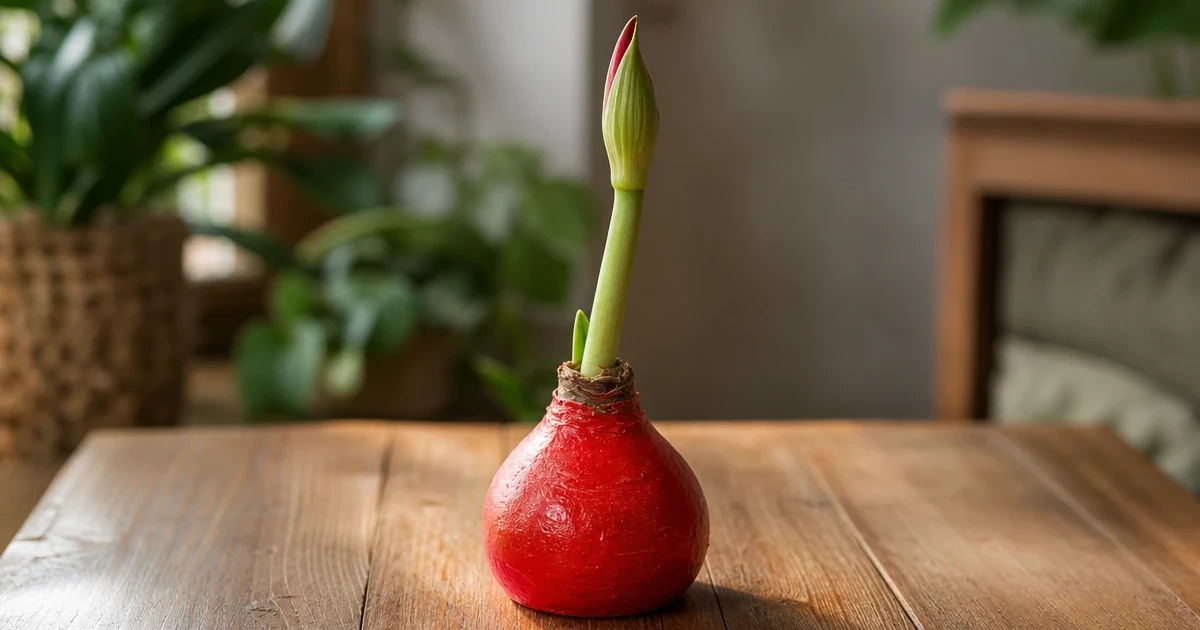
A wax-coated amaryllis is a hippeastrum bulb with no roots or soil, sealed in decorative wax. Everything it needs to flower is already stored in the bulb, so it is never watered or fed: just stand it somewhere bright and warm and turn it now and then so the stem grows straight. It usually flowers within 4–6 weeks.
After flowering you can peel off the wax, check the bulb and, if it is firm and free of rot, pot it up. But the bulb is badly depleted and will not flower again for at least a year, if it recovers at all.
Cut hippeastrum can last up to two weeks in a vase. The stem is hollow, so florists insert a thin stake inside for support or wrap the end with tape to stop it splitting. Change the water often and keep the level low. In winter arrangements hippeastrum pairs well with conifer and bare branches; for holiday ideas see “Christmas in Ukraine”.
The bulbs and other parts of hippeastrum are poisonous to people and pets, so keep the plant away from cats, dogs and children and wash your hands after repotting.
Shops almost always sell hippeastrum as “amaryllis”, but they are different plants of the same family.
So if your holiday “amaryllis” flowers in winter with big blooms, it is a hippeastrum — and all the advice in this article applies to it.
Usually the bulb did not build up enough strength: the leaves were cut right after flowering, the plant was not fed, or it skipped its rest period.
Waxed bulbs or bulbs on a water vase flower from their own reserves, but they are hard to revive afterwards. For years of flowers, grow it in a pot. Another bulb worth growing: “Daffodils”.
Usually once. A large, strong bulb given good care sometimes flowers again a few months later.

Author: Maria Svitlovir
Graduated from Taras Shevchenko National University of Kyiv, Institute of Biology and Medicine (2001). BSc in Biology, MSc in Horticulture. Writes about plants, works at a garden centre selecting and repotting plants, and contributes to plant reference guides.
© Kyiv 2026 UFL Flower Shop

Trademark UFL №191476 is used under license of the rights holder.
All rights reserved. Any use of materials without a link to the site is prohibited.


 Birthday
 Hydrangeas