
 Birthday
 Hydrangeas
A beautiful garden does not have to mean daily weeding and watering. Choose the right plants and techniques from the start, and upkeep shrinks to a couple of hours a week in season. Here are the principles of a low-maintenance garden, a list of easy plants for Ukraine's climate and ideas that genuinely save time.
Key principles of a low-maintenance garden
- No bare soil. Exposed soil quickly fills with weeds and dries out. Cover it with mulch (bark, wood chips, grass clippings) or ground-cover plants.
- Perennials instead of annuals. No sowing and planting every year — just divide overgrown clumps every 3–5 years.
- Right plant, right place. Shade lovers in sun, or the reverse, need constant attention and still struggle.
- Automatic watering. Drip line on a timer delivers water to the roots and uses less than sprinklers.
- Less lawn. A classic lawn needs weekly mowing. Replace part of it with a flowering meadow, gravel garden or ground cover.
- Big groups. Five to seven plants of one kind look better and are easier to look after than a "collection" of singles.
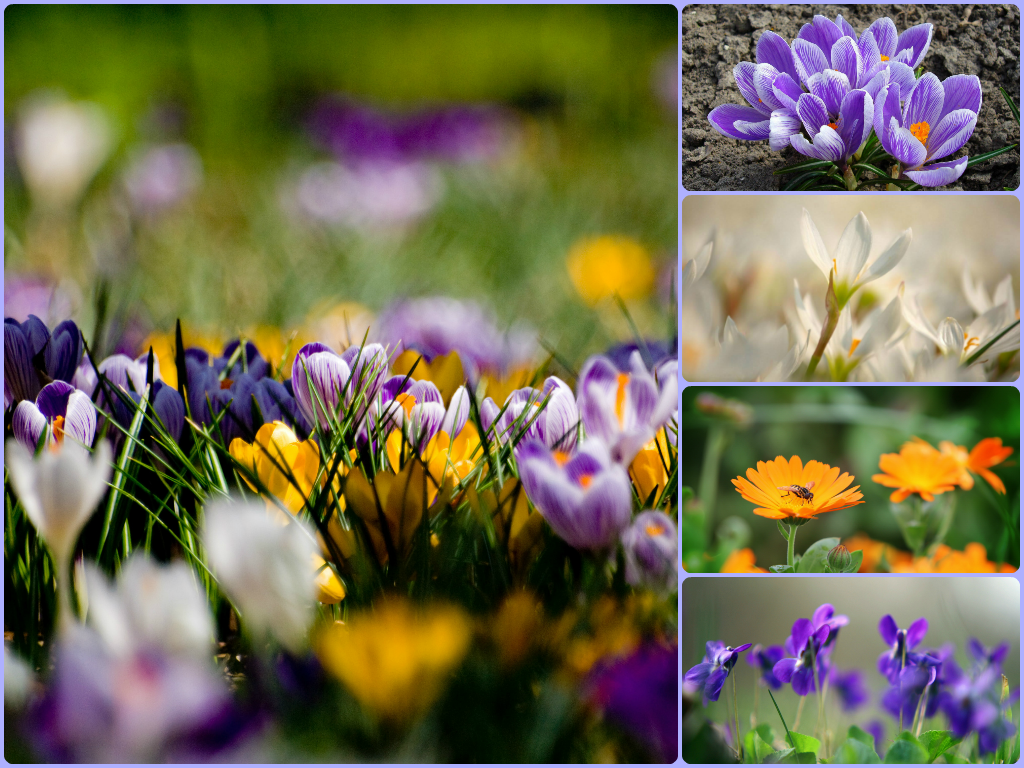
Easy plants for Ukraine's climate
For sun
- Daylily — grows almost anywhere, flowers June to August.
- Echinacea and rudbeckia — drought-tolerant, flower into autumn and attract butterflies.
- Catmint, woodland sage, yarrow — long flowering with minimal watering.
- Sedum — succulent leaves cope with heat, followed by pink flower heads in autumn.
- Ornamental grasses — miscanthus, blue fescue: trouble-free and attractive even in winter.
.png)
For part shade and shade
- Hosta — dozens of varieties with different leaf colours; the main task is protecting them from slugs.
- Astilbe — feathery plumes in June–July; likes moisture.
- Heuchera — bright foliage from lime to burgundy all season.
- Hardy geranium — covers the ground quickly and flowers in waves.
- Periwinkle — evergreen ground cover under trees.
Shrubs
- Spiraea — spring or summer flowers, trimmed once a year.
- Shrubby potentilla — flowers from June until the frosts.
- Panicle hydrangea — hardy and flowers even if pruned imperfectly.
For long-flowering plants see flowers that bloom all summer, and for cold gardens frost-hardy plants.
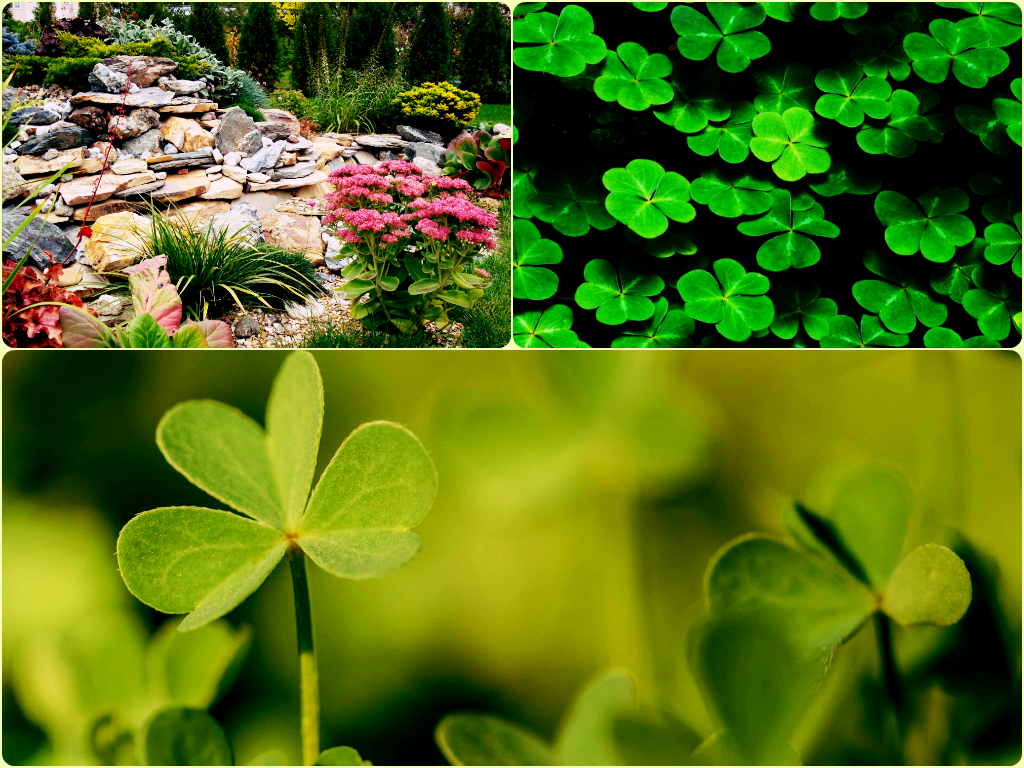
Ideas that save time
- Gravel garden. Drought-tolerant perennials and grasses in gravel mulch need almost no watering or weeding.
- Flowering meadow lawn. A mix of grasses and annual flowers mown once or twice a season.
- Raised beds and containers. Less bending and easier soil control; for vertical interest see climbing plants.
- Lawn edging. Separates lawn from borders so grass cannot creep into the beds.
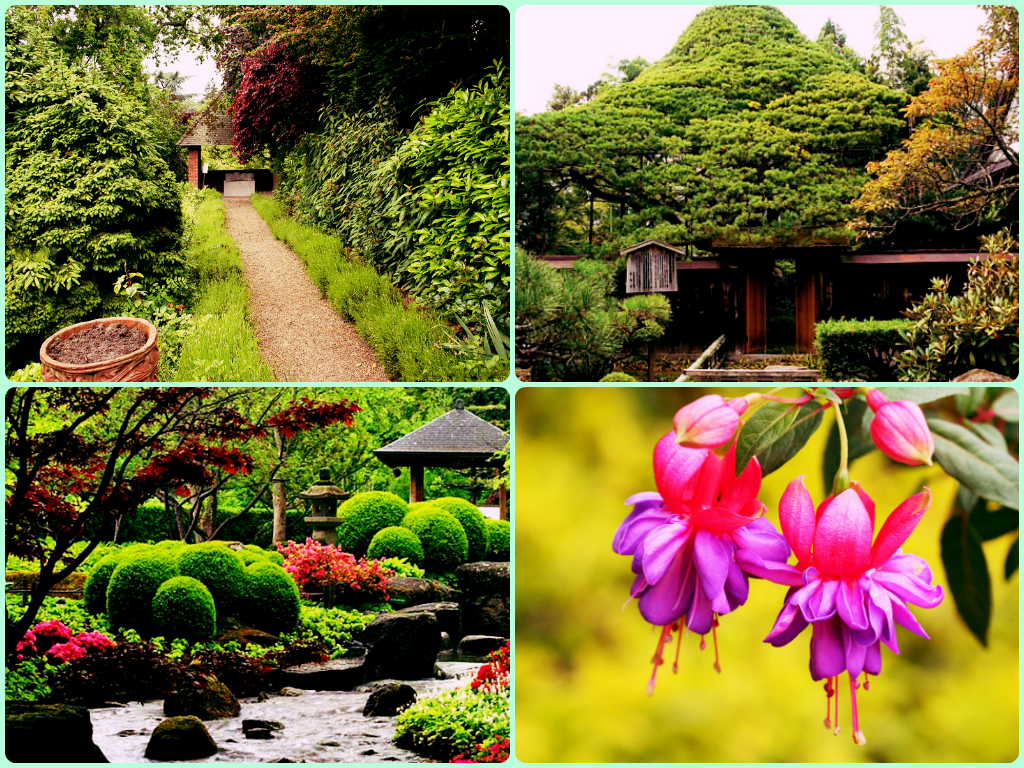
A minimal care calendar
- Spring: clear dead stems, top up mulch, apply slow-release fertiliser.
- Summer: check the drip line, pull the odd weed, deadhead if you like.
- Autumn: plant and divide perennials; leave dry stems of grasses and echinacea over winter for birds and insects.
FAQ
Which flowers need no watering?
Few plants manage with no water at all, but once established sedum, yarrow, catmint, echinacea and ornamental grasses tolerate drought.
How much time does this kind of garden take?
After the first season, usually 1–2 hours a week during the growing season.

View full-size photo
Author: Maria Svitlovir
Graduated from Taras Shevchenko National University of Kyiv, Institute of Biology and Medicine (2001). BSc in Biology, MSc in Horticulture. Writes about plants, works at a garden centre selecting and repotting plants, and contributes to plant reference guides.


