
 Birthday
 Hydrangeas
People ask which flowers should not be kept at home for two reasons: superstition and safety. Superstitions are easy to deal with, since there is no scientific evidence behind them. Poisonous houseplants, however, are real, and if you have small children, cats or dogs, it pays to choose your greenery carefully. Here is which plants are truly dangerous and to whom, how to keep them, what to grow instead and what to do if a child or pet eats something.
Which houseplants are dangerous
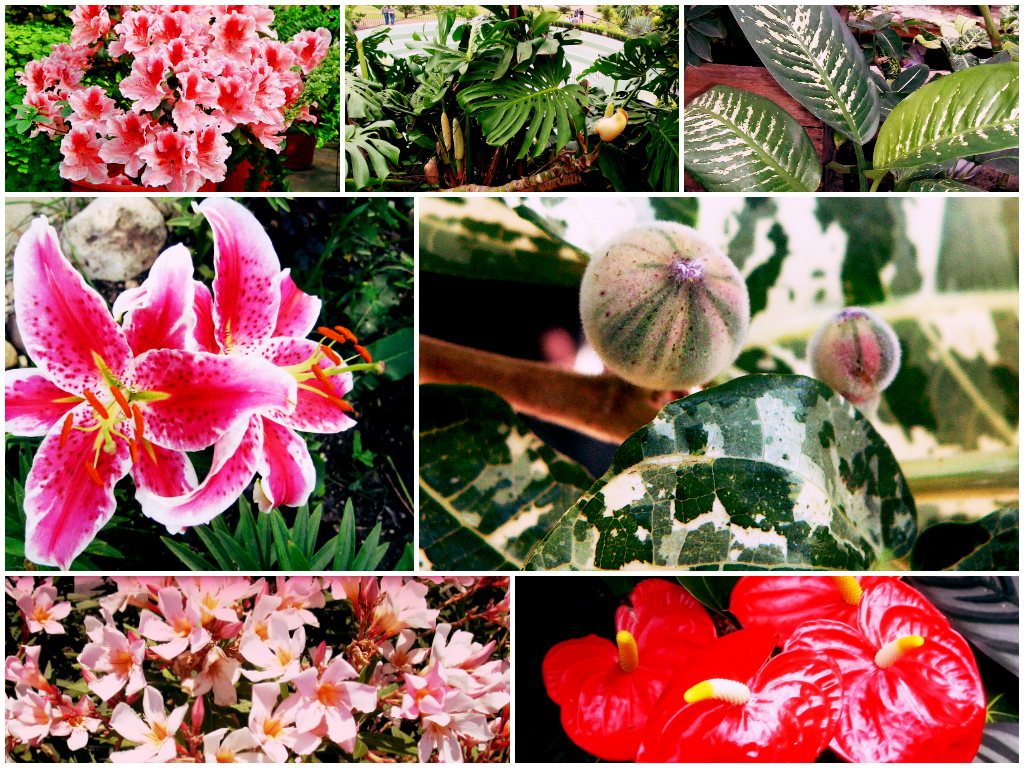
Most common houseplants are not deadly, but they can cause a burning mouth, vomiting or skin irritation. A few species need special care:
- Oleander and adenium (desert rose) contain cardiac glycosides. Poisoning is dangerous for people and animals alike; keep them where nobody can reach the leaves or flowers.
- Sago palm (cycad) is especially dangerous for dogs: all parts, and above all the seeds, damage the liver.
- Lilies (and daylilies) are deadly to cats: even pollen licked off the fur or water from the vase can cause acute kidney failure. If you have a cat, do not keep lilies in the house at all.
- Azalea (rhododendron) contains grayanotoxins, which cause vomiting, weakness and heart rhythm problems.
Plants that burn and irritate
The largest group is the aroids: dieffenbachia, monstera, philodendron, peace lily, alocasia, ZZ plant, anthurium and calla lily. Their tissues contain needle-shaped calcium oxalate crystals. Biting a leaf causes intense burning and swelling in the mouth and heavy drooling. Serious poisoning is rare because the pain stops the eater at once, but it is best to keep these plants out of reach of toddlers and pets.
The milky sap of euphorbias (including poinsettia) and croton irritates the skin and especially the eyes, so wear gloves when repotting or pruning. Poinsettia's toxicity is often exaggerated, though: it usually causes no more than an upset stomach.
Plants with mild toxicity include aloe (for cats and dogs), kalanchoe, ivy, clivia, amaryllis and hippeastrum (especially the bulbs). We have written about poisonous garden and wild species in the most poisonous flowers and poisonous plants of Ukraine.

Safe plants for homes with children and pets
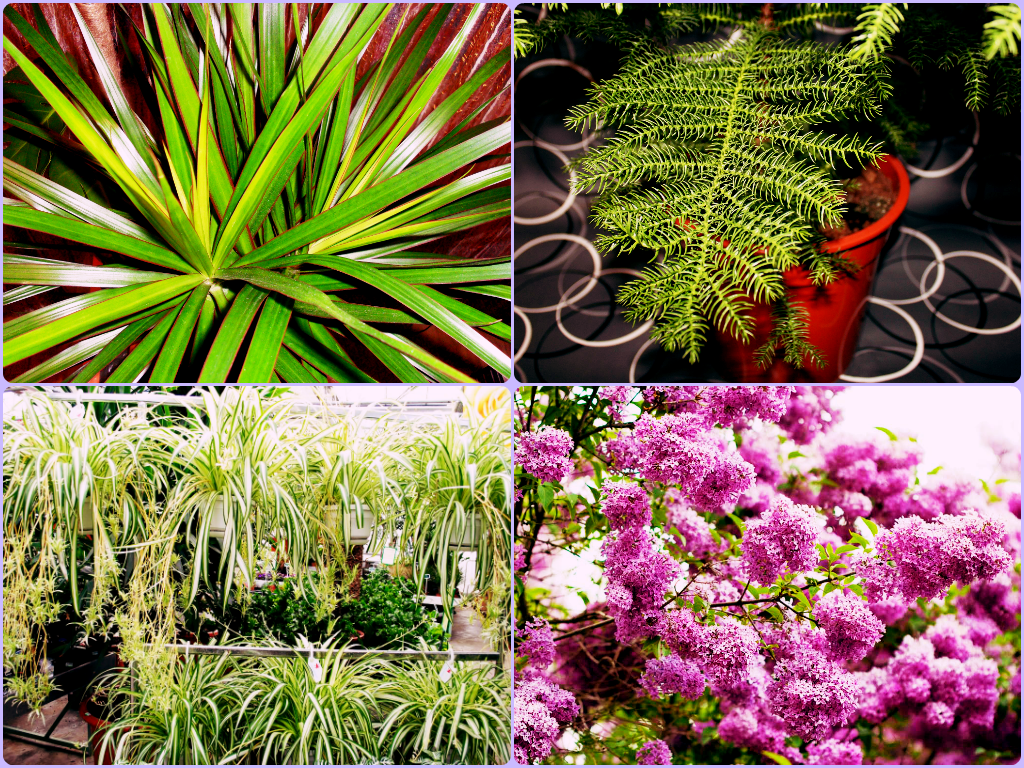
If your pet likes to chew leaves, choose species considered non-toxic to cats and dogs: spider plant, calatheas and marantas, peperomias, African violets, Boston fern, parlour palm, pilea, haworthia and phalaenopsis orchids. Even a safe plant can cause a mild upset stomach if eaten in quantity, so offer cats some cat grass instead. For attractive options, see foliage houseplants.
How to keep potentially dangerous plants
- Place them on high shelves, in hanging planters or in rooms children and pets cannot enter.
- Pick up fallen leaves, flowers and berries straight away.
- Prune and repot plants with irritating sap wearing gloves, then wash your hands and tools.
- Label your pots or keep photos with plant names on your phone; in an emergency this saves time.
- Do not place bouquets with lilies, lily of the valley or daffodils where a cat can reach them.
What to do if a child or pet eats a plant
- Remove any plant material from the mouth and rinse the mouth with water.
- Do not induce vomiting yourself or give home remedies.
- Identify the plant: its name, a photo, which part and how much was eaten.
- For a child, call your doctor or emergency services (103 in Ukraine), immediately if there is difficulty breathing, swelling, seizures or drowsiness. For a pet, go straight to the vet, especially if it is a cat and a lily or a dog and a sago palm.
Superstitions and myths you can ignore
- "Husband-chasers" and "widow plants": ivy, pothos, tradescantia and cacti. These are superstitions; plants do not affect relationships.
- "Energy vampires": a label sometimes given to monstera. There is no scientific evidence of plant "energy"; monstera is mildly toxic, but that is a different matter.
- "Plants steal oxygen at night": plants do respire at night, but the oxygen they use is negligible compared with one person's consumption.
- "Dried and artificial flowers bring bad luck": their only real drawback is that they collect dust.
The real issues to consider are allergies and strong scents: lilies, hyacinths and some other flowers in a bedroom can cause headaches. See allergenic houseplants, and for plant symbolism in interiors, feng shui houseplants.
Frequently asked questions
What is the most dangerous flower for cats?
Lilies: even a small amount of pollen or leaf can lead to kidney failure.
Can I keep a monstera in a home with a child?
Yes, if the child cannot reach the leaves: the sap causes a burning mouth, but serious poisoning is rare.
Is the jade plant (money tree) poisonous?
Hardly for people, but it can cause vomiting in cats and dogs.
Which plants are fine for a bedroom?
Plants without a strong scent: spider plant, snake plant, peperomia and phalaenopsis.

View full-size photo
Author: Maria Svitlovir
Graduated from Taras Shevchenko National University of Kyiv, Institute of Biology and Medicine (2001). BSc in Biology, MSc in Horticulture. Writes about plants, works at a garden centre selecting and repotting plants, and contributes to plant reference guides.