UFL logo

How to Choose a Pot for a Houseplant: Size, Material, Drainage

ID:
1666
Total views:
7217
Category:
Published:
Updated:


The right pot is half the battle in houseplant care. Its size, material and drainage determine how quickly the soil dries, whether the roots can breathe and whether the plant thrives or struggles. Here is how to choose a pot when you buy a plant or repot it.

Plants in beautiful pots: potted plants.

Plant pots
View full-size photo

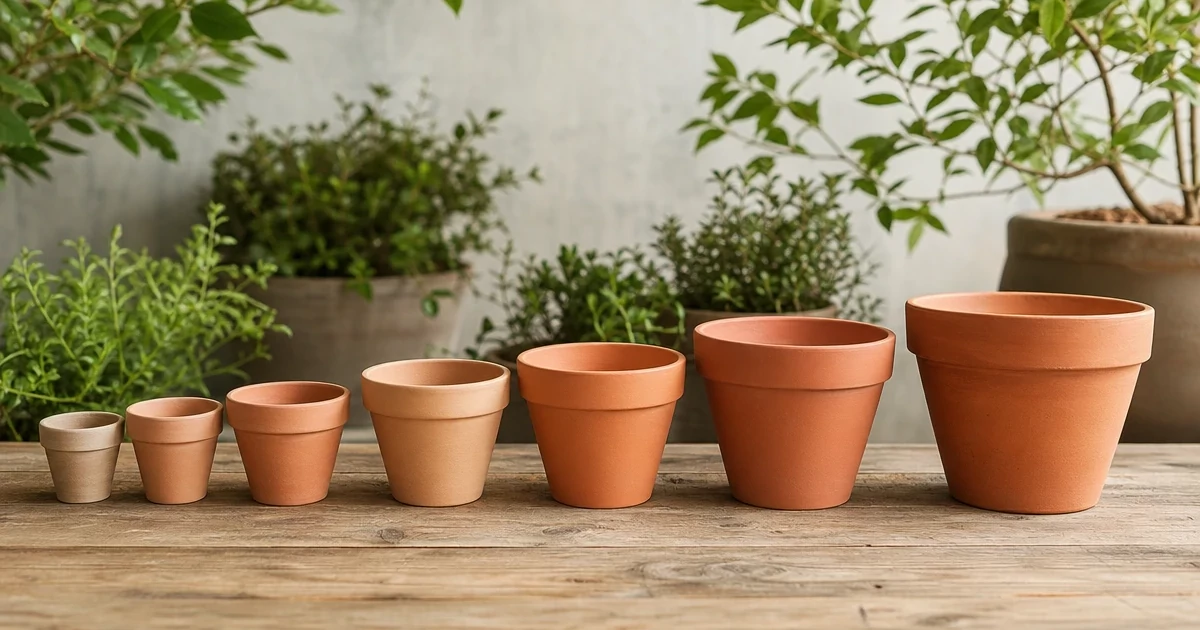
Size: no bigger than needed

The most common mistake is moving a small plant into a huge pot “to grow into”. The roots cannot fill the extra volume, the soil stays wet for too long and rot sets in. When repotting, go 2–3 cm wider for small plants and 4–5 cm wider for large ones.

Pot size: a rough guide

Use the plant's height including foliage as your guide. Volumes are approximate and depend on the pot shape.

PlantPot diameterVolume
Rooted cutting, small succulent6–9 cm0.2–0.5 L
Plant up to 30 cm12–14 cm1–1.5 L
Plant 40–70 cm17–21 cm2.5–4.5 L
Plant around 1 m24–28 cm6–10 L
Floor plant from 1.5 m30 cm or more12 L or more

If roots poke out of the drainage holes and water runs straight through after watering, it is time to go up one pot size.

Pot size: a rough guide
View full-size photo

Drainage holes are a must

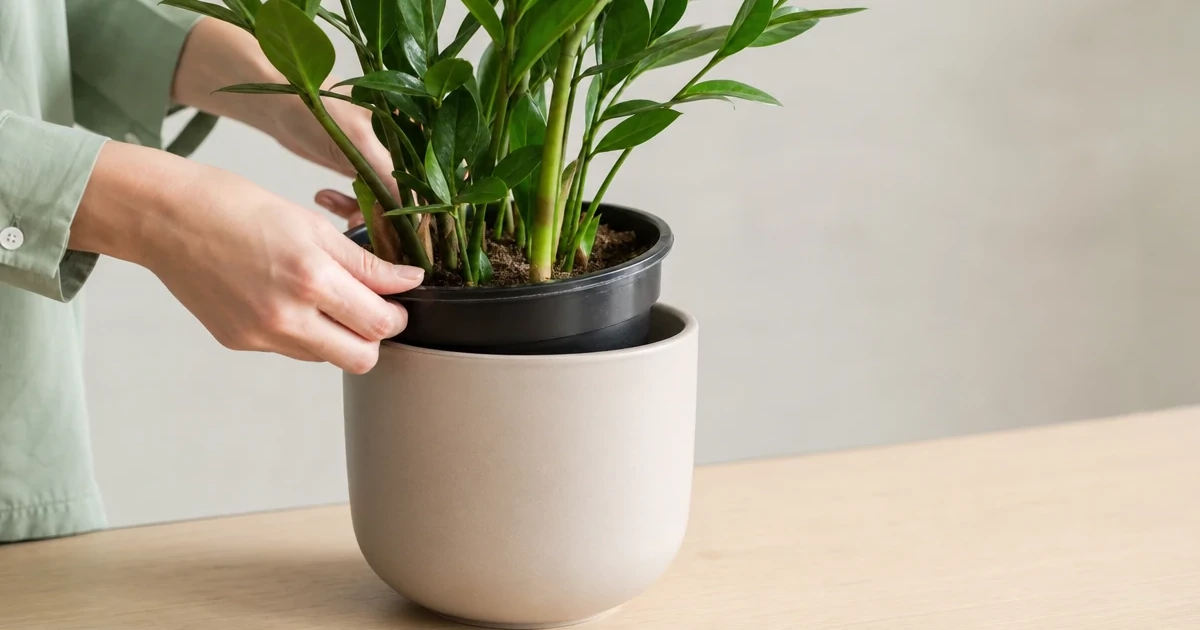
Excess water has to be able to escape. If the pot you love has no holes, use it as a cover pot: plant into a plain nursery pot with holes, stand it inside and tip out any water that collects after watering. A layer of gravel in a pot without holes does not prevent waterlogging.

Material

Pot materialsPlasticlight, cheapsoil dries slowlyGlazed ceramicstable, attractiveholds moisture like plasticTerracottaporoussoil dries fasterConcrete, stoneheavy, stablefor large plants
How pot material affects watering
  • Plastic is light and cheap, and the soil dries more slowly. Good for moisture lovers.
  • Glazed ceramic is stable and decorative and behaves much like plastic.
  • Unglazed terracotta lets air and water through its walls, so the soil dries faster. Ideal for cacti, succulents and plants that hate wet feet.
  • Concrete and stone are heavy and suit large plants and floor displays.

Ceramic pots
View full-size photo

Shape

  • Wide and shallow for shallow-rooted plants: succulents, azaleas, prayer plants, bonsai.
  • Standard (height about equal to width) for most houseplants.
  • Tall and narrow for plants with long taproots and for large palms.
  • A wide, stable base for tall plants so the pot does not tip over.

Plants in pots of different shapes
View full-size photo

Pot types: hanging, clear, nursery and balcony pots

  • Nursery pots are plain plastic pots with large holes. Plants are grown and sold in them, and for display they go inside a cover pot.
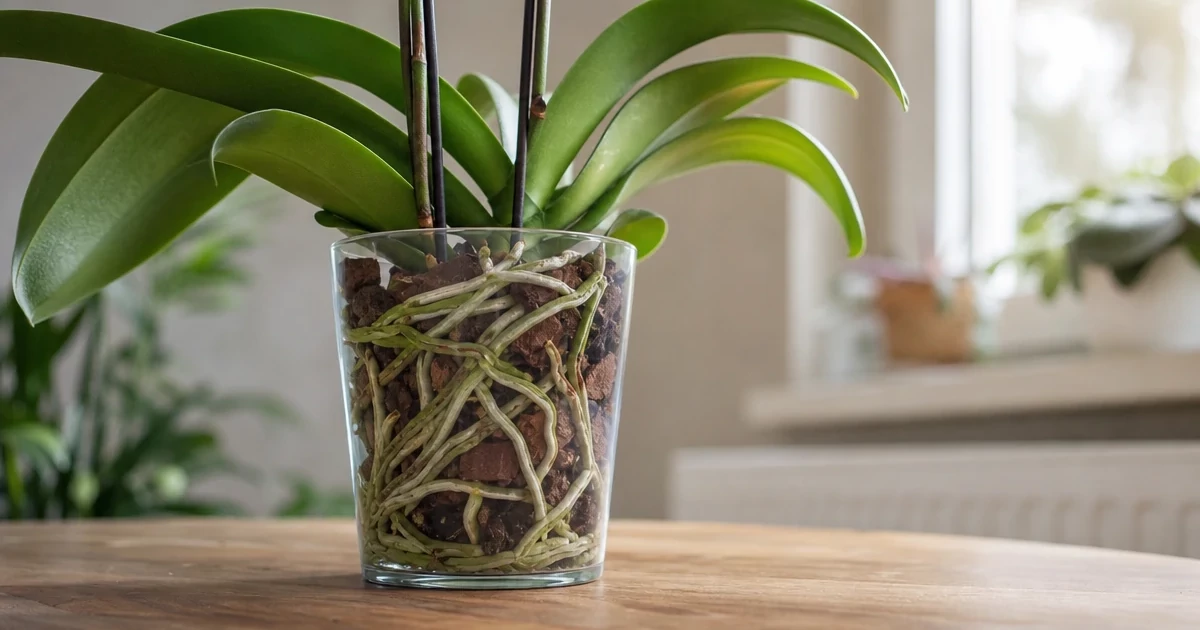
  • Clear pots suit phalaenopsis orchids: their roots photosynthesise, and you can see through the walls when to water.
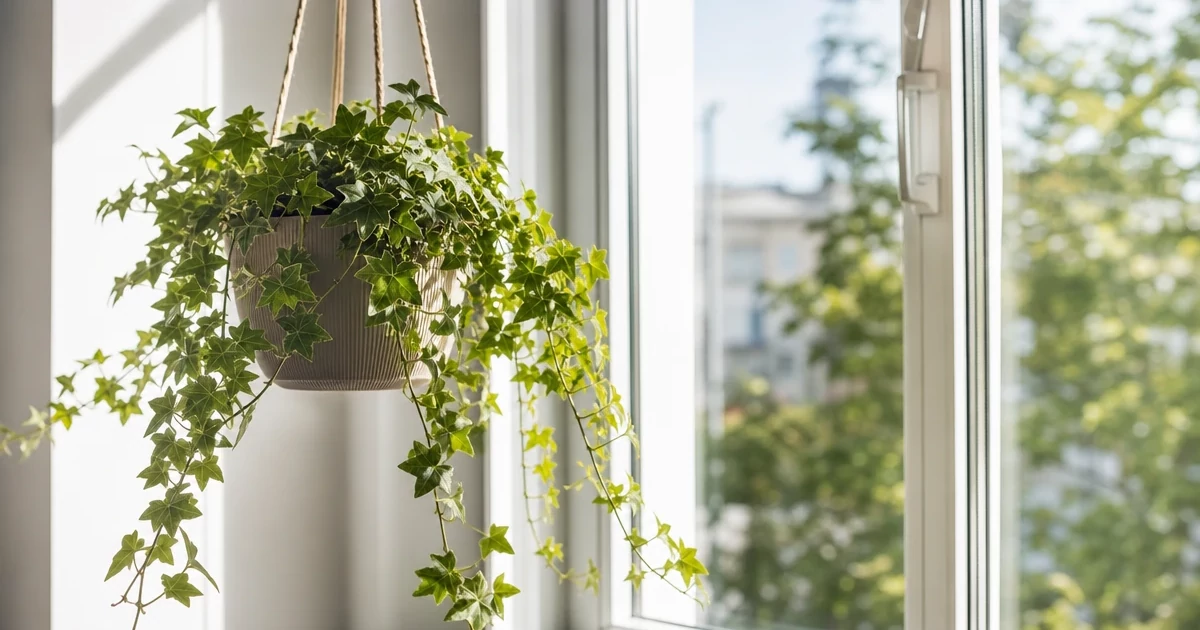
  • Hanging pots suit trailing plants such as tradescantia, spider plant, pothos and ivy. The soil dries faster because it is warmer up high.
  • Long balcony troughs suit herbs, petunias and pelargoniums; they need holes and a drip tray.
  • Clay and ceramic pots are heavy and stable, good for tall plants; for outdoor use choose frost-proof ceramic.

Pot types: hanging, clear, nursery and balcony pots
View full-size photo

Pot types: hanging, clear, nursery and balcony pots
View full-size photo

Pot types: hanging, clear, nursery and balcony pots
View full-size photo

Pots, cover pots and self-watering

A cover pot (cachepot) is a decorative container without holes that holds the actual pot. It protects sills and furniture, but do not leave water in it for more than 15–20 minutes after watering. Self-watering pots are handy for moisture lovers and for holidays but are not for cacti and succulents. For holiday care, see “Watering houseplants”.

Before planting

  • Wash a new pot; scrub and disinfect an old one so you do not pass on disease.
  • Soak terracotta for an hour before planting, or it will pull water out of the fresh compost.
  • Dark pots on a sunny windowsill get very hot, which can stress the roots.

Step-by-step repotting is covered in “Repotting houseplants”, and pot makeover ideas in “DIY flower pot decorating”.

Pot for a houseplant
View full-size photo

Moving a plant into its new pot

  1. Water the plant the day before so the root ball slides out in one piece.
  2. Put a layer of fresh soil in the new pot so the base of the stem sits 1–2 cm below the rim.
  3. Turn the old pot over, holding the plant at its base, and ease it out. A plastic pot can be squeezed gently.
  4. Set the plant in the centre, fill soil around the sides and firm it lightly without packing it down.
  5. Water moderately and keep the plant out of direct sun for a week.

Spring, when active growth begins, is the best time. For full instructions, see our guide on how to repot a houseplant.

FAQ

Do I need gravel at the bottom of the pot?

It does not replace drainage holes. In a pot with holes a thin layer is fine, but what matters is that water can drain out.

What pot is best for an orchid?

For phalaenopsis, clear plastic pots with plenty of holes work well: you can see the roots through the sides.

Why do orchids grow in clear pots?

Phalaenopsis roots are green and photosynthesise, so light benefits them. Clear walls also show the root colour: silvery roots mean it is time to water.

Author: Maria Svitlovir

Graduated from Taras Shevchenko National University of Kyiv, Institute of Biology and Medicine (2001). BSc in Biology, MSc in Horticulture. Writes about plants, works at a garden centre selecting and repotting plants, and contributes to plant reference guides.