
 Birthday
 Hydrangeas
Repotting is one of the most stressful moments in a houseplant's life — and one of the most common reasons plants die. Here is how to tell a plant needs more room, when and into what to repot, how to do it step by step, and which popular tips actually do harm.
You can choose a plant to repot or give as a gift in our houseplants section.
Signs it's time to repot
- Roots grow out of the drainage holes or circle the root ball.
- Water runs straight into the saucer: there is hardly any soil left.
- The compost dries out in 1–2 days when it used to stay moist for longer.
- The plant topples over — the pot has become too light for it.
- There is a white salt crust on the surface and growth has stopped.
Young plants are usually repotted every year, mature ones every 2–3 years; large tub plants even less often, with just the top layer of compost replaced.

When to repot
- Spring is best, as the plant comes out of winter rest and starts growing.
- Don't repot while flowering unless there's an emergency (rot, a broken pot).
- After buying a plant, give it 2–3 weeks to settle in. Nursery compost isn't always bad: if the plant is healthy, repotting can wait until spring, and flowering plants are repotted after blooming.
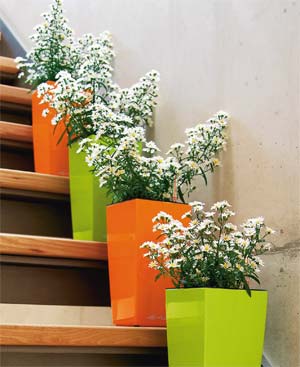
Pot and compost
- Size. The new pot should be 2–3 cm wider than the old one. An oversized pot is a common mistake: the extra compost stays wet and roots rot.
- Drainage holes are essential. Use pots without holes only as decorative outer covers.
- Clay or plastic. Terracotta breathes and dries faster — good for succulents; plastic holds moisture longer.
- Compost to suit the plant. Multi-purpose with perlite for most, gritty mix for cacti and succulents, bark for orchids, ericaceous for azaleas.
Step-by-step repotting
- Water the plant the day before — a moist root ball slides out more easily and holds together.
- Prepare the new pot: cover the hole with mesh or a crock so compost doesn't wash out, and add a little fresh compost.
- Ease the plant out, turning the pot over and supporting the stems at the base. Squeeze a plastic pot gently if needed.
- Check the roots. Healthy roots are pale and firm; cut away dark, mushy, smelly ones with clean scissors. Gently tease out a dense mat of roots.
- Set the plant at the same depth it grew at before. A buried stem or crown soon rots.
- Fill in around the sides, firming lightly and tapping the pot on the table to remove air pockets.
- Water until it runs into the saucer, then empty the excess.
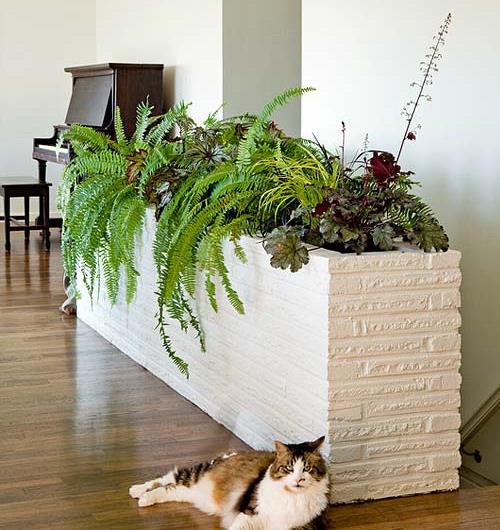
Potting on or full compost change
- Potting on — moving the plant into a larger pot with its root ball intact, barely disturbing the roots. The gentlest method for healthy plants.
- Replacing the compost completely is needed if roots have rotted, pests have moved in or the compost is exhausted.
Tips that do harm
- "Add a thick layer of gravel or clay pebbles at the bottom." Research shows such a layer doesn't improve drainage: water collects above it, raising the wet zone closer to the roots. What matters is drainage holes and the right compost.
- "Feed straight after repotting." Fresh compost contains nutrients, and damaged roots don't cope well with fertiliser. Wait 4–6 weeks.
- "Repot as soon as you buy it." Only if there's an obvious problem; otherwise let the plant adjust.

Aftercare
Keep the plant out of direct sun for a week, water moderately and don't feed. Slight wilting in the first days is normal — the roots need time to recover. For watering tips, see our houseplant watering guide.
FAQ
Can I repot in autumn or winter?
Only in an emergency: rot, a broken pot or pests. Otherwise wait until spring.
What if my plant droops after repotting?
Move it into shade, don't water again until the top of the compost is dry, and give it 1–2 weeks to recover.

View full-size photo
Author: Maria Svitlovir
Graduated from Taras Shevchenko National University of Kyiv, Institute of Biology and Medicine (2001). BSc in Biology, MSc in Horticulture. Writes about plants, works at a garden centre selecting and repotting plants, and contributes to plant reference guides.


