Iceland moss is not actually a moss but a lichen, Iceland cetraria (Cetraria islandica), used for centuries in Northern European folk medicine for coughs and sore throats. Today its extract is found in pharmacy lozenges and syrups, and the lichen itself is sold as a herbal raw material.
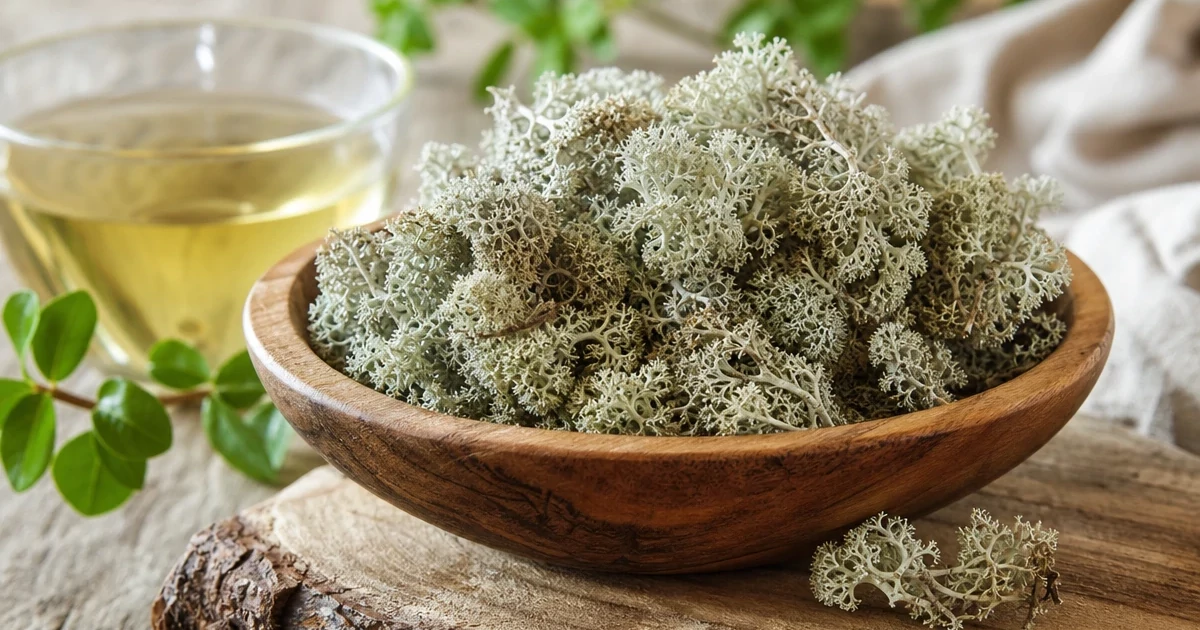
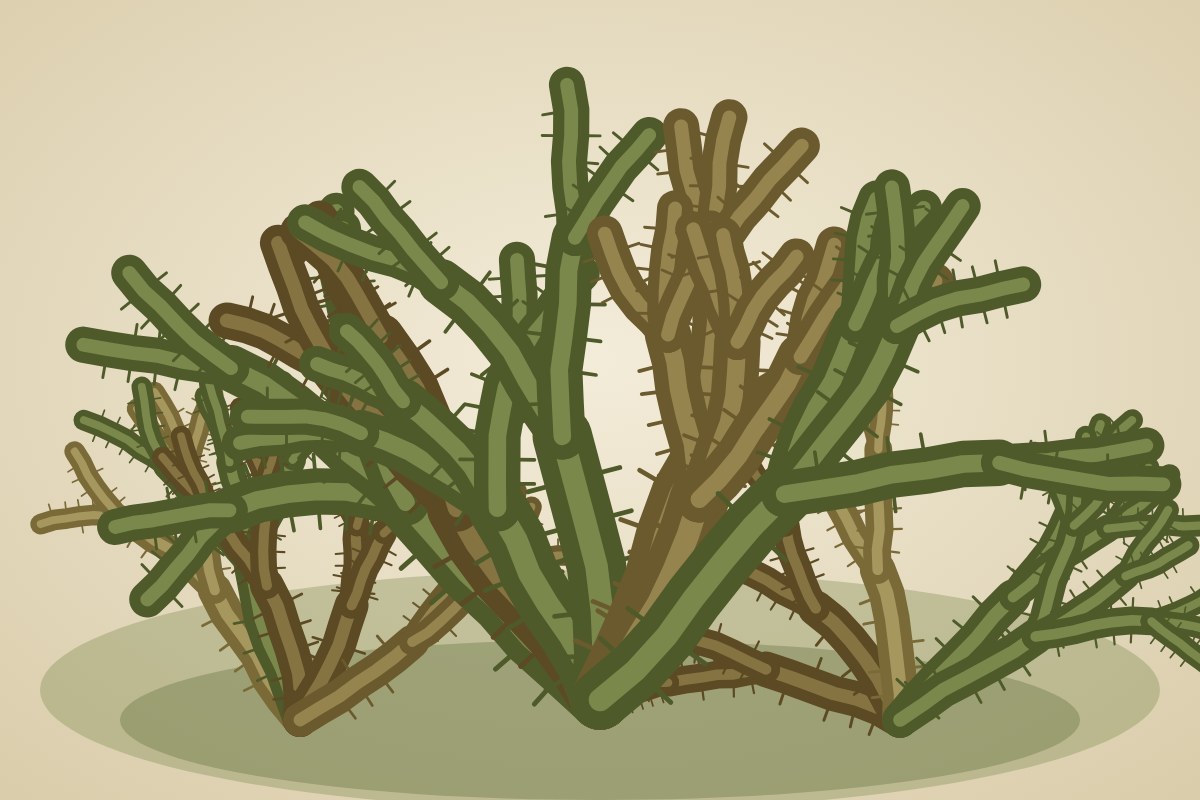
Illustration 1. Iceland moss: olive-brown lobes fringed with tiny hairs.
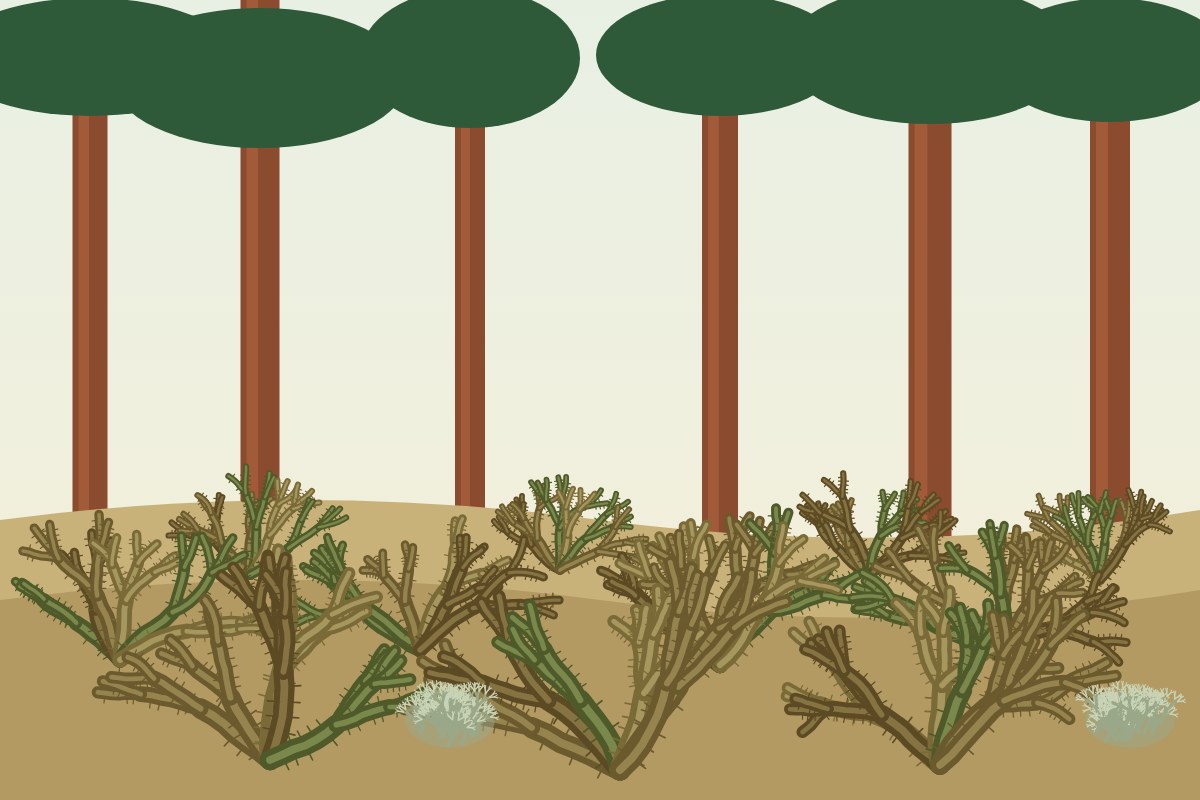
Cetraria is a symbiosis of a fungus and an alga. It grows in tufts 3–10 cm tall in pine forests, heathland and tundra, from Scandinavia and Iceland to the Carpathians and Polissia. The thallus looks like flat, curled olive-brown “twigs” with small hairs along the edges.
Illustration 2. Cetraria prefers dry, sunny pine woods and heaths.
Don’t confuse it with the decorative “Iceland moss” used in floristry. Wall panels, green walls and arrangements usually use preserved reindeer lichen (Cladonia rangiferina) — a different lichen that is dyed and treated with glycerine. It is not suitable for medicinal use.
The lichen’s main value lies in its mucilaginous polysaccharides and bitter lichen acids.
The European Medicines Agency (EMA) recognises Iceland moss as a traditional herbal medicine for two indications. Other effects rest on folk experience rather than clinical trials.
The simplest options are pharmacy lozenges or tea made from the dried herb.
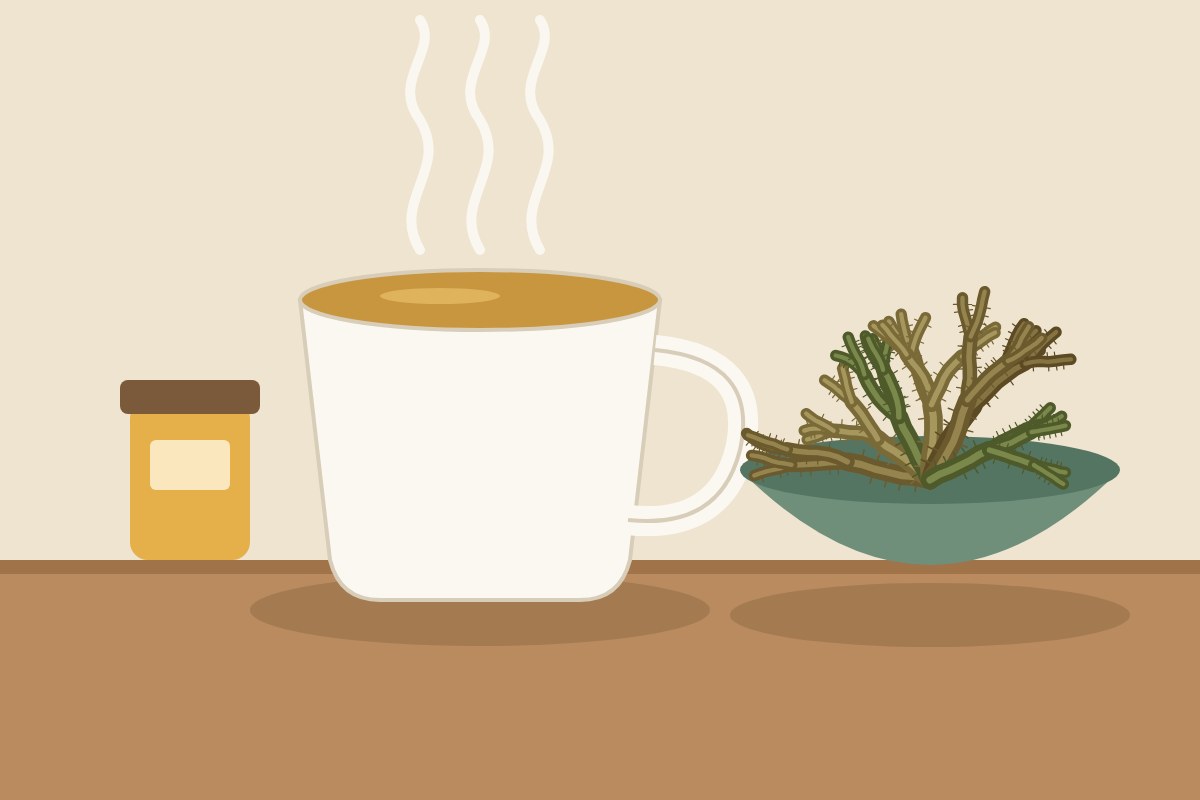
Tea for coughs. Pour 150 ml of boiling water over 2–4 g (about 1–2 teaspoons) of chopped lichen, steep for 10 minutes and strain. The total daily amount is 4–6 g of herb, spread over several cups.
Illustration 3. A warm infusion of the dried herb is the traditional way to take it.
How to reduce the bitterness. You can discard the first infusion and brew the lichen again. For appetite, the bitterness is kept and the tea is drunk 30 minutes before meals.
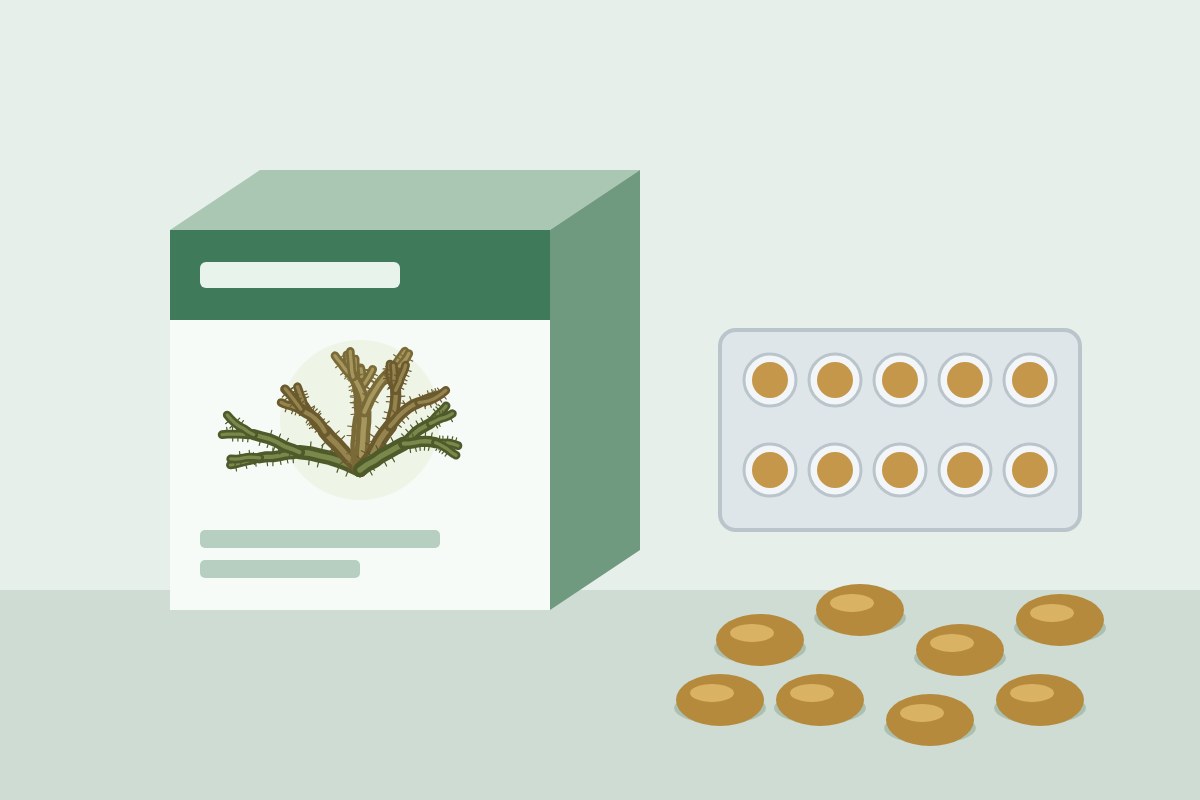
Lozenges and syrups. They contain a water extract of cetraria and are convenient at work or when travelling. Follow the dosage on the specific product’s leaflet.
Illustration 4. Lozenges with cetraria extract are the handiest form for a scratchy throat.
Where to get it. Lichens accumulate heavy metals from the air, so it is safer to buy pharmacy-grade herb than to pick it near roads. Decorative preserved moss must never be used for tea.
Cetraria is considered safe but has a few limitations:
If a cough lasts more than a week, or you develop a fever, shortness of breath or purulent sputum, see a doctor. This article is for information only and does not replace professional advice.
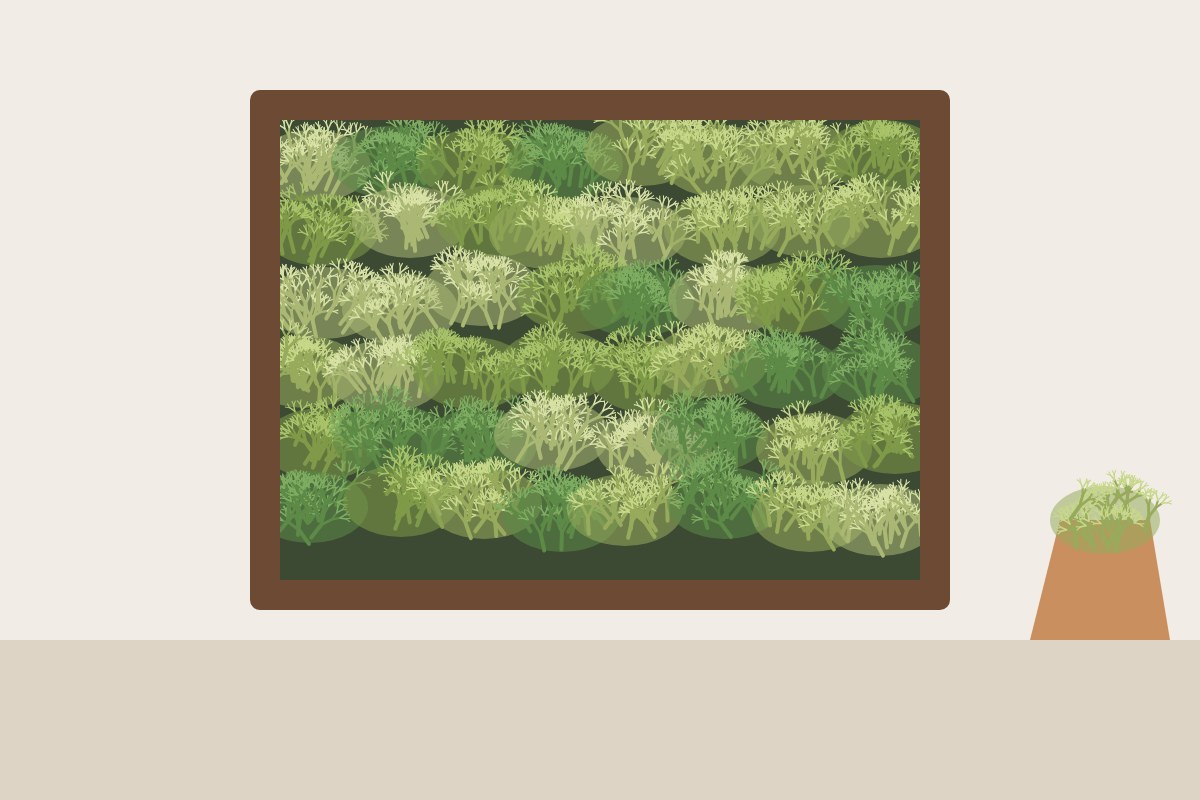
In décor, “Iceland moss” usually means reindeer lichen, a soft curly lichen that, once preserved, keeps its shape and colour for years without watering. It is used in flower arrangements, flower boxes, terrariums and wall panels. It makes a lovely gift and a living accent at home, but it is not a medicine: only pharmacy-grade cetraria is suitable for tea or decoctions.
Illustration 5. A preserved reindeer-lichen panel is décor, not a medicinal herb.
In summary. Cetraria islandica is a gentle herbal remedy for dry coughs and sore throats with EU-recognised traditional use. Its decorative namesake, reindeer lichen, adorns bouquets and interiors.
© Kyiv 2026 UFL Flower Shop

Trademark UFL №191476 is used under license of the rights holder.
All rights reserved. Any use of materials without a link to the site is prohibited.

 Birthday
 Hydrangeas