
 Birthday
 Hydrangeas
Ikebana is the Japanese art of arranging flowers and branches, where line, space and mood matter more than abundance. A few carefully placed stems can say more about the season than a large bouquet. Here is how ikebana began, its key principles and how to try an arrangement at home.
Flowers for arrangements: spray roses and potted plants.
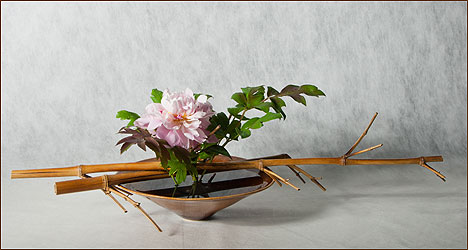
A little history
Ikebana grew out of the tradition of offering flowers at Buddhist temples in Japan. The oldest school is considered to be Ikenobo, which traces its history to the 15th century. The moribana style in shallow containers appeared in the late 19th century, and free avant-garde schools such as Sogetsu followed in the 20th century.
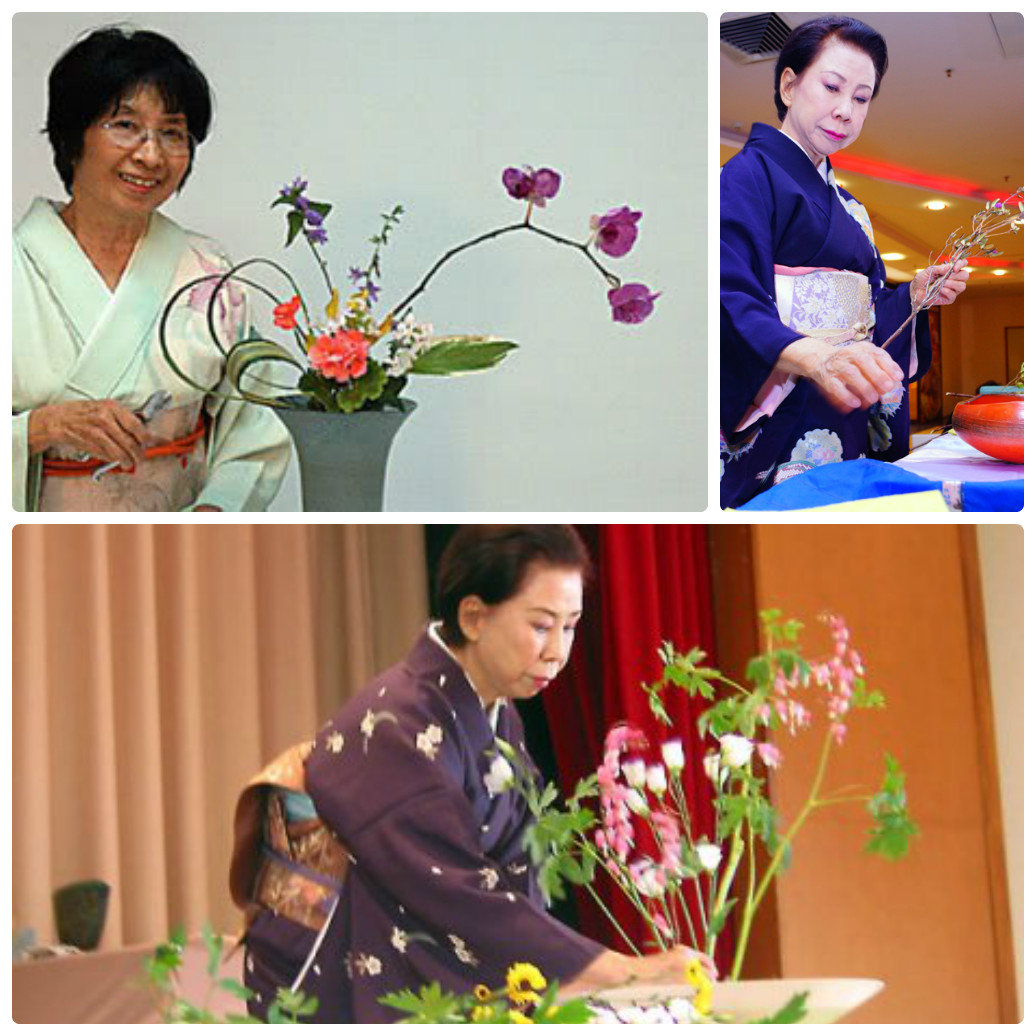
Key principles
- Line. Branches and stems set the direction and rhythm.
- Asymmetry. Balance without mirror symmetry.
- Empty space. The air between elements matters as much as the flowers.
- Three main lines in many schools represent heaven, human and earth.
- Seasonality. The arrangement reflects the time of year.
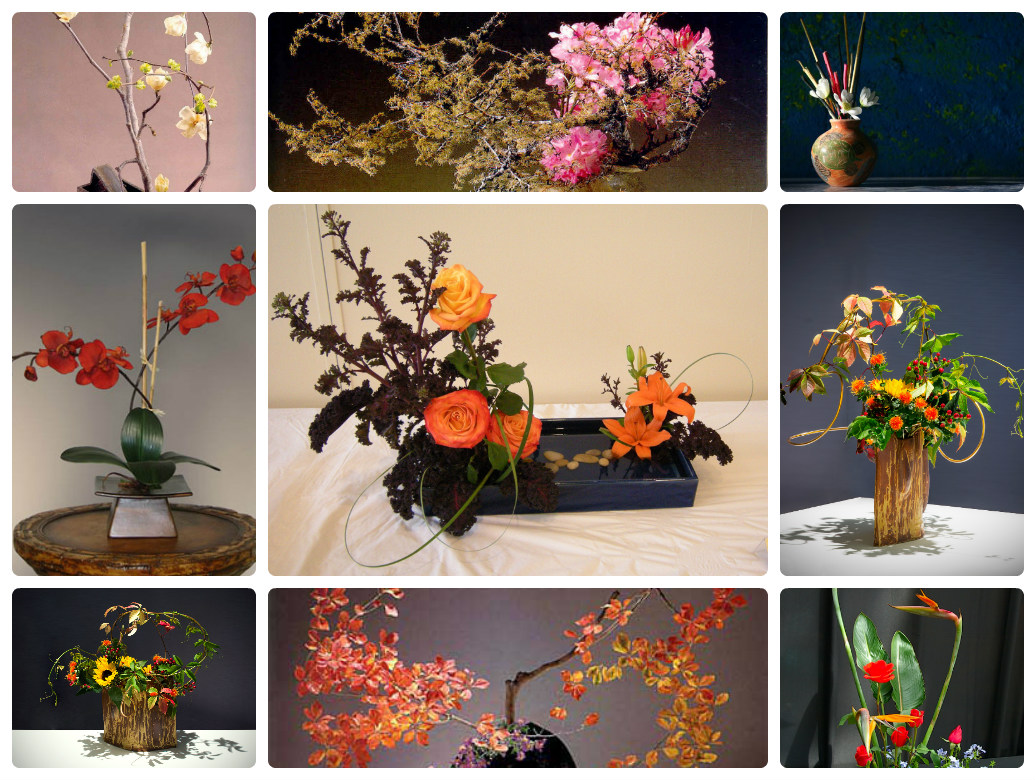
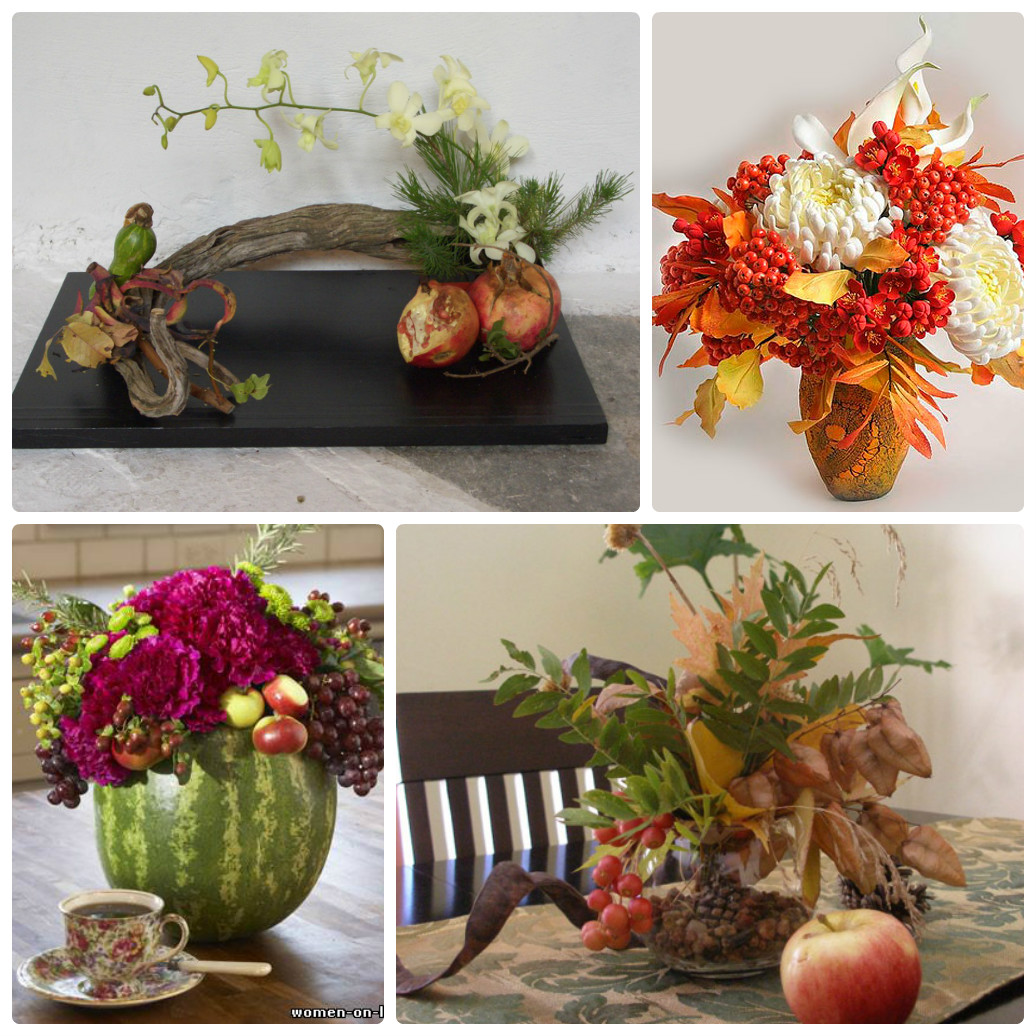
Ikebana styles
Trying it at home
- Take a low, wide container and a kenzan — a heavy pin holder for stems.
- Choose 3–5 elements: a branch, one or two flowers and a little greenery.
- Make the longest line about one and a half times the width of the container; keep the others shorter.
- Angle the stems, leave empty space and view the arrangement from the front — ikebana is usually designed to be seen from one side.
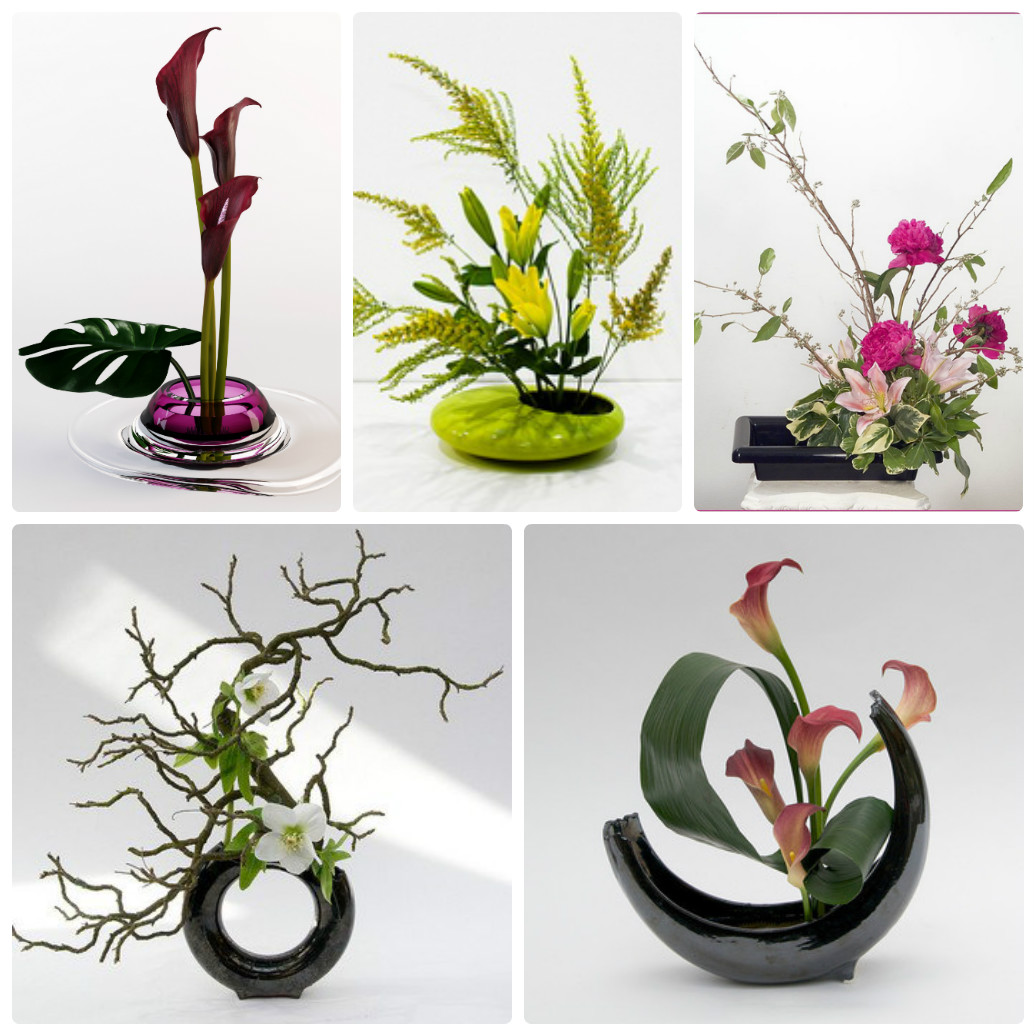
For more arrangement ideas see Types of bouquets and New Year flower arrangements.
FAQ
Do I need special flowers for ikebana?
No — seasonal garden flowers and tree branches work well; form and line matter more than rarity.
How is ikebana different from a bouquet?
A bouquet is usually full and attractive from every side, while ikebana is a restrained arrangement with expressive lines and empty space.

View full-size photo
Author: Maria Svitlovir
Graduated from Taras Shevchenko National University of Kyiv, Institute of Biology and Medicine (2001). BSc in Biology, MSc in Horticulture. Writes about plants, works at a garden centre selecting and repotting plants, and contributes to plant reference guides.


