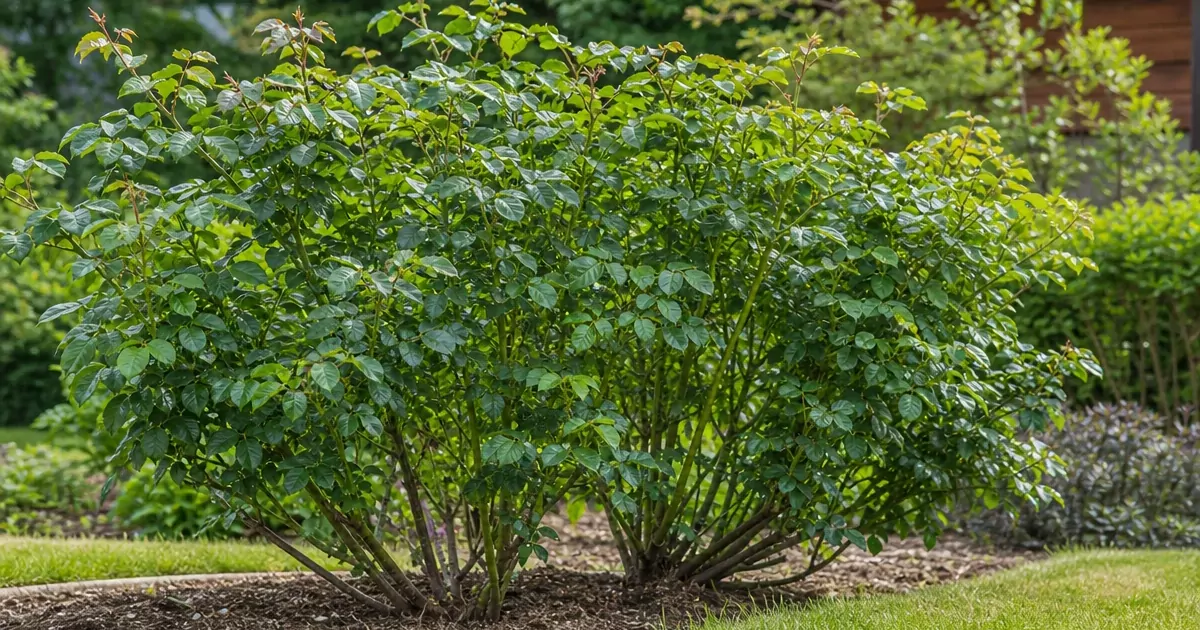
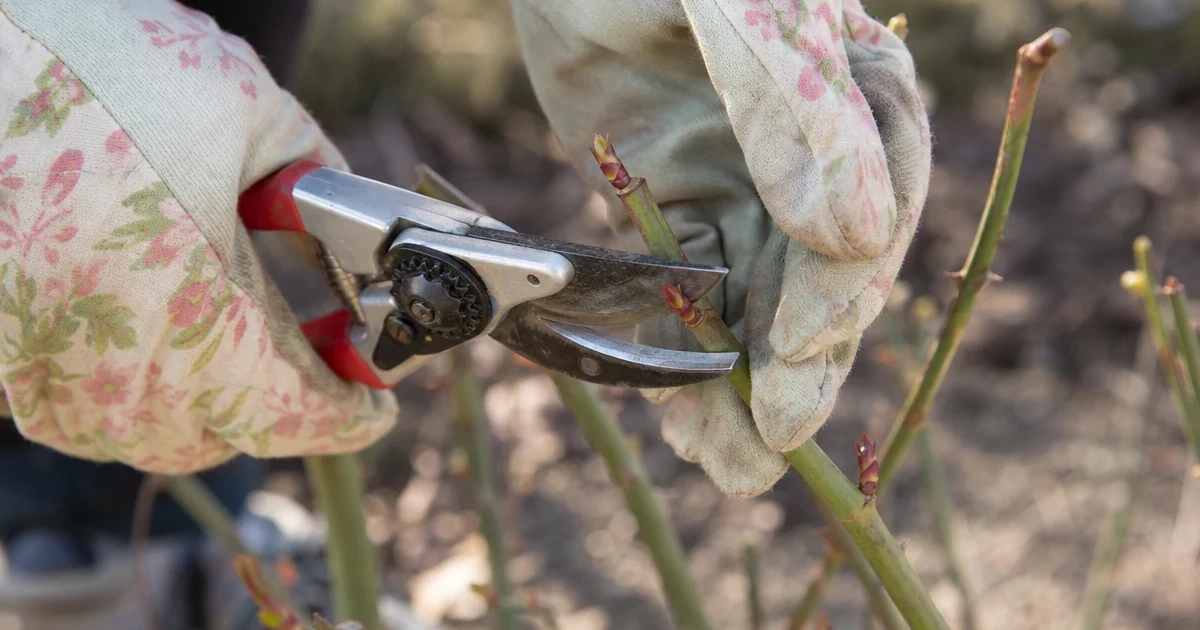
Your rose bush looks healthy, but there are no buds, or very few? Most often the cause lies in growing conditions or care and can be fixed within a season. Here are the main reasons a garden rose won't bloom and what to do in each case. Everything else about types, colours and care is in our complete guide to roses. For when and how to cut back, see how to prune roses. To protect bushes from disease and aphids, see rose diseases and pests.
If you want roses right now, choose from our spray roses and potted plants sections.
Roses need at least 6 hours of direct sun a day. In the shade of trees or by a north-facing wall the bush becomes leggy and flowers poorly. If moving it isn't possible, thin out overhanging branches of nearby trees.
Nitrogen fertilisers produce lush leaves but, in excess, delay flowering. From the start of budding switch to potassium- and phosphorus-rich feeds, and apply no nitrogen at all in late summer.
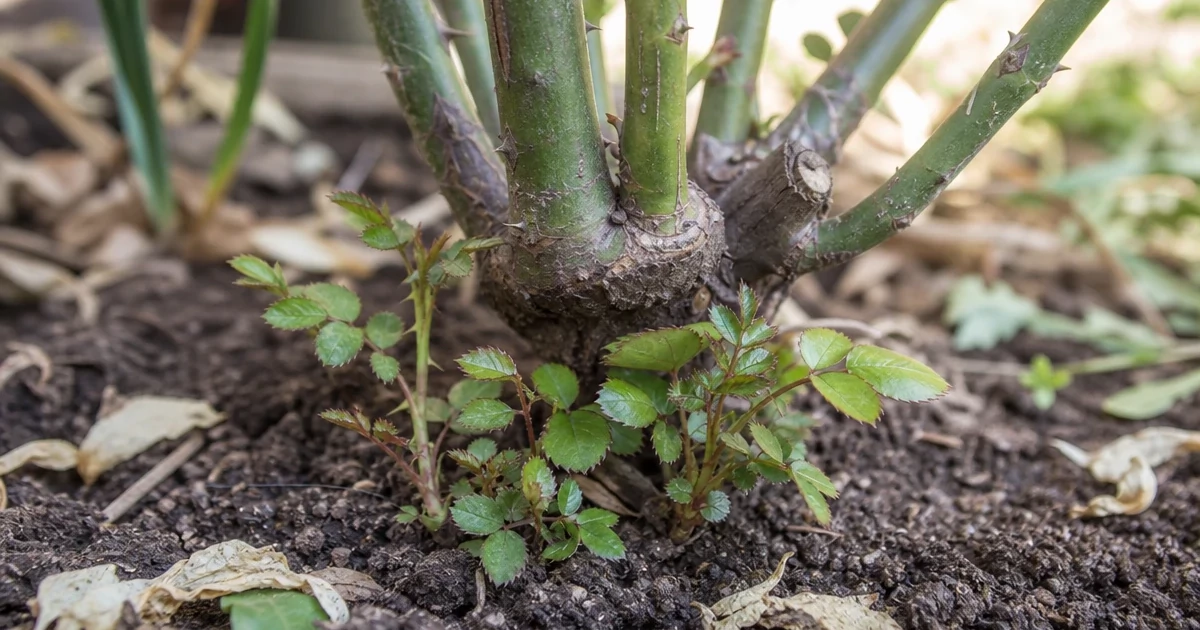
Most garden roses are grafted onto a wild rose rootstock. Shoots growing from the root with small leaves of a different kind are suckers: they drain the strength of the cultivated rose. Remove them right at the base after clearing away the soil.
For varieties that flower well in the garden, see "Best shrub rose varieties".
Indoor roses have their own reasons: in winter they lack light and suffer from dry radiator heat, and without a cool rest period (10–15 °C) they don’t set buds. A pot that is too small or too large, and no pruning after flowering, are common culprits too. Move the pot to the brightest windowsill, give it a cool spell in autumn, prune shoots back to 2–3 buds in spring and start potassium feeding — and it will bloom again.
Usually because of too little sun, too much nitrogen or incorrect pruning.
Once-flowering climbers are pruned straight after flowering, not in spring.
They grow from the root below the graft and have small leaves of a different shape.

Author: Maria Svitlovir
Graduated from Taras Shevchenko National University of Kyiv, Institute of Biology and Medicine (2001). BSc in Biology, MSc in Horticulture. Writes about plants, works at a garden centre selecting and repotting plants, and contributes to plant reference guides.
© Kyiv 2026 UFL Flower Shop

Trademark UFL №191476 is used under license of the rights holder.
All rights reserved. Any use of materials without a link to the site is prohibited.


 Birthday
 Hydrangeas