Common jujube (Ziziphus jujuba), also called unabi, is a small tree or shrub known as the “Chinese date”. It has been grown in China for over 4,000 years, and in Ukraine it fruits well in the south. The fruit tastes like something between an apple and a date.
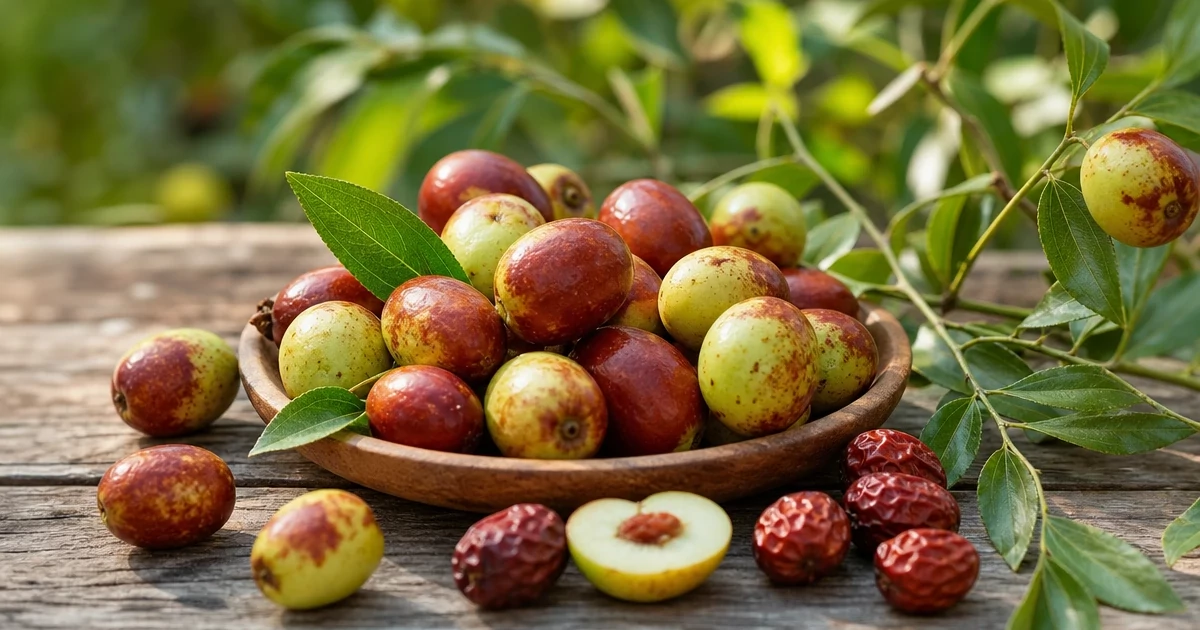
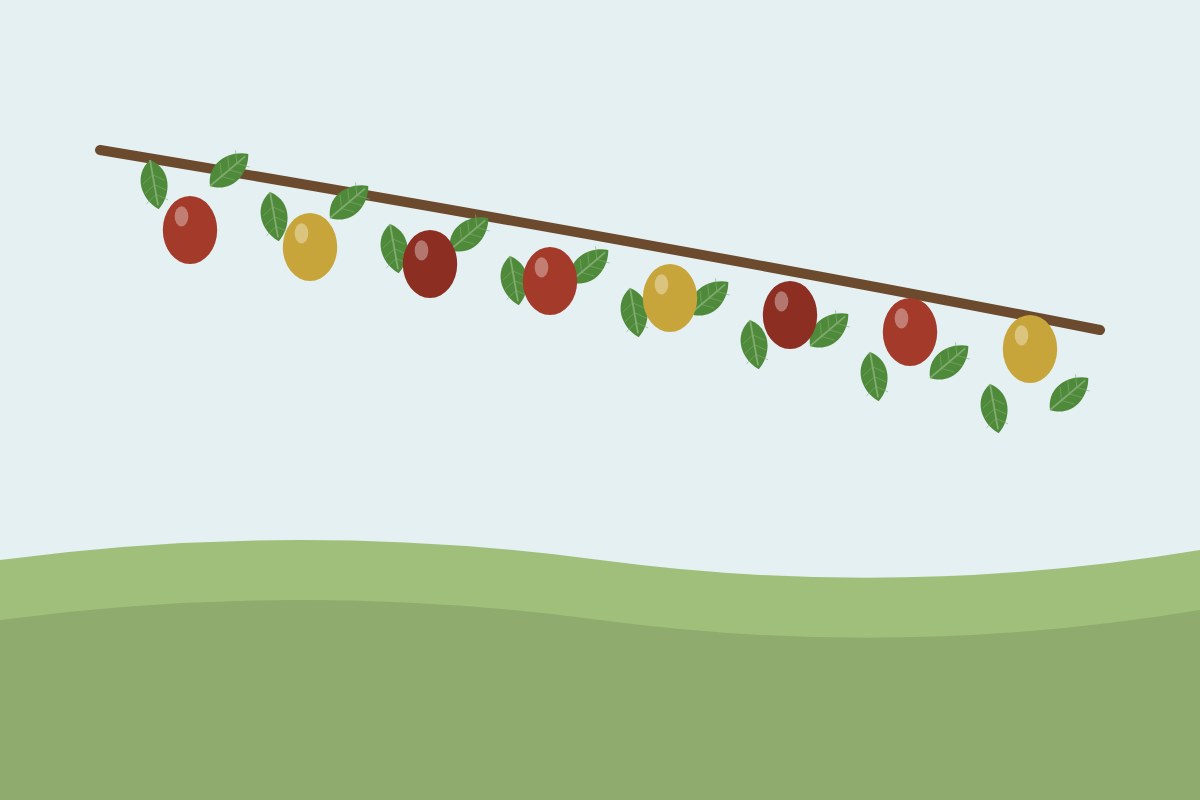
Illustration 1. Jujubes ripen in September–October, turning from green to reddish-brown.
Fresh jujubes are a source of vitamin C: according to USDA data, about 69 mg per 100 g, more than most citrus fruits. They also contain:
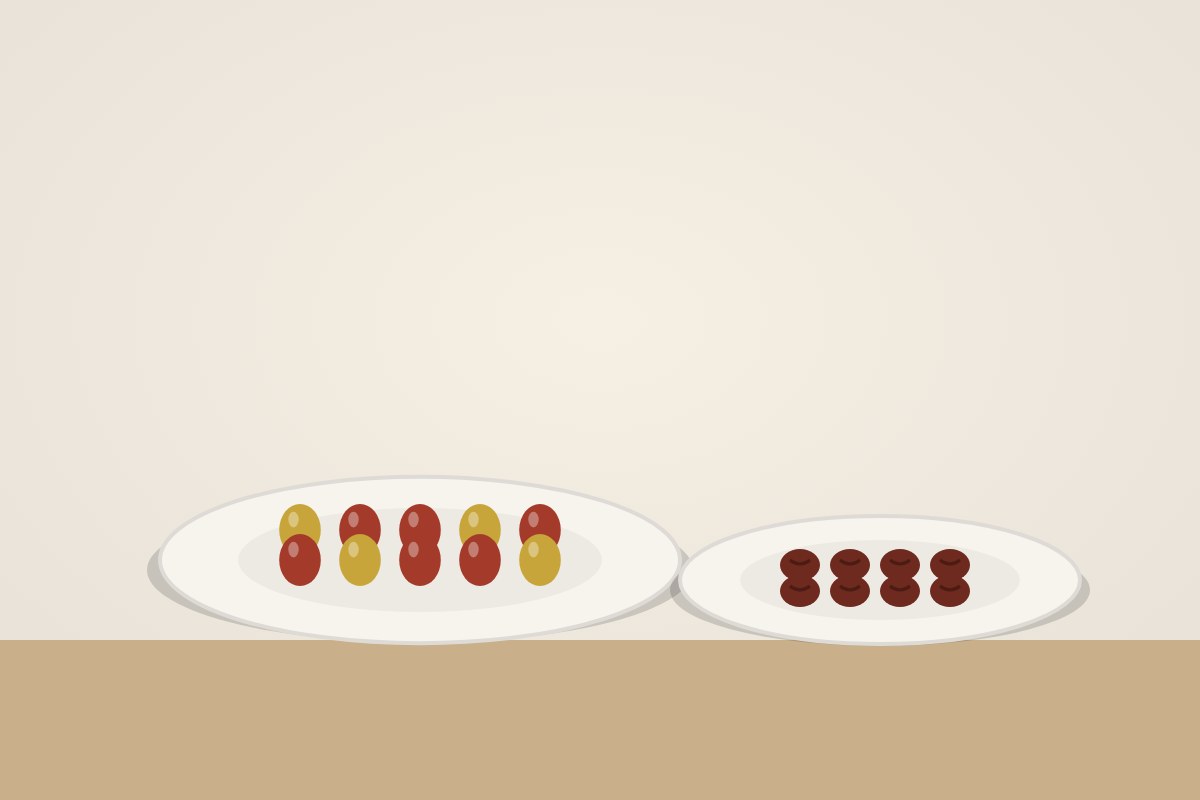
Illustration 2. Fresh fruit is crisp and juicy; dried fruit is sweet, like dates.
Traditional Chinese medicine uses jujube as a calming tonic. Modern studies are still small, so the benefits should be seen as likely rather than proven:
A typical serving is 5–10 fruits a day. Too much fibre can cause bloating.
Illustration 4. Tea with dried jujube is a traditional drink in China and Korea.
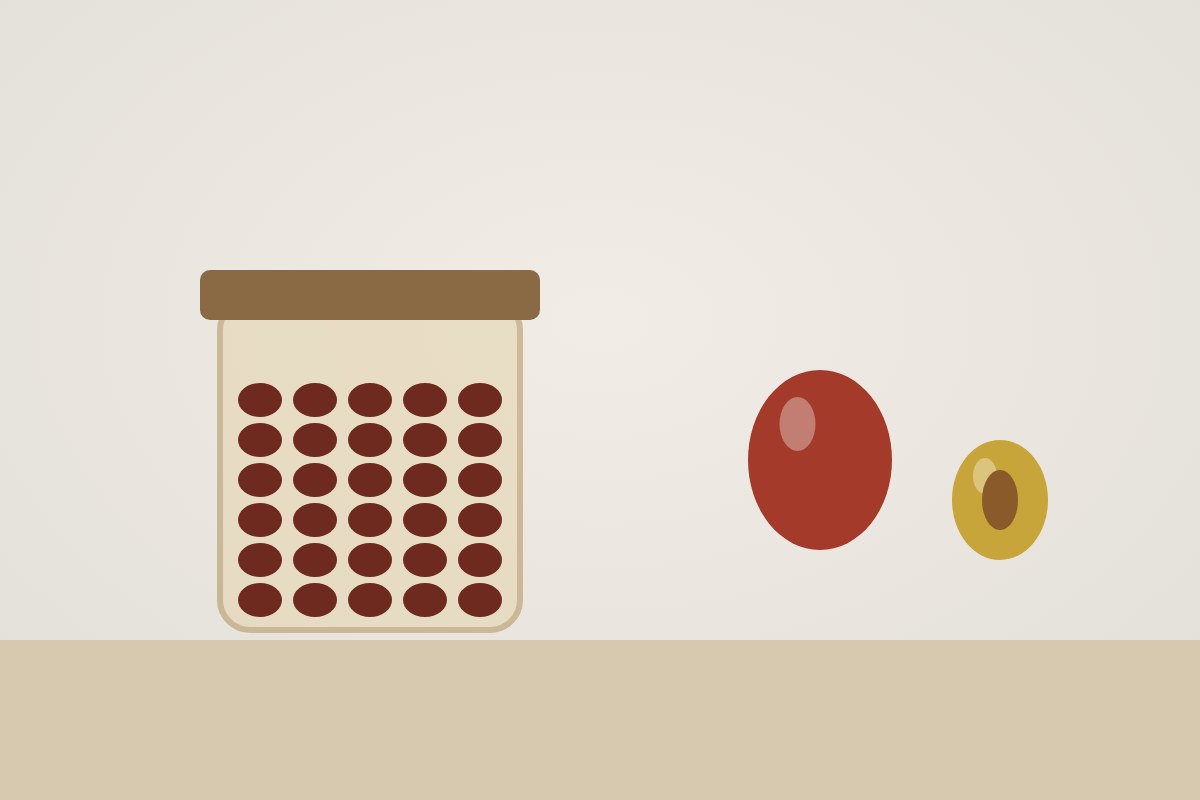
Illustration 5. Dried fruit keeps for up to a year in a dry, closed jar.
Jujube is drought-tolerant and loves light. Named varieties survive frosts down to −20…−25 °C, so it is grown in southern and central Ukraine. A sunny spot, light soil without standing water and minimal watering are all it needs. Grafted saplings start fruiting in their 2nd–3rd year.
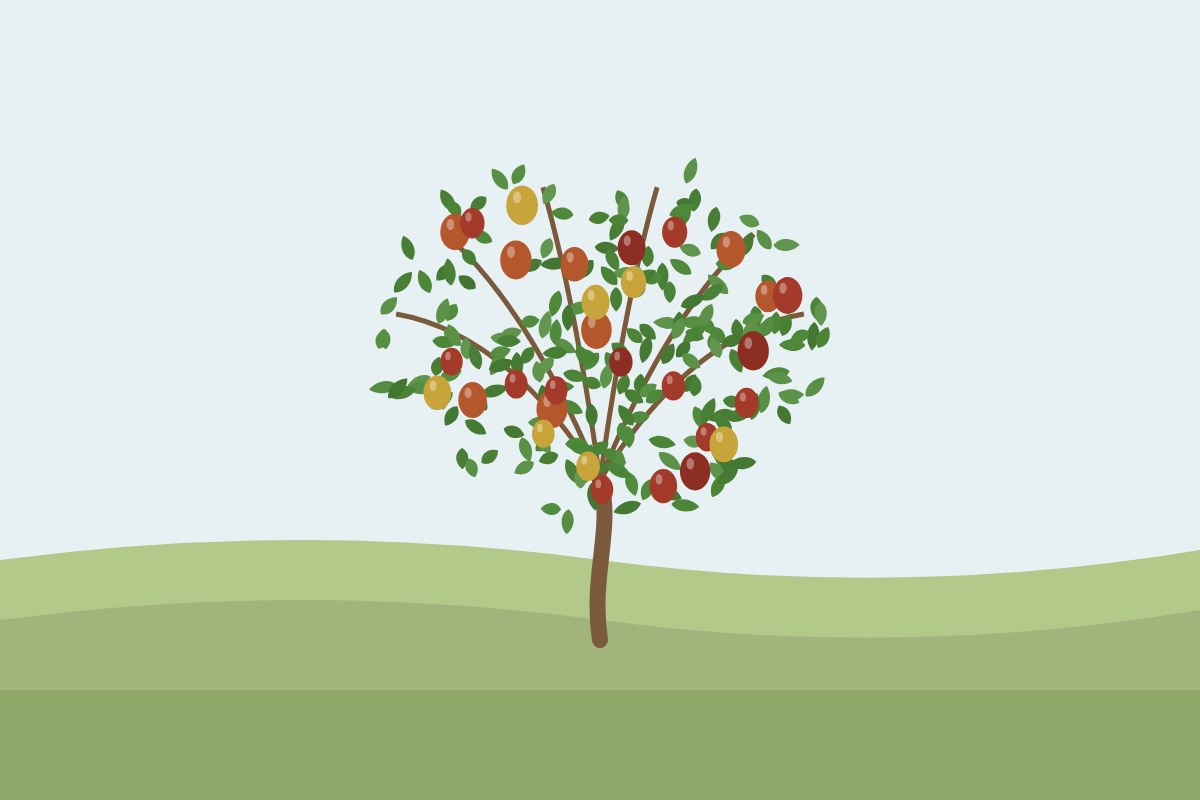
Illustration 3. A mature jujube bush yields up to 20–30 kg of fruit a season.
In summary. Jujube is a tasty, healthy source of vitamin C and fibre. People with diabetes or low blood pressure, and those taking sedatives, should eat it with care.
© Kyiv 2026 UFL Flower Shop

Trademark UFL №191476 is used under license of the rights holder.
All rights reserved. Any use of materials without a link to the site is prohibited.

 Birthday
 Hydrangeas