
 Birthday
 Hydrangeas
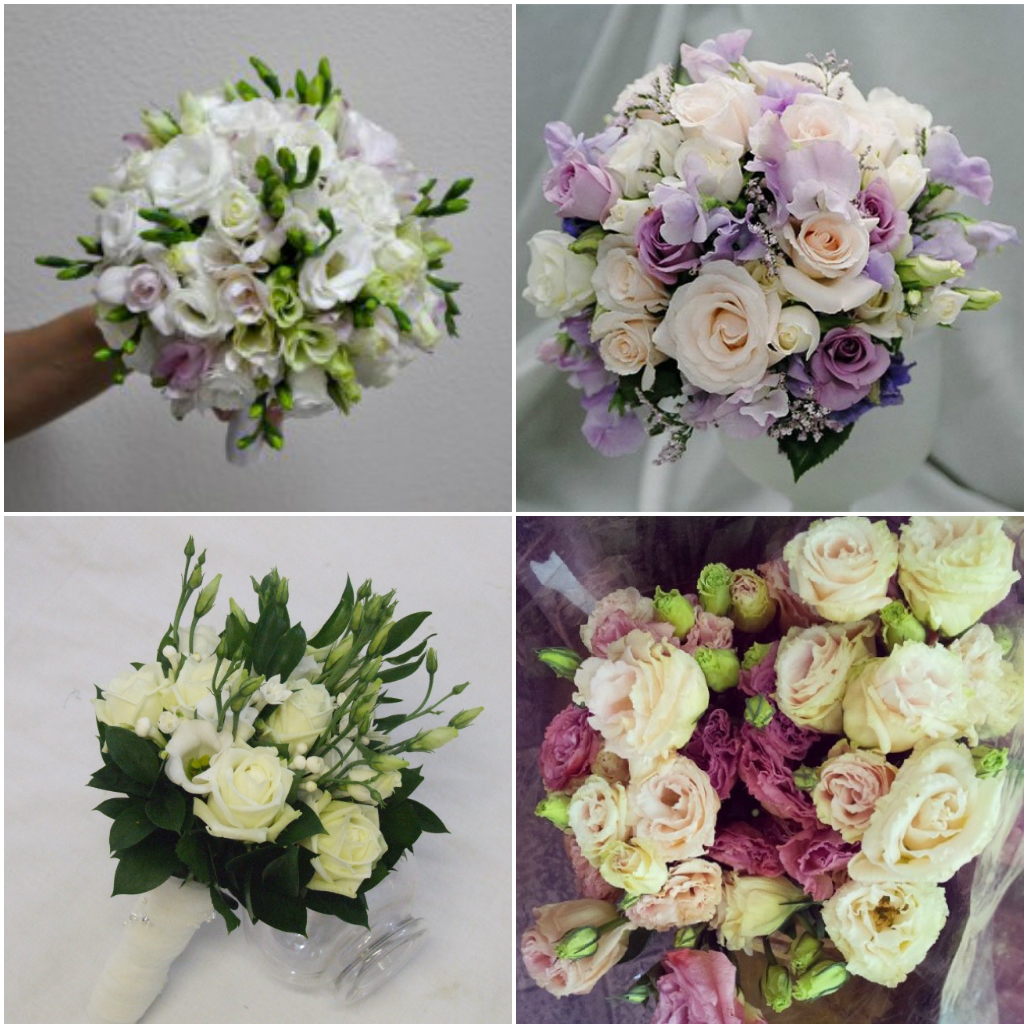
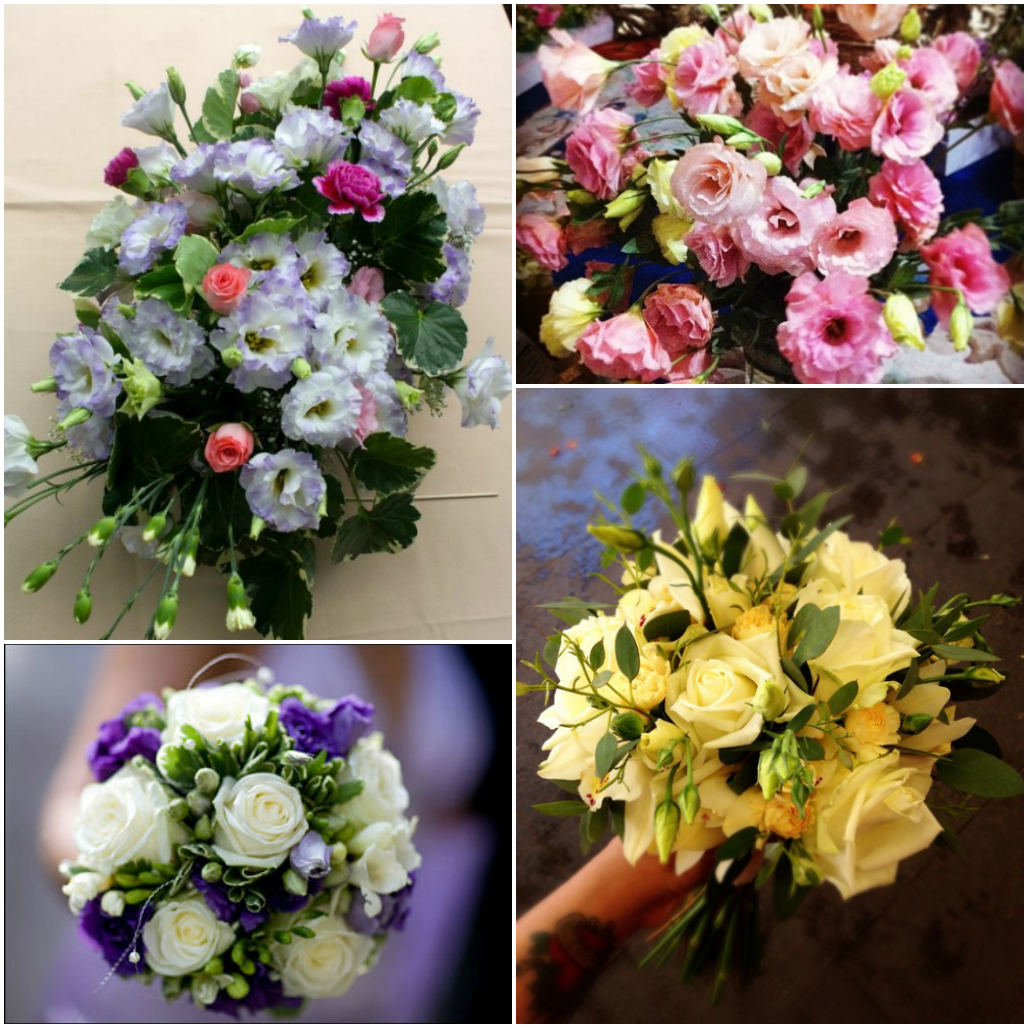
Lisianthus (eustoma) is a florist favourite: double varieties look like roses and last up to two weeks in a vase. It is sometimes called the "Irish" or "Japanese" rose, though it is not related to roses. Here is where lisianthus comes from, which varieties exist, why brides love it and how to make a bouquet last.
Soft bouquets with lisianthus can be found among our bridal bouquets and garden roses.
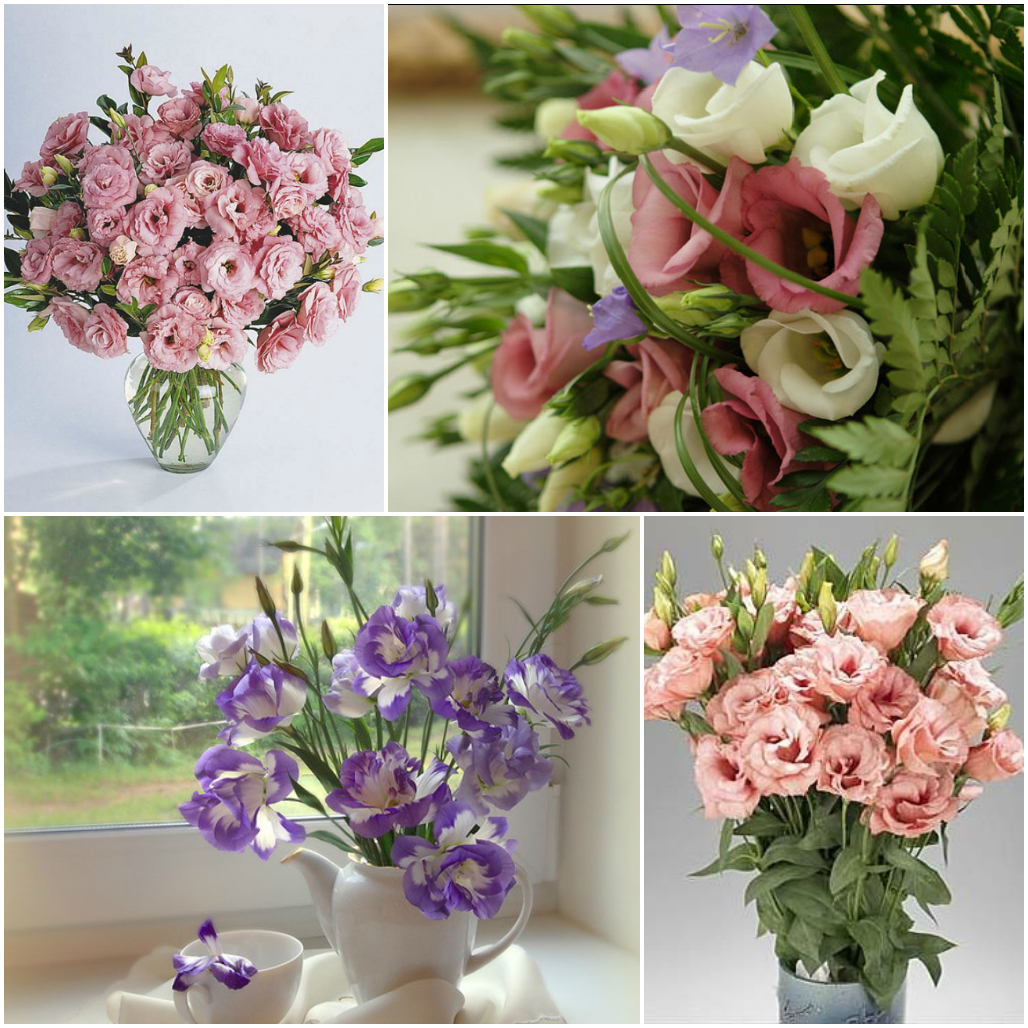
What lisianthus is
Lisianthus (Eustoma grandiflorum, formerly Eustoma russellianum) belongs to the gentian family. In the wild it grows on prairies in the southern United States, Mexico and northern South America, with purple bell-shaped flowers. Most modern cut varieties were bred in Japan, which gave us the double, rose-like forms and dozens of shades.
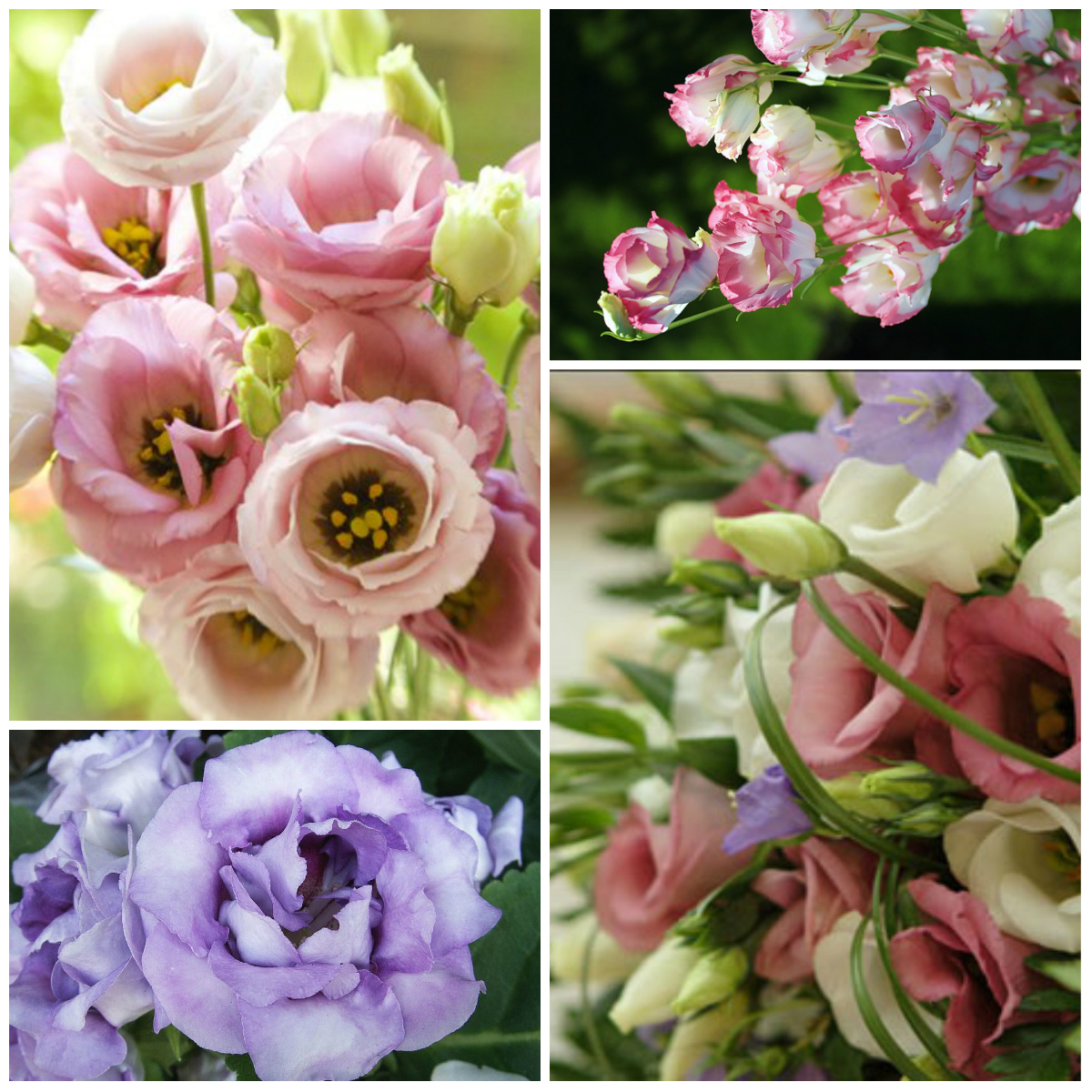
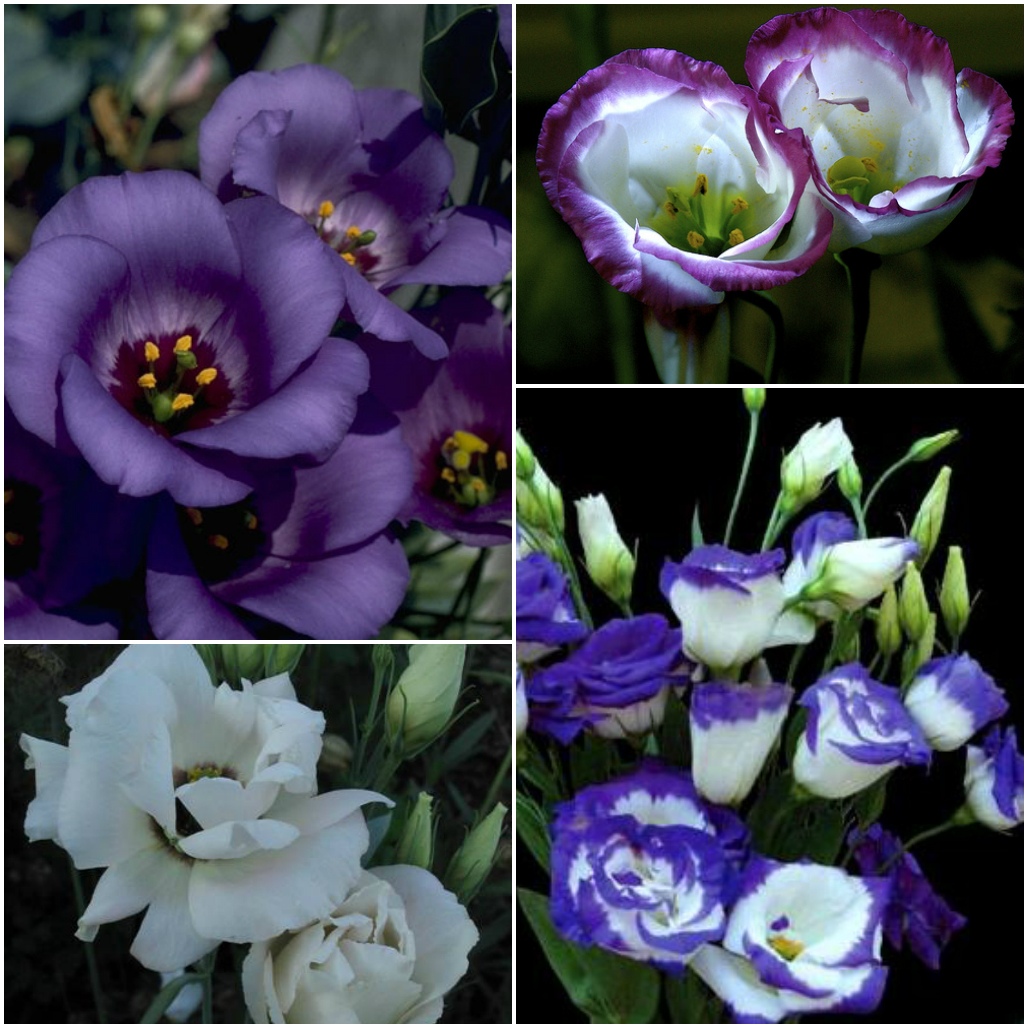
Forms and shades
Each stem carries several buds and flowers that open in turn, so the bouquet stays fresh and keeps changing in the vase.

Why brides choose lisianthus
- Rose-like but lighter — the bouquet stays light even with many stems.
- Durable — it handles a long wedding day and heat better than many delicate flowers.
- A soft palette — white, cream, blush, lavender and green shades fit any colour scheme.
- Year-round — available in any season, unlike peonies.
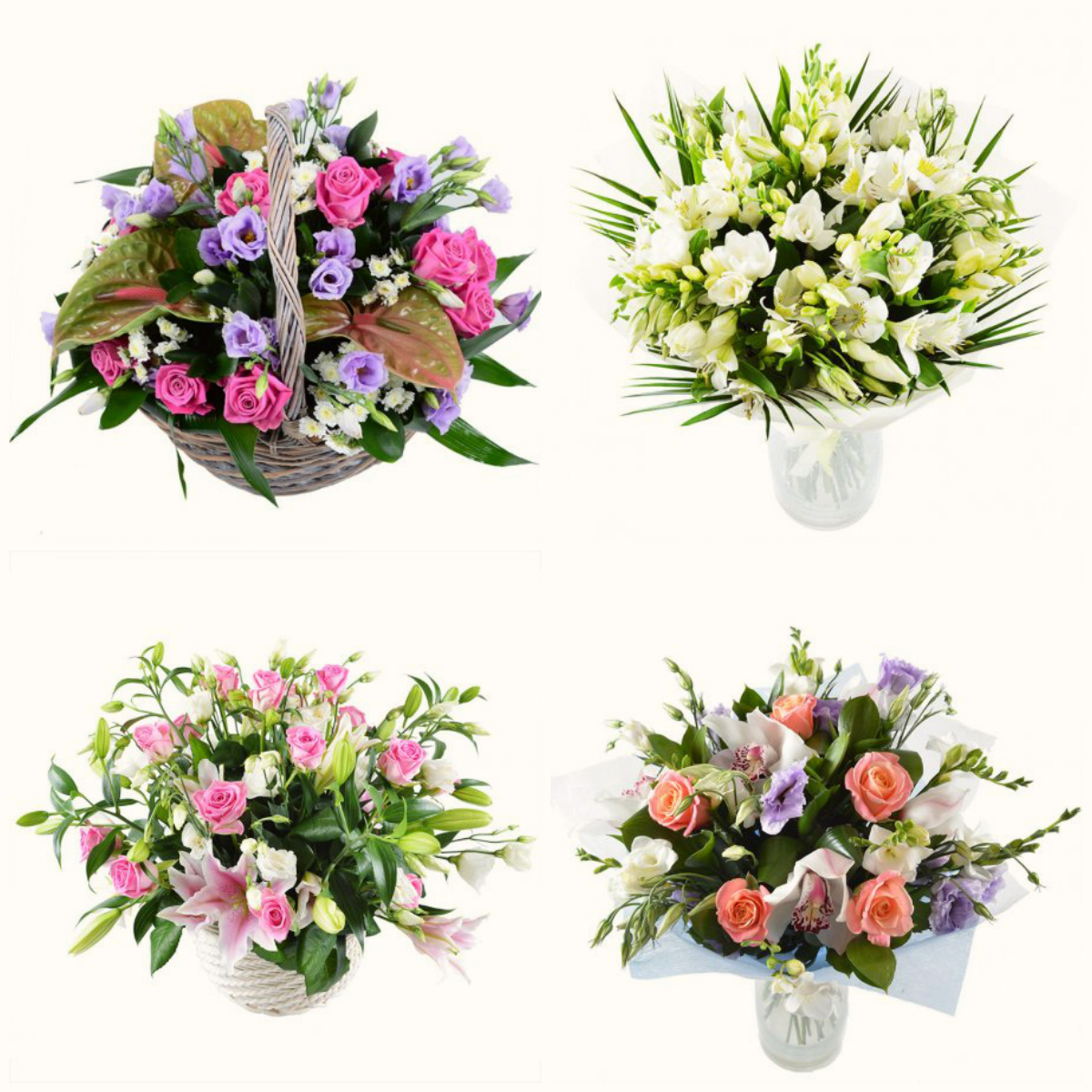
Lisianthus pairs well with garden roses, ranunculus, hydrangea and eucalyptus. For more ideas, see our bridal bouquet guide and vintage wedding flowers.

How to make the bouquet last
- Cut at 45° with a sharp knife; recut every 2–3 days.
- Leaves below the waterline should be removed.
- Water — cool, 8–10 cm deep, with cut-flower food; change every other day.
- Position — out of direct sun and away from fruit: ethylene speeds up wilting.
- Spent flowers can be pinched off so the next buds open.
With good care lisianthus lasts 10–14 days.

Lisianthus in pots and gardens
Lisianthus can be grown at home and in the garden, but it is a challenging crop: the seeds are tiny and seedlings grow slowly, so sowing starts in December–February. For windowsills choose dwarf pot varieties; they need plenty of light, moderate watering without waterlogging and cool winters. Outdoors it is grown as an annual: plant out after frosts for flowers from July to autumn.

FAQ
Are eustoma and lisianthus the same?
Yes. Lisianthus is an older botanical name still used by florists.
How long does lisianthus last in a vase?
10–14 days, with buds opening gradually.
What does lisianthus symbolise?
In the language of flowers it is linked with gratitude and tenderness, which suits weddings and thank-you bouquets.

View full-size photo
Author: Maria Svitlovir
Graduated from Taras Shevchenko National University of Kyiv, Institute of Biology and Medicine (2001). BSc in Biology, MSc in Horticulture. Writes about plants, works at a garden centre selecting and repotting plants, and contributes to plant reference guides.


