
 Birthday
 Hydrangeas
Many gardeners dream of a flower bed that blooms not for two weeks in May but all summer long, right up to the frosts. There are two ways to achieve it: choose plants with a very long flowering season, and pair neighbours so that one flower takes over from another. Here are the perennials, shrubs and annuals that flower longest, how to plan continuous bloom and how to extend it with simple care.
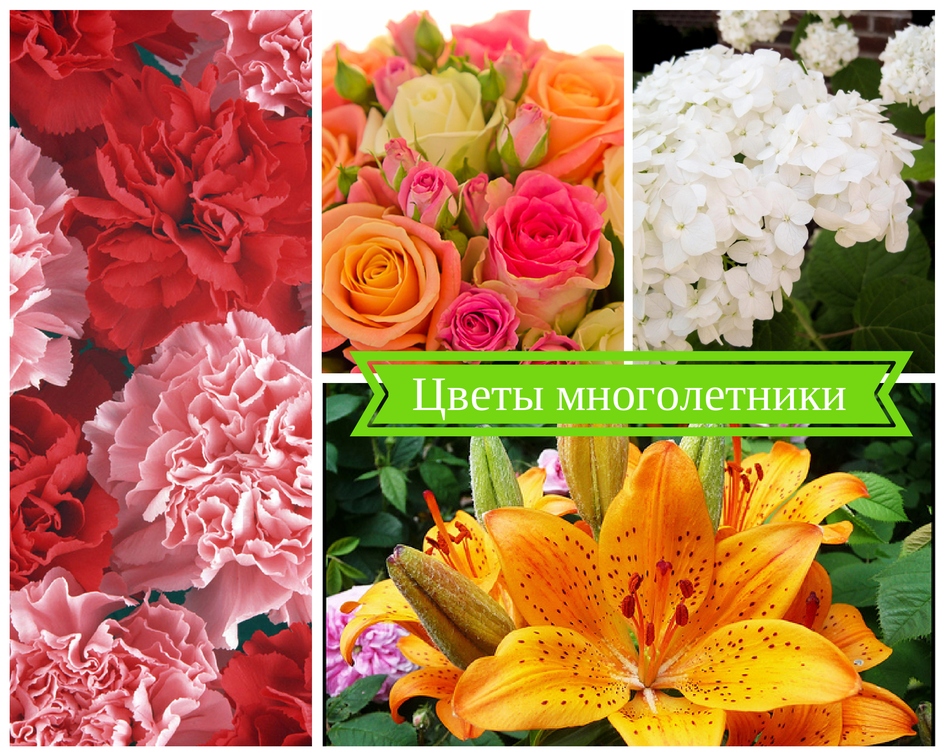
Perennials or annuals
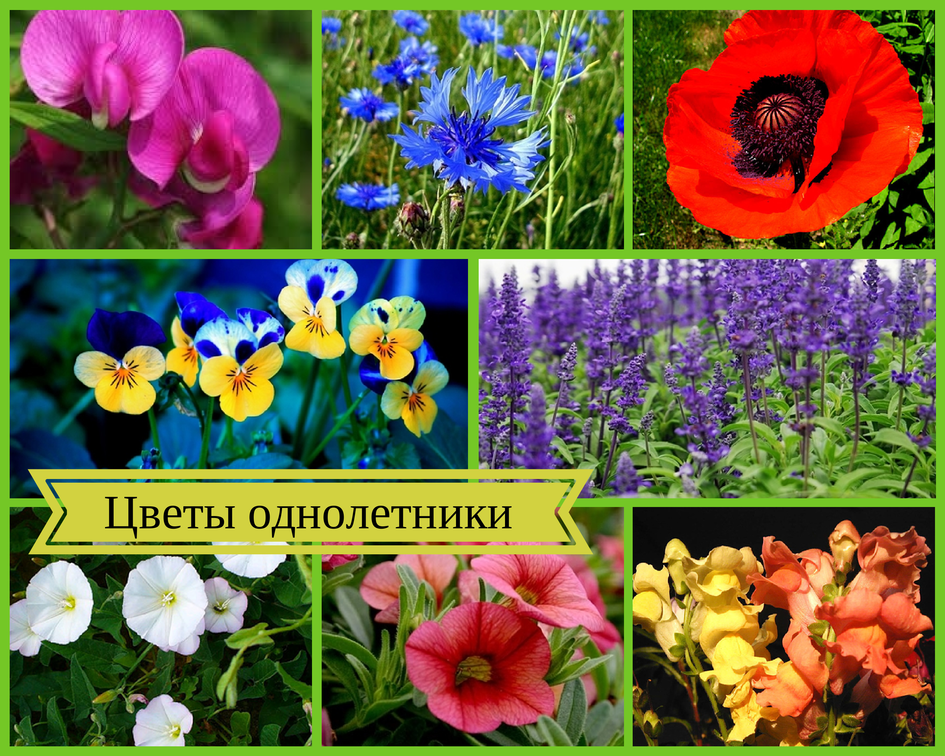
Annuals — petunias, marigolds, zinnias, cosmos — flower almost non-stop from June to autumn, but they have to be sown or bought every year. See our article on annuals for flower beds. Perennials grow in one place for years, but most flower for 2–4 weeks. The secret is that some are "record-breakers" that bloom for months, especially if you remove spent flowers promptly.
Perennials with the longest flowering
- Catmint (Nepeta) — clouds of lilac flowers from June; cut back after the first flush and it blooms again. Loved by bees and cats.
- Geranium 'Rozanne' — one of the longest-flowering perennials, with blue flowers from early summer until frost.
- Woodland sage (Salvia nemorosa) — blue and purple spikes; deadheaded, it flowers in waves all summer.
- Echinacea and rudbeckia — large daisy-like flowers from July to September, drought-tolerant and attractive to butterflies.
- Threadleaf coreopsis — a haze of small yellow flowers for most of the summer.
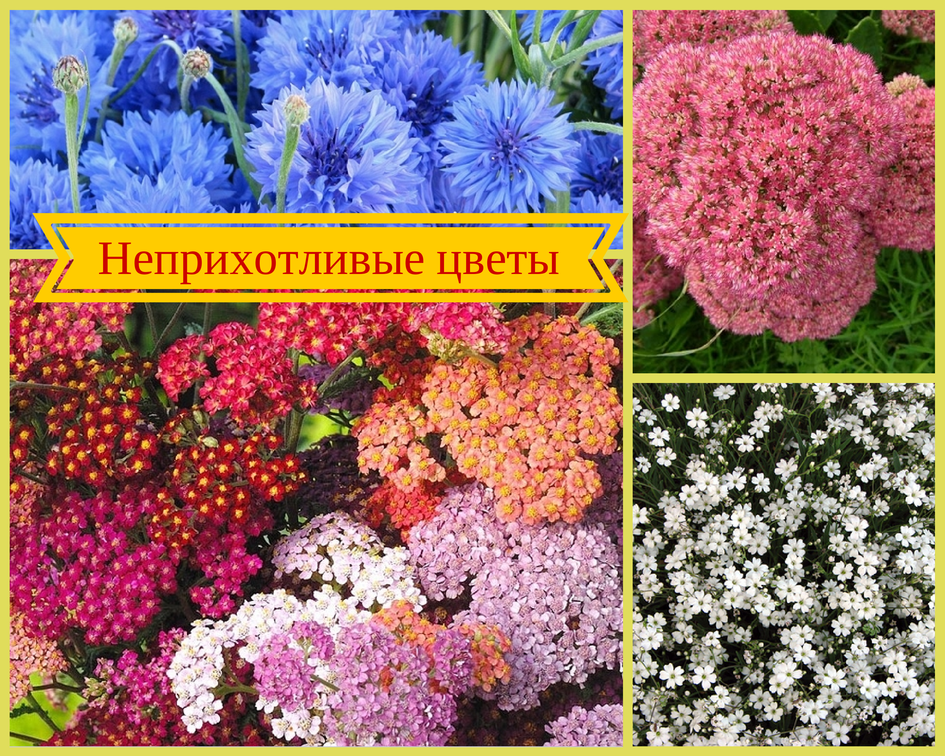
- Yarrow — flat flower heads in many shades, undemanding and drought-tolerant.
- Gaura — airy "butterflies" on slender stems from June to autumn.
- Repeat-flowering daylilies — varieties that rebloom or flower continuously from June to August.
Long-flowering shrubs
- Panicle hydrangea — huge flower heads from July to autumn that gradually turn from white to pink.
- Smooth hydrangea — white globes from June–July to September; hardy and easy.
- Shrubby cinquefoil — flowers from June to autumn and withstands hard frosts.
- Repeat-flowering shrub and ground-cover roses — several flushes a season.
For more tough shrubs, see frost-hardy plants.
How to plan summer-long flowering
- Combine flowering times. Each part of the bed should have plants that flower in early, mid and late summer.
- Build a framework. Long-flowering perennials and shrubs form the base, while annuals fill the gaps.
- Add ornamental foliage. Hostas, heucheras, grasses and silver plants keep the bed attractive between flushes.
- Plant in groups. Three to five plants of one kind look more striking than single specimens.
- Consider light. Most long-flowering plants love sun; for shade, choose astilbes, hostas and busy lizzies.
How to extend flowering
- Deadhead spent flowers so the plant doesn't waste energy on seed and forms new buds.
- Cut back after the first flush. Catmint, salvia and some geraniums rebloom after trimming.
- Water during drought, especially in July and August, preferably morning or evening.
- Feed moderately: too much nitrogen gives leaves instead of flowers.
- Mulch the soil to retain moisture.
Frequently asked questions
Which perennials flower all summer?
Catmint, geranium 'Rozanne', woodland sage, coreopsis, echinacea, rudbeckia, gaura and repeat-flowering daylilies.
How can I make a bed bloom from spring to autumn?
Combine plants with different flowering times, and add annuals and ornamental foliage.
Which easy-care flowers bloom all summer?
Marigolds, cosmos, echinacea, rudbeckia, yarrow and shrubby cinquefoil.
Why remove spent flowers?
So the plant doesn't waste energy on seed and keeps flowering.

View full-size photo
Author: Maria Svitlovir
Graduated from Taras Shevchenko National University of Kyiv, Institute of Biology and Medicine (2001). BSc in Biology, MSc in Horticulture. Writes about plants, works at a garden centre selecting and repotting plants, and contributes to plant reference guides.