
 Birthday
 Hydrangeas
The fluffy yellow sprigs sold every spring for 8 March are universally called mimosa. Botanists disagree: they are actually silver wattle, an acacia, while true mimosa looks completely different and can "hide" its leaves when touched. Here is where the confusion comes from, where bouquet "mimosa" grows, why it became the symbol of International Women's Day and how to stop a bouquet from shedding the next day.
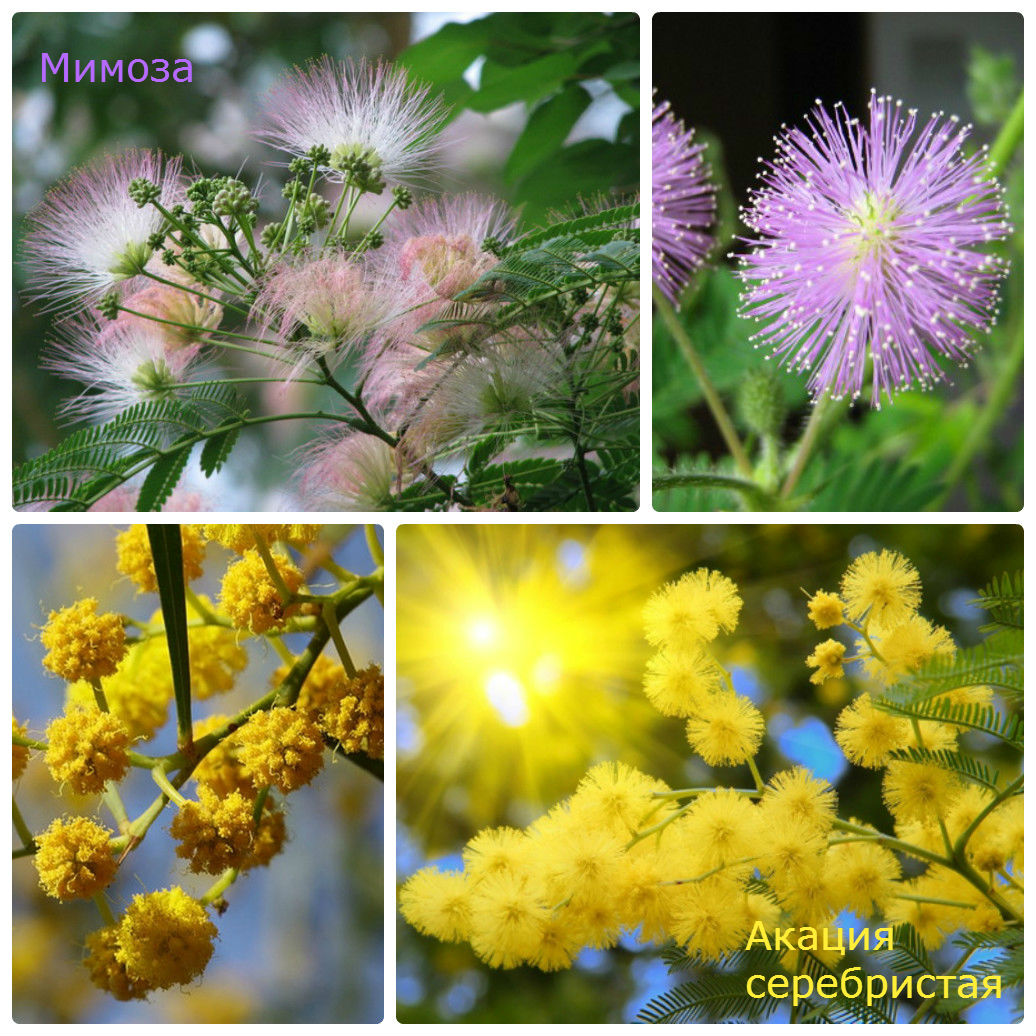
"Mimosa" is an acacia
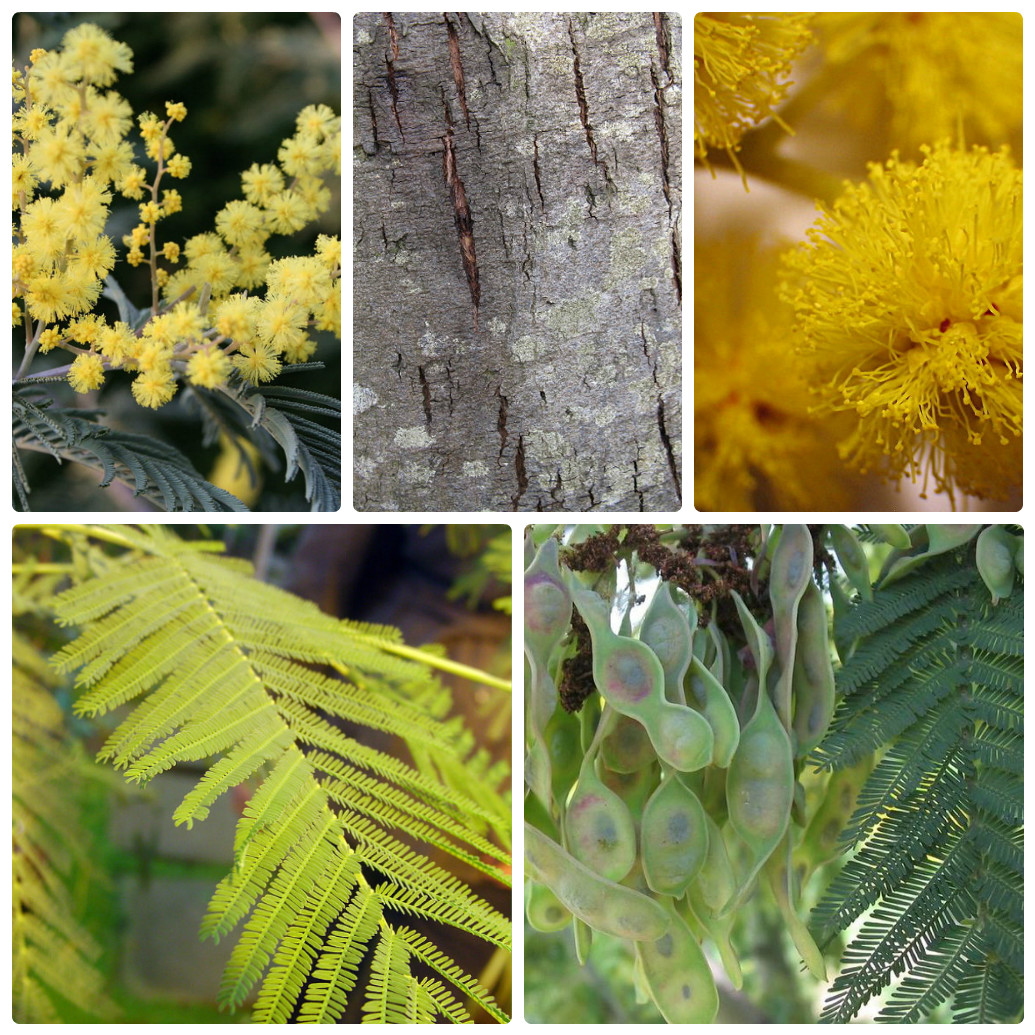
Spring "mimosa" is silver wattle (Acacia dealbata), a member of the legume family. It is native to south-eastern Australia and Tasmania, where it grows into a tree 10–15 metres tall or more with silvery-green feathery leaves. It was brought to Europe in the 19th century and now grows on the French Riviera, in Italy and on the Black Sea coast. It flowers from January to March: its heads, yellow balls about 5 mm across, form lush, strongly scented sprays.
The name "mimosa" stuck because of the similar feathery leaves and pompom flowers. True mimosa, the sensitive plant (Mimosa pudica), is a low tropical plant with pink flower heads whose leaves fold at the slightest touch and reopen a few minutes later. It is grown as a houseplant curiosity.
Why mimosa symbolises 8 March
The tradition comes from Italy: in 1946 activists of the Union of Italian Women proposed mimosa as the symbol of International Women's Day because it blooms in early March, is inexpensive and grows almost everywhere. Italians have given sprigs of mimosa on 8 March ever since. In post-Soviet countries mimosa became the main flower of the holiday alongside tulips, as it was shipped in bulk from the Black Sea coast. For greeting ideas see 8 March cards and potted plants for Women's Day.
Where mimosa grows and blooms
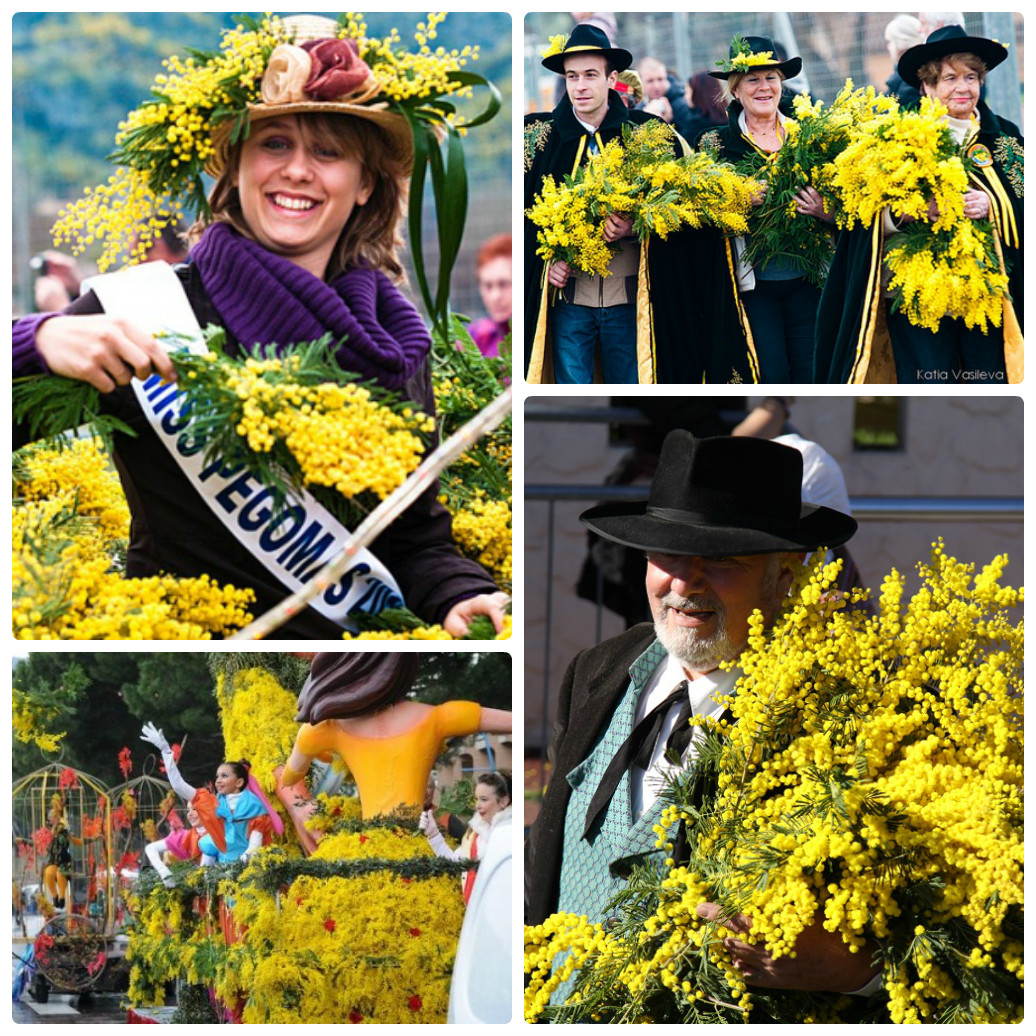
- France. The Riviera has a tourist "Mimosa Route" from Bormes-les-Mimosas to Grasse, and Mandelieu-la-Napoule holds a mimosa festival in February. In Grasse the flowers are processed into an absolute for perfumery.
- Italy: Liguria and Tuscany, where mimosa blooms by 8 March.
- The Black Sea coast: Georgia and Adjara, the traditional source of mimosa for Ukraine.
- Australia. The national floral emblem is a different acacia, golden wattle (Acacia pycnantha), celebrated on Wattle Day, 1 September.
In Spain and Portugal silver wattle has naturalised and is considered invasive, crowding out native plants.
How to keep a mimosa bouquet fresh
Mimosa is fussy: in a warm, dry flat its pompoms quickly darken and drop. A few rules extend its life:
- As soon as you get it home, recut the stems at an angle and split the ends by 2–3 cm.
- Dip the stem ends in hot water for 1–2 minutes, then place them in a vase of cool water.
- Keep the bouquet away from radiators and sun, mist the air around it lightly, and cover the sprigs with a bag overnight to hold in moisture.
- Do not place mimosa next to fruit or leave it in a closed car.
A bouquet usually lasts 3–5 days. Afterwards, do not throw it away: mimosa dries beautifully, keeps its yellow colour and works well in dried arrangements.

What to pair mimosa with
- Tulips: the classic spring combination of yellow, white or lilac tulips with mimosa sprigs.
- Daffodils and irises: a bright contrast of yellow and purple.
- Eucalyptus: silvery greenery that sets off mimosa's colour.
- Kraft paper and linen: simple wrapping suits mimosa's rustic character best.
Choose tulips for spring holidays in our tulip catalogue, and read why women love flowers.
Mimosa and allergies
Mimosa has a strong scent and plenty of pollen, so it can cause sneezing and headaches in sensitive people. If you are unsure how the recipient will react, choose a small bouquet or pair mimosa with tulips as an accent.
True mimosa on a windowsill
The sensitive plant is grown as an annual from seed. Soak the seeds in warm water for half an hour, sow them in spring in light compost and keep them at 22–25 °C. The plant needs bright light, humid air and moderate watering, and pink pompom flowers appear in summer. The main attraction is its response to touch: the leaflets fold within seconds and reopen after 10–20 minutes. Do not touch it too often or it will weaken. The sensitive plant is mildly toxic, so keep it away from children and pets.
Frequently asked questions
Are mimosa and acacia the same thing?
Bouquet "mimosa" is silver wattle, an acacia. True mimosa is a different plant with pink flowers.
How long does a mimosa bouquet last?
Usually 3–5 days, longer if kept cool and humid.
Can I grow mimosa at home?
Silver wattle is grown in tubs in cool, bright rooms but rarely flowers in a flat. The sensitive plant is easy to grow from seed on a windowsill.
Why does mimosa shed?
Because of warm, dry air and lack of water. Splitting the stems, a hot-water dip and misting help.

View full-size photo
Author: Maria Svitlovir
Graduated from Taras Shevchenko National University of Kyiv, Institute of Biology and Medicine (2001). BSc in Biology, MSc in Horticulture. Writes about plants, works at a garden centre selecting and repotting plants, and contributes to plant reference guides.


