Mistletoe is an evergreen plant with white berries that is hard to imagine a European Christmas without: people kiss beneath its sprigs. Here is what the plant is, where the tradition comes from, the myths around mistletoe, how to use it in decor and why it is unsafe for children and pets.
Festive arrangements are available among our flower baskets and white roses.
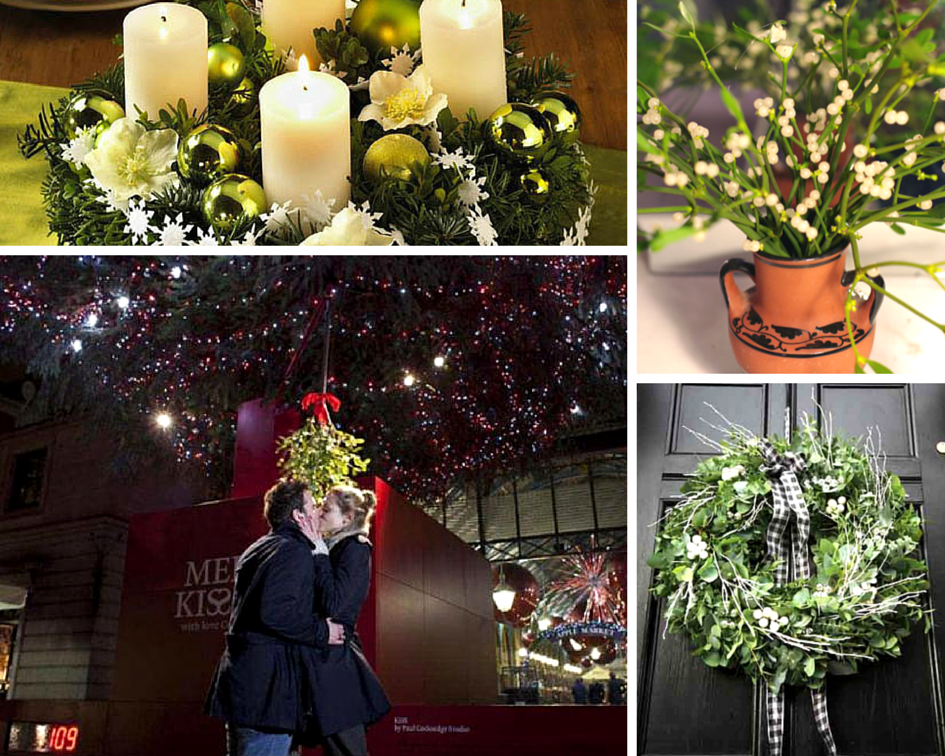
European mistletoe (Viscum album) is a hemiparasitic shrub that grows on tree branches: poplars, apple trees, limes, maples and pines. It has leathery evergreen leaves and sticky white berries spread by birds. In Ukraine it is easy to spot in winter as round green "nests" in bare trees. It is harmful to trees: heavy infestations weaken and dry out branches.
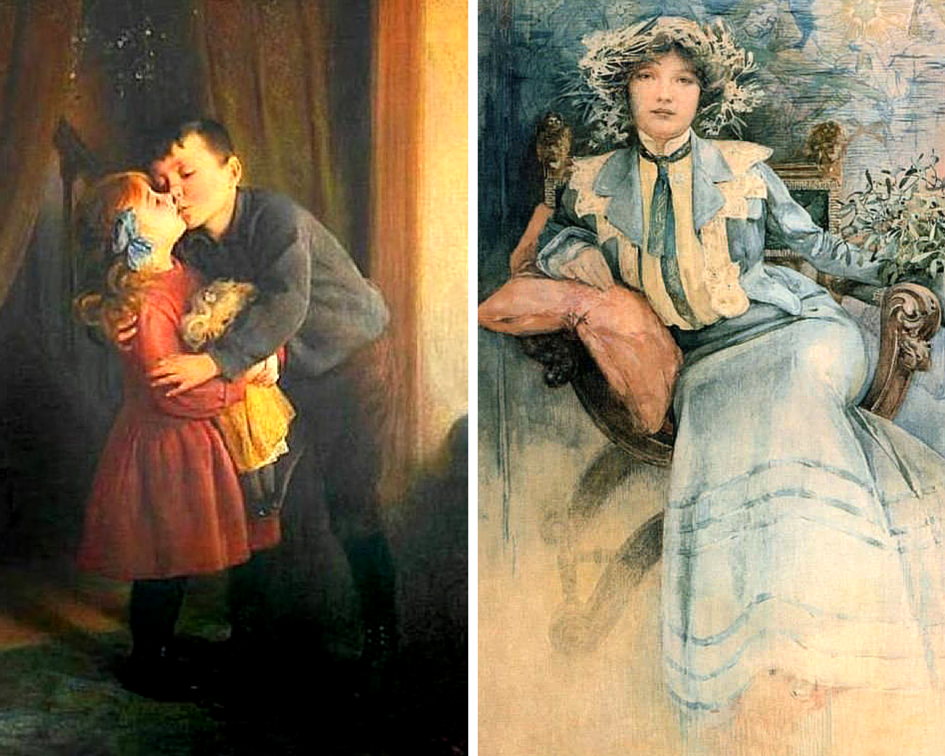
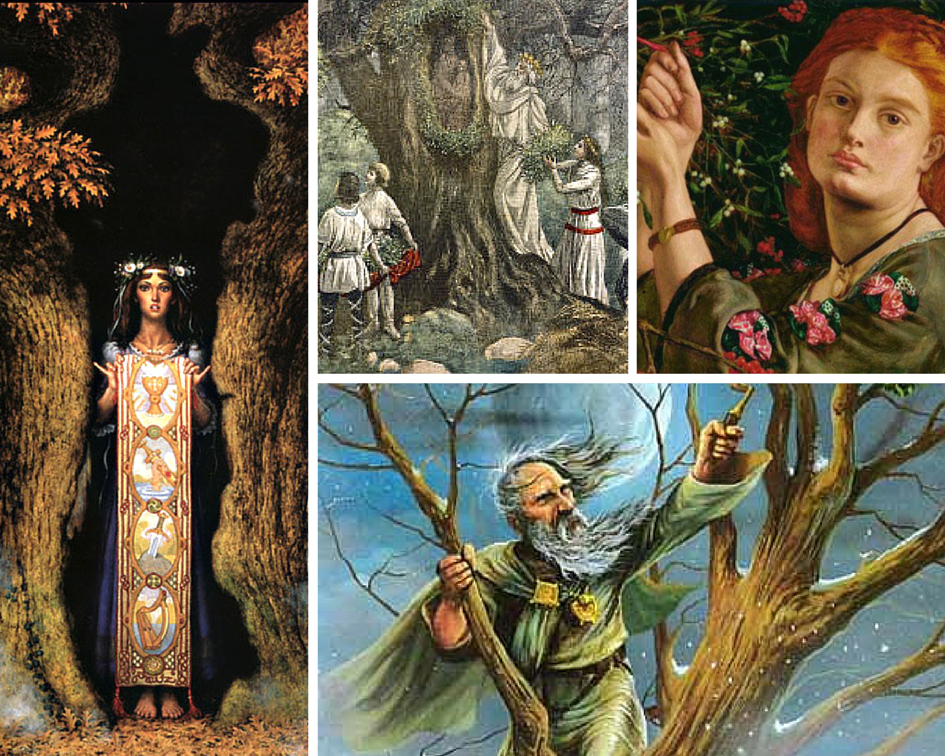
According to Pliny the Elder, Celtic druids held mistletoe growing on oak especially sacred and cut it with a golden sickle. In Norse myth, the goddess Frigg mourned her son Baldr, killed by a mistletoe arrow, and made the plant a symbol of love. Kissing under the mistletoe spread in England in the 18th and 19th centuries: a berry was picked after each kiss, and when the berries ran out, so did the kisses.
Mistletoe leaves and berries are poisonous: if eaten they can cause vomiting, stomach pain and other symptoms in people and pets. Hang sprigs high, pick up fallen berries and choose artificial berries if you have small children, cats or dogs. Do not use mistletoe preparations or infusions without medical advice.
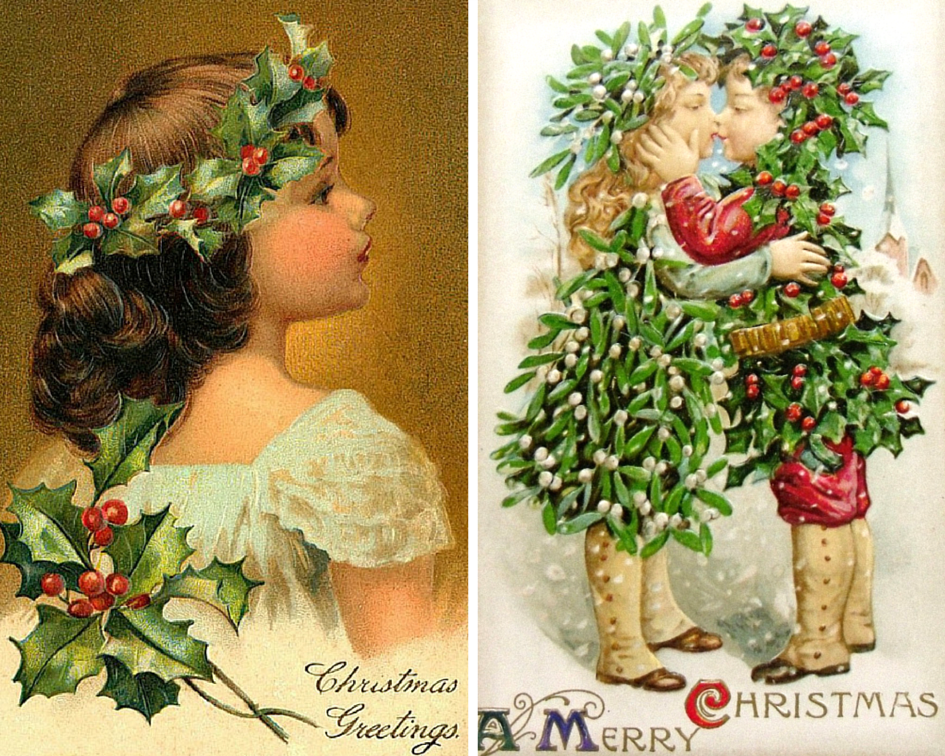
Holly, spruce and poinsettia complement mistletoe in Christmas decor. For holiday traditions in Ukraine and around the world, see Christmas in Ukraine.
It is an English Christmas tradition linked to the Norse myth in which mistletoe became a symbol of love and reconciliation.
Yes, its berries and leaves are toxic to people and animals.
On tree branches — poplars, apple trees, limes, maples, pines; in Ukraine it is easy to spot in winter.

Author: Maria Svitlovir
Graduated from Taras Shevchenko National University of Kyiv, Institute of Biology and Medicine (2001). BSc in Biology, MSc in Horticulture. Writes about plants, works at a garden centre selecting and repotting plants, and contributes to plant reference guides.
© Salerno 2026 UFL Flower Shop

Trademark UFL №191476 is used under license of the rights holder.
All rights reserved. Any use of materials without a link to the site is prohibited.

 Birthday
 Hydrangeas