
 Birthday
 Hydrangeas
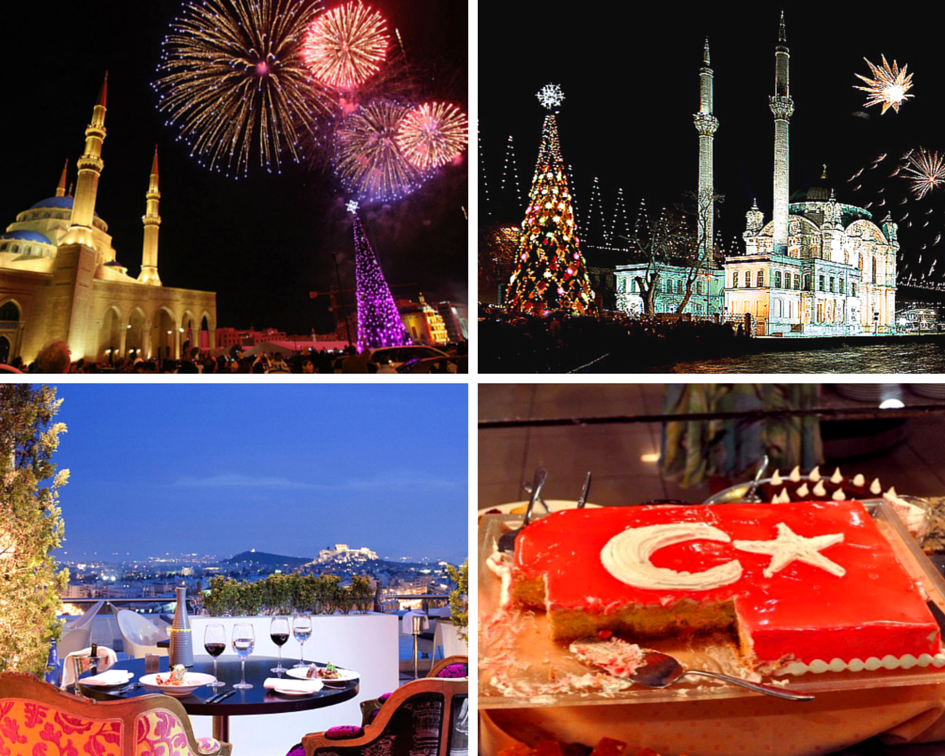
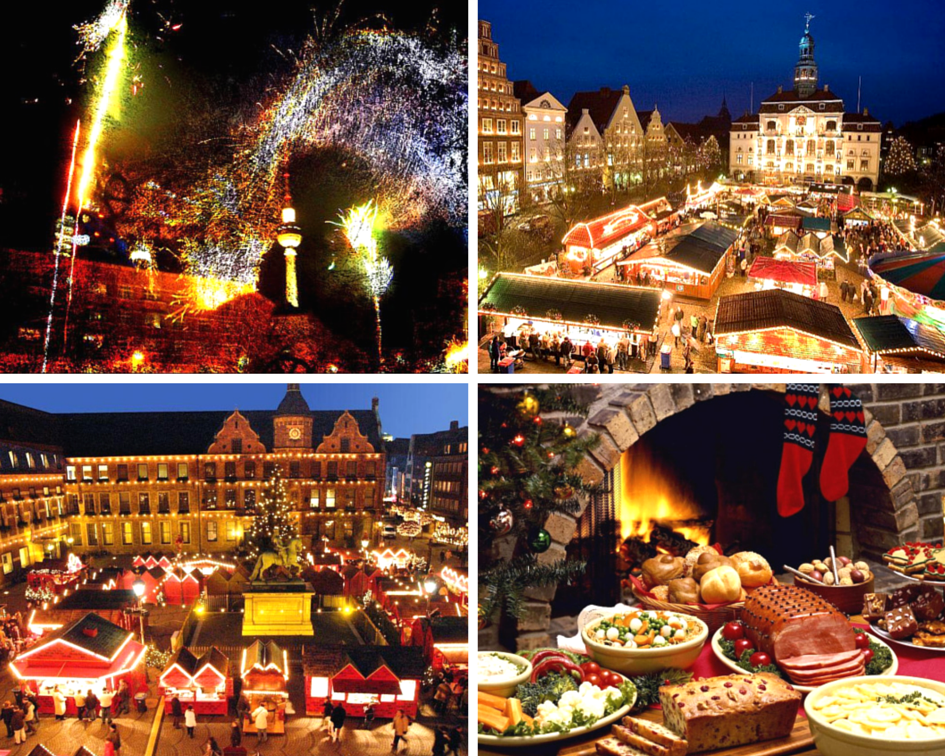
New Year is celebrated almost everywhere, but each country does it its own way: eating grapes to the midnight chimes, smashing plates for luck or jumping over ocean waves. Here are the most interesting New Year traditions around the world, Ukrainian customs, and the plants and flowers linked to the holiday.
Festive bouquets and arrangements are available among our flower baskets and flower boxes.
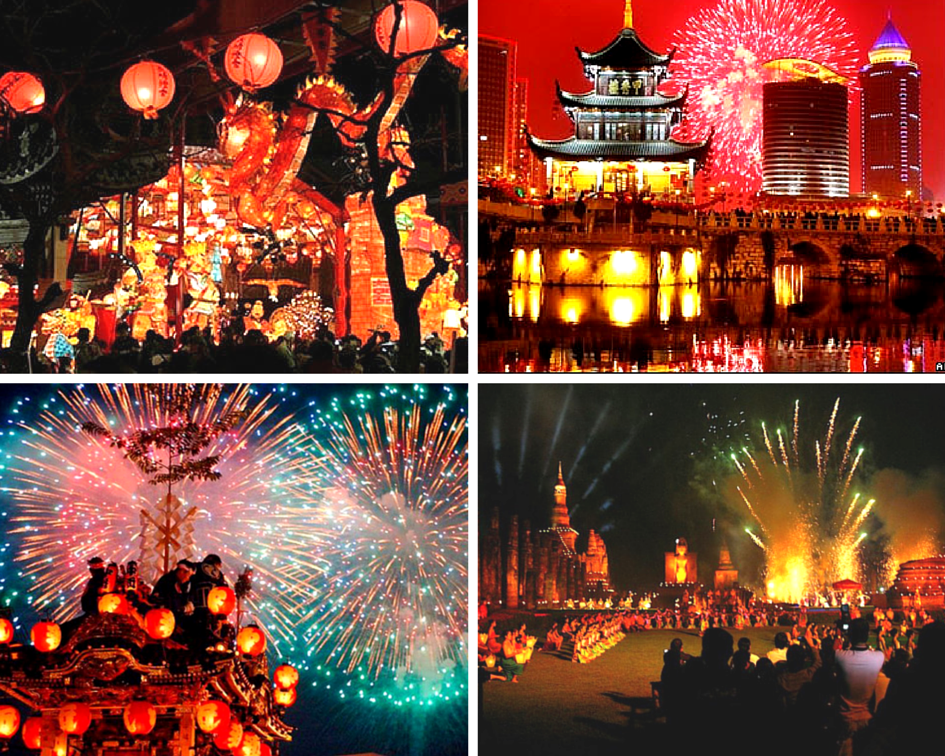
Traditions at a glance
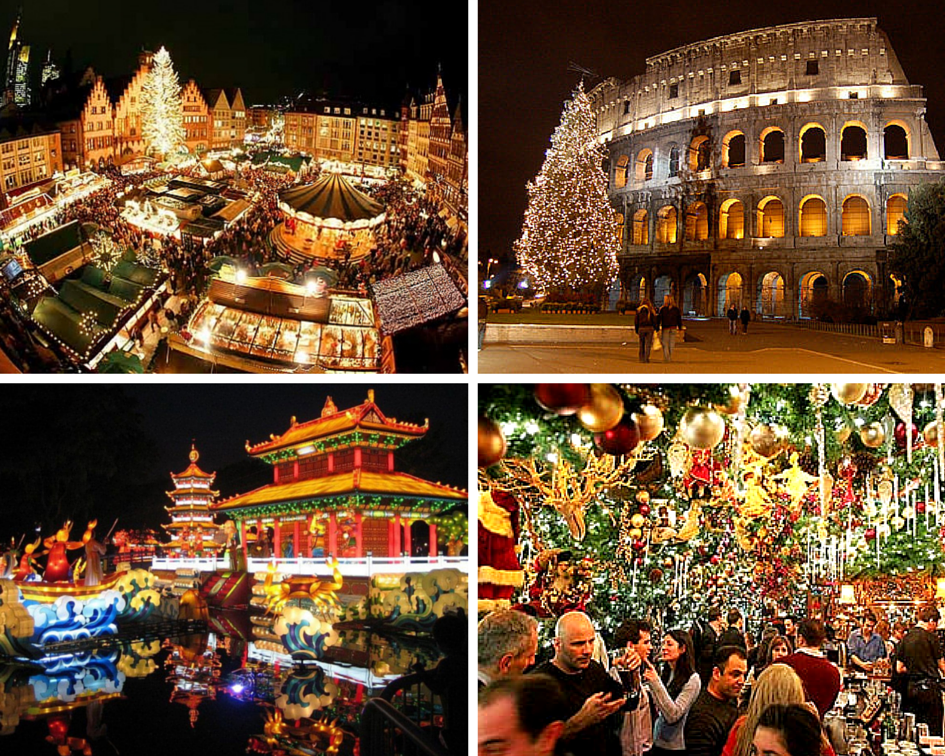
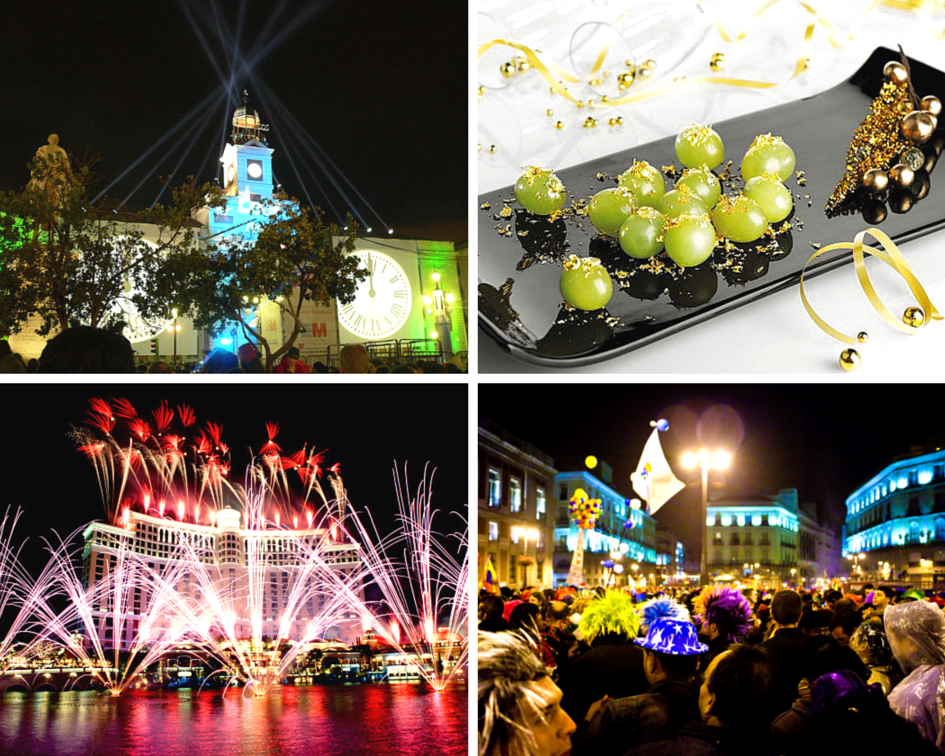
Europe
- Spain — one grape is eaten at each of the 12 chimes at midnight for a lucky year.
- Italy — lentils go on the table for prosperity, and outfits include something red.
- Scotland — at Hogmanay, the first person to cross the threshold after midnight matters; the "first foot" brings food and coal for the fire.
- Denmark — old plates are smashed at friends' doors: the more shards, the more luck.
- Greece — a vasilopita cake is baked with a coin inside, bringing luck to whoever finds it.
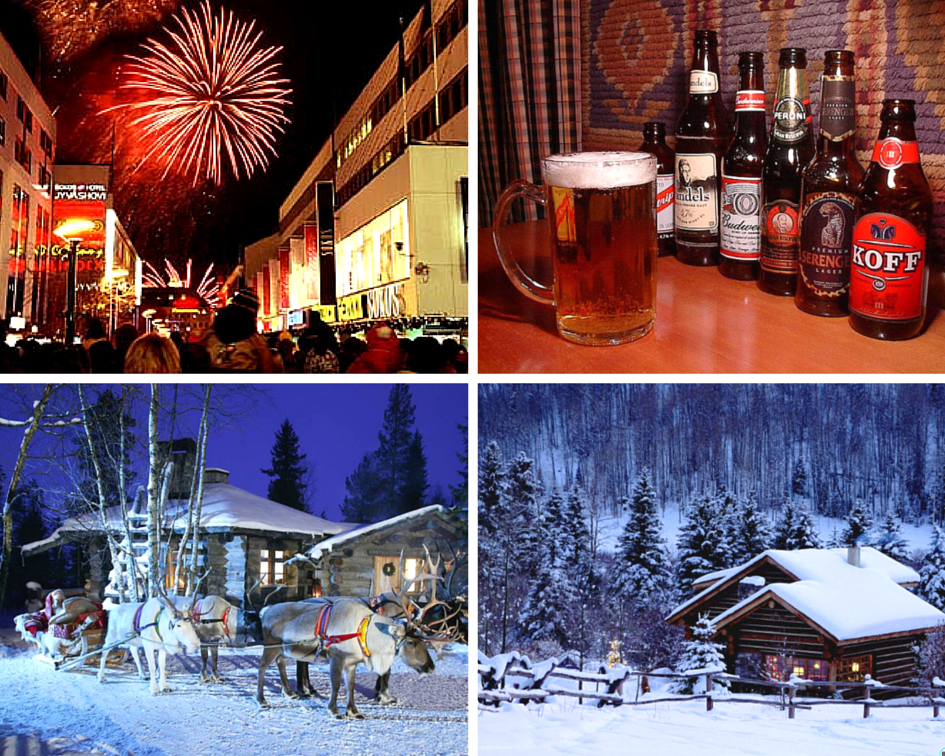
Asia and the Americas
- Japan — temple bells ring 108 times (joya no kane), and kadomatsu arrangements of pine, bamboo and plum stand by entrances.
- China — the main celebration is Lunar New Year (January–February): red envelopes, lanterns and fireworks.
- Brazil — people wear white, throw flowers into the ocean for the sea goddess Iemanjá and jump seven waves.
- Philippines — 12 round fruits on the table symbolise coins and prosperity.
Ukrainian New Year customs
Since the Orthodox Church of Ukraine and the UGCC moved to the Revised Julian calendar in 2023, Generous Eve (Malanka) falls on 31 December and St Basil's Day with its "sowing" custom on 1 January. In the evening carollers sing shchedrivky — the most famous, "Shchedryk", became the global hit Carol of the Bells — and in the morning children scatter grain in relatives' homes, wishing them a good harvest and prosperity. Read the story of the melody in Shchedryk — the Ukrainian carol that conquered the world.
New Year plants and flowers
- Spruce and pine — symbols of everlasting life; the decorated tree tradition came from German lands.
- Mistletoe and holly — in Britain, people kiss under the mistletoe.
- Poinsettia — the Mexican "Christmas star"; see poinsettia care.
- Kadomatsu — the Japanese arrangement of pine and bamboo.
- Didukh — the Ukrainian Christmas sheaf, symbolising harvest and ancestral memory.

How people make New Year wishes
Many countries have a midnight wish ritual: write it on paper and burn it, eat a grape for each chime, or make a wish as the clock strikes. The most effective, though, is to set a goal for the year and take the first step in January.
FAQ
When is Generous Eve in Ukraine?
Under the Revised Julian calendar, on 31 December; the sowing custom is on 1 January.
Why do Spaniards eat 12 grapes?
One for each chime at midnight — for luck in every month of the new year.
When is Chinese New Year?
It follows the lunar calendar, falling between late January and mid-February; the date changes every year.

View full-size photo
Author: Maria Svitlovir
Graduated from Taras Shevchenko National University of Kyiv, Institute of Biology and Medicine (2001). BSc in Biology, MSc in Horticulture. Writes about plants, works at a garden centre selecting and repotting plants, and contributes to plant reference guides.