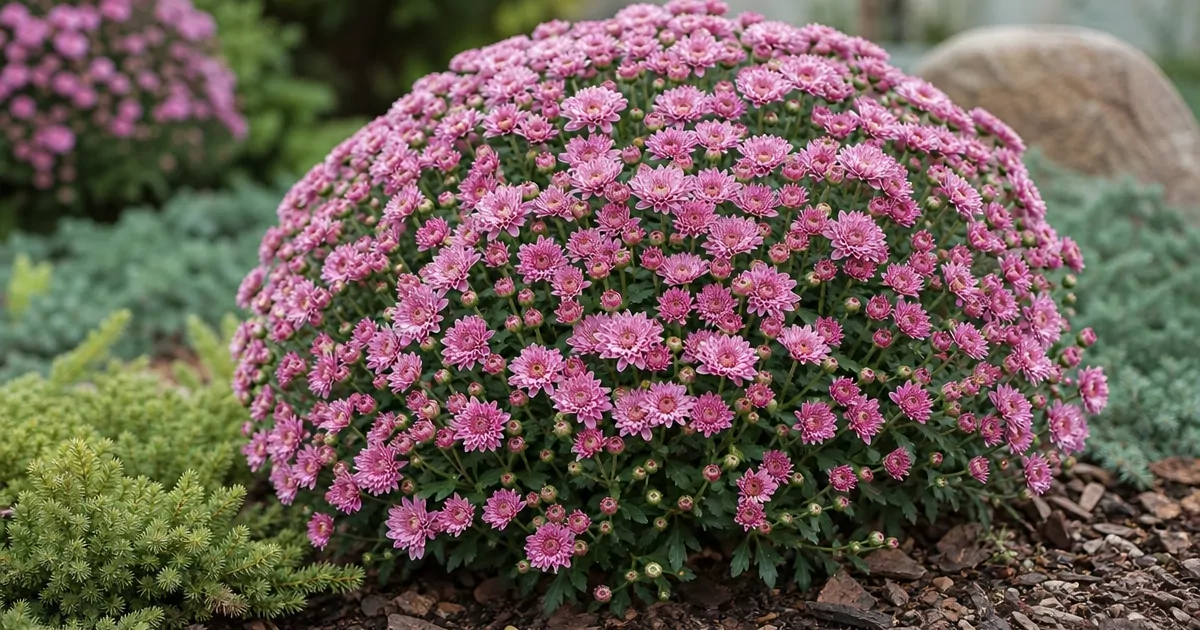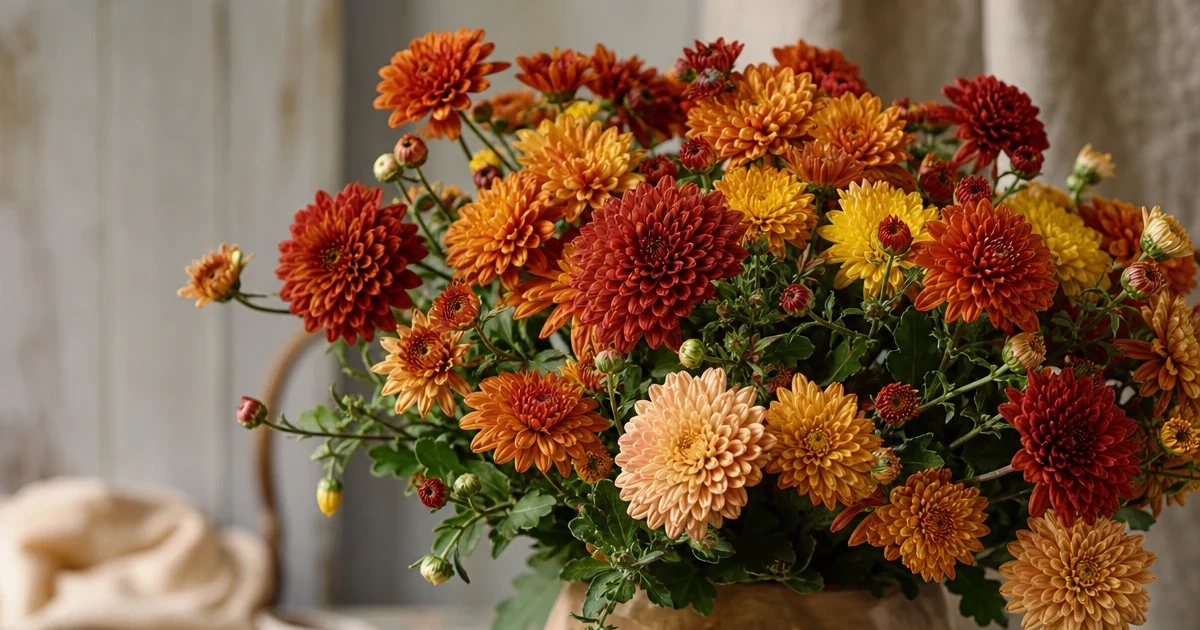
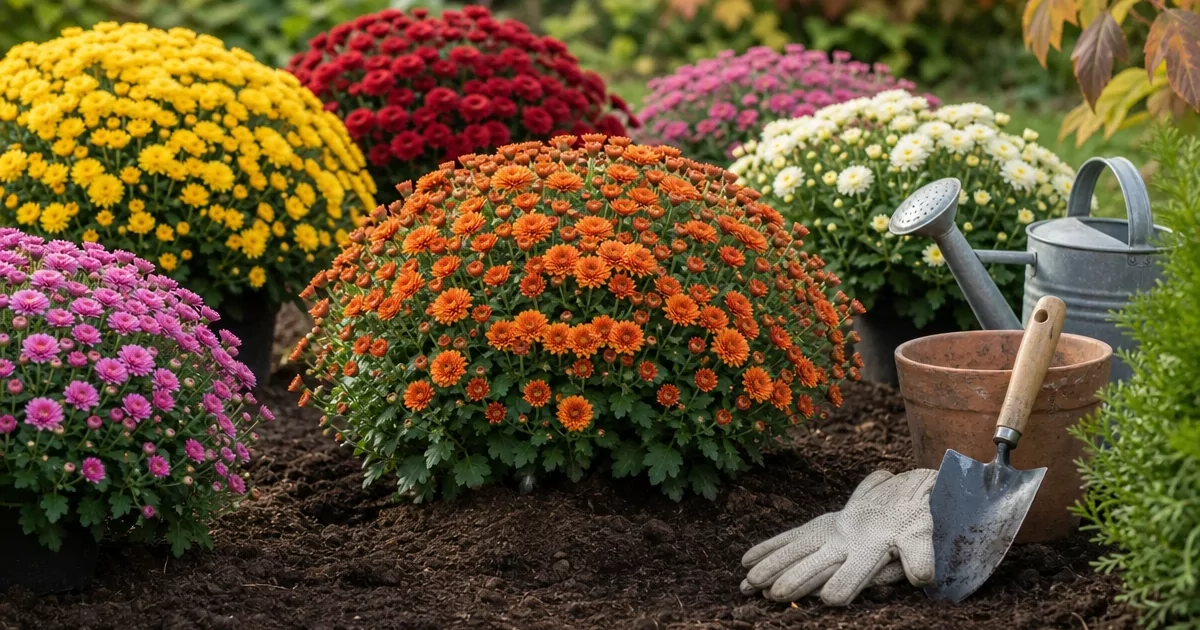
Multiflora chrysanthemum is a bush chrysanthemum that forms a dense ball covered in hundreds of small flowers all by itself. In autumn these “balls” brighten beds, terraces and balconies long after most annuals have faded. Here is what the plant is, which varieties exist, and how to plant, care for, overwinter and propagate multiflora.
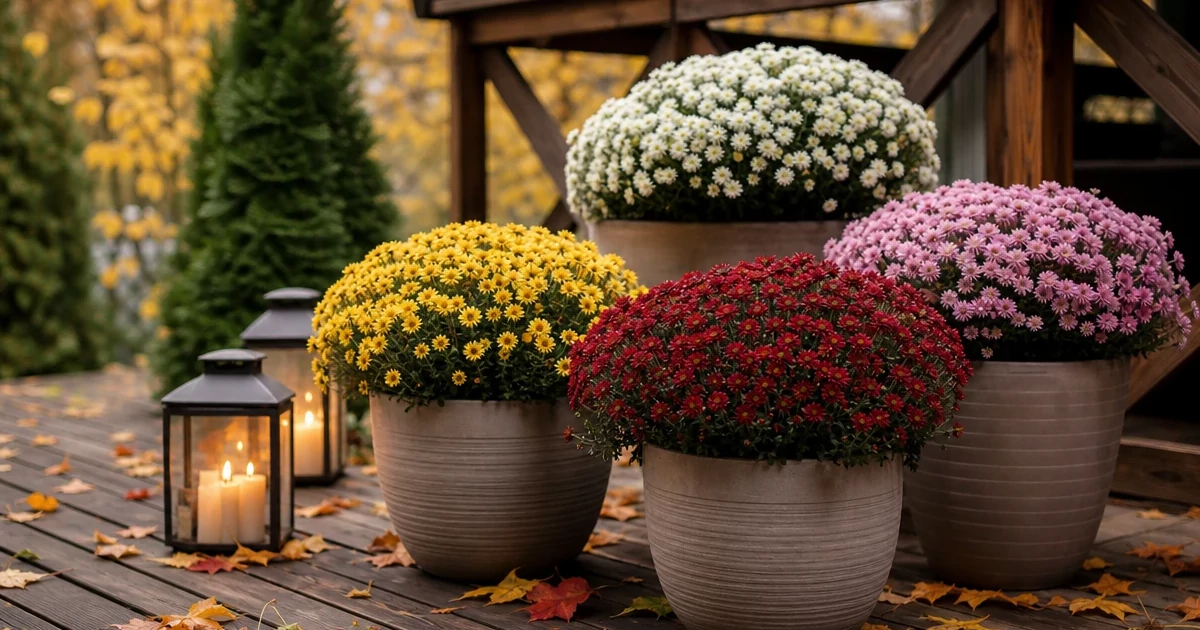
Multiflora (Latin for “many-flowered”) is a group of compact hybrid chrysanthemums bred for pots and beds. Its key feature is a genetically built-in shape: the bush branches on its own into a neat ball 30–70 cm across, with no pinching or pruning. The flowers are small, 2–5 cm, single or semi-double, and a single plant can carry several hundred.
Multiflora blooms from late August until the frosts — six to eight weeks on average, longer in a mild autumn. The plant is perennial but tender: in most of Ukraine it is safer to lift it for winter. Multiflora is sold in pots at garden centres and as rooted cuttings in spring.
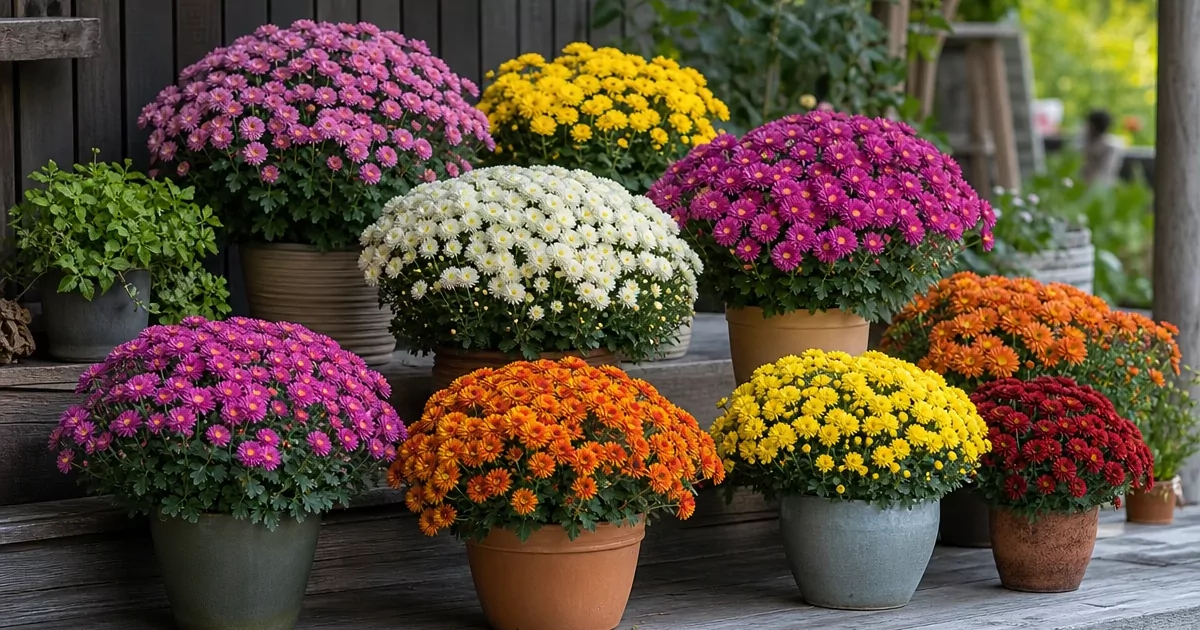
Most multifloras on sale belong to European-bred series with names starting “Bran”. Varieties within a series share size and bloom time and differ mainly in colour. The most common are:
| Series | Colours | Notes |
|---|---|---|
| Branbeach | white, orange, coral, yellow | compact balls, profuse flowering |
| Branfountain | lemon, salmon, purple | one of the most popular series for beds |
| Branindio | yellow-orange | bright “autumn” colour |
| Branroyal | yellow, white, pink | showy balls for pots |
| Branhill | red | rich colour, pairs well with white varieties |
Besides the variety name, check the bloom time: early multifloras open in late August, late ones in October. Combining two or three varieties gives a bed that flowers right up to the frosts. Choose colours by mood: white and yellow balls lift shady corners, while burgundy and orange set off autumn foliage.
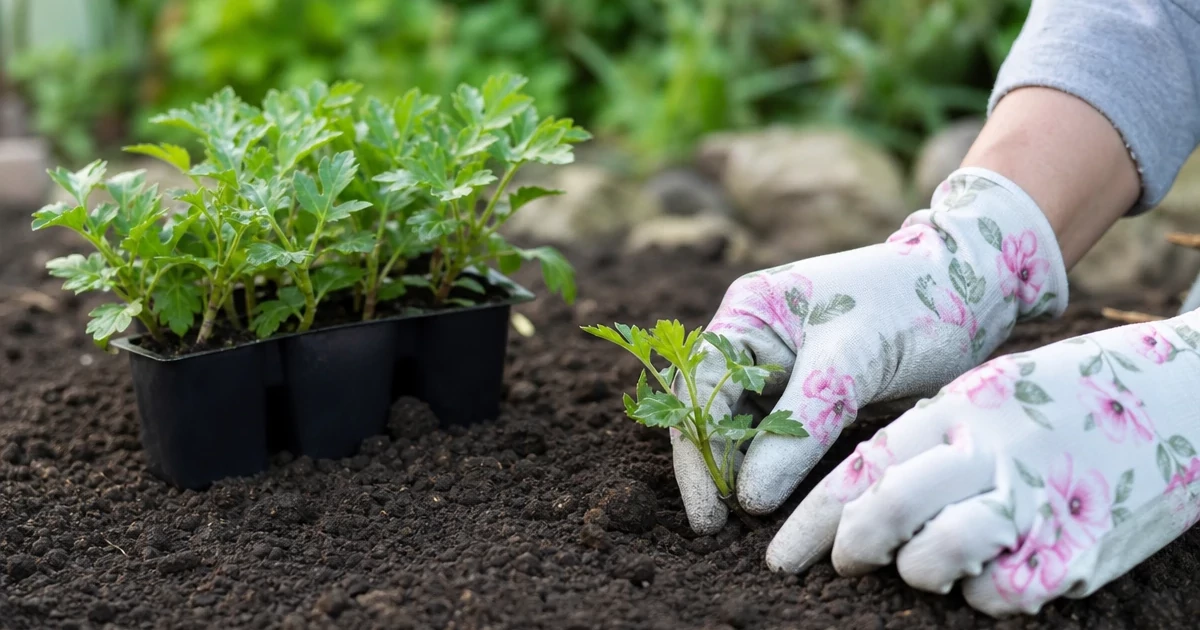
The best time to plant multiflora outdoors is late April to May, once frosts are over and the soil has warmed. That gives the bush time to grow into a full ball by autumn. You can buy budded plants in pots in autumn too, but then they are best kept in containers as seasonal decoration.
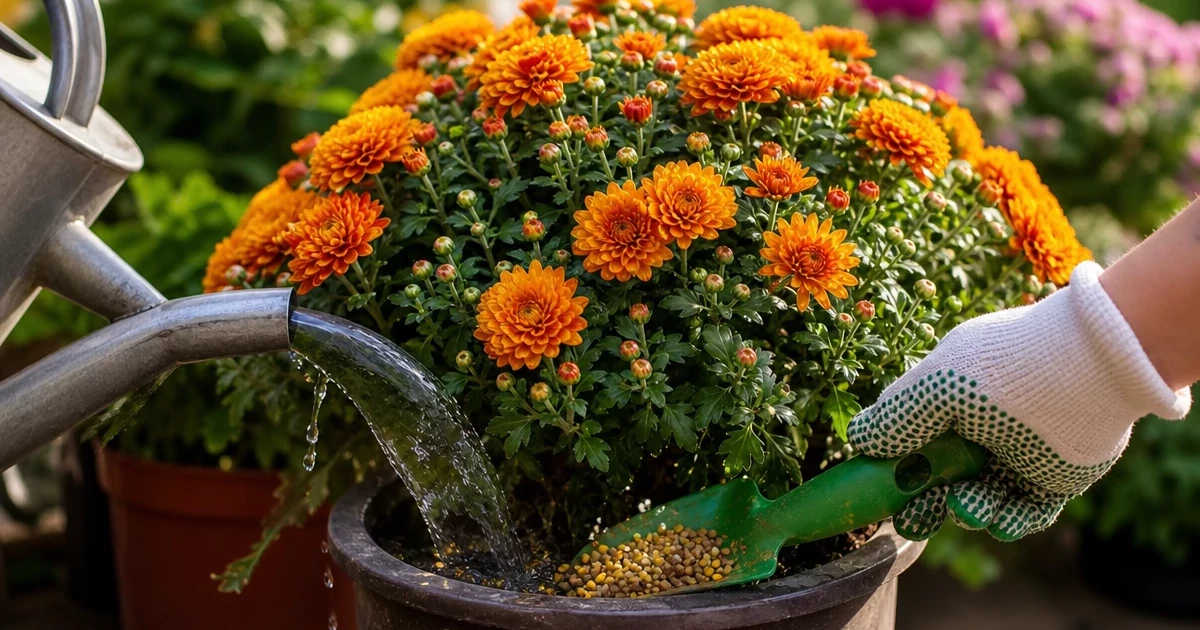
Multiflora is undemanding, but a few simple rules keep the ball dense and full of flowers.
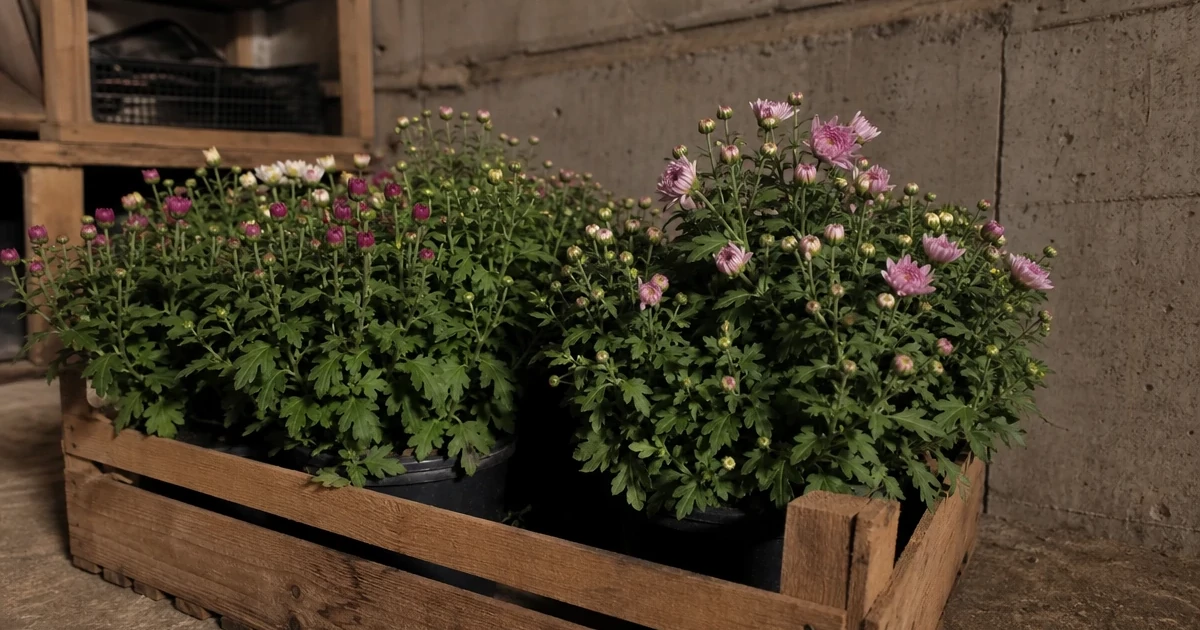
Multiflora survives light frosts, but hard freezes and winter thaws are dangerous for it. That is why in most of Ukraine the plants are lifted after flowering.
In the south, where winters are milder, multiflora is sometimes left in the ground: the stems are cut back, earthed up and covered with mulch or spruce branches. Even there it is safer to keep at least one plant in the cellar as a source of spring cuttings.
Multiflora grows beautifully in containers, so it is often bought already in flower for terraces, porches and balconies. Choose a pot 2–3 cm wider than the root ball, with drainage holes. Keep it in the sun, water more often than in the ground and never let it dry out — potting soil can dry within a day or two.
Multiflora does not do well as a houseplant: in a warm flat with dry air it quickly loses its shape. After flowering, move the pot somewhere cool for winter, then in spring plant it out in the garden or refresh the soil and put it back outside.
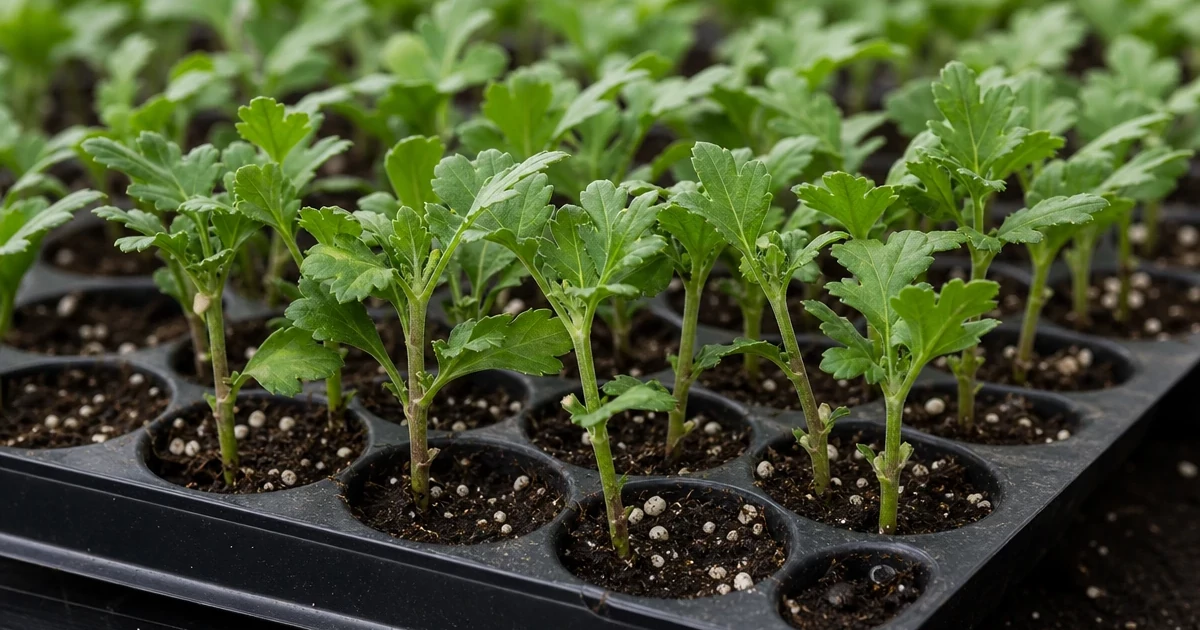
The most reliable method is cuttings. In March, bring the mother plant that wintered in the cellar into warmth and light. When the new shoots reach 8–10 cm, cut them, strip the lower leaves and root them in damp sand or a light mix under plastic. After two to three weeks they form roots, and in May they go into the ground — by autumn each will be a ball.
Division in spring is simpler: split the mother plant into two to four pieces, each with roots and shoots. Seed is not suitable for multiflora: these are hybrids, and seedlings don’t reproduce the parent’s shape or colour.
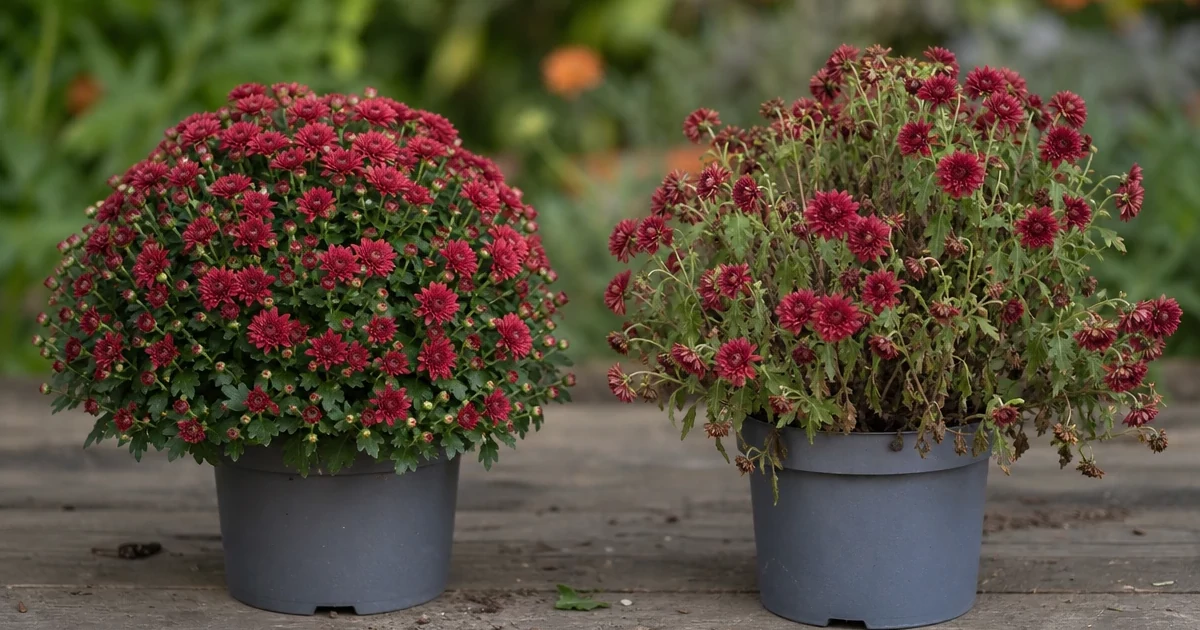
If the ball is loose, bare on one side or short of flowers, the cause is usually one of these:
A dense ball gets little airflow, so multiflora’s main enemies are fungal diseases.
Prevention is simple: a sunny spot, enough space between plants, and watering in the morning without wetting the flowers.
Multiflora balls look great along paths, in borders, in planters by the door and in autumn arrangements. Good companions are ornamental grasses, heucheras, heathers, ornamental cabbage and asters. For a bold accent, plant several balls of one colour as a group or alternate two contrasting varieties. Find more ideas in our guide to autumn flowers, and read about planting and overwintering other garden types in chrysanthemums in the garden.
Multiflora is grown mainly for the garden; for bouquets florists use cut spray and single-headed chrysanthemums, which last two to three weeks in a vase. Read how to look after them in chrysanthemums in a vase, and about varieties in types of chrysanthemums. If you want to brighten someone’s day with an autumn bouquet, order chrysanthemums with delivery in Kyiv.
In most of Ukraine, yes. After the frosts, cut the plant back to 10–15 cm, lift it and store it in a cellar at 0 to +5 °C. In the south it can stay in the ground under mulch, but there is still a risk of frost damage.
From late April to May, after the frosts. That way the plant forms a full ball by autumn.
No. Multiflora forms its ball shape on its own — it is a genetic trait of the variety.
Cut the stems back, lift the plant and move it somewhere cool and dark until spring. In March bring it into the warmth to take cuttings.
It isn’t worth it: multiflora is a hybrid, and seedlings lose the ball shape and the parent’s colour. Propagate it from cuttings or by division.

Author: Maria Svitlovir
Graduated from Taras Shevchenko National University of Kyiv, Institute of Biology and Medicine (2001). BSc in Biology, MSc in Horticulture. Writes about plants, works at a garden centre selecting and repotting plants, and contributes to plant reference guides.
© Chetrosu 2026 UFL Flower Shop

Trademark UFL №191476 is used under license of the rights holder.
All rights reserved. Any use of materials without a link to the site is prohibited.

 Birthday
 Hydrangeas