
 Birthday
 Hydrangeas
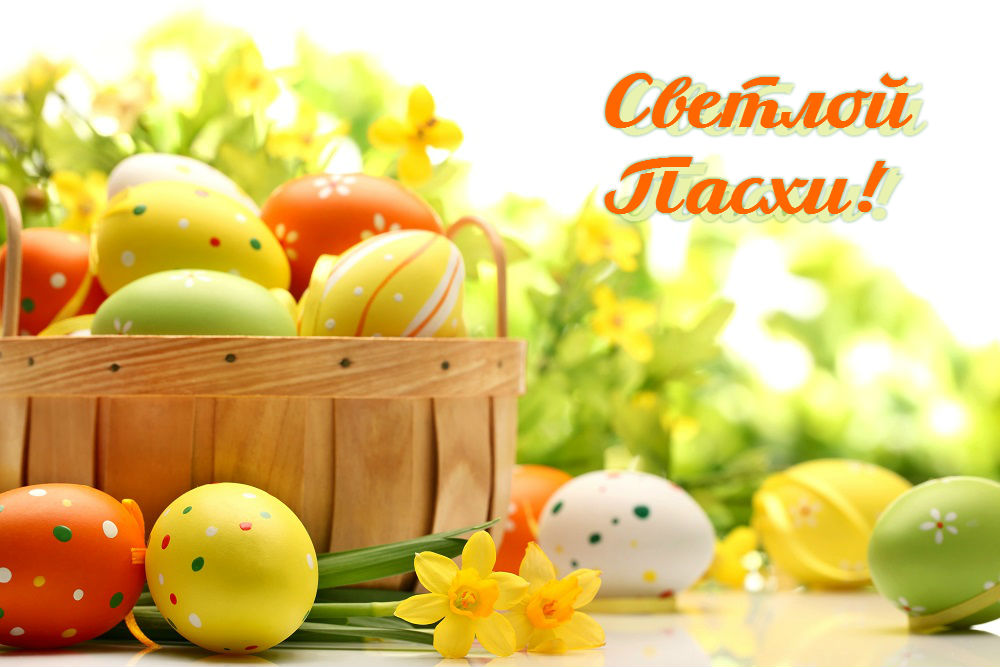
Easter, called Velykden in Ukrainian, is the most important feast of the Christian calendar, the day of Christ’s Resurrection. In Ukraine it is especially rich in customs: krashanky and pysanky, the blessed basket, haivky round dances, egg games and the Provody days of remembrance. Many traditions developed over centuries, blending church rites with folk customs of welcoming spring. Here is how Ukrainians celebrate Velykden.
Why “Velykden”
The word “Pascha” comes from Greek and goes back to the Hebrew “Pesach”, while the Ukrainian name Velykden — “the Great Day” — stresses the holiday’s importance. Scholars note that ancient spring rites are woven into Easter customs: pysanky, egg games and haivky are linked with nature’s awakening and hopes for a good harvest.
Why the date changes every year
Easter is a movable feast, celebrated on the first Sunday after the first full moon following the spring equinox. Churches calculate the date using different calendars, so Orthodox and Catholic Easter sometimes coincide and sometimes fall a week or more apart. In 2023 the Orthodox Church of Ukraine and the Ukrainian Greek Catholic Church moved their fixed feasts to the new calendar, but Easter is still calculated by the traditional paschal tables.
Holy Week
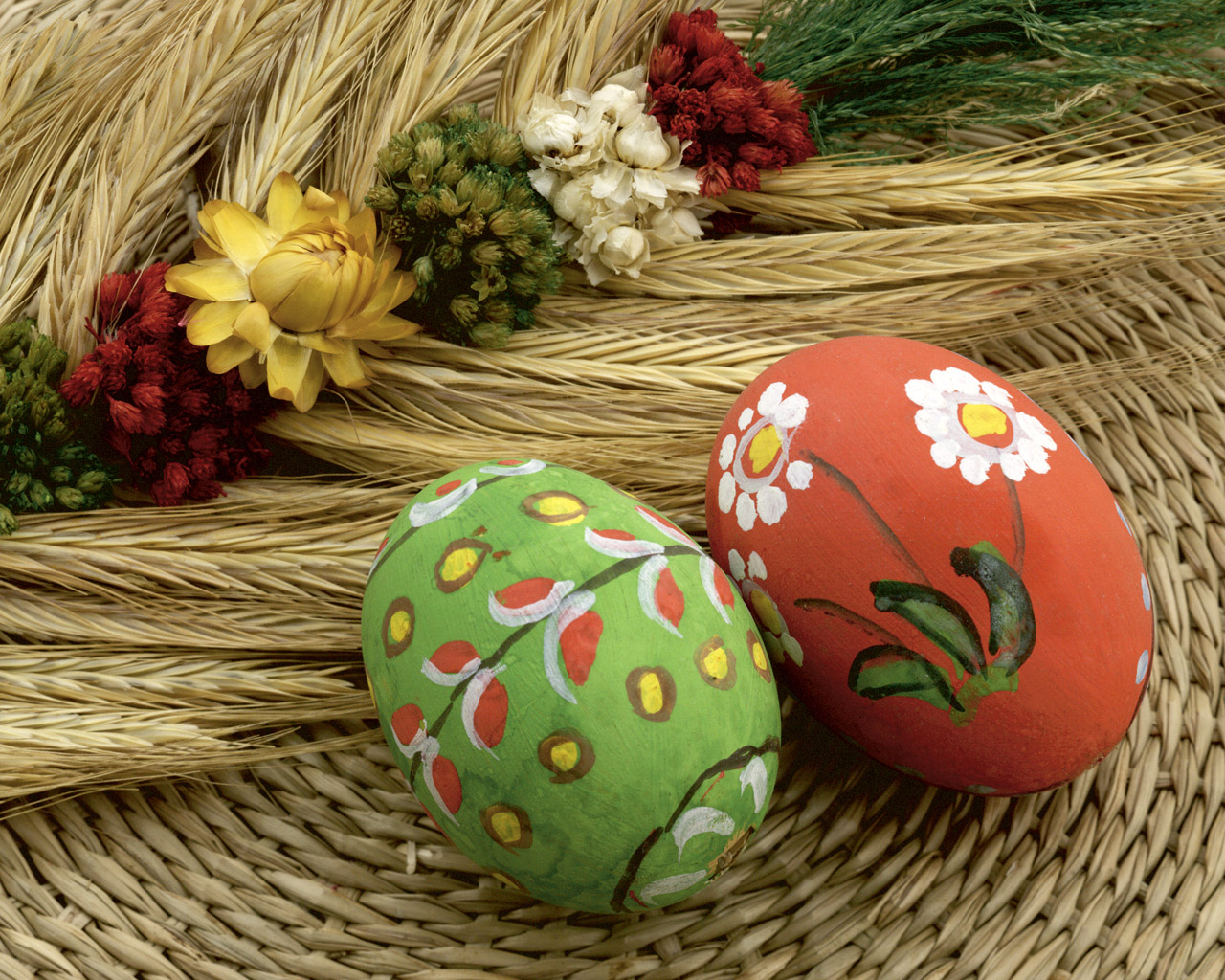
The celebration starts well before Sunday. On Palm Sunday pussy willow is blessed and family members are playfully tapped with the twigs: “It’s not me who strikes, it’s the willow — Easter is in a week.” On Holy Thursday people clean the house and bake paska, Good Friday is a strict fast day, and on Saturday the basket is packed for the night service. Read more about the holiday’s symbols in Easter symbols, and for basket decorating ideas see DIY Easter basket.
Easter Day itself
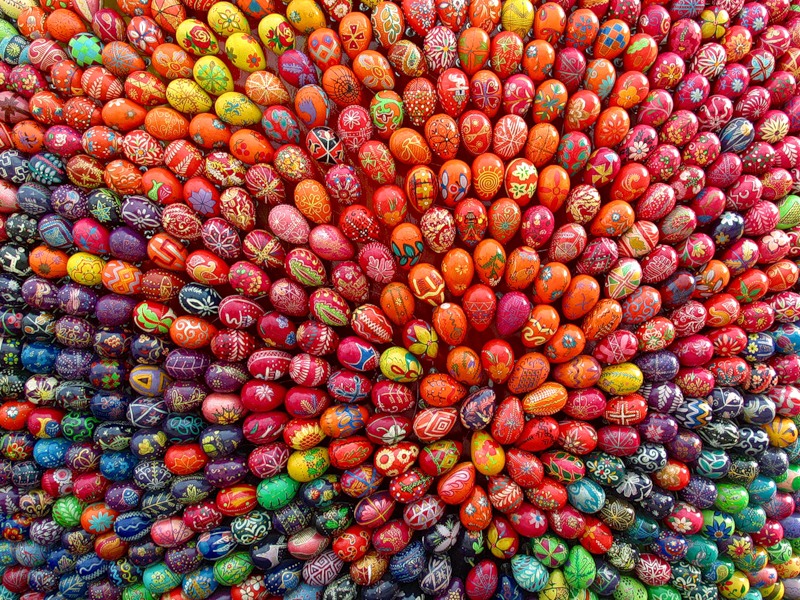
- Blessing the baskets — with paska, krashanky, salo, sausage, cheese, horseradish, salt and a candle.
- The greeting — “Christ is risen!” — “Indeed He is risen!” — used until Ascension.
- The festive breakfast begins with a blessed egg shared among the whole family.
- Egg games — egg tapping (whose egg stays whole) and rolling eggs down a slope.
Haivky and Wet Monday

During the Easter days, especially in western Ukraine, young people lead haivky by the church — spring round dances with songs and games such as “Podolianochka”, “Vorotar” and the “Kryvyi tanets” (crooked dance). They are among the oldest Ukrainian ritual songs. On Easter Monday Galicia celebrates “Wet Monday”, when boys splash girls with water for health and beauty, and on Tuesday the girls return the favour.
Provody

A week after Easter comes Provody (Thomas Sunday or Monday, Radunytsia in some regions): families visit cemeteries, tidy the graves, bring krashanky and remember their loved ones.
For folk beliefs linked to the holiday, see Ukrainian Easter superstitions.
FAQ
How do you reply to “Christ is risen”?
“Indeed He is risen!” — the greeting is used until the feast of the Ascension.
What goes into an Easter basket?
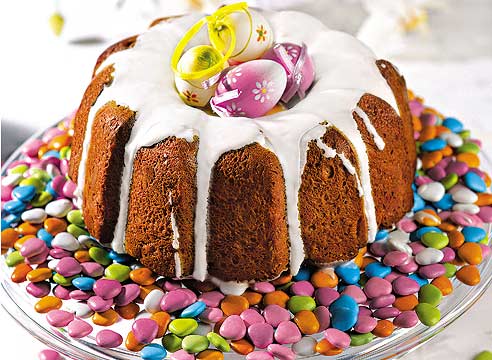
Paska, krashanky and pysanky, salo or sausage, cheese, butter, horseradish, salt and a candle, covered with an embroidered rushnyk.
When is Provody?
A week after Easter — on Thomas Sunday or Monday; the day varies by region.
Spring bouquets for the Easter table are available with delivery in Kyiv from UFL.
View full-size photo
Author: Maria Svitlovir
Graduated from Taras Shevchenko National University of Kyiv, Institute of Biology and Medicine (2001). BSc in Biology, MSc in Horticulture. Writes about plants, works at a garden centre selecting and repotting plants, and contributes to plant reference guides.