The Oleksandriia Arboretum in Bila Tserkva is one of Ukraine’s largest landscape parks: about 400 hectares along the River Ros, over 2,500 plant species, ponds, waterfalls and late-18th-century pavilions. Here is its history, main sights, ticket prices, opening hours, what blooms by season, a route around the park and how to get there from Kyiv.
More on this topic: Sofiyivka Park, botanical gardens of Ukraine, Hryshko Botanical Garden, when lilac blooms.
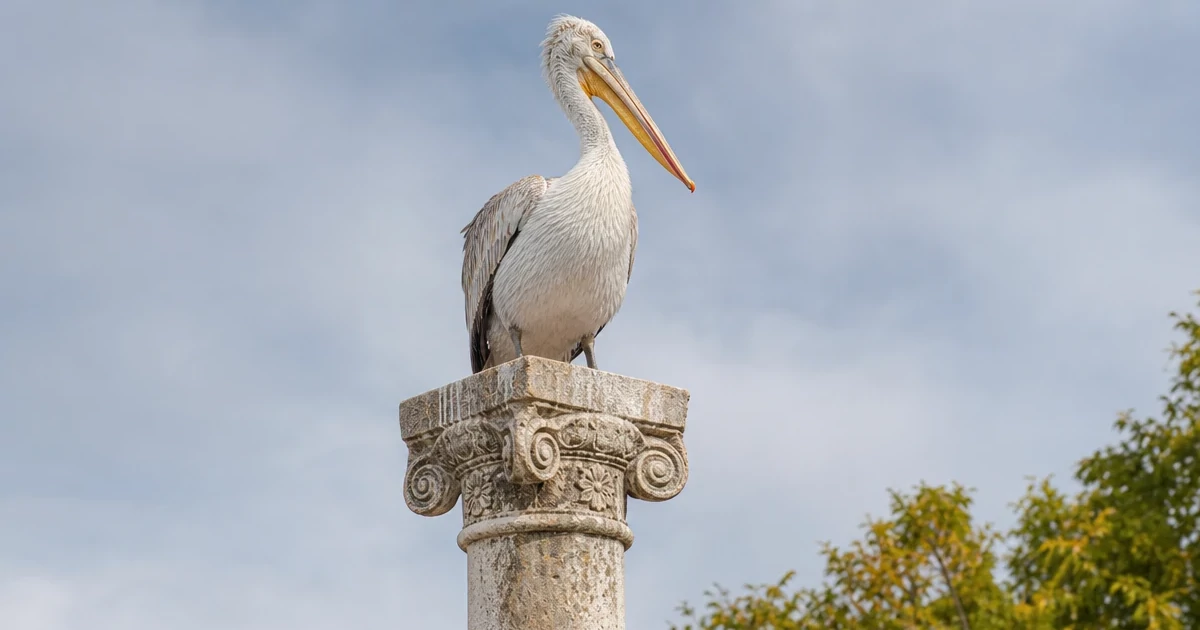
In 1774 King Stanisław August Poniatowski granted Bila Tserkva and its lands to Grand Crown Hetman Franciszek Ksawery Branicki, who in 1784 passed the estate to his wife Aleksandra Branicka, a niece of Prince Grigory Potemkin. In the late 18th century (1788 or 1793, depending on the source) work began on an English-style landscape park named after her. The French architect Muffot is credited among its designers, and gardener August Ens tended it for 54 years — the Pelican Column honours him.
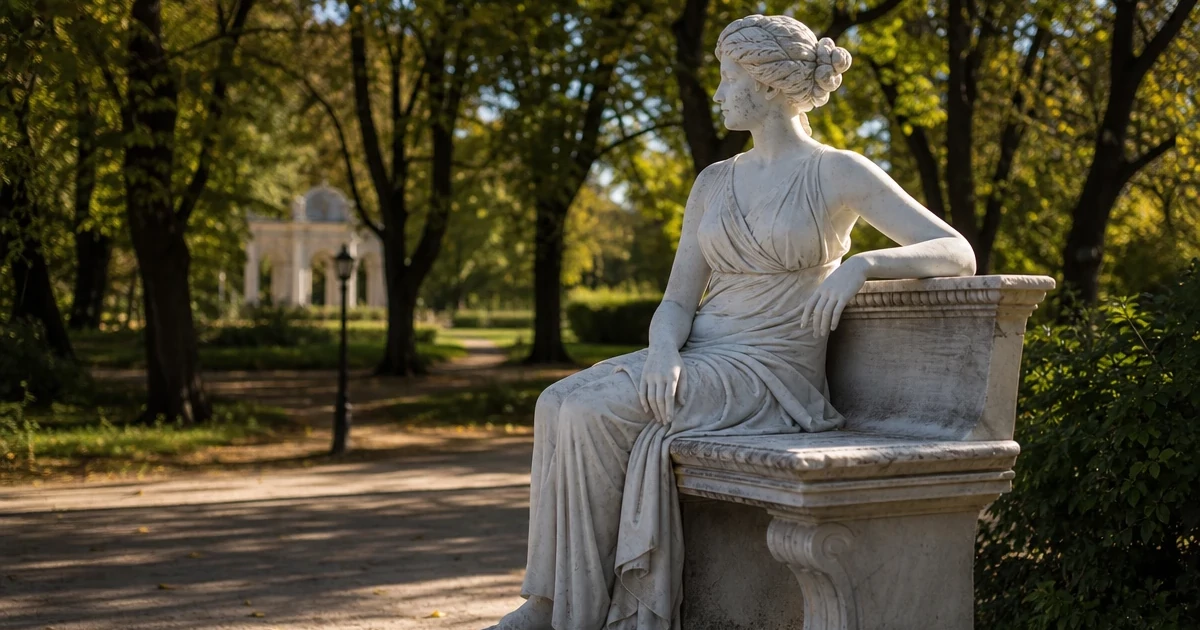
The park blended natural woods above the Ros with artificial ponds, pavilions, “ruins” and marble and bronze sculptures by Italian masters. In the first half of the 19th century it was one of the empire’s best-known residences, visited by Alexander Pushkin, Taras Shevchenko and Gavrila Derzhavin, and Emperors Alexander I and Nicholas I planted trees here themselves. Today it is the State Dendrological Park “Oleksandriia” of the National Academy of Sciences, about 400 hectares — not to be confused with the town of Oleksandriia in Kirovohrad region, which has its own city park.
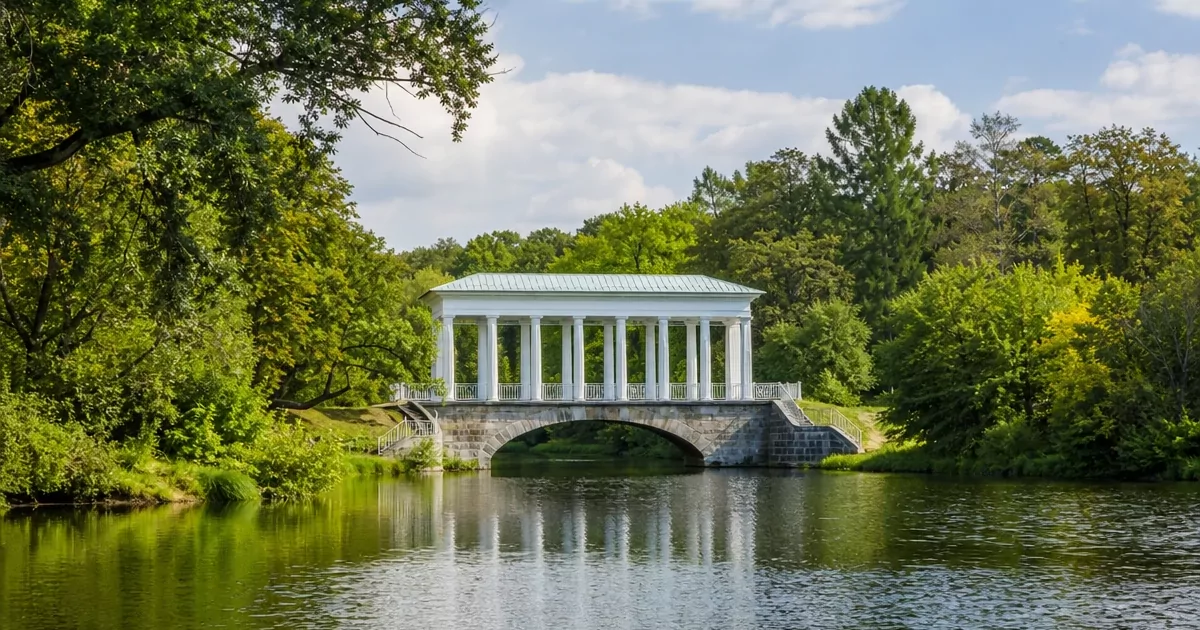
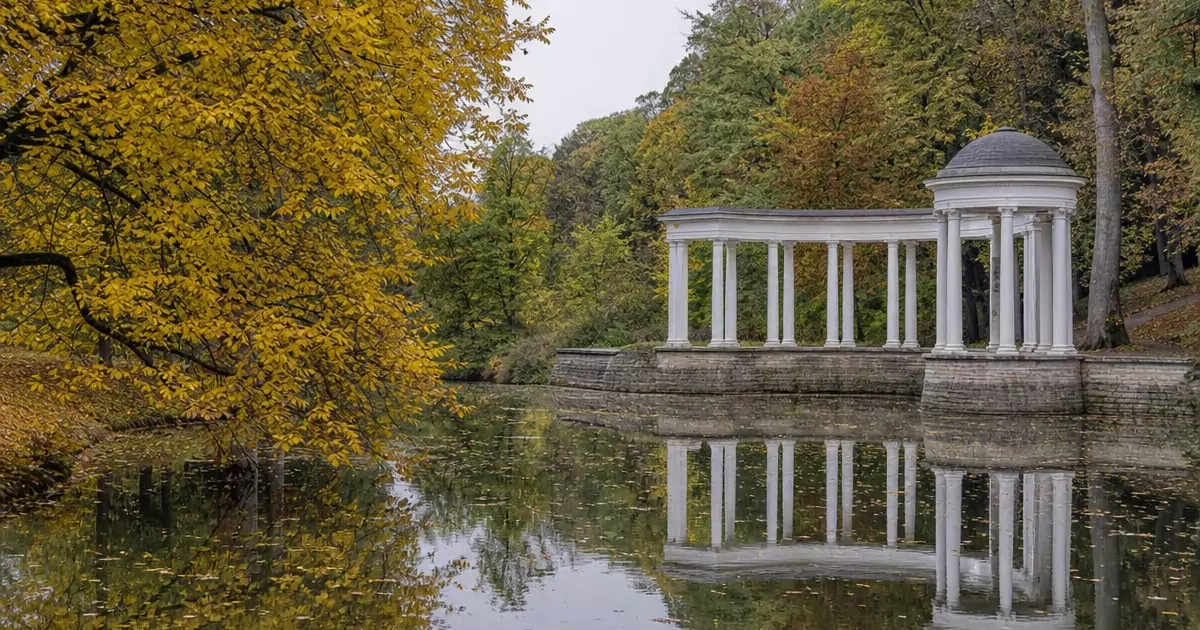
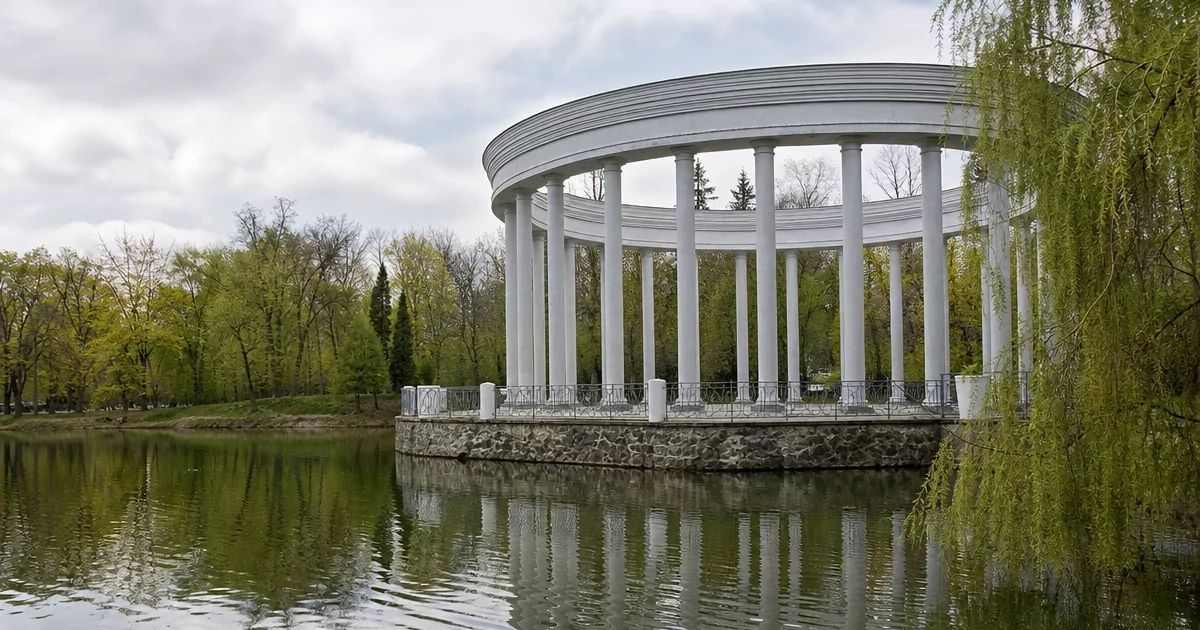
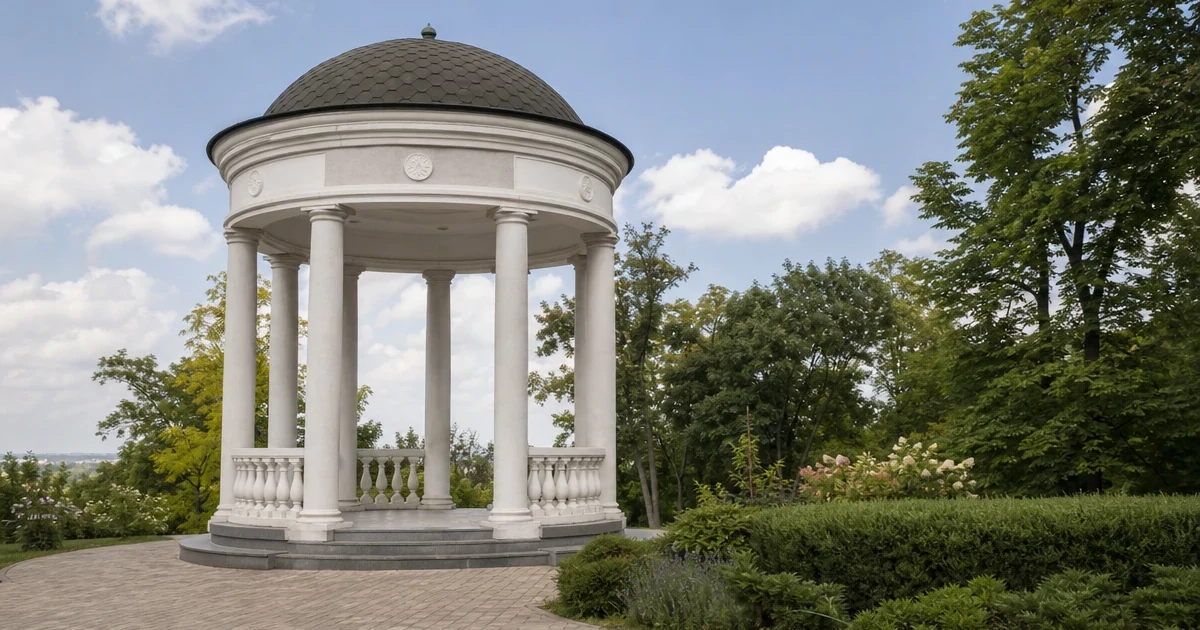
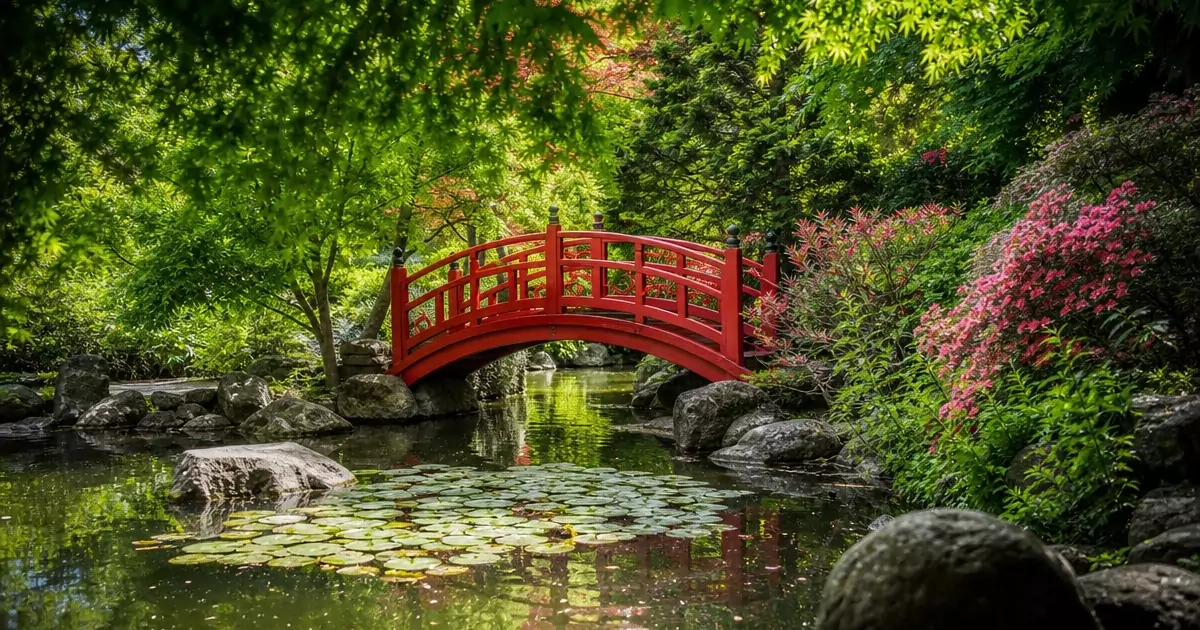
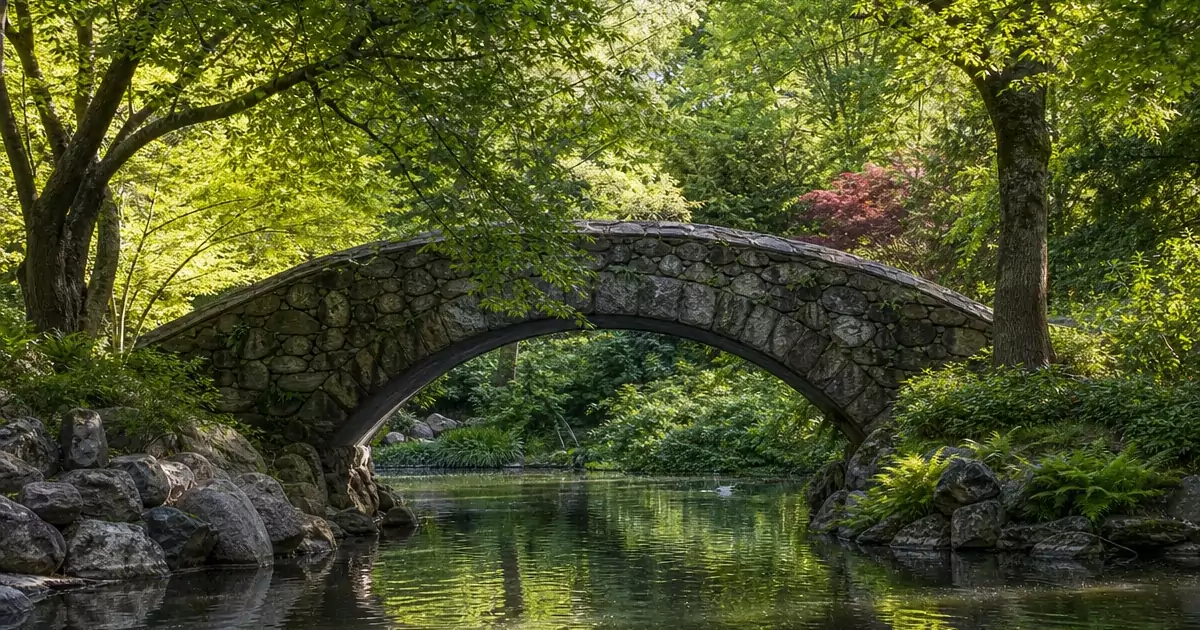
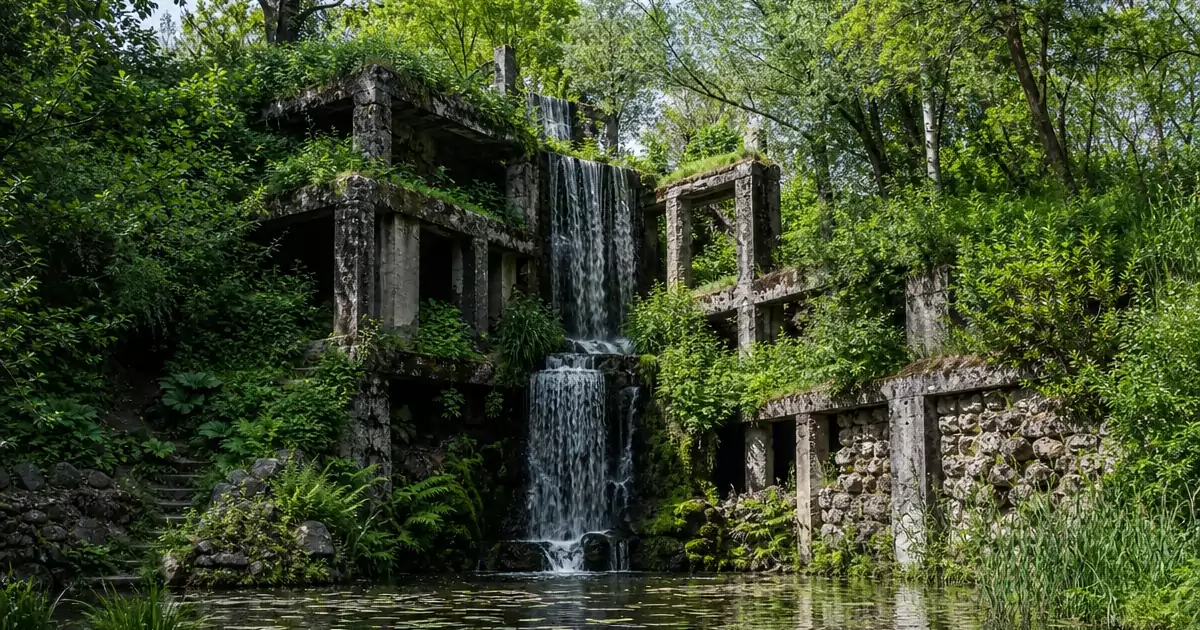
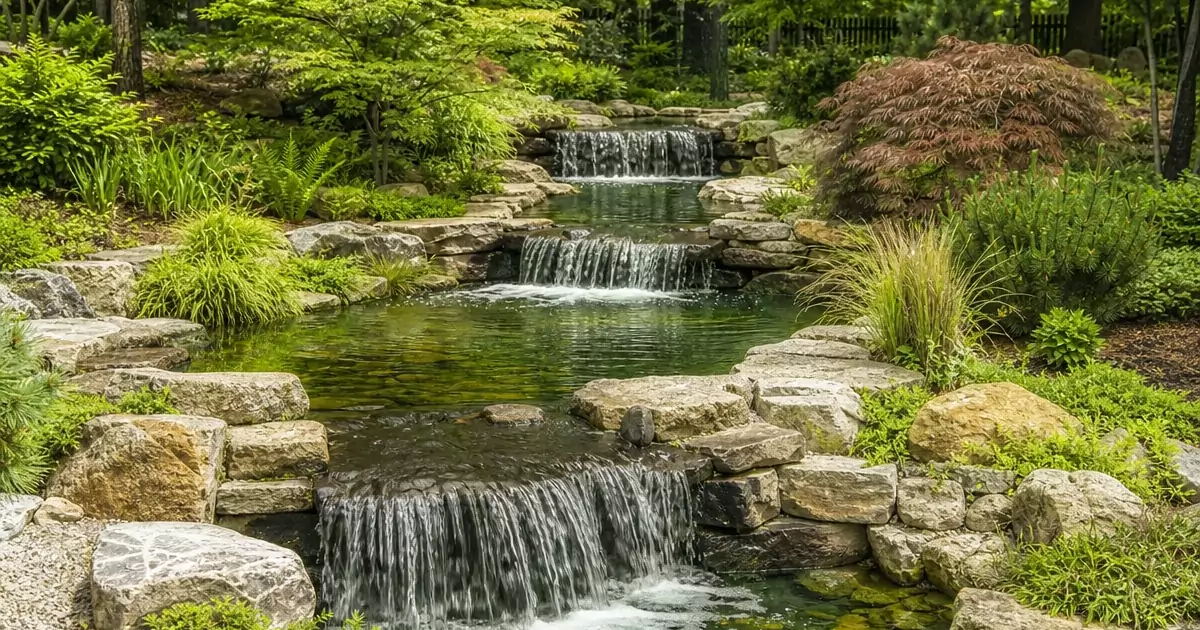
About 400 hectares hold 11 ponds, waterfalls, fountains, pavilions and sculptures. Do not miss:
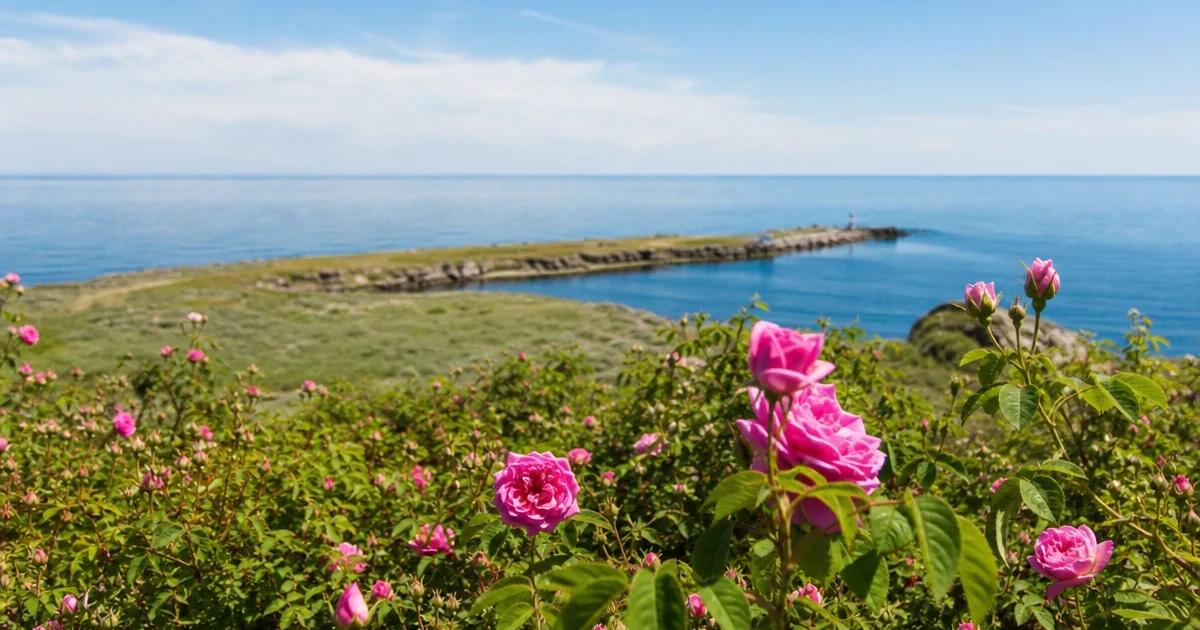
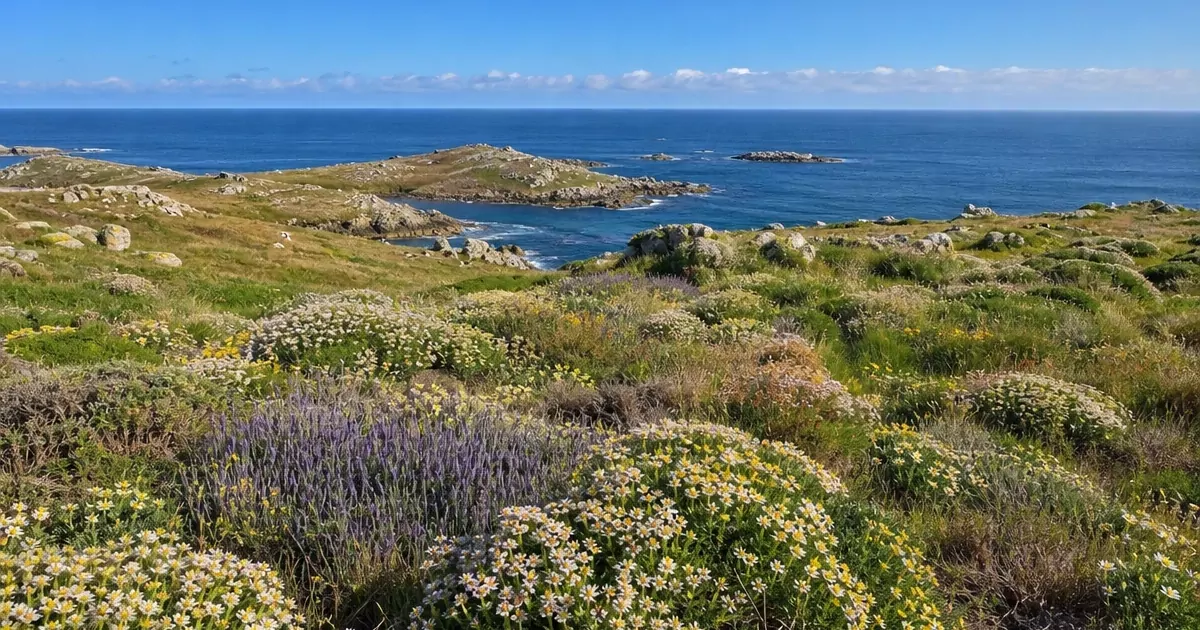
The collection holds over 2,500 plant species, including from North America, the Far East, Japan and China, and natural forest covers the slopes above the Ros.
At the time of writing (2026) the park opens 8:00–21:00 from 15 April to 15 September and 8:00–19:00 the rest of the year. Adult tickets are 50 UAH (60 UAH with a bicycle or scooter), students and schoolchildren 15 UAH, pensioners 2 UAH; eligible groups enter free. Prices may change, so check before visiting.
Bila Tserkva is about 80 km from Kyiv, reachable by car or by bus from Central Railway Station or Lybidska metro. The main entrance is on Skvyrske Highway. For another famous dedicated park, see Sofiyivka Park in Uman.
The park is huge, so decide in advance what you want to see and pick up a map at the entrance:
Allow 3–4 hours for the main sights at an easy pace and half a day for the whole park; a bike lets you cover more.
Kyiv-region guides and reports about Oleksandriia most often single out:
The most common tip is to arrive in the morning and allow at least half a day.
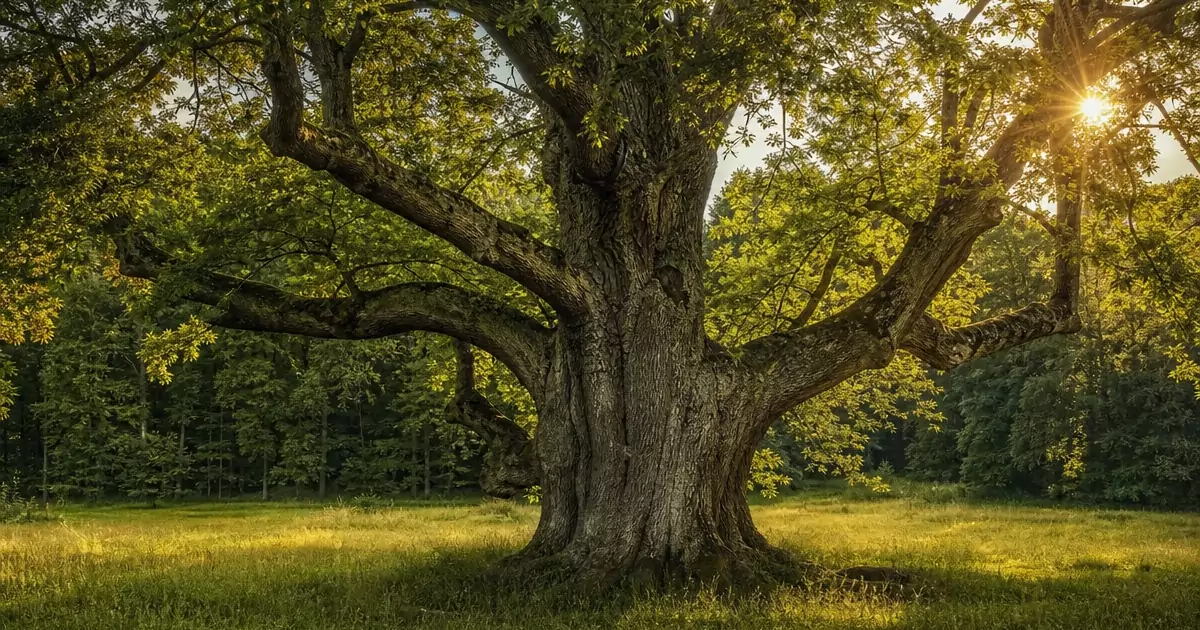
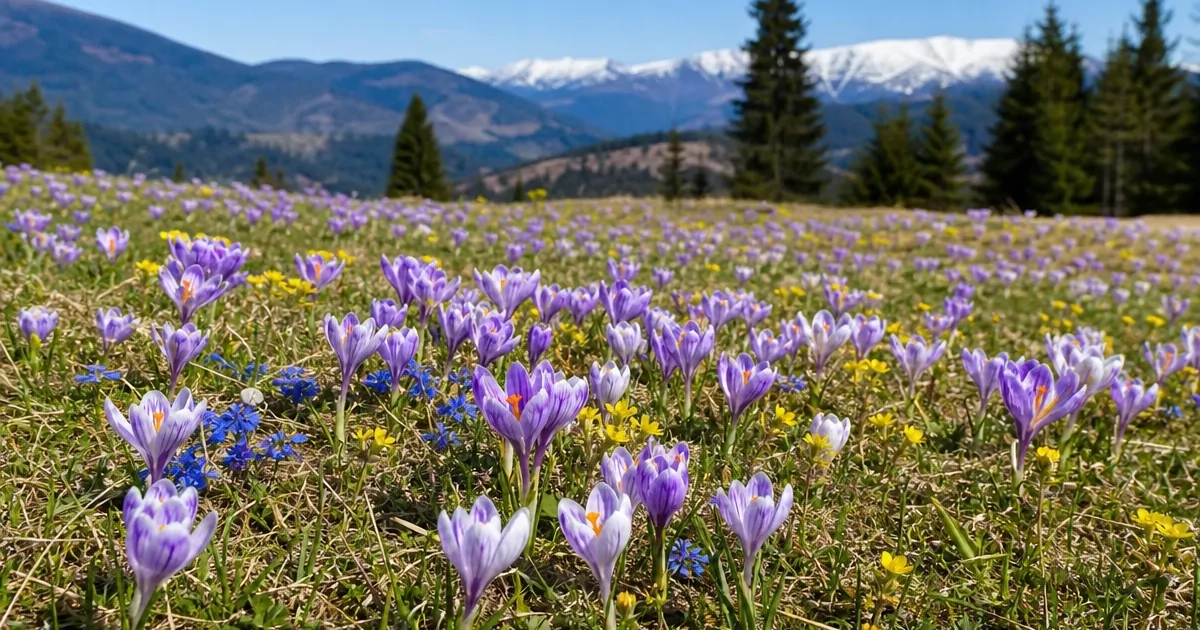
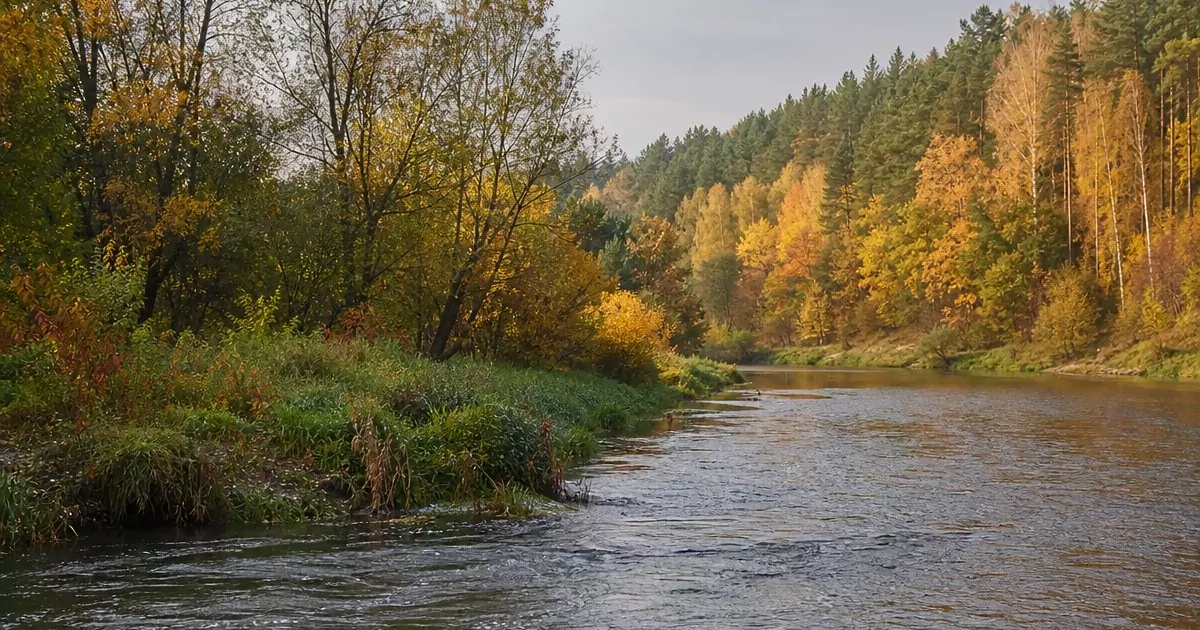
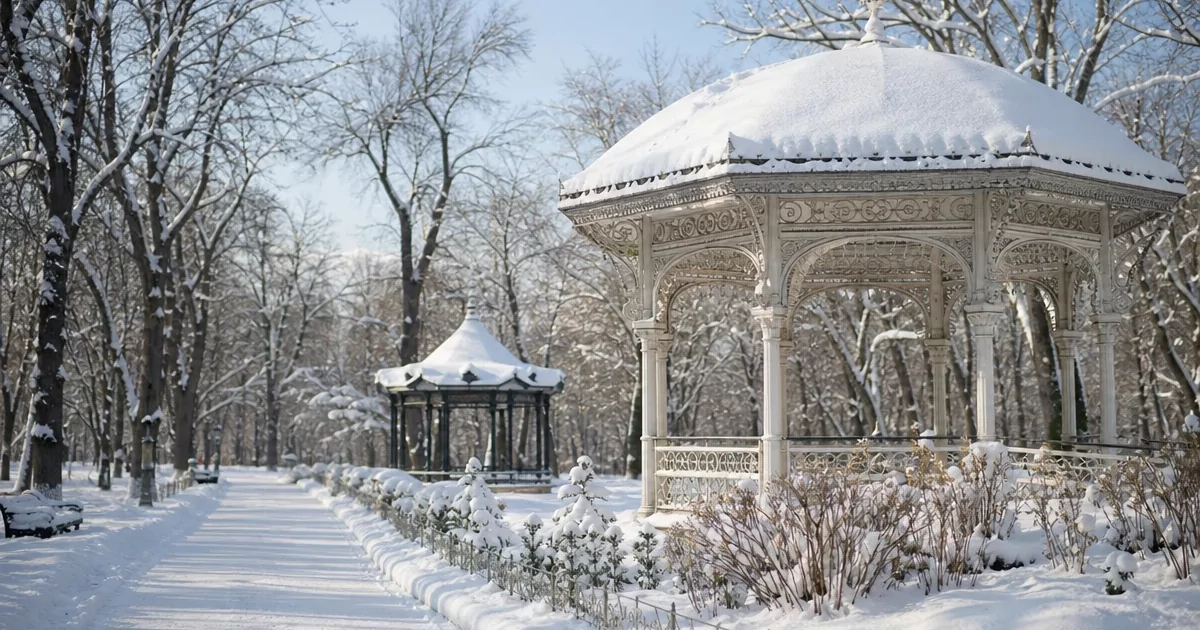
The park’s best-known shots through the seasons:
Visiting family in Bila Tserkva or greeting someone there? Order a bouquet in advance: flower delivery in Bila Tserkva.

See roses and flowers in a box.

At the time of writing, 50 UAH adults, 15 UAH students and pupils, 2 UAH pensioners.
15 April–15 September 8:00–21:00; otherwise 8:00–19:00.
Oleksandra Branicka, wife of Count Franciszek Ksawery Branicki.
By car or bus from Central Station or Lybidska metro, about 80 km.
About 400 hectares along the Ros River, with about 2,500 plant species and forms.
Yes, with a separate ticket — 60 UAH for adults with a bike or scooter at the time of writing.
3–4 hours for the main sights, half a day for the whole park; more by bike.
Author: Maria Svitlovir
Graduated from Taras Shevchenko National University of Kyiv, Institute of Biology and Medicine (2001). BSc in Biology, MSc in Horticulture. Writes about plants, works at a garden centre selecting and repotting plants, and contributes to plant reference guides.
© Kyiv 2026 UFL Flower Shop

Trademark UFL №191476 is used under license of the rights holder.
All rights reserved. Any use of materials without a link to the site is prohibited.

 Birthday
 Hydrangeas