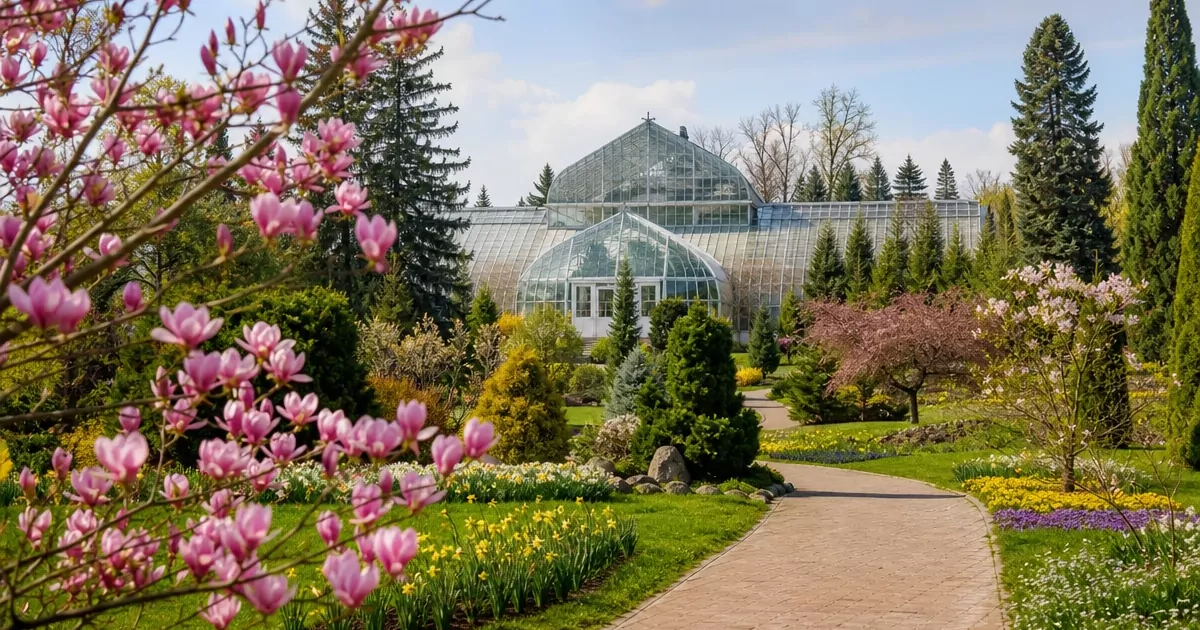
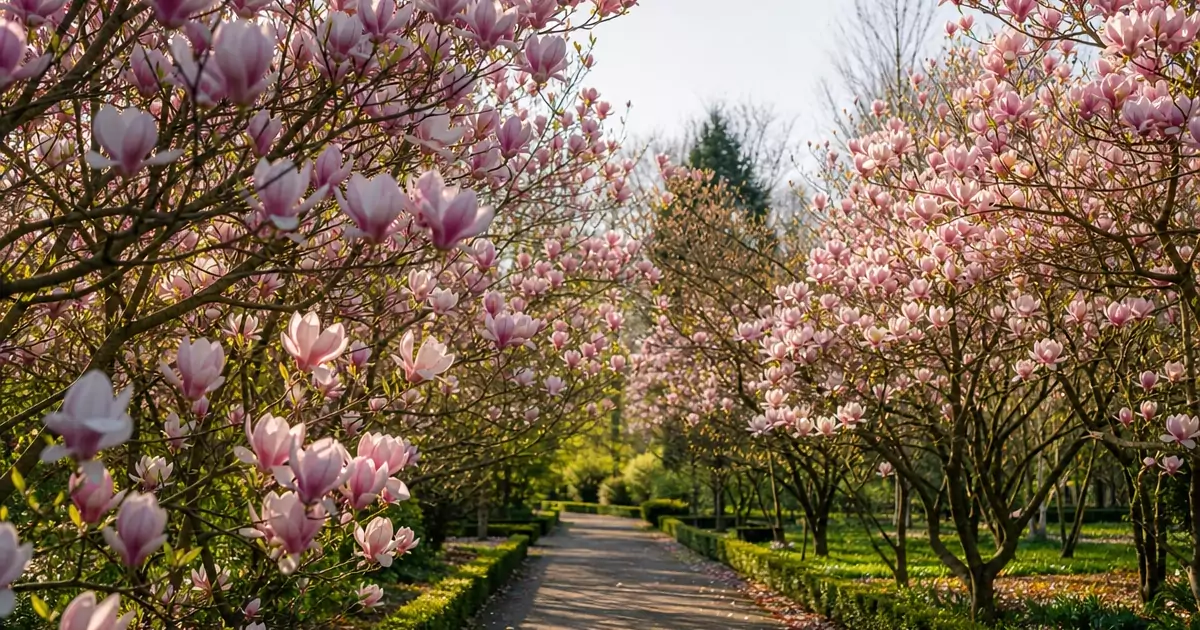
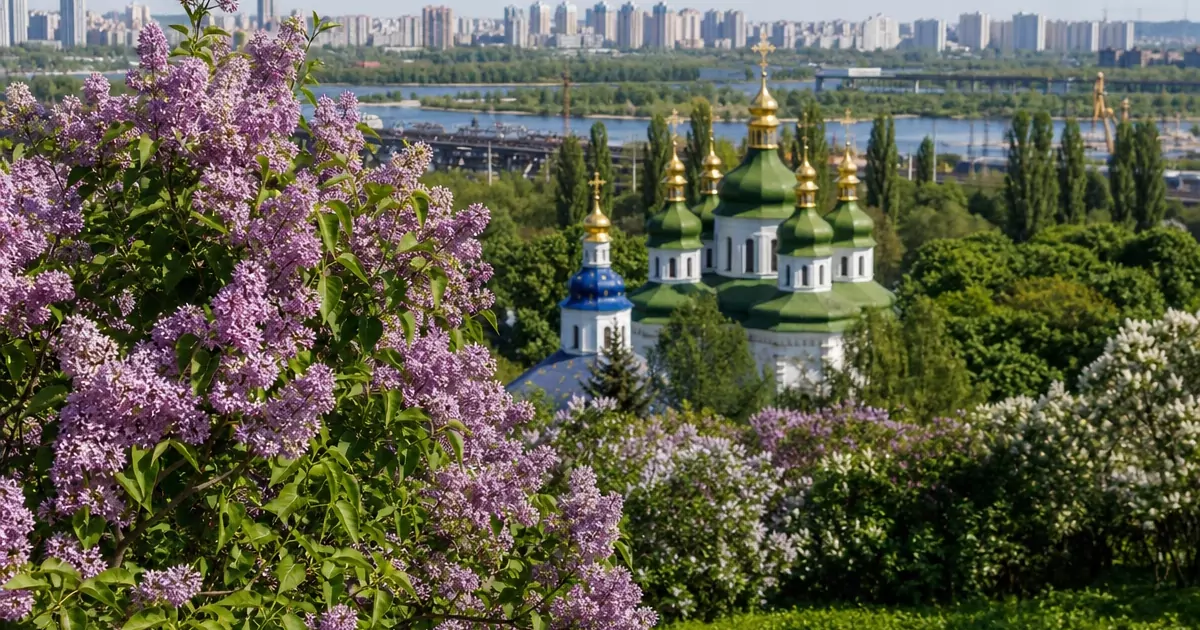
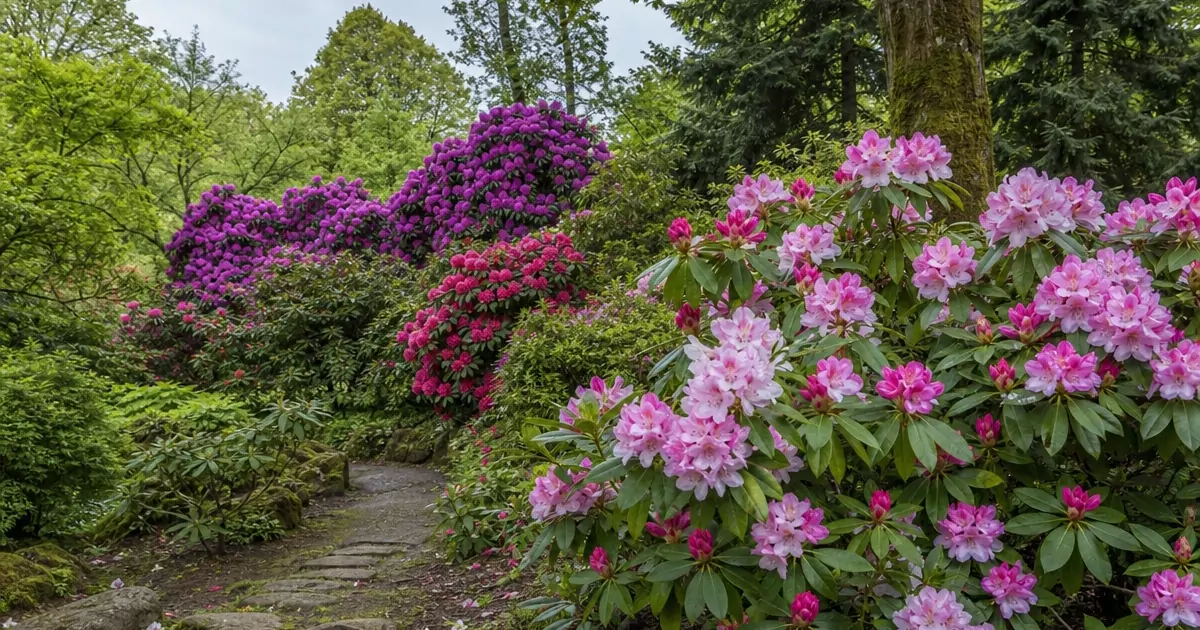
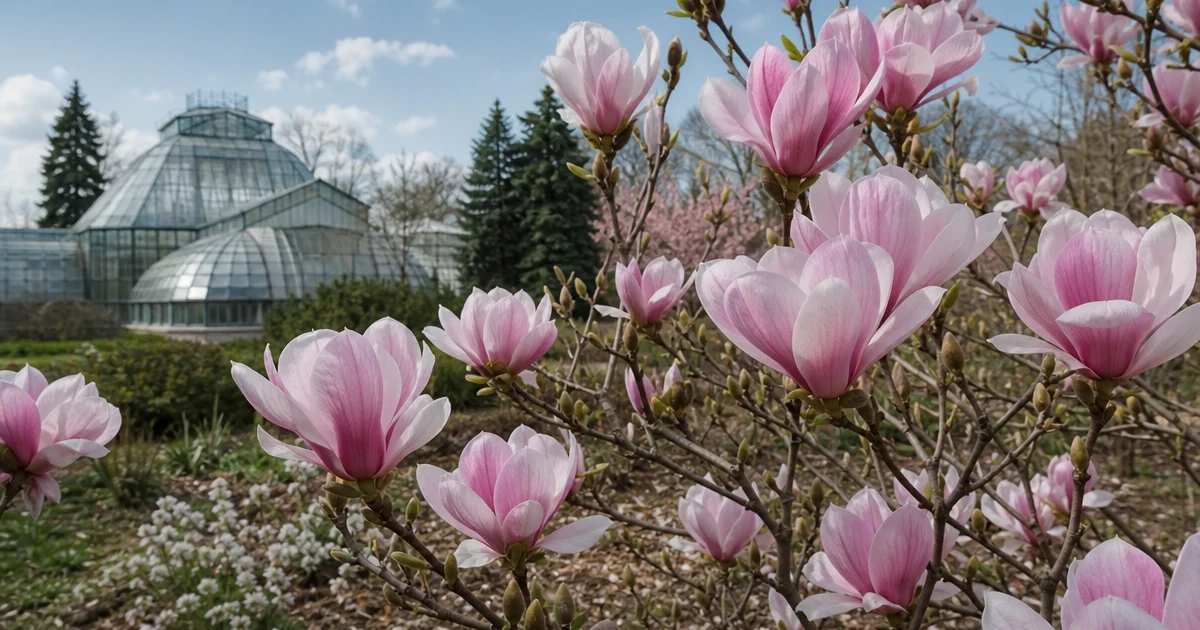
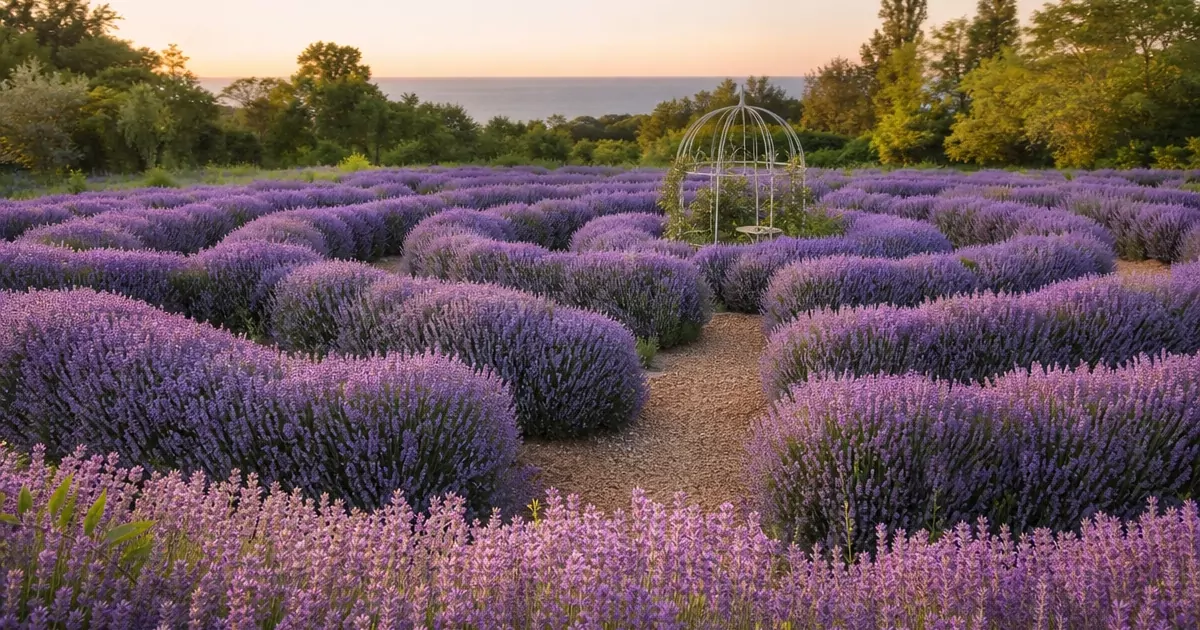
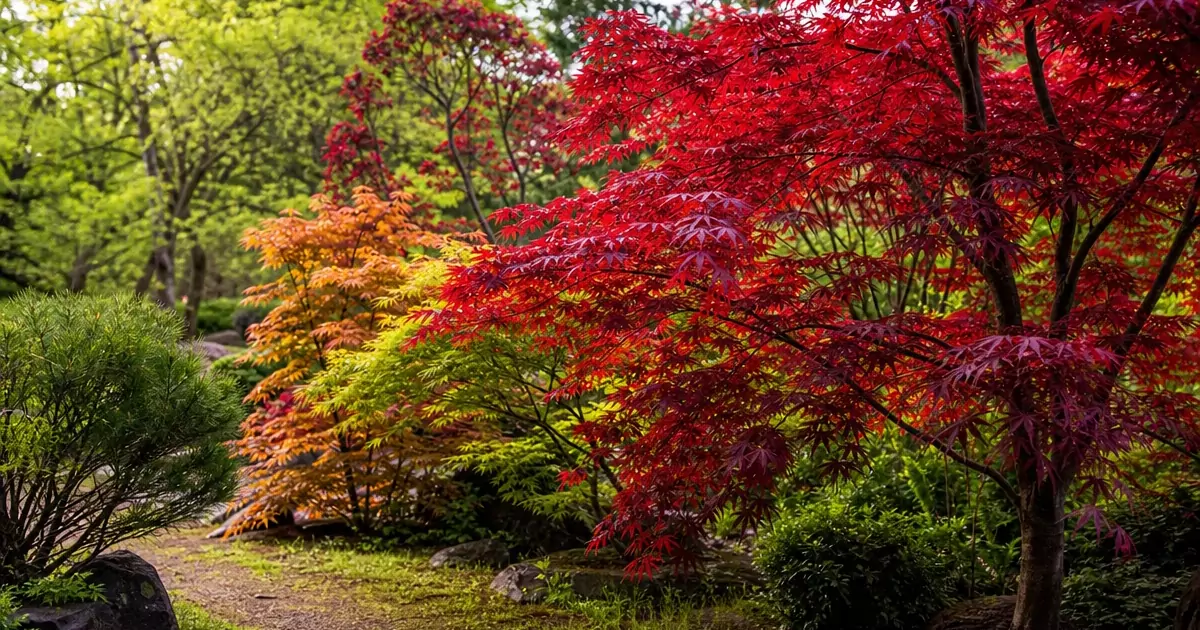
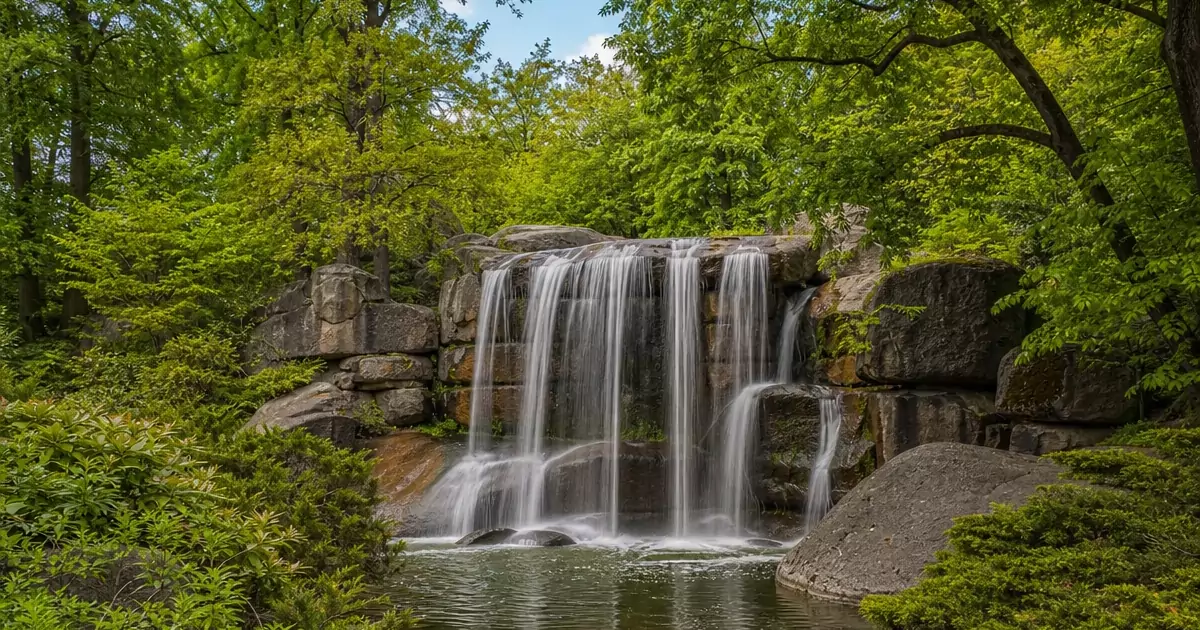
Ukraine’s botanical gardens are the best places to see magnolias, lilac, peonies and roses in bloom, and tropical greenhouses in winter. This guide covers the country’s best-known gardens and arboretums: what makes each special, when to go for the blossom, what tickets cost and when gardens are open. Detailed articles on each garden are linked below.
The Lviv University Botanical Garden dates from 1852: rhododendrons, magnolias, beech forest and a 300-year-old yew. It is open to visitors from April to October.
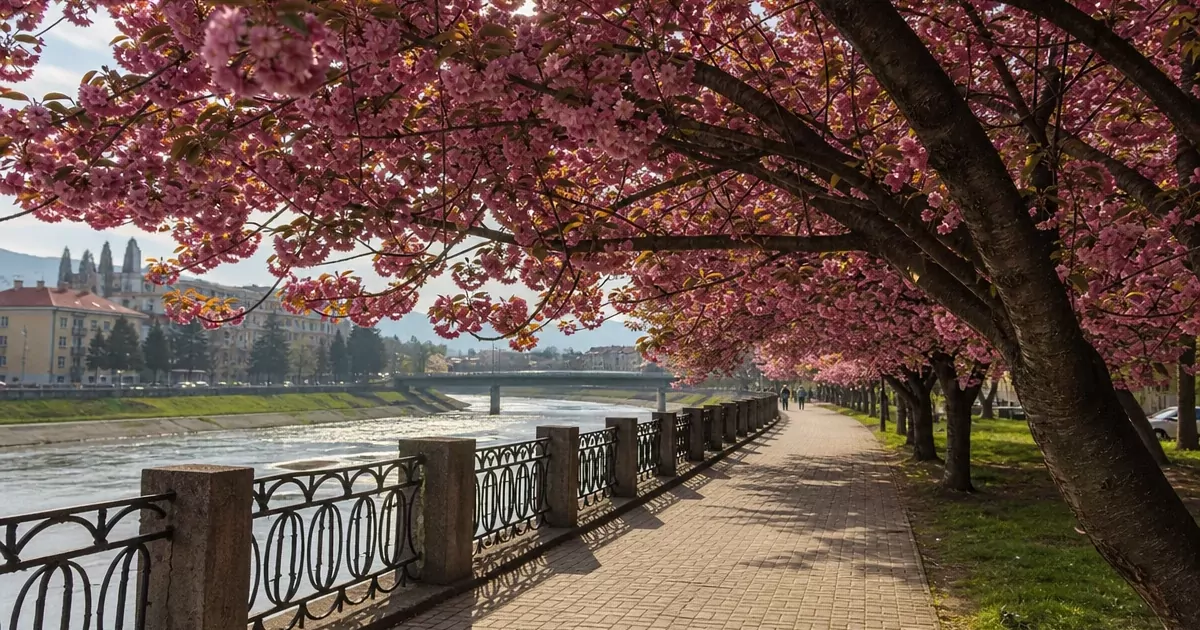
The Kharkiv University Botanical Garden, founded in 1804, is Ukraine’s oldest. Despite shelling it is open, with magnolias, hundreds of tulip varieties, tree peonies and young sakura.
Odesa
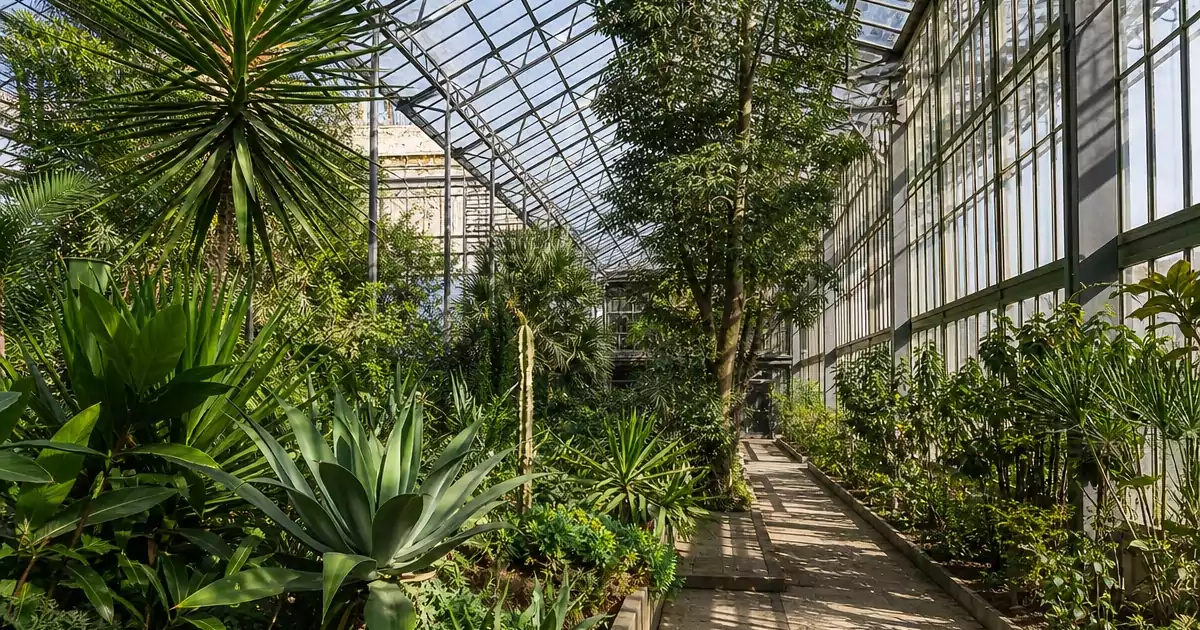
The Odesa University Botanical Garden on Frantsuzkyi Boulevard has a lavender maze, hydrangeas, roses and a glasshouse rebuilt after a 2024 strike. Something is in bloom almost all year.
Ticket prices and hours of Ukraine’s botanical gardens (2026)
A quick cheat sheet based on data at the time of writing; items marked with a year are the latest published figures. Check hours on each garden’s website before you go — gardens may close during air-raid alerts.
Bila Tserkva, Oleksandriia — in season 8:00–21:00; 50 UAH.
Zhytomyr, Polissia University garden — Sat–Sun 10:00–16:00; free.
Chernivtsi and Kremenets — guided tours by booking only.
Kryvyi Rih and Zaporizhzhia — daily; entry 40–50 UAH (2023–2024).
Full details, directions and month-by-month bloom are in the article on each garden, linked above.
Largest and oldest: Ukraine’s gardens in numbers
Oldest: Kharkiv University Botanical Garden — 1804; then Kremenets (1806) and Lviv (1852).
Among the largest by area: Kremenets — 200 hectares including forest; among city gardens, Hryshko at almost 130 hectares.
Largest arboretum: Oleksandriia in Bila Tserkva — about 400 hectares.
Smallest: Chernivtsi University Botanical Garden — 3.5 hectares.
Largest rose garden: at Hryshko — 3.5 hectares.
Botanical gardens of national importance: the list
According to the nature reserve fund register, Ukraine has more than twenty botanical gardens of national importance and about ten of local importance. The main ones (area per the register, ha):
Hryshko National Botanical Garden — Kyiv, 130.2 ha
NUBiP University Botanical Garden — Kyiv, 53 ha
Fomin Botanical Garden — Kyiv, 22.5 ha
Kremenets Botanical Garden — Ternopil region, 200 ha
Kryvyi Rih Botanical Garden — Dnipropetrovsk region, 75 ha
Kharkiv University Botanical Garden — Kharkiv, 41.9 ha
Zhytomyr (Polissia) University Botanical Garden — Zhytomyr, 35.4 ha
Dnipro University Botanical Garden — Dnipro, 33 ha
Lviv Forestry and Lviv University gardens — Lviv, about 18–23 ha
Kamianets-Podilskyi Botanical Garden — Khmelnytskyi region, 17.5 ha
Khorol Botanical Garden — Poltava region, 18 ha
Odesa University Botanical Garden — Odesa, 16 ha
Lutsk Botanical Garden — Volyn, 10 ha
Uzhhorod University Botanical Garden — Uzhhorod, 4.5 (historic site) ha
Chernivtsi University Botanical Garden — Chernivtsi, 3.5 ha
The largest by area are the Nikitsky Botanical Garden in Crimea (almost 877 ha) and the Donetsk Botanical Garden (203 ha), but both are in occupied territory and closed to visitors. Register areas may differ from the gardens’ own current figures.
Arboretums of Ukraine: where to go
Besides botanical gardens, Ukraine has arboretums — landscape parks with tree collections. The best known include:
Sofiyivka in Uman — almost 180 ha of cliffs, grottoes, waterfalls and the underground Acheron; see our Sofiyivka Park guide.
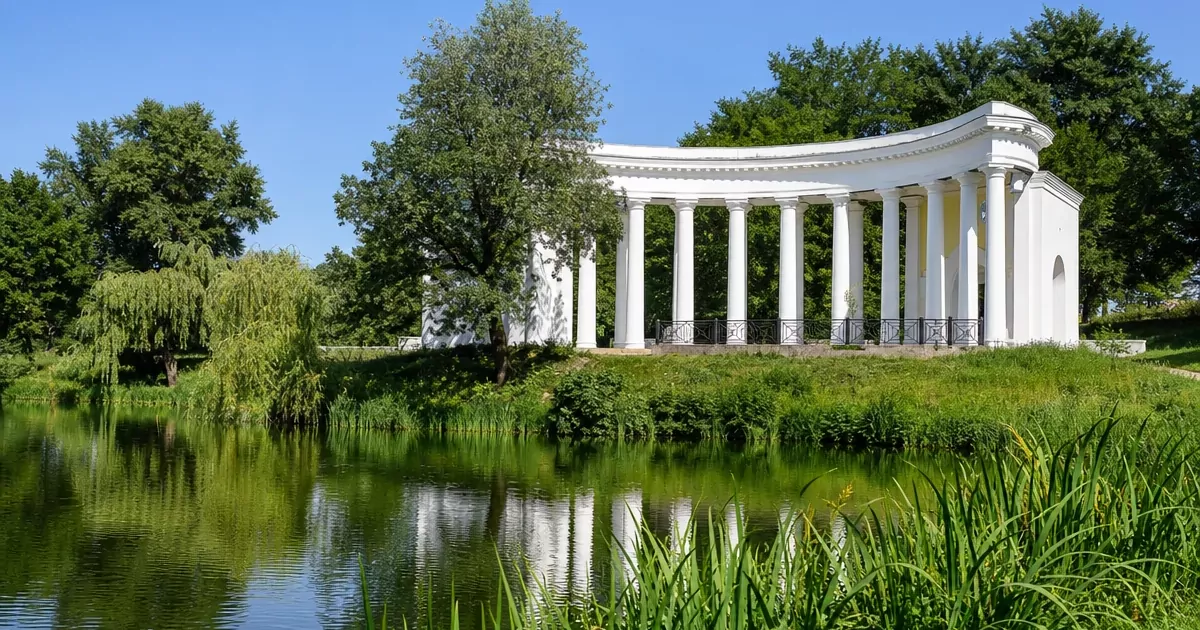
Oleksandriia in Bila Tserkva — about 400 ha, 11 ponds, a colonnade and rotunda; see our Oleksandriia Park guide.
Trostianets in Chernihiv region — a 19th-century landscape arboretum created by the Skoropadskyi family, with ponds and artificial hills.
Veseli Bokovenky in Kirovohrad region — a late-19th-century steppe arboretum.
Poltava arboretum — over 120 ha of groves and ponds within the city.
Arboretums are mostly open daily with an entry ticket, which makes them easier for weekend trips than university gardens with tour-only access.
How to choose a garden for your trip
Want to walk freely at any time — choose Hryshko (daily), Sofiyivka or Oleksandriia: open every day with a ticket.
Interested in rare plants and a guide’s story — Chernivtsi, Kremenets or Kharkiv, where visits are mostly guided, often by a botanist.
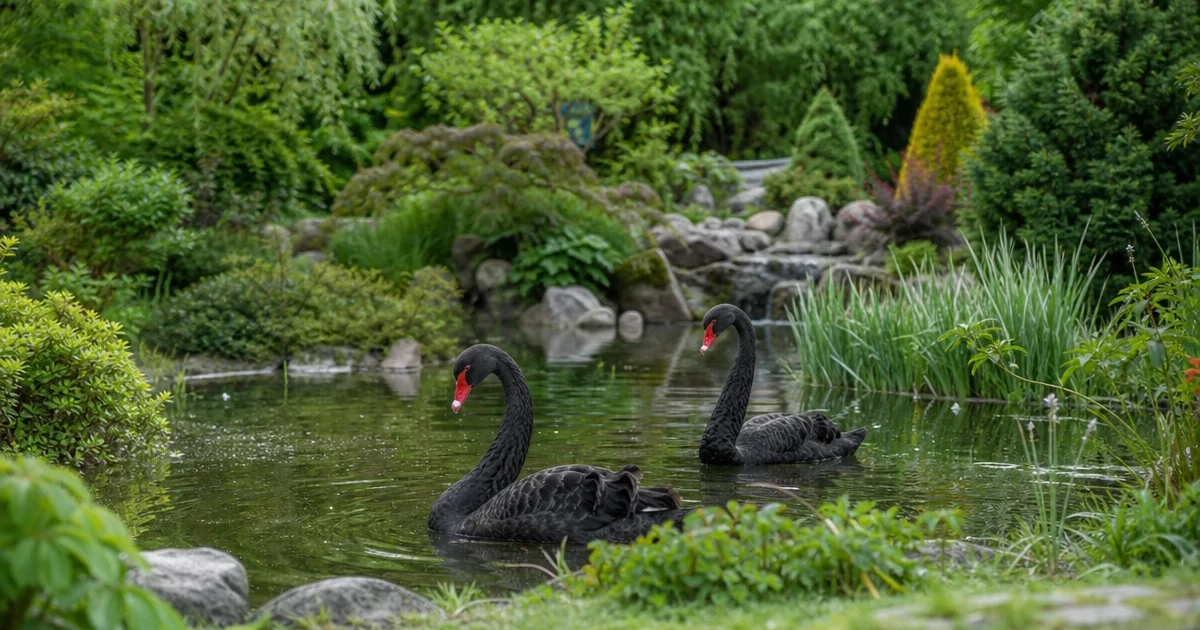
Travelling with children — Zaporizhzhia with quests and a cactus house, Zhytomyr with black swans, or the Hryshko and Fomin glasshouses.
It is all about the flowers — plan around the calendar below: magnolias, sakura and lilacs bloom for only 1–3 weeks.
Short on time in Kyiv — the Fomin garden, central and by Universytet metro, takes about an hour.
Always check opening hours before you go: gardens close during air-raid alerts, and university gardens often open only on weekdays.
When to go: a general calendar
Late March–April: magnolias (Kyiv, Lviv, Kharkiv, Odesa).
Flowers in botanical gardens are not for picking, but you can order a bouquet for your date in advance: flowers, delivered in Kyiv and other Ukrainian cities.
Usually the Hryshko National Botanical Garden in Kyiv, with almost 130 hectares of collections. Kremenets Botanical Garden covers 200 hectares including the forest on its slopes.
How much does entry cost?
At the time of writing, from free entry (Zhytomyr, the Poltava garden grounds) to 150 UAH at Hryshko and 300 UAH at Sofiyivka. See the prices section above.
Which is the oldest?
The Kharkiv University Botanical Garden, founded in 1804.
When is the best time to visit?
April–May for magnolias, sakura, lilac and rhododendrons; summer for roses and lavender.
How many botanical gardens are there in Ukraine?
The nature reserve register lists over 20 gardens of national importance and about 10 of local importance; some, in Crimea and Donetsk region, are in occupied territory.
Which arboretums are worth visiting?
Sofiyivka in Uman, Oleksandriia in Bila Tserkva, Trostianets in Chernihiv region, Veseli Bokovenky in Kirovohrad region and the Poltava arboretum.
Author: Maria Svitlovir
Graduated from Taras Shevchenko National University of Kyiv, Institute of Biology and Medicine (2001). BSc in Biology, MSc in Horticulture. Writes about plants, works at a garden centre selecting and repotting plants, and contributes to plant reference guides.






 Birthday
 Hydrangeas