
 Birthday
 Hydrangeas
This article was prepared with the support of UFL flower delivery. Bouquets of the last century were very different from today's. With constant shortages the choice was limited: flowers were bought from grandmothers at the market or grown at the dacha, and many varieties were known only from postcards. Here's what flowers people gave in the 1960s–80s and how to make a retro bouquet, which is back in fashion.
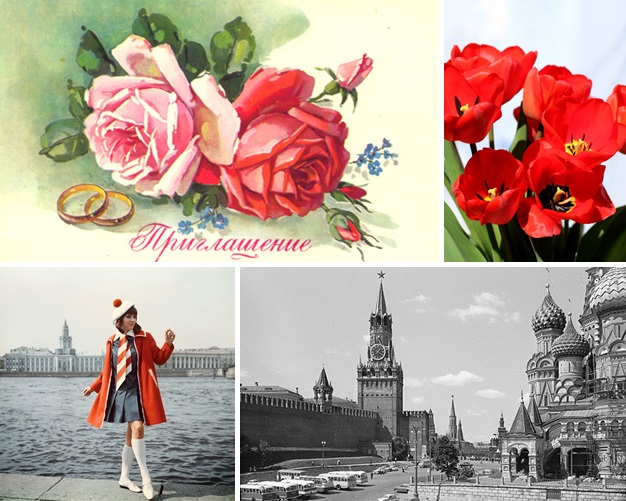
Flowers in an era of shortages
In the post-war years flowers were more of a luxury than an everyday gift. They were presented at official events, receptions and concerts, but rarely given privately. Flower shops were few and their range was limited, with imported flowers appearing only before major holidays. Private growers and markets were the main source of bouquets, and flowers followed the seasons: lilac and lily of the valley in spring, peonies and garden daisies in summer, asters, dahlias and gladioli in autumn.
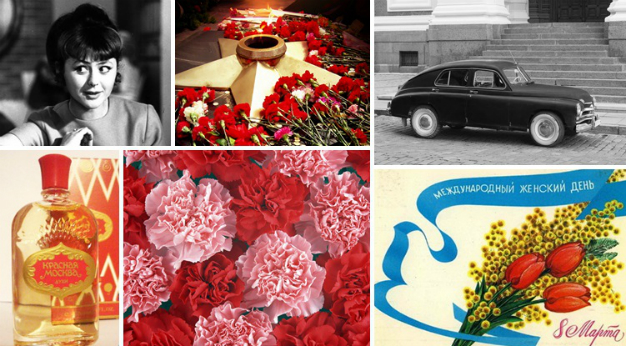
Which flowers people gave
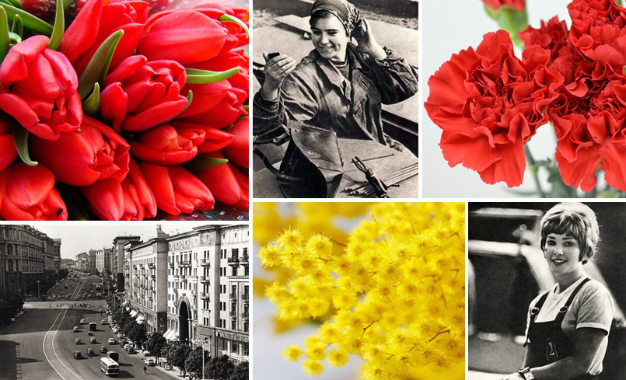
- Mimosa. From the 1960s the symbol of International Women's Day (8 March): it was brought from the south, and fluffy yellow sprigs were sold on every corner. There's even a layered "Mimosa" salad whose grated egg yolk looks like flowers scattered on snow.
- Tulips. Became fashionable in the 1970s as a festive spring flower for 8 March and the May holidays.
- Carnations. The most "official" flower: undemanding, long-lasting and available all year. Red carnations were taken to ceremonies, while pink and white ones were given to teachers and colleagues.
- Gladioli and asters. The classic bouquet for the first day of school, straight from grandma's garden.
- Chrysanthemums. An autumn and winter flower that lasts well in a vase.
- Roses. Considered a luxury, bought at the market or through connections, so a bouquet of roses was a special gift.
Wrapping was simple: cellophane, newspaper or nothing at all. Bouquets were usually small — 3, 5 or 7 stems, always an odd number.
Bridal bouquets of the past
A 1960s–80s bridal bouquet was typically made of white or pink carnations, callas, chrysanthemums or roses, sometimes with sprigs of asparagus fern. Shapes were cascading or triangular, decorated with ribbons, lace and artificial flowers. Today vintage weddings are popular again: brides choose bouffant hairstyles, opera gloves and a bouquet "like Mum's", with an imperfect shape and garden flowers.
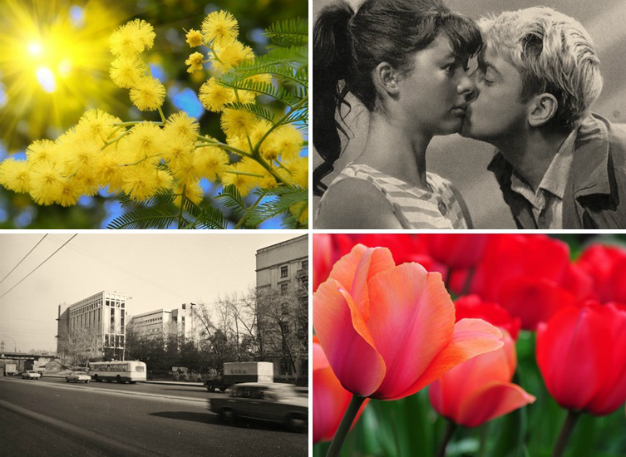
How to make a retro bouquet today
- Choose "grandma's garden" flowers: peonies, garden roses, carnations, asters, dahlias, snapdragons, lilac, gypsophila, sweet peas.
- Muted or bold palette: powder pink, cream, wine and terracotta — or bright 1970s combinations.
- Imperfect shape: a loose, gathered bouquet instead of a tight dome.
- Wrapping: kraft paper, newsprint, a lace doily, satin ribbon or twine.
- Details: a vintage card, a brooch on the ribbon, an enamel milk can or a glass jar instead of a vase.
A retro bouquet is perfect for an anniversary, for your mother or grandmother, a themed wedding or a photo shoot. You can order similar arrangements in our tulips, peonies and flowers for mum sections.
FAQ
Why were carnations so common?
They're undemanding, long-lasting and were available all year, so they became the flower of official holidays.
Which flowers suit a retro bouquet?
Peonies, garden roses, carnations, asters, dahlias, lilac and gypsophila in a soft palette with simple wrapping.
Who would appreciate a retro bouquet?
Mothers, grandmothers, anniversary couples or a vintage-style bride — it brings back warm memories.

View full-size photo
Author: Maria Svitlovir
Graduated from Taras Shevchenko National University of Kyiv, Institute of Biology and Medicine (2001). BSc in Biology, MSc in Horticulture. Writes about plants, works at a garden centre selecting and repotting plants, and contributes to plant reference guides.


