
 Birthday
 Hydrangeas
A plot shaded by trees or a north-facing balcony does not rule out a flower bed. Many plants grow under the forest canopy in the wild and actually scorch in full sun. The key is to judge how shady the spot really is and pick plants to match. Here are the flowers that love shade in the garden and the plants that cope in a dark flat.
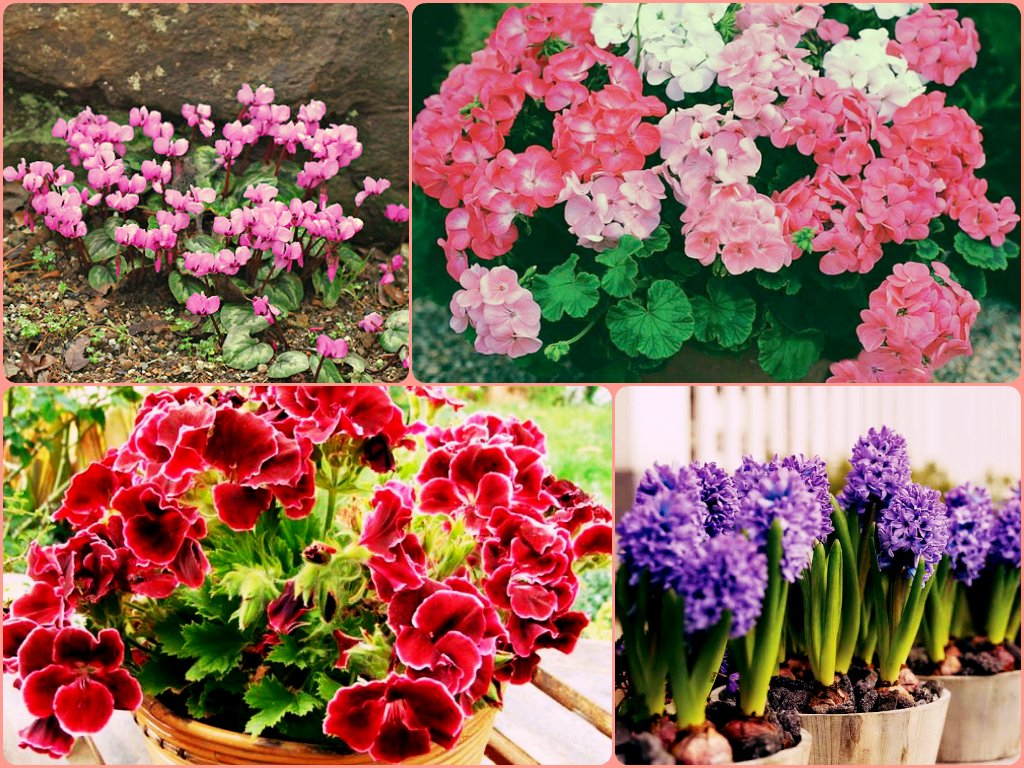
Types of shade
Before buying plants, watch the spot through the day — ideally in different seasons:
- Part shade — 3–6 hours of direct sun a day, usually morning or evening.
- Dappled shade — light filters through a thin tree canopy.
- Full shade — under 2–3 hours of sun, for example on the north side of a house or beneath spruces.
- Dry shade — under large trees whose roots take the moisture; the hardest conditions of all.
Perennials for a shady garden
- Hosta — the queen of shade, with leaves from blue to gold. See hosta varieties and care.
- Astilbe — feathery plumes in white, pink and red; likes moist soil.
- Brunnera and lungwort — blue spring flowers and spotted leaves.
- Heuchera — foliage from lime to burgundy, colourful all season.
- Hellebore — flowers in late winter and early spring.
- Bleeding heart, columbine, Japanese anemone — for part shade.
- Ferns, periwinkle, pachysandra, wild ginger — a green carpet for deep shade.
- Hydrangea — big flower heads in part shade; needs plenty of water in hot weather.
Take care with lily of the valley, foxglove and hellebore if you have children or pets: these plants are poisonous.
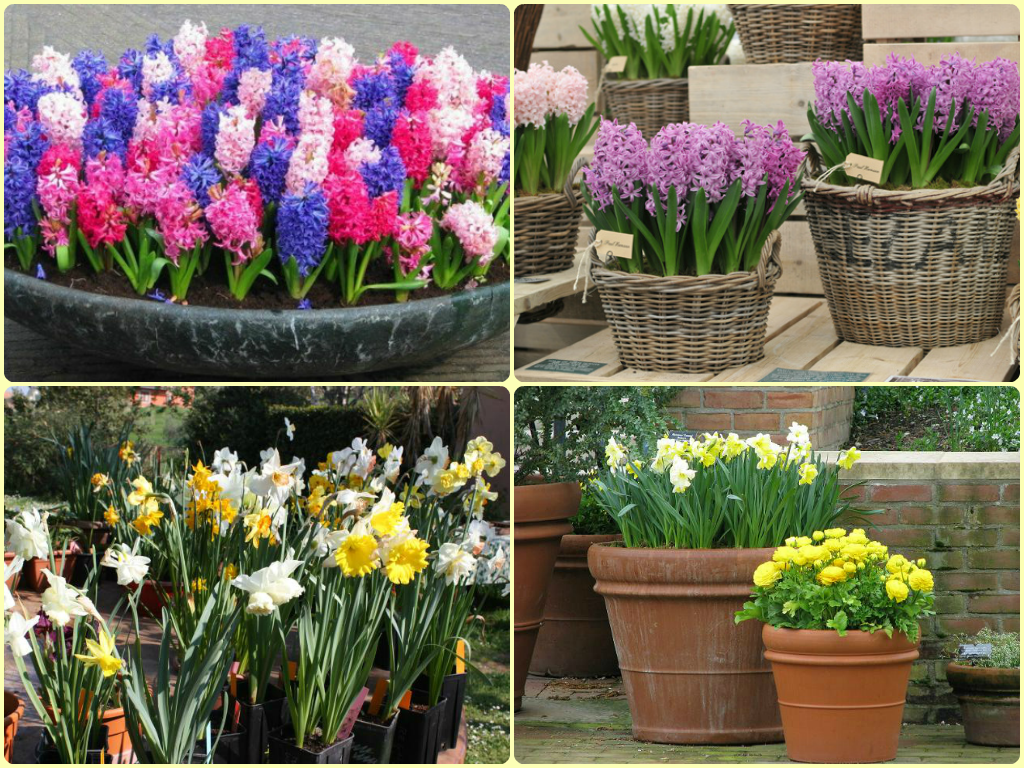
Bulbs and annuals
Spring bulbs thrive under deciduous trees — snowdrops, scilla, grape hyacinths, wood anemone and ivy-leaved cyclamen flower before the leaves come out. For summer colour in part shade choose annuals such as busy Lizzie (impatiens), tuberous begonias, fuchsias and lobelia, or coleus for bright foliage.
Caring for a shade garden
- Mulch the soil with compost or bark every spring to hold moisture and protect roots.
- Water more often under trees than in the open — tree roots intercept the rain.
- Moisture evaporates slowly in shade, so watch for slugs and snails, especially on hostas.
- Pale and variegated leaves brighten a dark corner, and white flowers show up even at dusk.
Houseplants for dark rooms
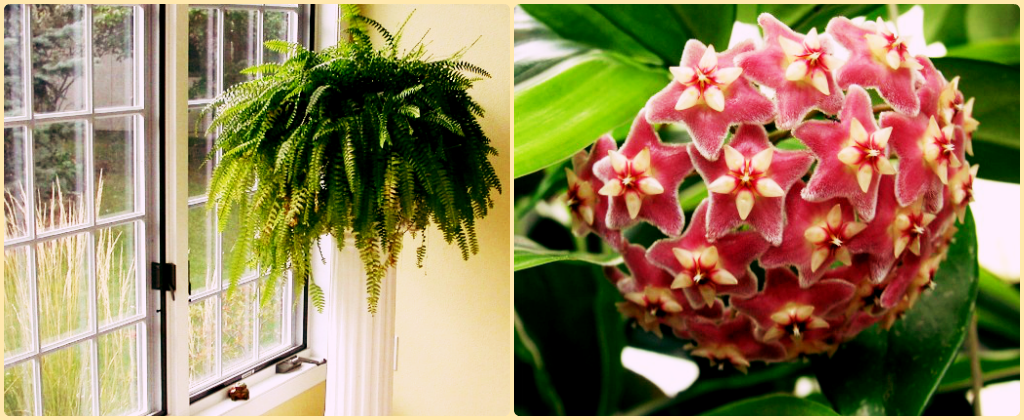
Indoors, “shade” usually means a north-facing room or a spot far from the window. No plant lives without light, but many are tough:
- ZZ plant, cast-iron plant, snake plant — the easiest, tolerating low light and infrequent watering.
- Pothos, philodendron, ivy, ferns — green trailing plants and foliage for part shade.
- Peace lily — one of the few flowering options for lower light, although it blooms better in bright indirect light.
Most flowering plants — hoya, phalaenopsis, anthurium — still need bright indirect light to set buds, so choose foliage plants for a dark room. Ready-grown plants are available in our potted plants with delivery in Kyiv section.
FAQ
Which flower will bloom in full shade?
Perennials such as periwinkle, lily of the valley and wild ginger (with inconspicuous flowers), plus spring bulbs under deciduous trees. Don’t expect a mass of flowers in deep shade — focus on foliage.
Can roses grow in shade?
Roses need at least 5–6 hours of sun. Some climbing and ground-cover varieties cope with part shade, but they flower less.
What can I plant under trees?
Bigroot geranium, periwinkle, epimedium, wild ginger and spring bulbs — they tolerate dry shade.

View full-size photo
Author: Maria Svitlovir
Graduated from Taras Shevchenko National University of Kyiv, Institute of Biology and Medicine (2001). BSc in Biology, MSc in Horticulture. Writes about plants, works at a garden centre selecting and repotting plants, and contributes to plant reference guides.


