
 Birthday
 Hydrangeas
Prepared with UFL flower delivery. There are hundreds of thousands of flowering plants. Below is a short look at the blooms people actually put in a bouquet: origin, meaning, and how to keep them in a vase.
Roses
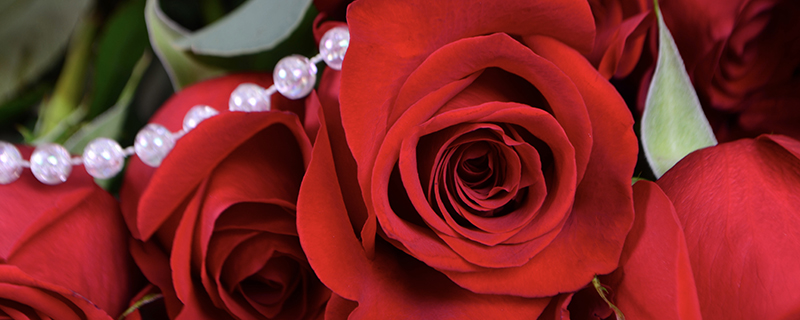
The rose is the world’s most ordered cut flower. Wild species are tens of millions of years old; people have grown them for about five thousand years — in gardens, perfume and herbal preparations.
To keep a bunch longer, put the stems into clean water filling three-quarters of the vase and top it up every day. Recut the stems at an angle. Still the default for Valentine’s Day and birthdays.
Rose bouquets: ufl.ua/en/kyiv/catalog/roses-kyiv
Carnations
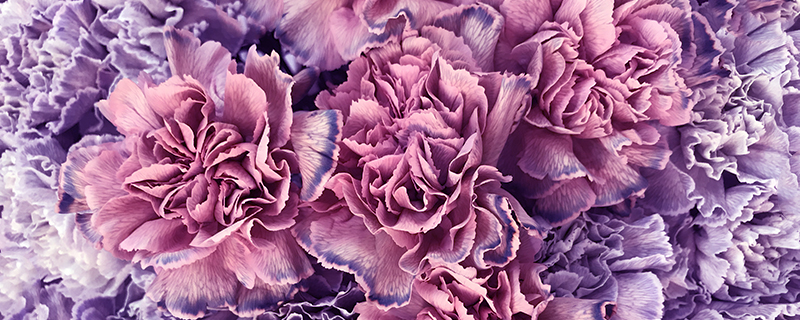
Carnations come in three types: standard blooms with one large flower per stem, spray types and dwarf types. Standards grow past 50 cm; sprays are shorter but carry several flowers on a branch.
Colour changes the reading: pink for a mother’s love, white for luck and good intent, yellow for disappointment. That is why carnations appear both at celebrations and on memorial days. In the garden they want sun and soil that drains.
Chrysanthemums
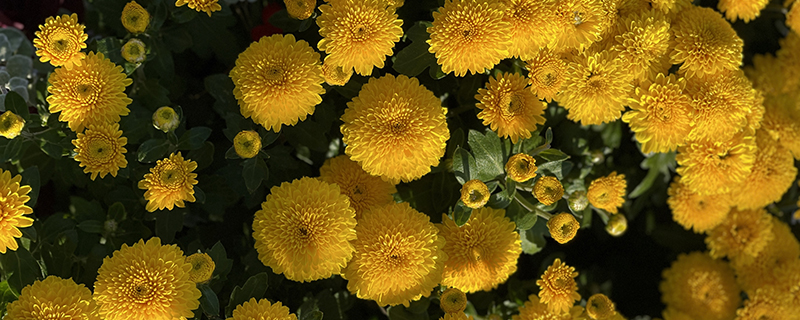
The chrysanthemum came from China more than 3,000 years ago and is still the autumn flower of northern gardens. It blooms from late summer to frost: white, yellow, burgundy, lilac.
In the ground it is a perennial if it roots before winter. Petals are used for tea; young leaves are sometimes eaten as greens. In a vase it lasts well and holds the shape of a mixed bouquet.
Chrysanthemum bouquets: ufl.ua/en/kyiv/catalog/khryzantemy-kyiv
Peonies
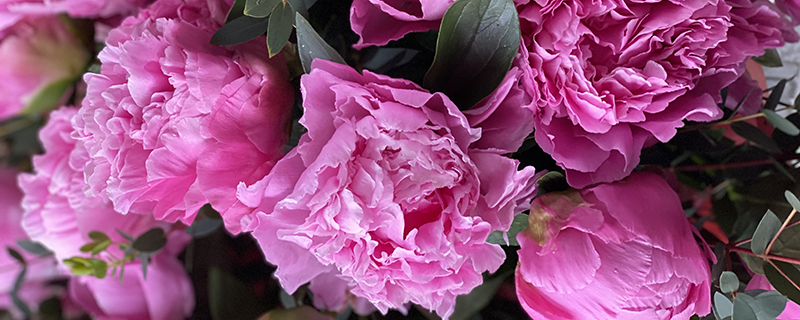
Local peonies arrive in late May. The season is short — often only a few weeks, depending on the weather. Colour runs from white and coral to burgundy and a rare yellow.
A bush can reach a metre and a half, so give it space for years ahead. In a vase the flower opens from a tight bud: keep it cool and change the water daily.
Peony bouquets: ufl.ua/en/kyiv/catalog/pivonii-kyiv
Alstroemeria
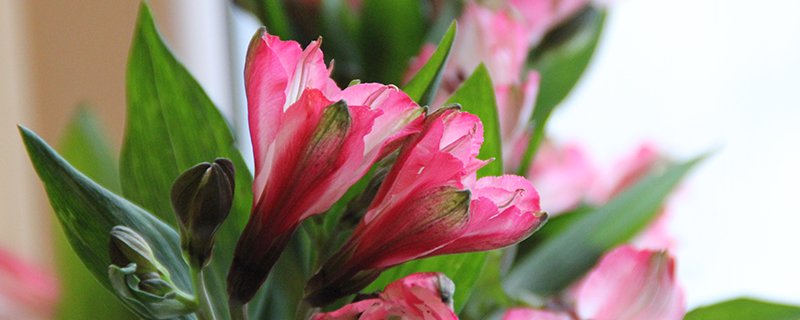
Alstroemeria is also called Peruvian lily or lily of the Incas. It is native to South America. Warm shades — pink, salmon, orange — read as friendship and loyalty.
It flowers in late spring and early summer. Cut stems last a long time if they never sit dry. Water a pot only when the top of the soil has dried, not on a fixed daily schedule.
Asters
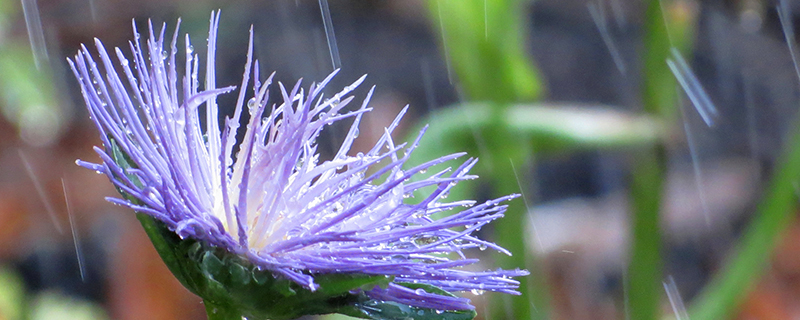
Asters belong to September. The name is Greek for “star”: narrow petals in blue, lilac, pink or white packed into a tight head.
Most garden kinds come from Eurasia. They pull in bees and butterflies at the end of the season. Given for autumn birthdays and as a flower of a 20th wedding anniversary.
Azalea
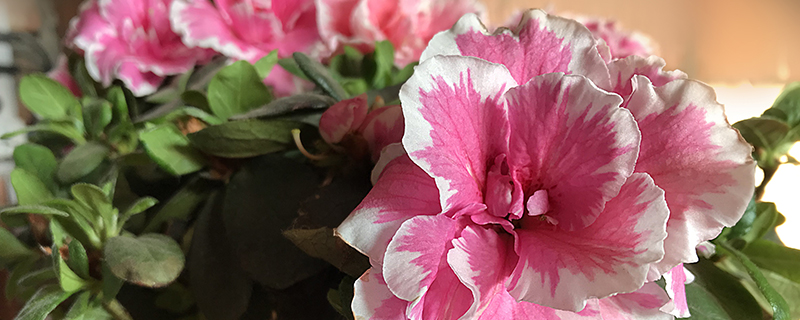
Azaleas cover themselves in late spring with white, pink, red or lilac flowers. They prefer light shade under trees and acidic soil.
The plant is toxic: keep it away from children and pets. It is usually given in a pot, not as cut stems.
Buttercup
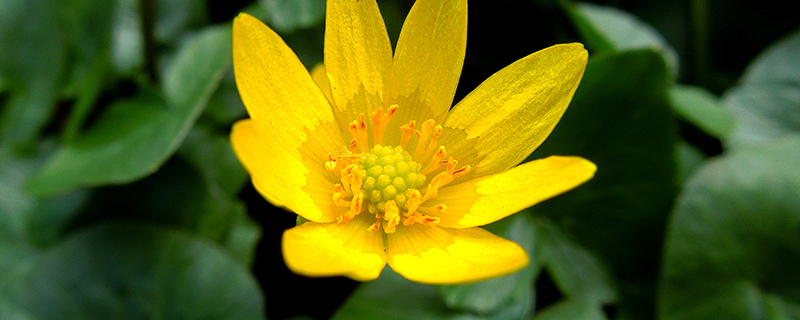
Buttercups grow across temperate Asia, Europe and North America. The petals look lit from inside because the cells bounce light. Most are yellow; a few are white or pink.
The look is gentle, the sap is poisonous to people and animals. Florists more often use the garden cousin — ranunculus.
California poppy
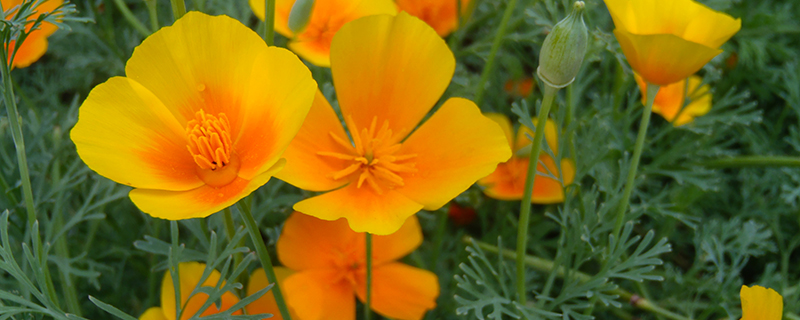
Eschscholzia is the state flower of California. Petals are gold, orange, sometimes red. They open in sun and close in cloud and at night.
Unlike the opium poppy, it contains no opiates. It is rarely used as a cut flower — more a splash of colour in a garden.
Calla lily
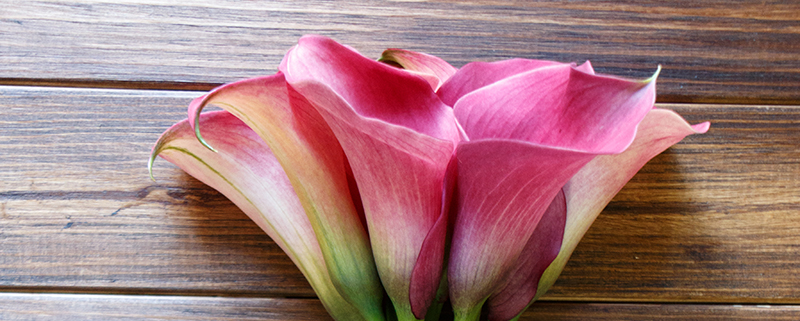
A white calla reads as purity and faith, so it appears in church and funeral work. Coloured cultivars also go into wedding bouquets.
In a vase it lasts up to two weeks. The stem is hollow — change the water often and recut with a sharp knife.
Crocus
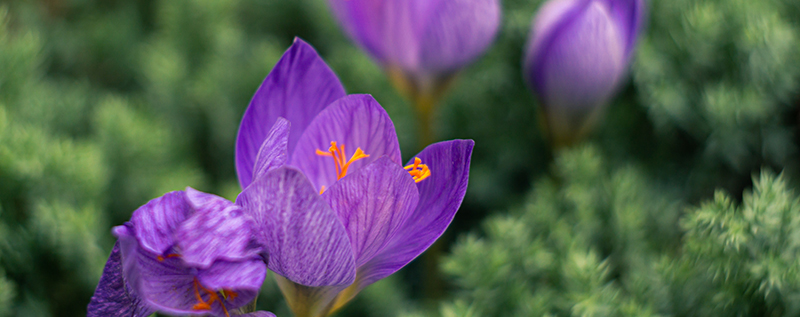
Crocus is one of the first flowers through the snow. Cups come in lilac, white, yellow and bicolour.
A separate autumn species gives saffron; the stigmas are harvested mostly in Iran. Crocus almost never goes into a bouquet — the season is short and the bloom is fragile.
Dahlias
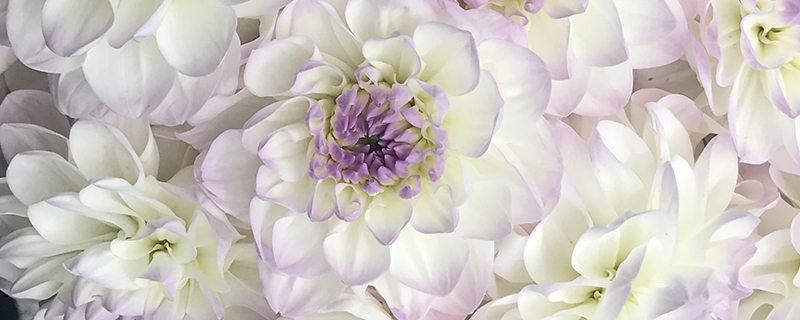
Dahlias flower from midsummer to the first frost. Forms run from pompon to cactus. They take light shade better than many summer plants.
The root is a tuber: in a cool climate you lift it for winter and plant again in spring.
Daisies
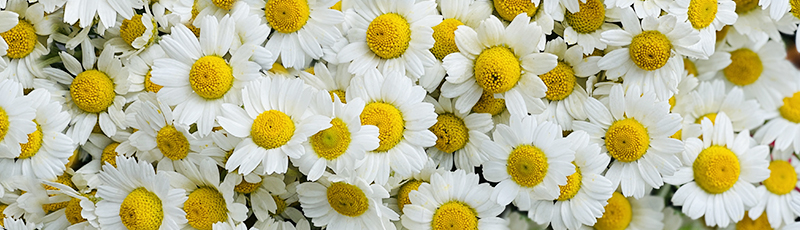
Daisies and their relatives grow on every continent except Antarctica. White petals around a yellow disc read as simplicity and honesty.
For a bouquet use large garden kinds; field daisies drop petals fast. Keep the water clean and strip leaves below the waterline.
Daisy bouquets: ufl.ua/en/kyiv/catalog/kvity-romashky-kyiv
Daffodils
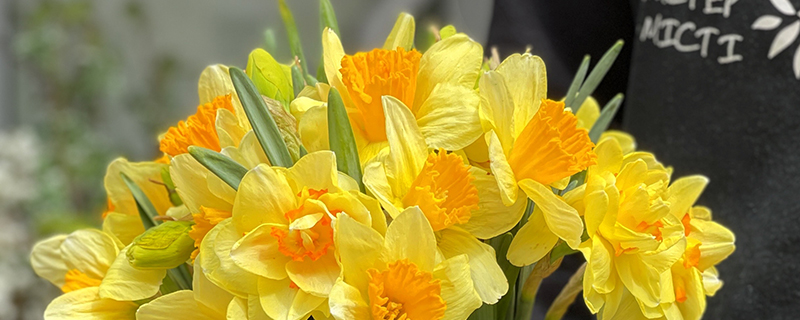
Daffodil, jonquil, poet’s narcissus — all belong to Narcissus. The bulb winters in the ground and makes more stems each year if the soil drains.
The sap irritates skin and spoils other flowers in the same vase: stand daffodils alone for a few hours, then mix them with roses. National flower of Wales, and a 10th-anniversary bloom.
Delphinium
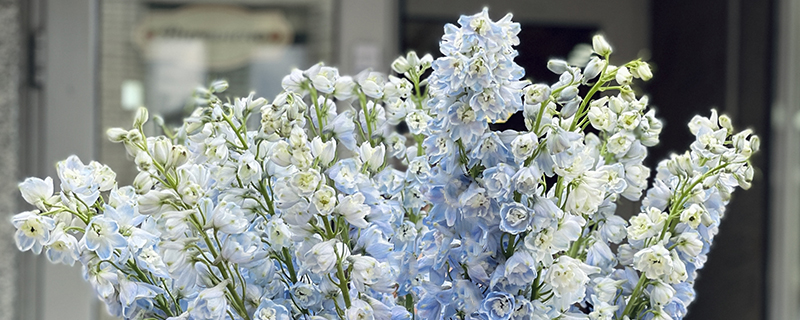
Delphinium, or larkspur, throws tall spikes of blue and lilac. Florists like the height and the uncommon cool colour.
The plant is toxic. Recut the stem and put it in water at once — the hollow stalk draws air quickly.
Dusty miller
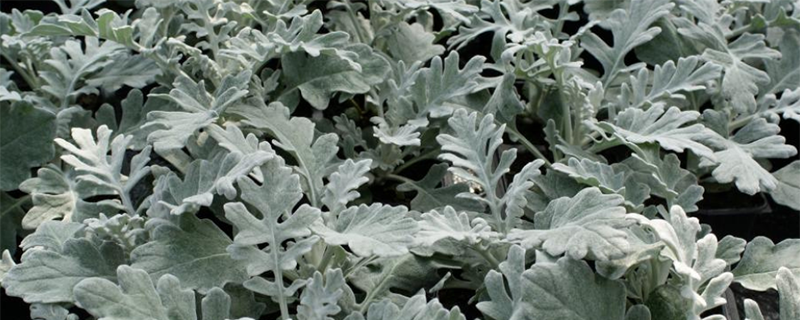
Dusty miller is grown for the lacy silver leaf, not the flower. In a bouquet it is the grey spacer next to pink, burgundy and violet.
It comes from the Mediterranean: sun, heat, dry soil. In a vase, do not soak the foliage above the stalk.
Gardenias
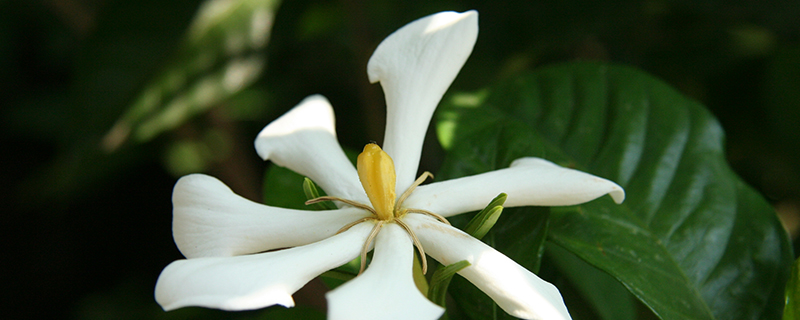
Gardenia has a heavy scent and a waxy white flower. It wants acidic soil (pH about 4.5–5.5) and even moisture — drought drops the buds.
As a cut flower it is fussy: keep it away from fruit and do not touch the petals.
Geranium
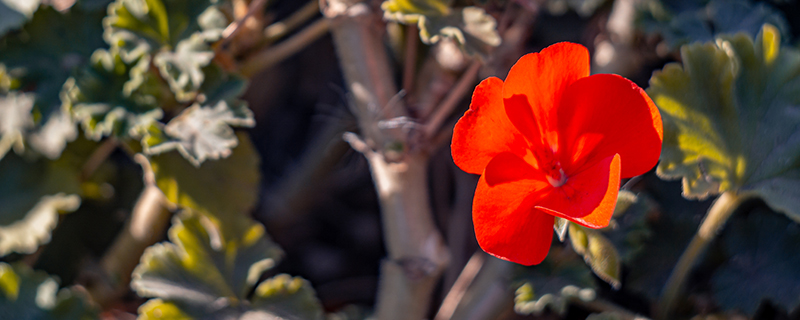
The balcony “geranium” is a pelargonium from South Africa. In a temperate climate it is treated as an annual or brought indoors for winter.
Flowers come in red, salmon, white and bicolour. Scented leaves go into potpourri and work as an insect deterrent. Rarely used as cut stems.
Gerberas
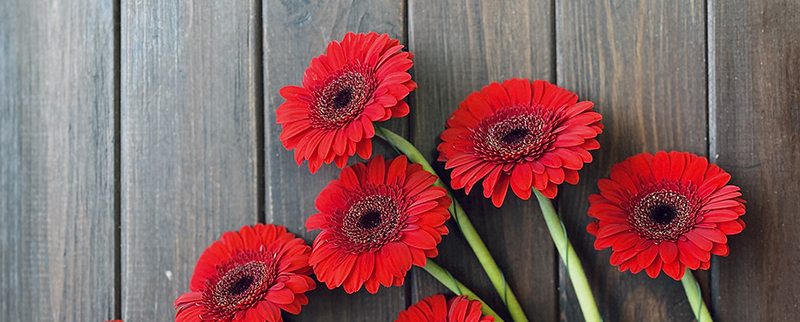
Gerbera sits just behind rose, chrysanthemum, tulip and carnation in cut-flower sales. Colour runs from cream to deep red and orange.
Found in South Africa in the 19th century, then bred in England and the Netherlands. The stem is hollow: do not fill the vase more than 5–7 cm or it rots.
Iris
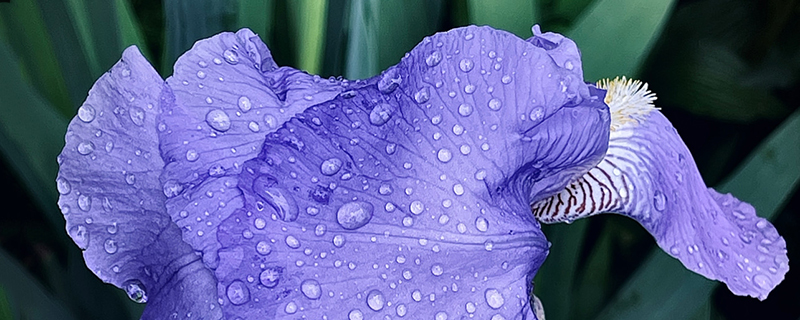
Iris grows from Europe to Asia and North America. It is the flower of a 25th wedding anniversary and the model for France’s fleur-de-lis.
The rhizome of some species (orris root) is used in perfume. In a bouquet it opens fast — keep the room cool.
Lavender

View full-size photo
Author: Maria Svitlovir
Graduated from Taras Shevchenko National University of Kyiv, Institute of Biology and Medicine (2001). BSc in Biology, MSc in Horticulture. Writes about plants, works at a garden centre selecting and repotting plants, and contributes to plant reference guides.