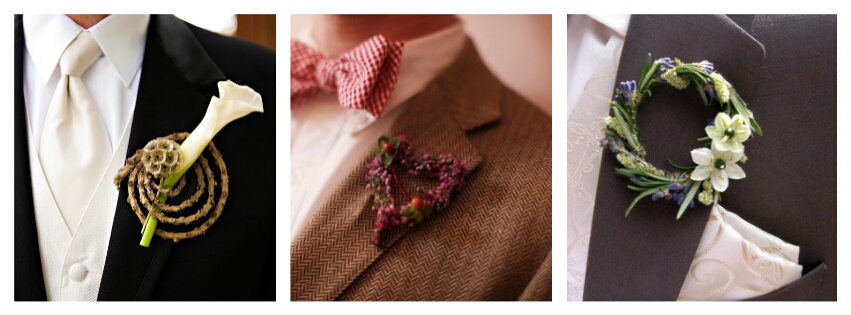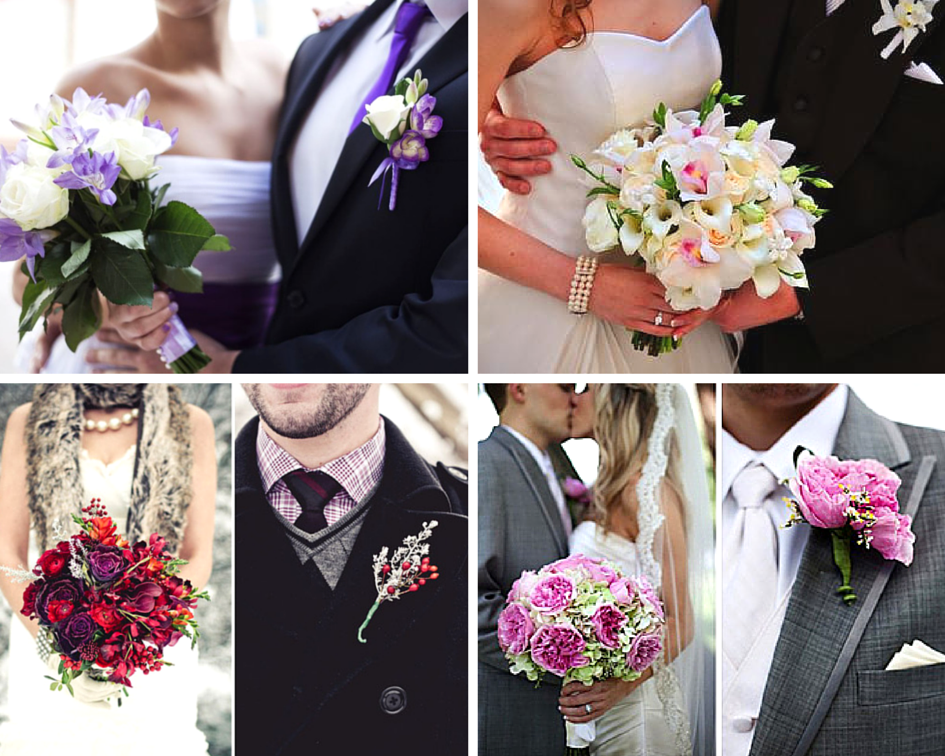
A boutonniere is a small detail that ties the groom's look to the bridal bouquet. Here is where the tradition comes from, who wears one, where and how to pin it, which flowers last all day without water, and how to make a boutonniere yourself — including for a winter wedding.
It's easiest to order a boutonniere together with the bouquet — see our bridal bouquets.
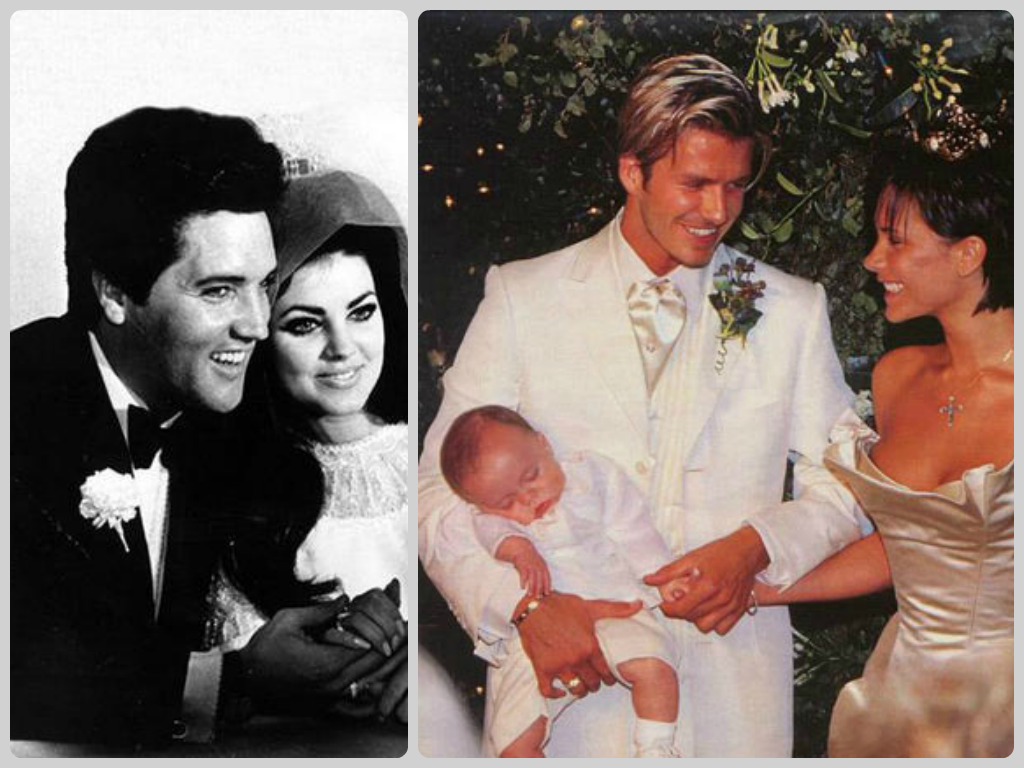
A flower in the buttonhole became fashionable in the 19th century, when jackets even had a dedicated lapel buttonhole for the stem. Over time the boutonniere became part of the groom's wedding outfit, a counterpart to the bride's bouquet. In Ukrainian tradition it is often pinned on the groom by the bride or her mother before the ceremony.
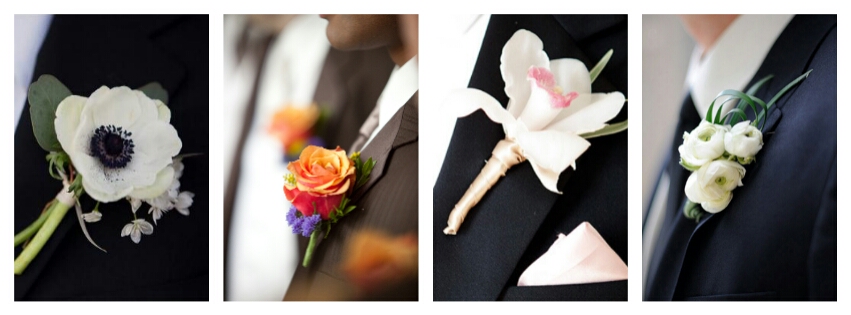
A boutonniere goes all day without water, so it needs small, hardy flowers:
Avoid lilies (the pollen stains suits) and very delicate flowers that wilt quickly out of water. Match the colour to the bouquet — ideas in our guide to wedding colour palettes.
You'll need 1–3 small flowers, a little greenery, floral tape, florist wire, ribbon and a pin or magnet.
Make the boutonniere the day before or the morning of the wedding. Until it's needed, keep it in a box in the fridge at 3–6 °C, away from fruit — never in the freezer. A light mist before storing helps petals stay firm.
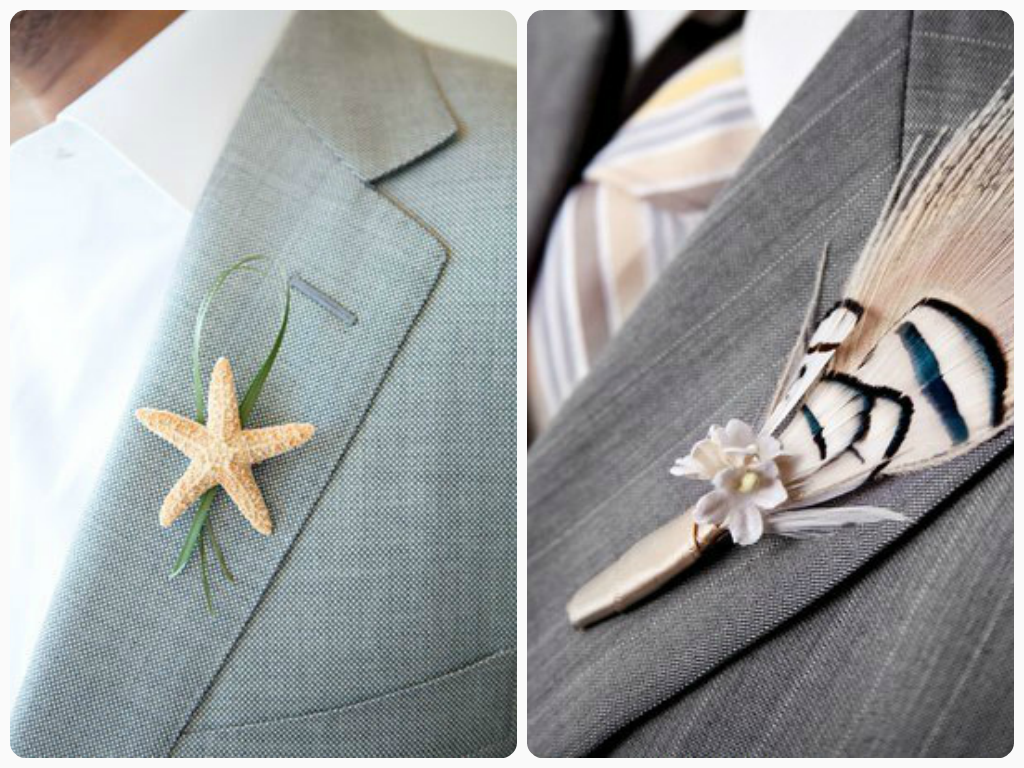
In winter choose hardy materials that don't mind the cold: sprigs of pine, cotton, cones, hypericum or holly berries (decorative, not edible), dried flowers, plus white roses and lisianthus. Colours: white, silver, burgundy, dark green.
It's usually ordered from the same florist as the bridal bouquet so the two match.
Yes, especially for a long winter photoshoot, but fresh flowers look more natural up close.
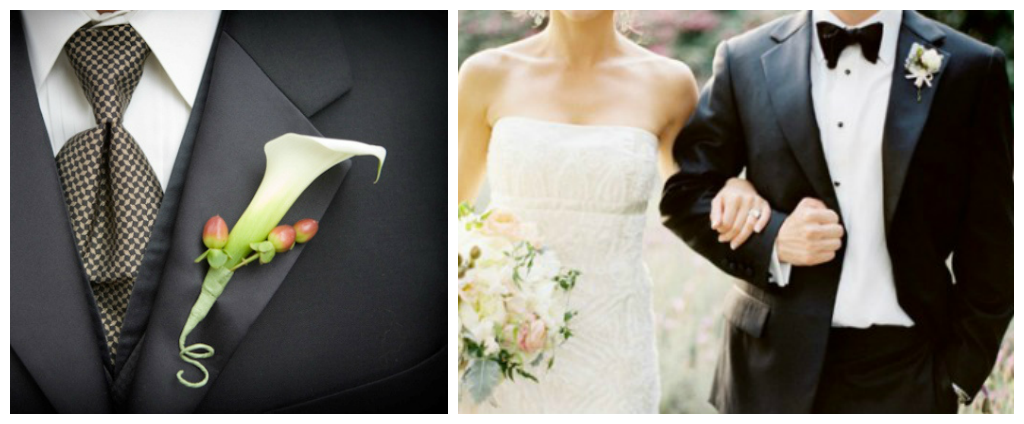
On the left lapel, over the heart.

Author: Maria Svitlovir
Graduated from Taras Shevchenko National University of Kyiv, Institute of Biology and Medicine (2001). BSc in Biology, MSc in Horticulture. Writes about plants, works at a garden centre selecting and repotting plants, and contributes to plant reference guides.
© Ghent (France) 2026 UFL Flower Shop

Trademark UFL №191476 is used under license of the rights holder.
All rights reserved. Any use of materials without a link to the site is prohibited.

 Birthday
 Hydrangeas