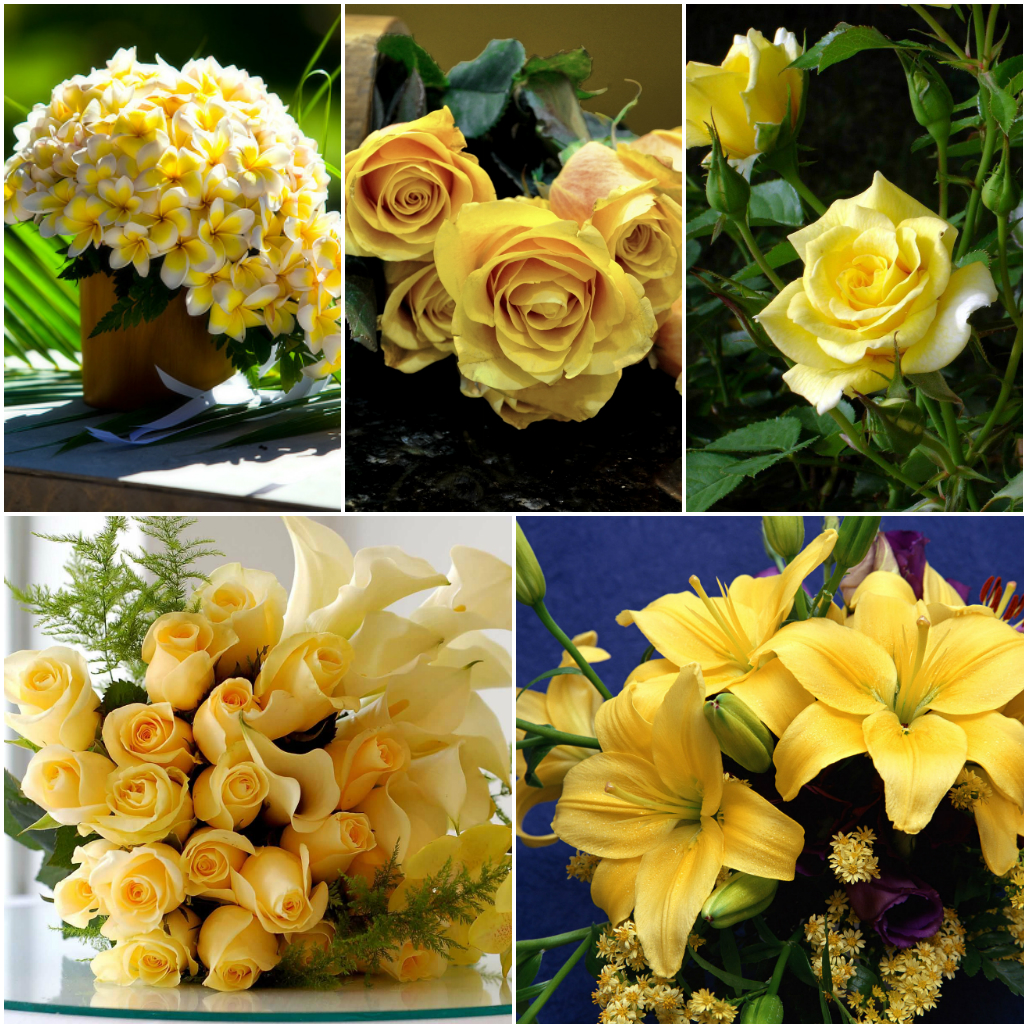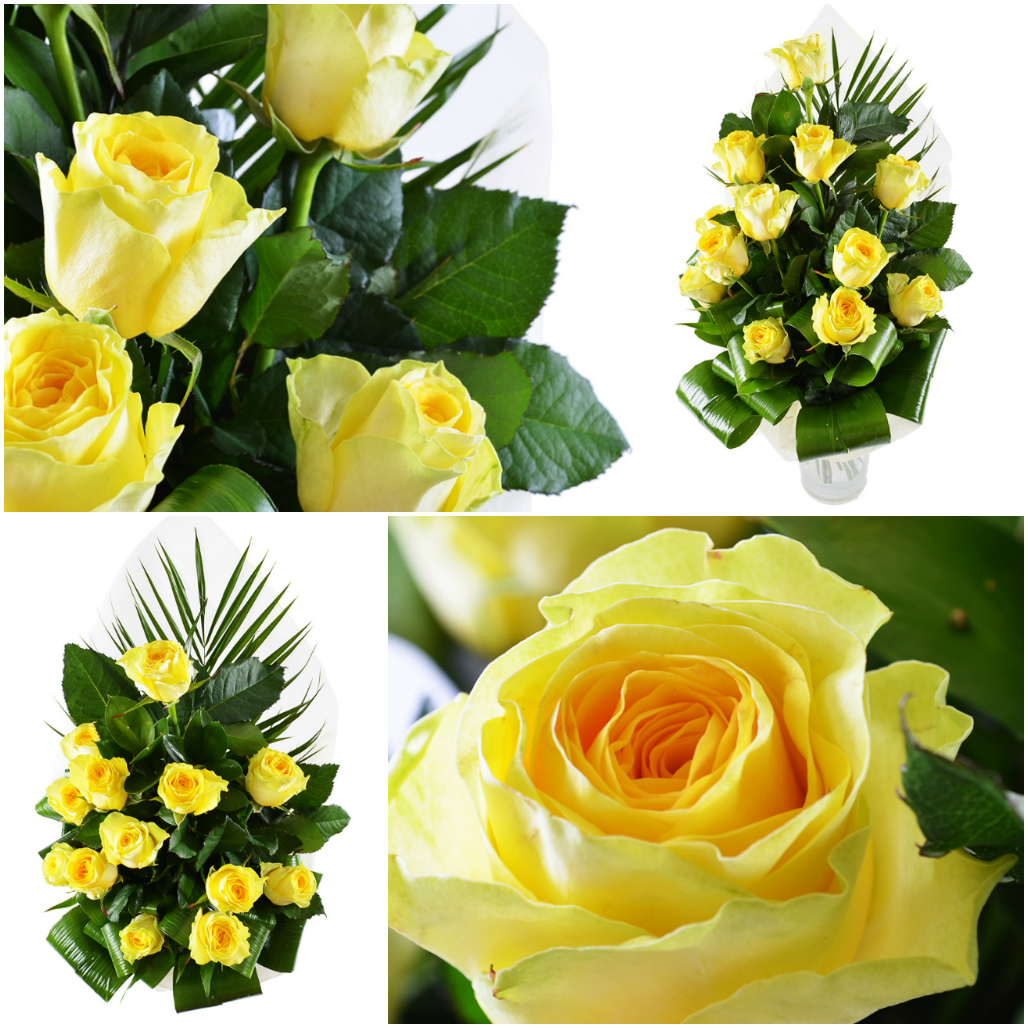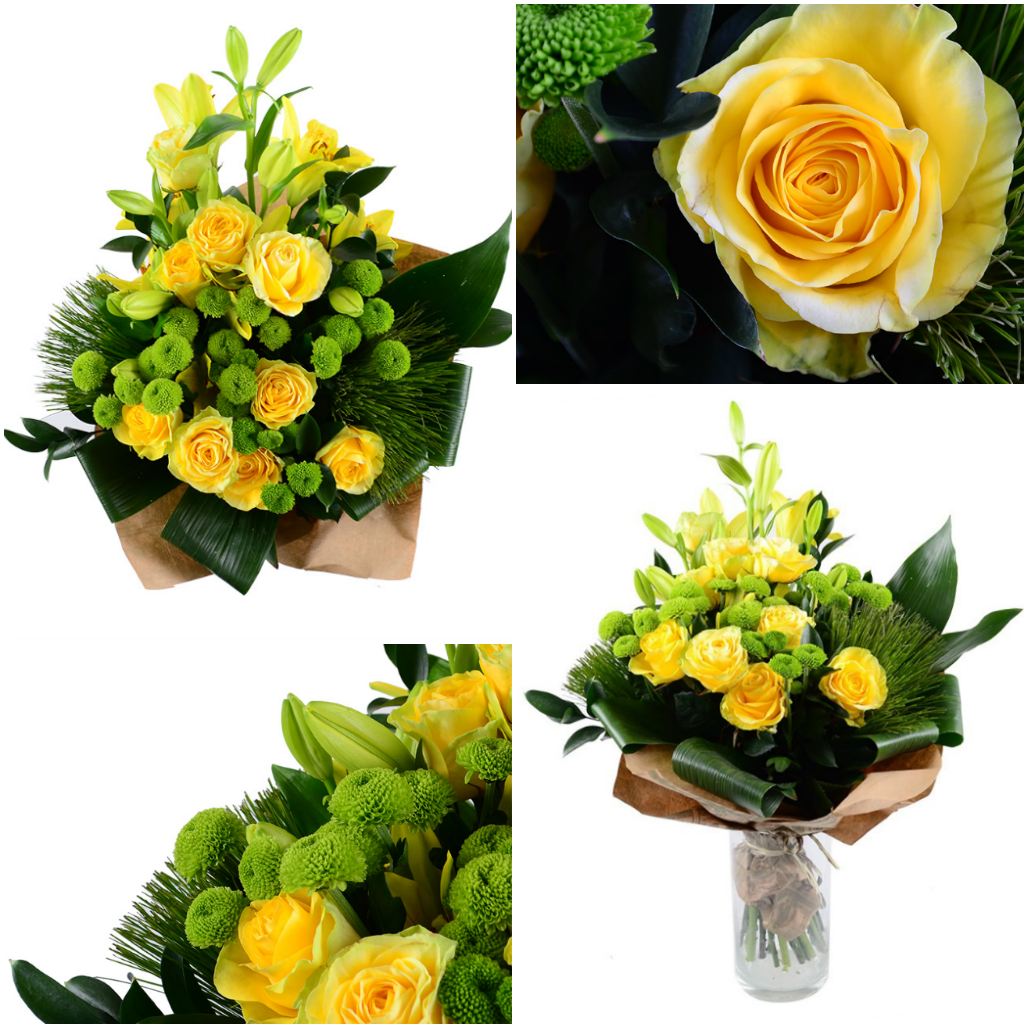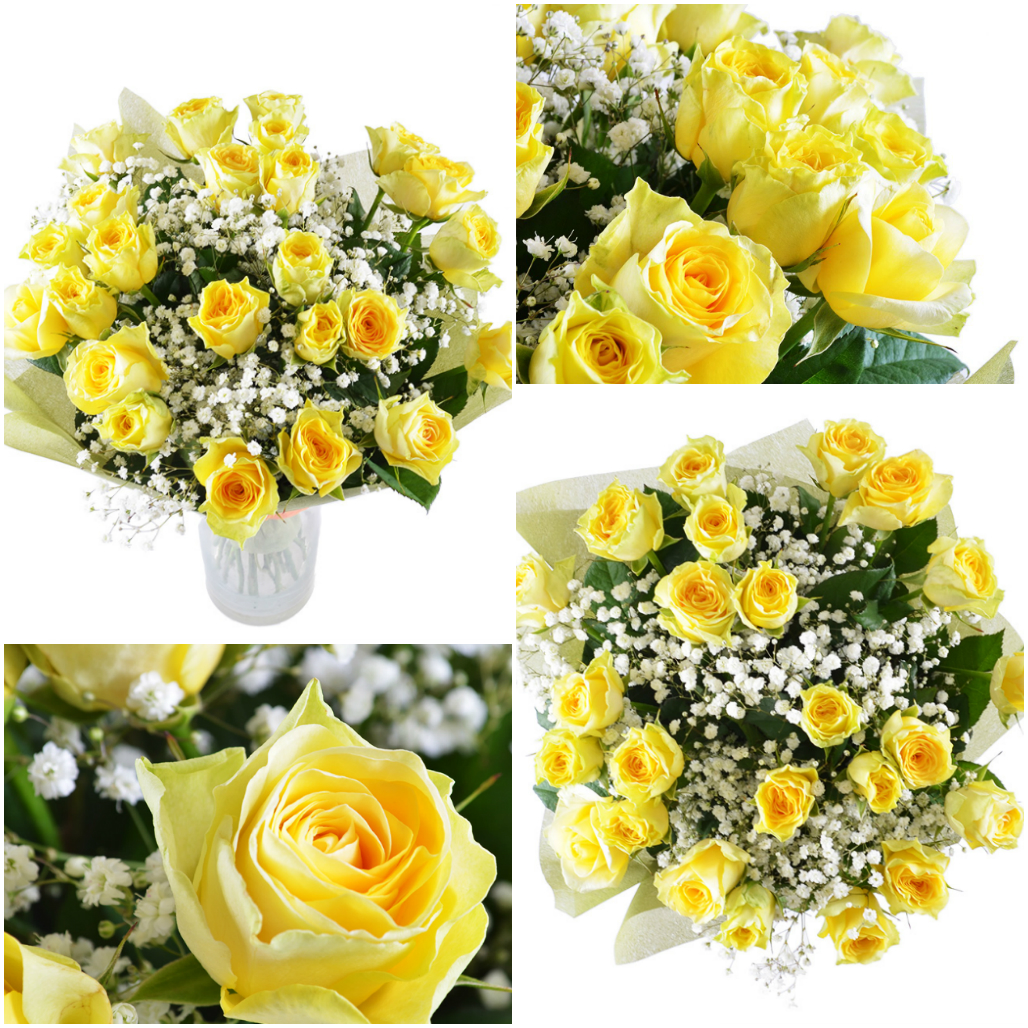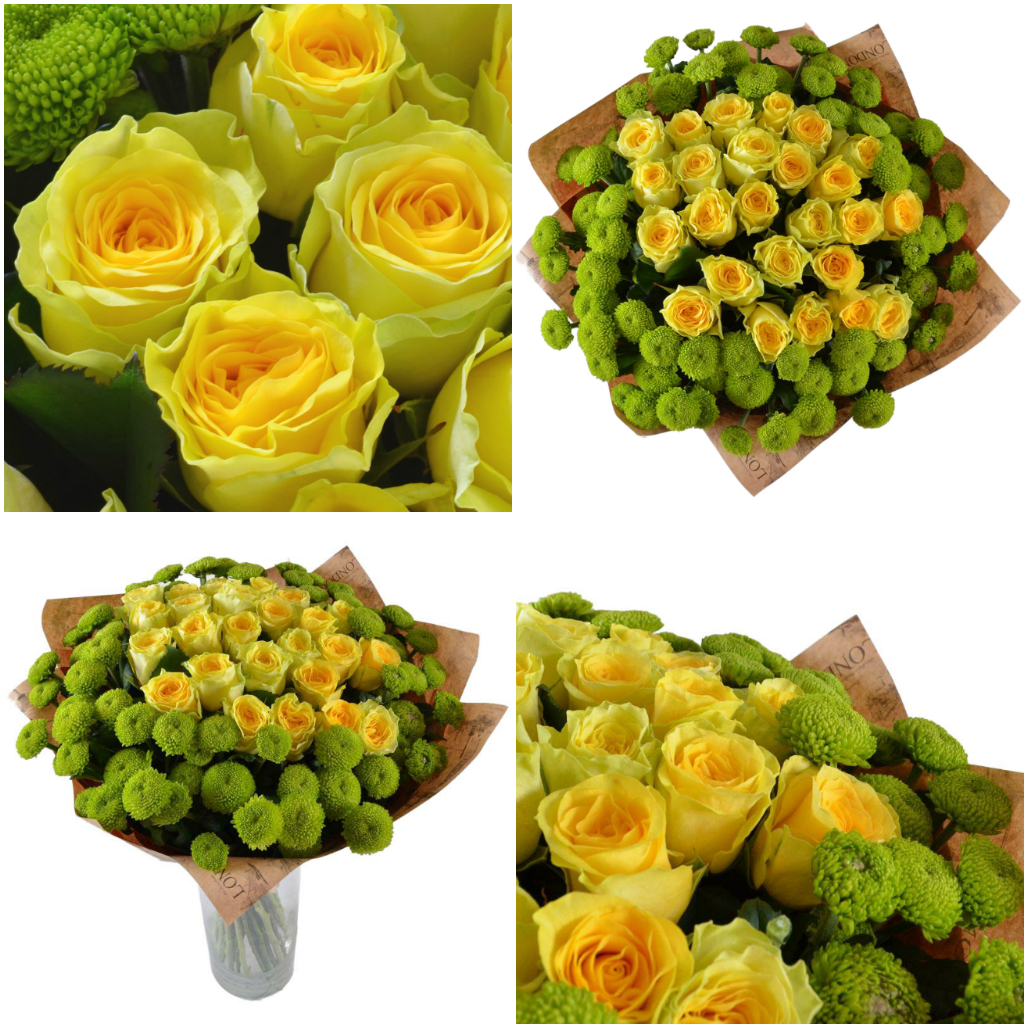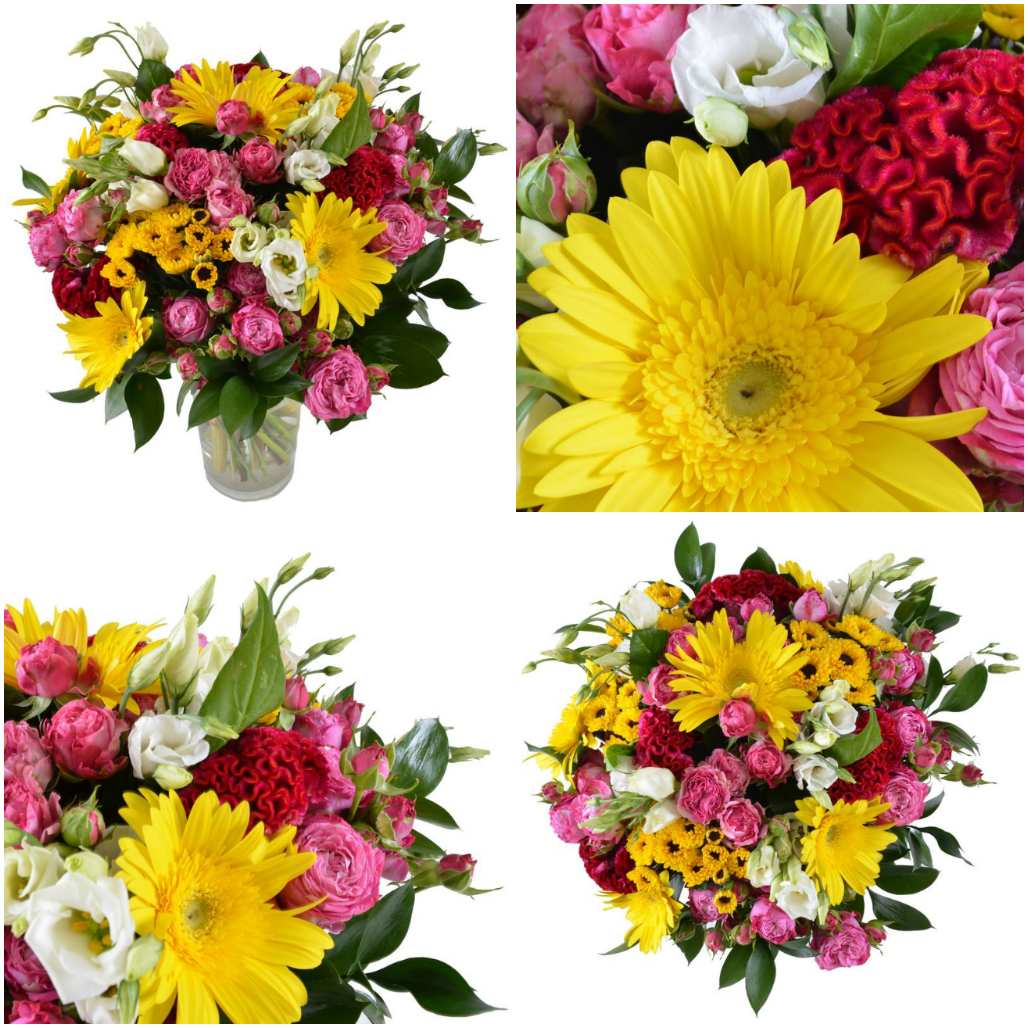
Yellow flowers are among the sunniest and most cheerful of all. Yet many people still hesitate to give them: what if they mean "parting"? Here is where that superstition comes from, what yellow means in different cultures and in the language of flowers, which yellow flowers are available each season, what to pair them with, and who a yellow bouquet suits best. More flowers with photos, names and meanings are in our guide to types of flowers. We also explain what yellow roses mean.
You can delight someone today: spray roses or flowers in a box.
The idea of yellow flowers as a sign of separation is especially widespread in the former Soviet countries. It is often linked to an eastern legend about a sultan who, suspecting his wife of infidelity, handed her red roses: if she was unfaithful, the flowers would turn yellow — and they did. Popular culture played its part too: a hit song of the early 1990s about yellow tulips tied them directly to breaking up.
In the Victorian language of flowers the yellow rose also had a less than happy meaning — jealousy or fading love. But that was just one of many conventional 19th-century systems, and outside our region almost nobody remembers the "parting" symbolism any more.
Modern florists associate yellow with joy, friendship, warmth, optimism and gratitude. In Europe and the US yellow roses are given to friends and colleagues as a sign of affection without romantic overtones, and in Asia yellow is the colour of prosperity. For Ukraine, yellow is also one of the colours of the national flag, and the sunflower is an unofficial national symbol.
In other words, a yellow bouquet is appropriate almost anywhere if you give it with sincere wishes. And if the recipient is superstitious, simply add white or blue flowers and the bouquet will read as unmistakably festive. More on symbolism in our article on the language of flowers.
The rules are the same as for any cut flowers: a clean vase, cool water, trimming the stems at an angle with a sharp knife every 1–2 days, and a spot away from radiators and fruit. Remove the lower leaves from sunflowers; do not cut tulips too short, as they keep growing in water; and keep daffodils in a separate vase for a few hours before adding them to other flowers.
Yes. The "parting" symbolism is a superstition few people take seriously today. In modern floristry yellow stands for joy and friendship.
Friendship, joy and gratitude. The Victorian language of flowers linked them to jealousy, but that meaning is long outdated.
Mimosa, tulips, daffodils, ranunculus and freesia.
White or blue flowers: the arrangement then reads as gentle and festive.

Author: Maria Svitlovir
Graduated from Taras Shevchenko National University of Kyiv, Institute of Biology and Medicine (2001). BSc in Biology, MSc in Horticulture. Writes about plants, works at a garden centre selecting and repotting plants, and contributes to plant reference guides.
© Kyiv 2026 UFL Flower Shop

Trademark UFL №191476 is used under license of the rights holder.
All rights reserved. Any use of materials without a link to the site is prohibited.

 Birthday
 Hydrangeas