Aloe is one of the easiest houseplants: it forgives forgotten watering and looks tidy all year round. It is also surrounded by myths about miraculous properties. Here is which aloes grow well indoors, how to care for them and what is actually known about the gel.
Succulents and other easy-care plants: potted plants delivered in Kyiv.
The genus Aloe includes hundreds of species, most of them from Africa and the Arabian Peninsula. They are succulents: they store water in thick leaves and cope well with drought. Four species are grown indoors most often.
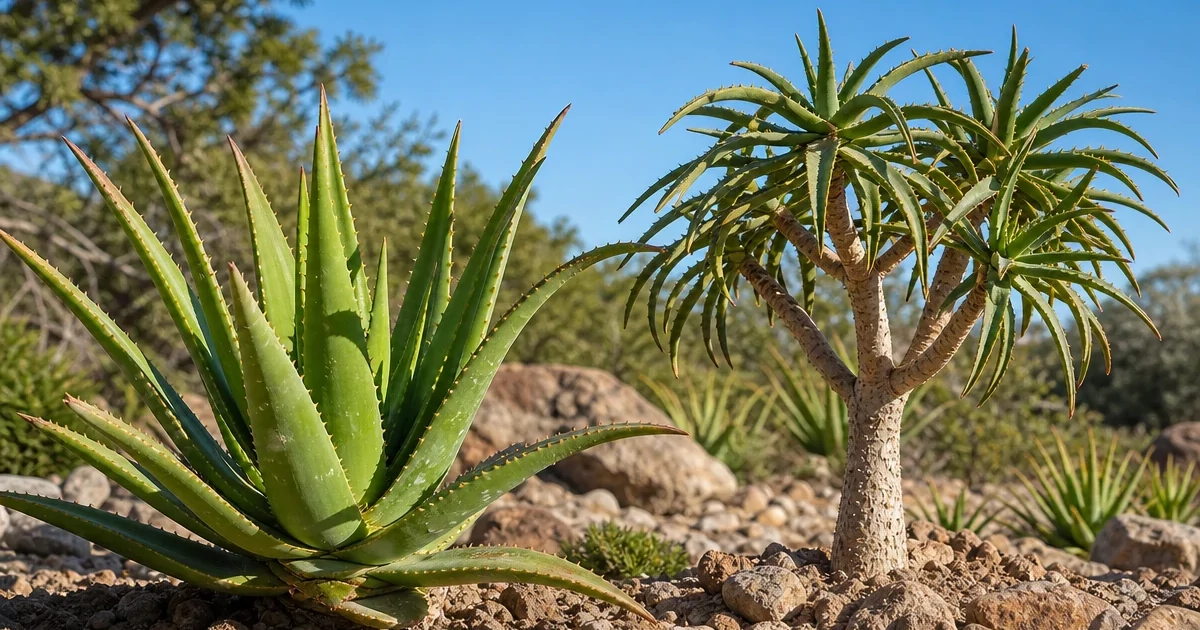
"Aloe" is a whole genus of hundreds of species, and aloe vera (Aloe vera, or Barbados aloe) is just one of them. It is the species whose gel is most used in cosmetics. It is easy to recognise: fleshy grey-green leaves in a basal rosette, spotted pale in young plants.
Tree aloe (Aloe arborescens) has a trunk and long, narrow leaves with spiny edges. It has long been grown at home, but aloe vera is the usual choice for home skincare. Some of the hundreds of species contain toxic compounds, so only apply gel from a plant whose species you know for sure.
The easiest way is from offsets (pups) that appear at the base. Separate them carefully when repotting, let the cut dry for a day or two and plant in dry succulent mix. Start watering after a few days. Candelabra aloe also roots easily from top cuttings.
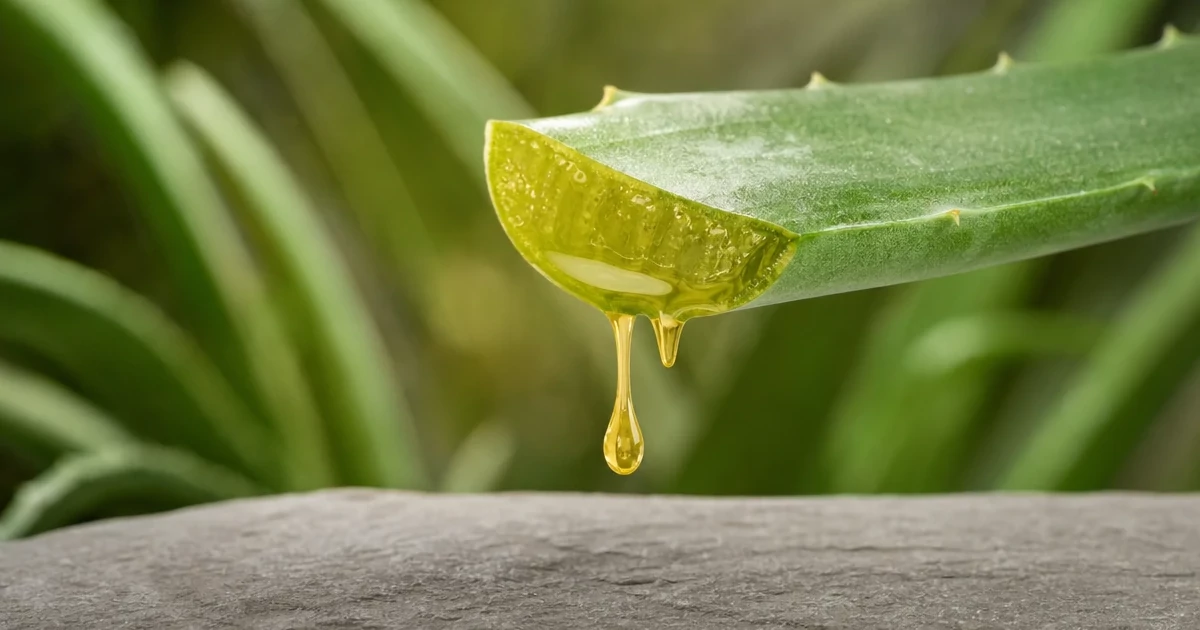
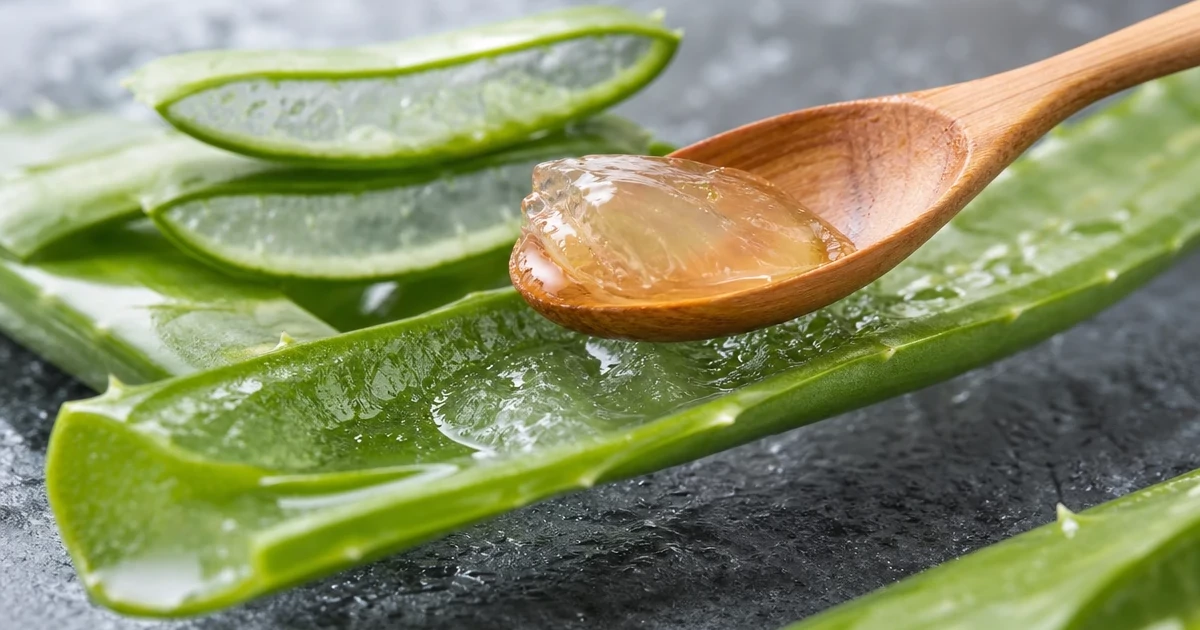
The clear gel from the leaf pulp is widely used in cosmetics — moisturisers, after-sun gels and products for sensitive skin. Scientific evidence for medical effects is limited and mixed, so aloe is no substitute for treatment. The bitter yellow sap under the leaf skin (latex) contains aloin and is a strong laxative; do not take aloe internally without medical advice.
Aloe is toxic to cats and dogs: if a pet chews a leaf, vomiting and digestive upset are possible. Keep the pot out of their reach.
For common care mistakes, see 10 ways to kill a houseplant, and for aloe with other succulents, how to make a succulent arrangement.
Usually because of overwatering: check the roots and let the soil dry out completely.
Yes. With bright light and a cool winter, mature plants send up a spike of tubular flowers. Lace aloe flowers especially readily.

Author: Maria Svitlovir
Graduated from Taras Shevchenko National University of Kyiv, Institute of Biology and Medicine (2001). BSc in Biology, MSc in Horticulture. Writes about plants, works at a garden centre selecting and repotting plants, and contributes to plant reference guides.
© Kyiv 2026 UFL Flower Shop

Trademark UFL №191476 is used under license of the rights holder.
All rights reserved. Any use of materials without a link to the site is prohibited.


 Birthday
 Hydrangeas