
 Birthday
 Hydrangeas
The amaryllis is a bulb plant with huge bell-shaped flowers on a tall stem. What is sold under this name is usually Hippeastrum, a close relative of the true amaryllis from South Africa. Both are cared for in the same way, and with the right care the bulb flowers every year.
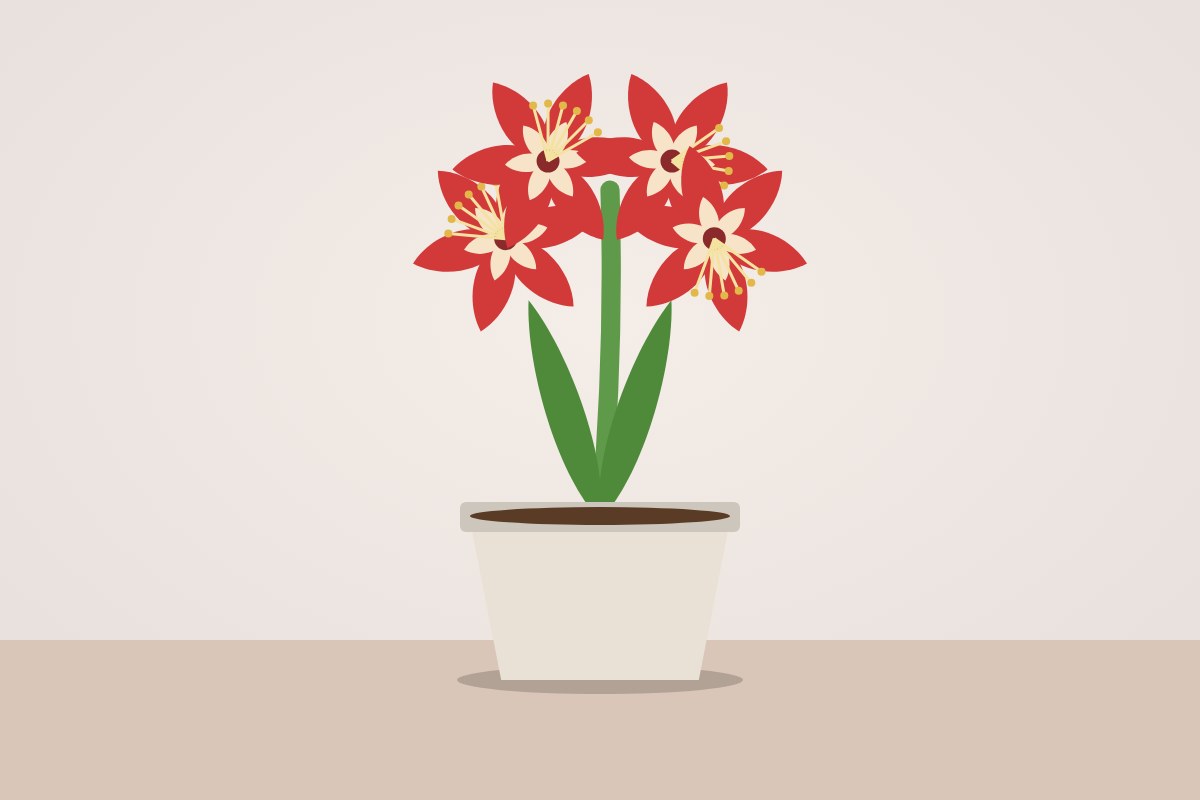
Illustration 1. One stem carries 2–6 flowers up to 20 cm across.
Choosing a bulb
A good bulb is firm and heavy, with no soft spots or mould, and with live roots. The bigger the bulb, the more flower stems it produces: a circumference of 30–34 cm usually guarantees two stems.
Planting
- Use a pot only 3–5 cm wider than the bulb, heavy and stable.
- Put drainage at the bottom, then rich, loose compost.
- Plant the bulb only half or two thirds deep — the top must stay above the soil.
- Water moderately the first time, then keep the compost barely moist until the flower stem appears.
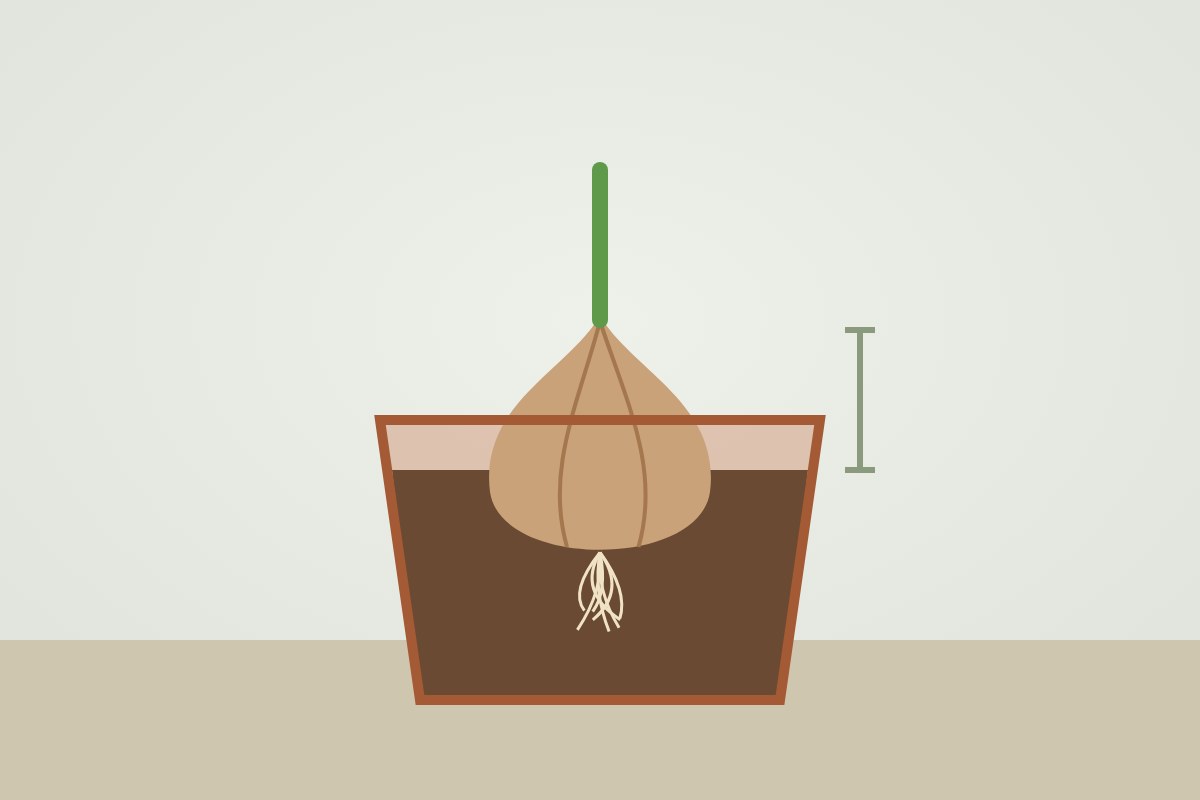
Illustration 3. The top third of the bulb stays above the soil surface.
Care during growth and flowering
- Light: bright, from a south- or west-facing window. Turn the pot so the stem doesn’t lean.
- Temperature: 20–24 °C for growth; a cooler spot (18 °C) during flowering extends it by a week or two.
- Watering: once the stem is 10 cm tall, water regularly into the saucer or around the edge of the pot, not onto the bulb.
- Feeding: after buds appear, every two weeks with fertiliser for flowering plants.
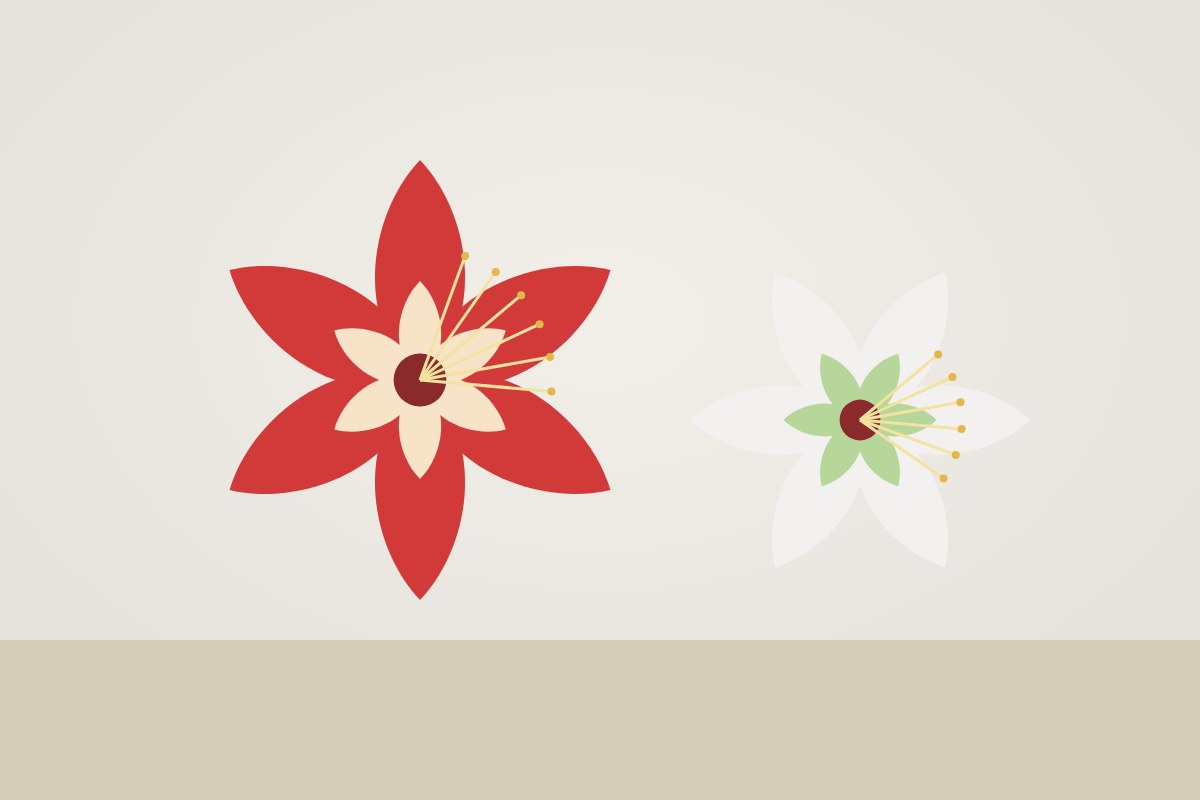
Illustration 2. There are red, white, pink, striped and double varieties.
It usually takes 6–10 weeks from planting to flowering. If you cut the stem when the first flower opens, it will last up to two weeks in a vase.
After flowering and dormancy
This is when the next flowering is set:
- Cut the flower stem 5–10 cm above the bulb, but leave the leaves.
- Keep watering and feeding all summer: the leaves store food in the bulb.
- At the end of summer, gradually stop watering. The leaves will yellow and dry.
- Put the pot in a dark, cool place (10–13 °C) for 8–10 weeks.
- Then bring it back into the light and resume watering, and a new flower stem will appear.
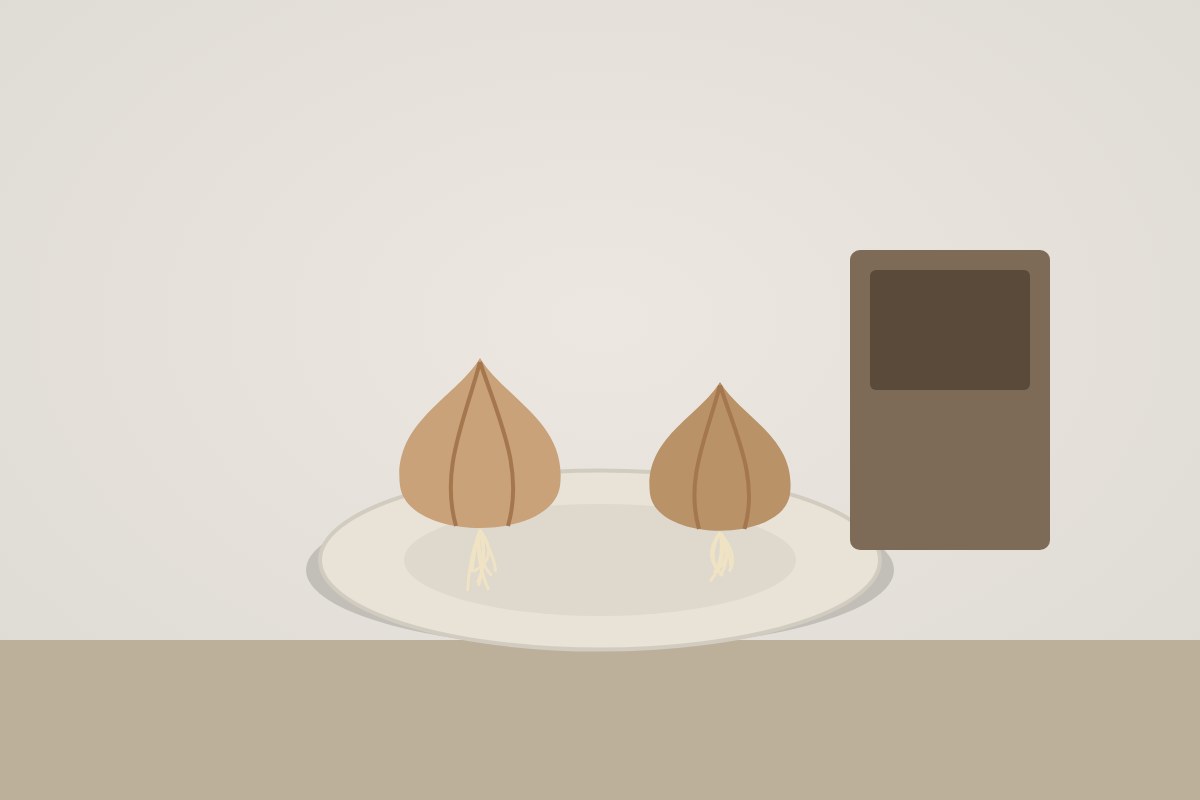
Illustration 4. A rest period is essential for flowering every year.
Repotting and propagation
Repot every 3–4 years at the end of dormancy, replacing the top layer of compost every year. When repotting, separate the offsets from the mother bulb: they flower after 2–3 years. You can also grow amaryllis from seed, but you will wait 3–5 years for flowers.
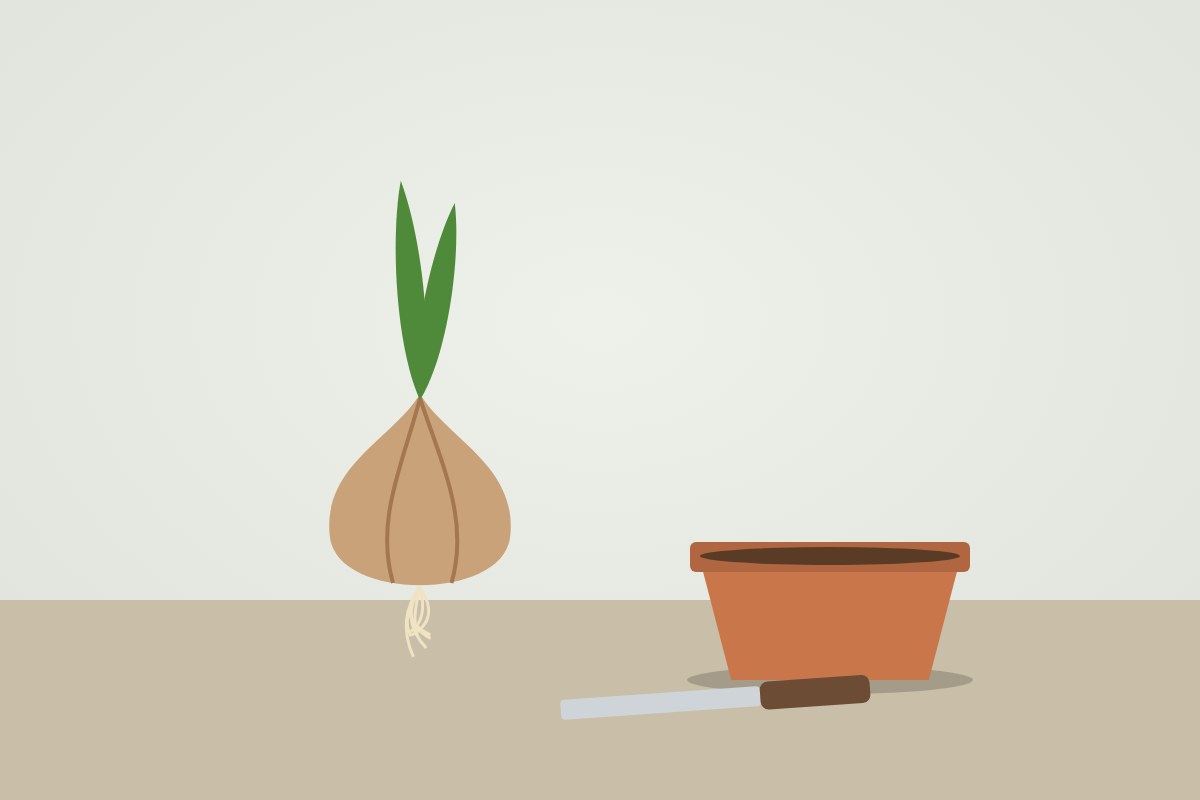
Illustration 5. Repotting is combined with separating the offsets.
Safety
All parts of the amaryllis, especially the bulb, are poisonous to people and pets because of the alkaloid lycorine. Wear gloves and keep the pot away from cats, dogs and small children.
In short. Shallow planting, bright light, feeding after flowering and an essential cool rest, and your amaryllis will bloom again.