
 Birthday
 Hydrangeas
A flowering balcony is a small garden you don't have to travel to. To keep it blooming from May to October, choose plants to suit your balcony's aspect, pick the right boxes and compost, and keep up with watering in hot weather. Here is a step-by-step guide, from choosing flowers to overwintering.
Step 1. Work out how much sun your balcony gets
This is the main criterion. Count how many hours of direct sun the balcony receives each day:
- 6 hours or more — sunny (usually south and south-west);
- 3–5 hours — part shade (east, west);
- under 3 hours — shade (north, or balconies shaded by trees or buildings).
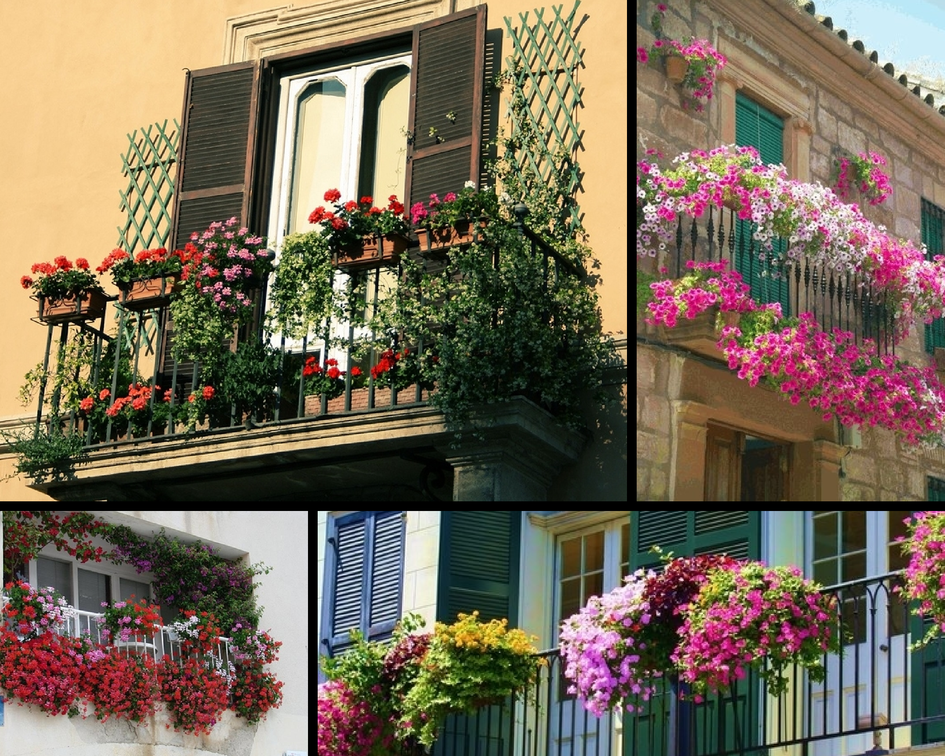
Step 2. Choose your plants
For a sunny balcony
- Pelargonium — copes with heat and dry spells and flowers all summer; bring it indoors in autumn.
- Petunia and calibrachoa — lush mounds in boxes and hanging baskets; love sun and regular feeding.
- Portulaca and verbena — for the hottest south-facing balconies.
.jpg)

For part shade
- Begonia (wax and trailing types) — flowers until autumn and tolerates light shade.
- Lobelia — clouds of small blue or white flowers that trail over the edge of a box.
- Bacopa, viola, nasturtium — easy-going and pretty in mixed plantings.
.jpg)

For a shady balcony
- Fuchsia — ballerina-like flowers; prefers cool part shade.
- Busy lizzie and tuberous begonia — bright flowers without direct sun.
- Coleus — colourful foliage in every shade instead of flowers.
Step 3. Boxes, baskets and compost
- Volume. Allow about 3–5 litres of compost per plant; a standard 60 cm box takes 4–5 plants.
- Drainage. Drainage holes are essential; add 2–3 cm of clay pebbles at the bottom.
- Compost. Use ready-made balcony plant compost or multi-purpose compost with added perlite.
- Safety. Fix boxes on the outside of railings with sturdy brackets: a full box of wet compost weighs over 10 kg.
- Go vertical. Hanging baskets and light climbers (morning glory, sweet pea) save space — see climbing plants. For container ideas see DIY plant pot covers.

Step 4. Summer care
- Watering. In hot weather sunny balconies need water daily, sometimes morning and evening. Self-watering boxes reduce the risk of drying out.
- Feeding. Every 7–10 days with a flowering-plant fertiliser; petunias and calibrachoa need more than pelargoniums.
- Deadheading keeps plants flowering longer.
- Wind. On high floors choose low, compact plants and shelter the boxes.
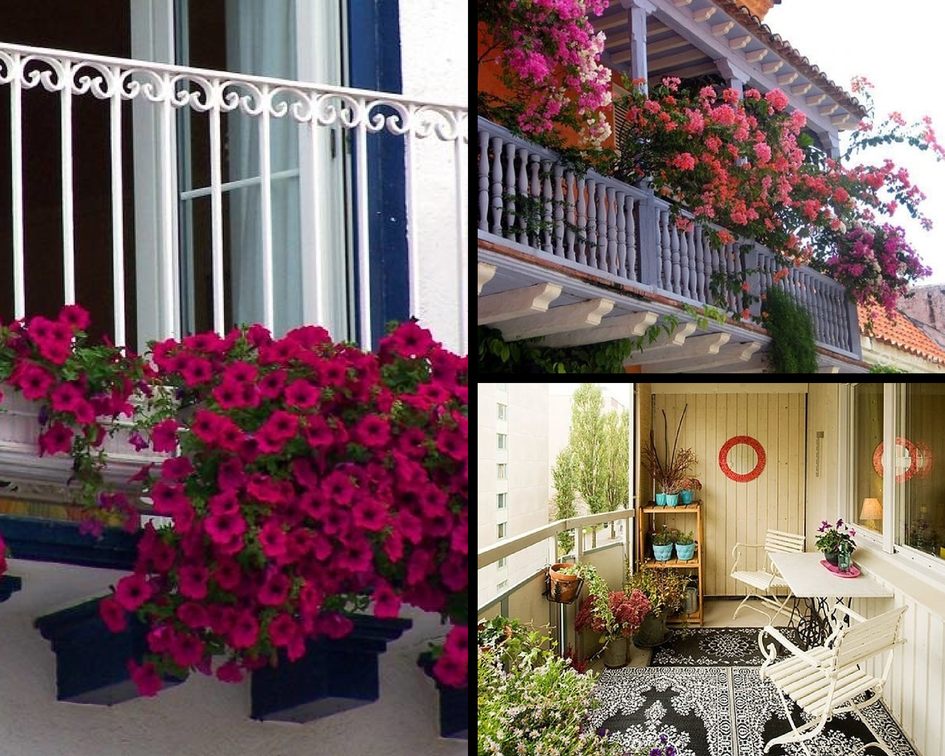
Step 5. What to do in autumn
Most balcony flowers are annuals, but pelargoniums, fuchsias and tuberous begonias can be kept: move them before the frosts to a bright, cool place (10–15 °C), water less, then cut back in spring and put them out again.

FAQ
When should I plant up my balcony?
In most of Ukraine, in the second half of May, when nights are reliably above 10 °C.
Which balcony flowers are the toughest?
Pelargoniums, marigolds, nasturtiums and portulaca handle heat and missed watering best.
Can I grow herbs on a balcony?
Yes: basil, mint, thyme and parsley grow well in boxes on the sunny side.

View full-size photo
Author: Maria Svitlovir
Graduated from Taras Shevchenko National University of Kyiv, Institute of Biology and Medicine (2001). BSc in Biology, MSc in Horticulture. Writes about plants, works at a garden centre selecting and repotting plants, and contributes to plant reference guides.