The begonia is one of the most popular houseplants: some varieties delight with bright flowers almost all year, others with patterned leaves. It is not fussy, but it has three key needs: indirect light, moderate watering and humid air without misting the leaves.
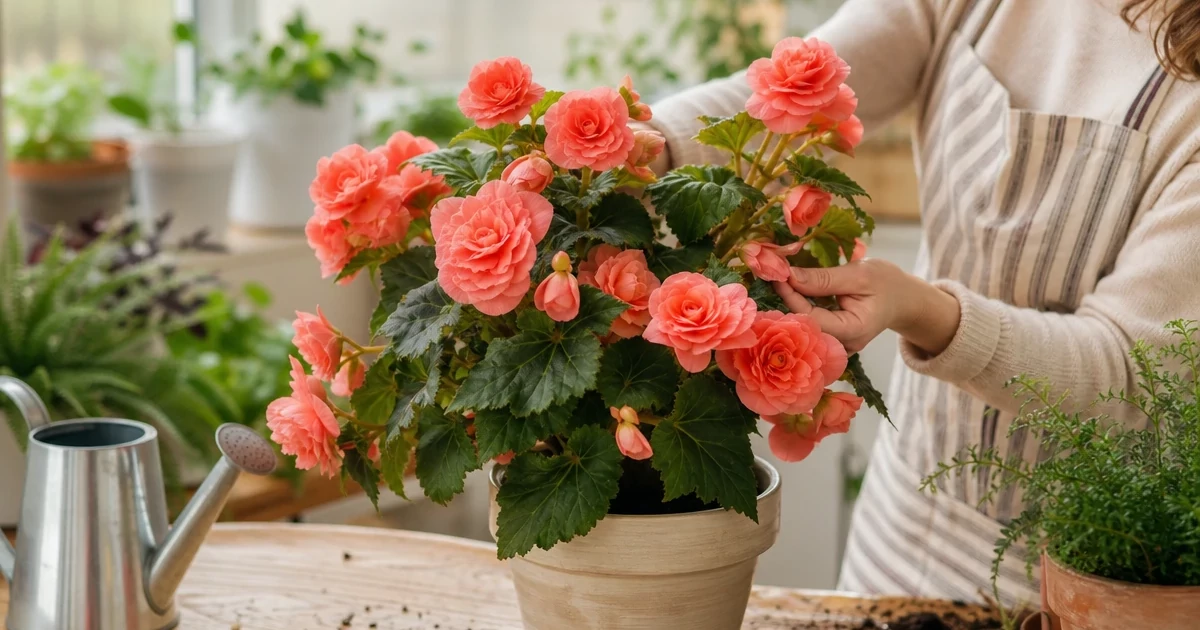
Illustration 1. A flowering begonia adds a bright accent to a windowsill.
The genus has more than 1,800 species. Indoors they are conveniently divided into three groups:
Illustration 2. The Rex begonia is valued for its leaves with silver, burgundy and green patterns.
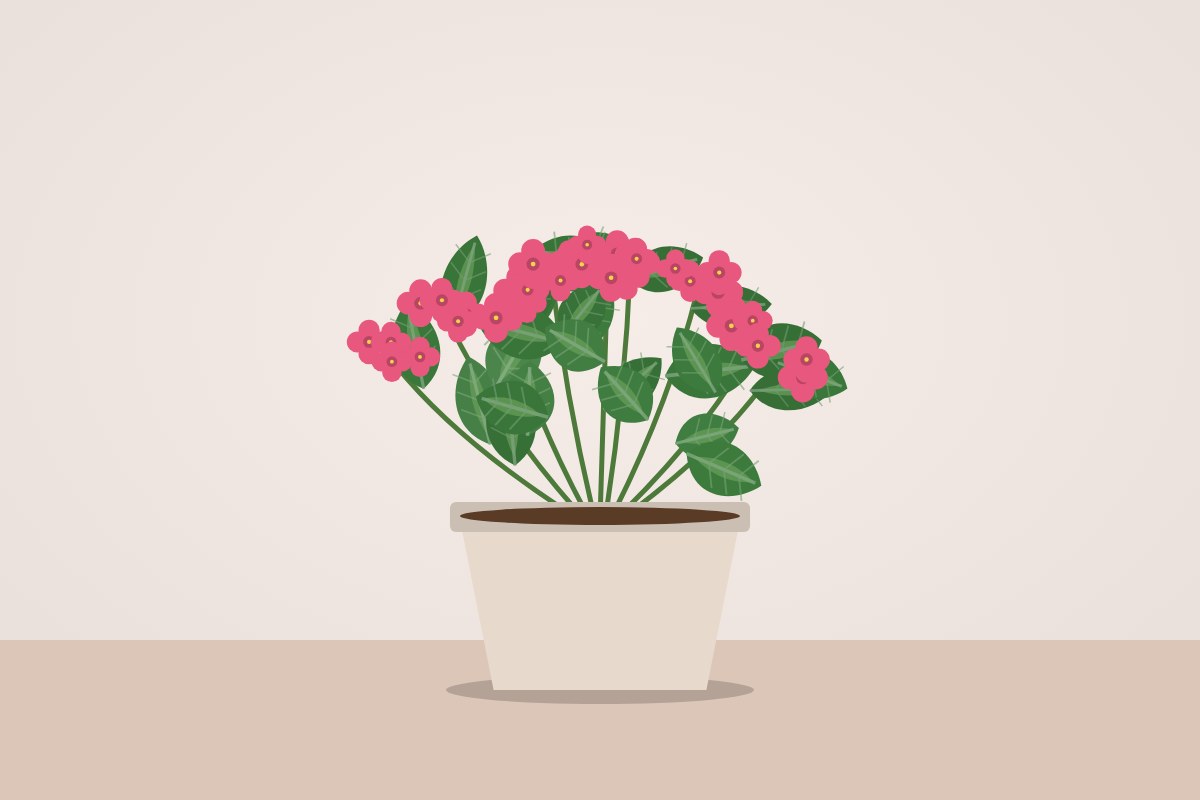
A begonia needs bright indirect light from an east- or west-facing window. Direct midday sun scorches the leaves. Flowering varieties need more light than foliage types.
The comfortable temperature is 18–24 °C in summer and no lower than 15–16 °C in winter. Begonias dislike draughts and sudden changes and may drop their buds.
Illustration 3. The best spot is near a window, but out of direct sun.
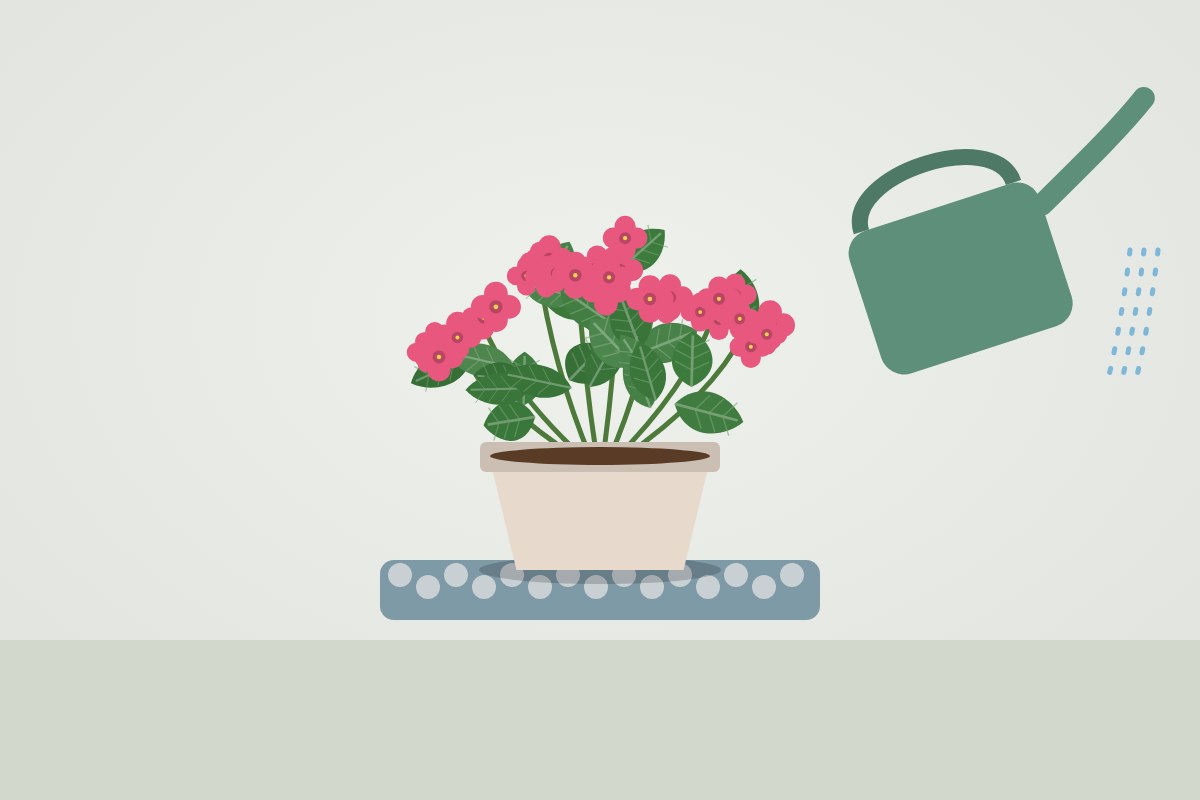
Water when the top 1–2 cm of soil has dried. Use settled water at room temperature. Overwatering and water standing in the saucer quickly cause root rot.
Illustration 5. A tray of moist expanded clay raises humidity without misting.
Use a light, loose potting mix for flowering plants with added perlite. Drainage at the bottom of the pot is essential. Choose a shallow pot that is not too large: in a roomy pot a begonia takes a long time to flower.
During growth and flowering, feed every two weeks with fertiliser for flowering plants. Foliage varieties respond better to nitrogen-rich feeds. Repot in spring every 1–2 years.
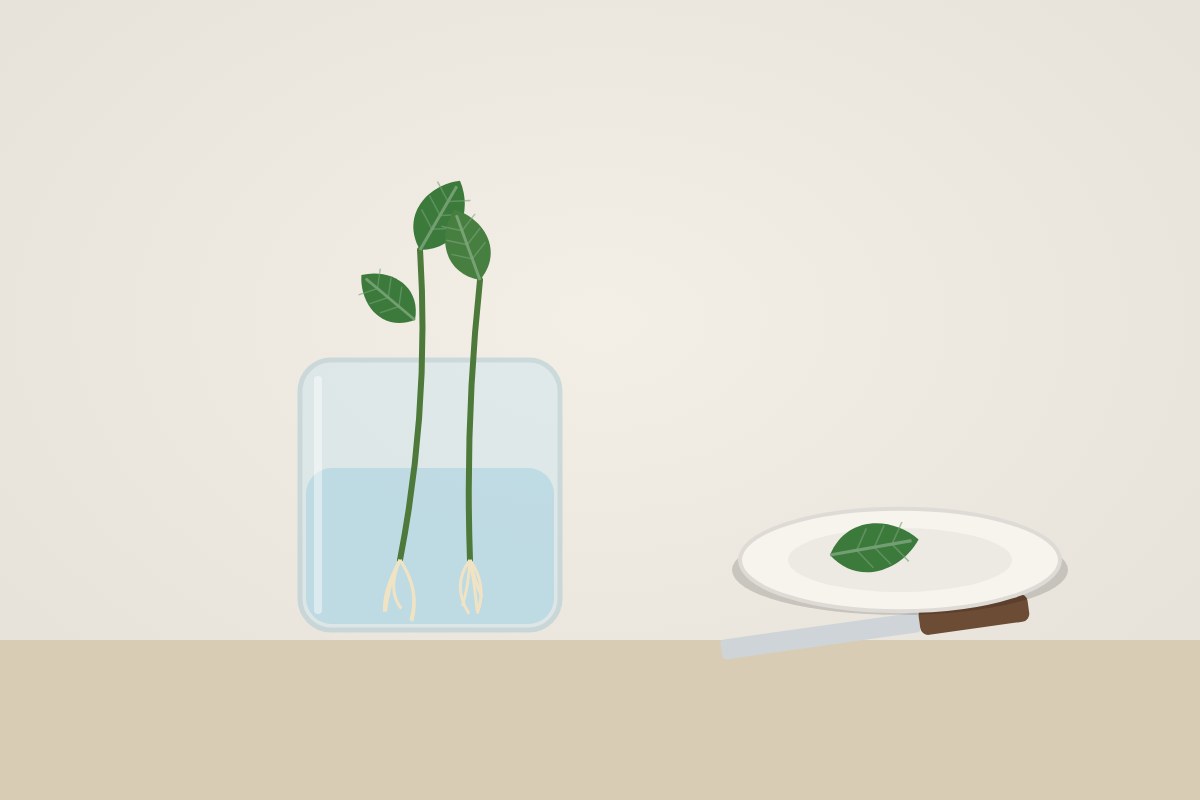
Illustration 4. Begonias root easily from stem or leaf cuttings.
In short. Indirect light, watering once the soil dries, humid air without misting and a snug pot: follow these four rules and your begonia will bloom profusely and show off its beautiful leaves.
© Kyiv 2026 UFL Flower Shop

Trademark UFL №191476 is used under license of the rights holder.
All rights reserved. Any use of materials without a link to the site is prohibited.


 Birthday
 Hydrangeas