
 Birthday
 Hydrangeas
Wrapping is not just about looks: it protects flowers in transit, sets the bouquet’s style and suits the occasion. Good wrapping makes a modest bouquet festive, while poor wrapping can steal attention from the flowers. Here are the materials florists use, what is in fashion and how to wrap a bouquet with taste.
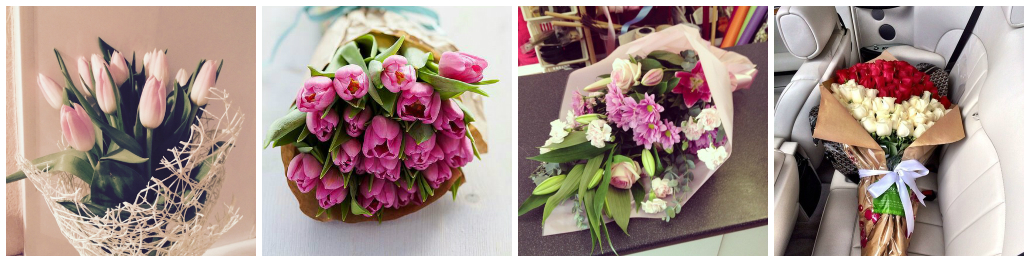
Beautifully wrapped bouquets: large rose bouquets and peony-style roses.
Wrapping materials
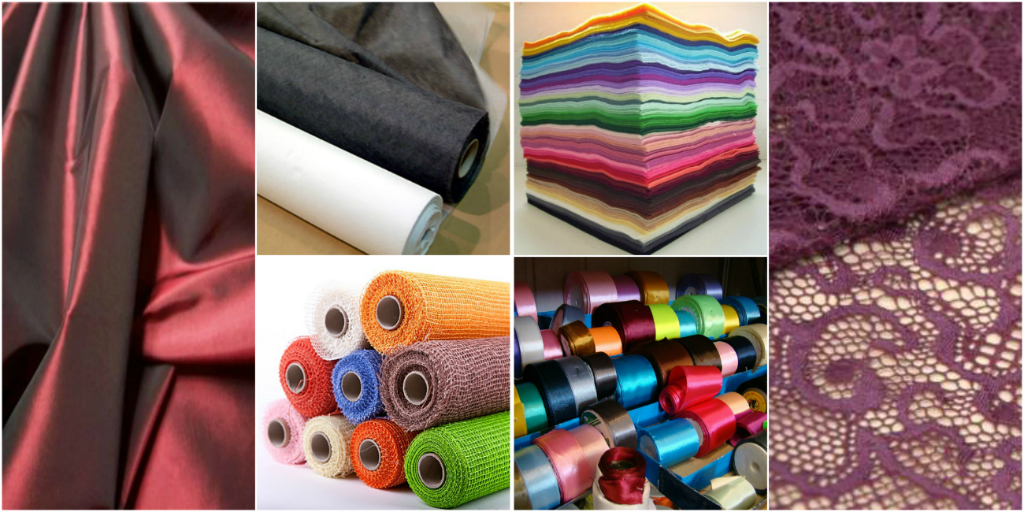
- Kraft paper — natural and versatile, great for mixed and wildflower bouquets.
- Matte film — thin, in pastel shades; shields flowers from wind and cold.
- Felt, linen, organza — soft textures for delicate and bridal bouquets.
- Aqua box or aqua pack — wrapping with a water reserve, so the bouquet can wait before going in a vase.
What is in and what is out
- In: minimal wrapping, natural materials, 1–2 colours, satin or cotton ribbon.
- Out: glitter, plastic mesh, sisal and layers of bright colours that hide the flowers.
.jpg)
Wrapping rules
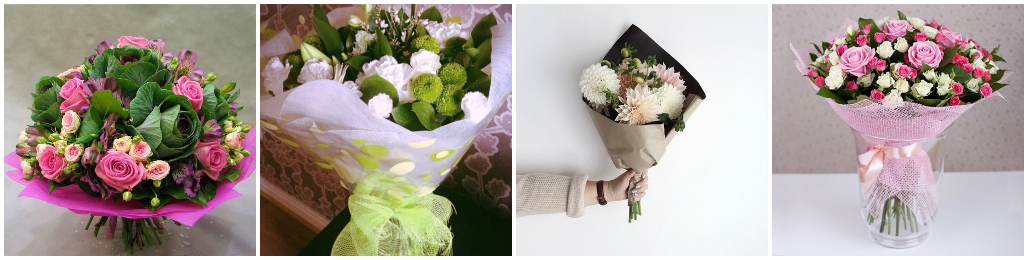
- Wrapping should never outshine the flowers — it is just the frame.
- Match the colour to the flowers or keep it neutral: white, cream, grey, kraft.
- A bouquet carried through frost needs thick protective wrapping.
- Attach the card so it is easy to take out.
On bouquet shapes see Types of bouquets, on formats see Bouquet, box or basket, and to make one yourself see DIY bouquet for beginners.
FAQ
Should I remove the wrapping at home?
Yes — before putting the bouquet in a vase, remove the wrapping, recut the stems and strip leaves below the waterline.
Can I give a bouquet without wrapping?
Yes, if it is a light garden-style bouquet or you hand it over straight away; a ribbon on the stems is enough.

View full-size photo
Author: Maria Svitlovir
Graduated from Taras Shevchenko National University of Kyiv, Institute of Biology and Medicine (2001). BSc in Biology, MSc in Horticulture. Writes about plants, works at a garden centre selecting and repotting plants, and contributes to plant reference guides.