
 Birthday
 Hydrangeas
Chinese New Year, or the Spring Festival, is the main holiday in China and many East Asian countries. Here is why its date changes every year, where the red-colour tradition comes from, how people celebrate and which flowers and plants are placed at home to welcome a lucky year.
Orchids and other plants for festive decor are in our potted plants section.

When it is celebrated
The festival begins with the new moon according to the lunisolar calendar, so its date changes: it always falls between 21 January and 20 February. In 2027 Chinese New Year falls on 6 February, the start of the Year of the Goat. Celebrations last about two weeks and end with the Lantern Festival on the 15th day of the first month.
The twelve animals
Each year in the Chinese calendar is linked to one of twelve animals: Rat, Ox, Tiger, Rabbit, Dragon, Snake, Horse, Goat, Monkey, Rooster, Dog and Pig. Together with the five elements (wood, fire, earth, metal, water) they form a 60-year cycle. For many people it is above all a cultural tradition rather than a prediction of fate.
The legend of the Nian beast
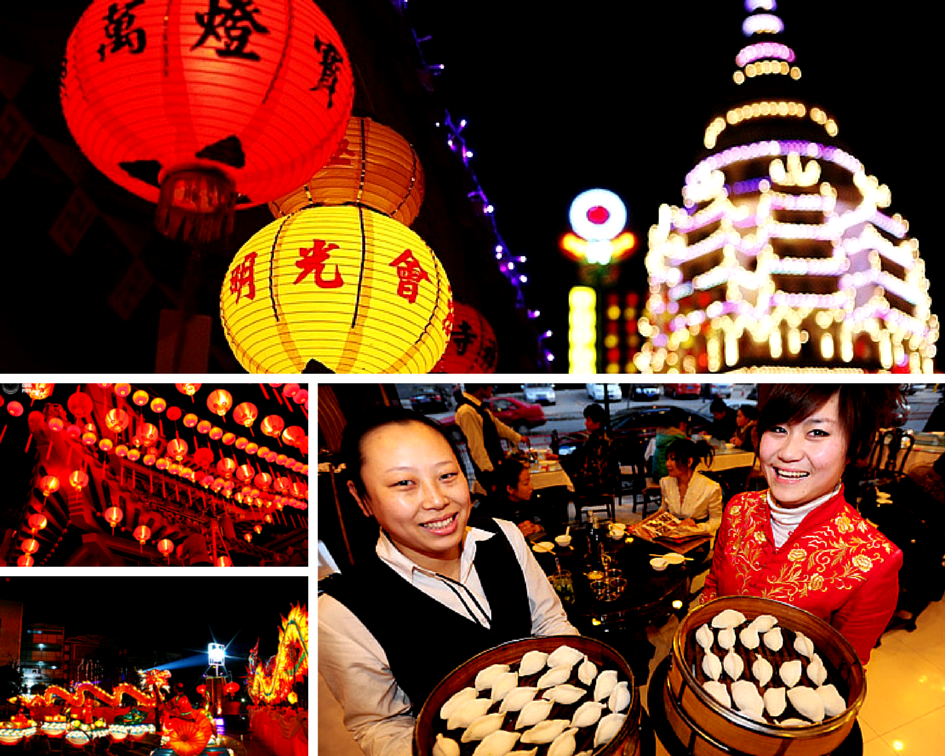
According to legend, at the start of the year a beast called Nian came out of the sea or mountains and attacked villages. People noticed that it feared the colour red, fire and loud noise. Since then homes have been decorated in red at New Year, lanterns lit and firecrackers set off.

Main traditions
- Cleaning before the holiday to "sweep away" the bad luck of the old year; in the first days of the new year, by contrast, sweeping is avoided.
- A family reunion dinner on New Year's Eve; in northern China people make jiaozi dumplings, shaped like old silver ingots.
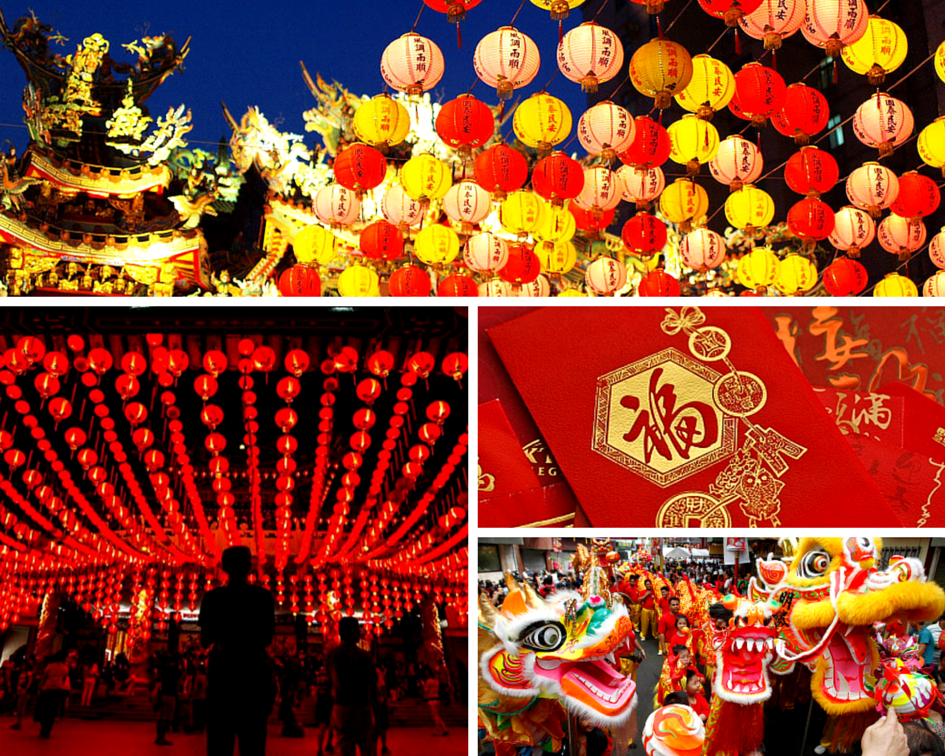
- Red envelopes (hongbao) with money are given to children and younger relatives.
- Spring couplets with good wishes on red paper are hung on both sides of the door.
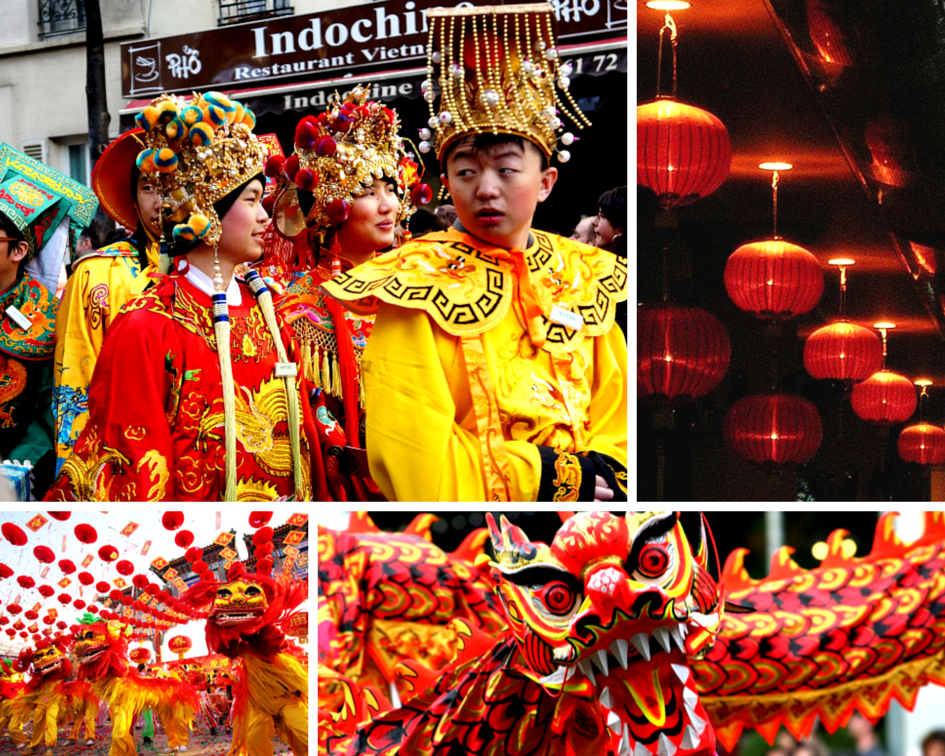
- Fireworks and lion and dragon dances symbolise driving away evil spirits.
- Mandarins are given as a wish for luck and prosperity.
Flowers and plants of the festival
Flower fairs are held in China before the festival. Homes are decorated with branches of flowering peach and plum, water narcissus timed to bloom for New Year, kumquat trees with fruit, orchids and lucky bamboo (Dracaena sanderiana).

How to celebrate at home
- Add red and gold to your decor, plus paper lanterns.
- Put mandarins on the table and make dumplings.
- Decorate your home with flowering branches, an orchid or a potted plant.
- Give loved ones small gifts wrapped in red.

FAQ
Why does the date of Chinese New Year change every year?
It is set by the lunisolar calendar: the festival begins with the new moon between 21 January and 20 February.
Which year begins in 2027?
The Year of the Goat; Chinese New Year falls on 6 February 2027.
Which flowers are given for Chinese New Year?
Flowering peach and plum branches, narcissi, orchids, kumquat trees and lucky bamboo.

View full-size photo
Author: Maria Svitlovir
Graduated from Taras Shevchenko National University of Kyiv, Institute of Biology and Medicine (2001). BSc in Biology, MSc in Horticulture. Writes about plants, works at a garden centre selecting and repotting plants, and contributes to plant reference guides.