
 Birthday
 Hydrangeas
This article was prepared with the support of UFL flower delivery. Is the bouquet you were given starting to fade? Don't be sad — it can still be useful. Mixed seasonal flowers can be dried for a dried-flower arrangement, and rose petals, lavender and herbs make a natural home fragrance: potpourri in a pretty jar or sachets for your wardrobe.
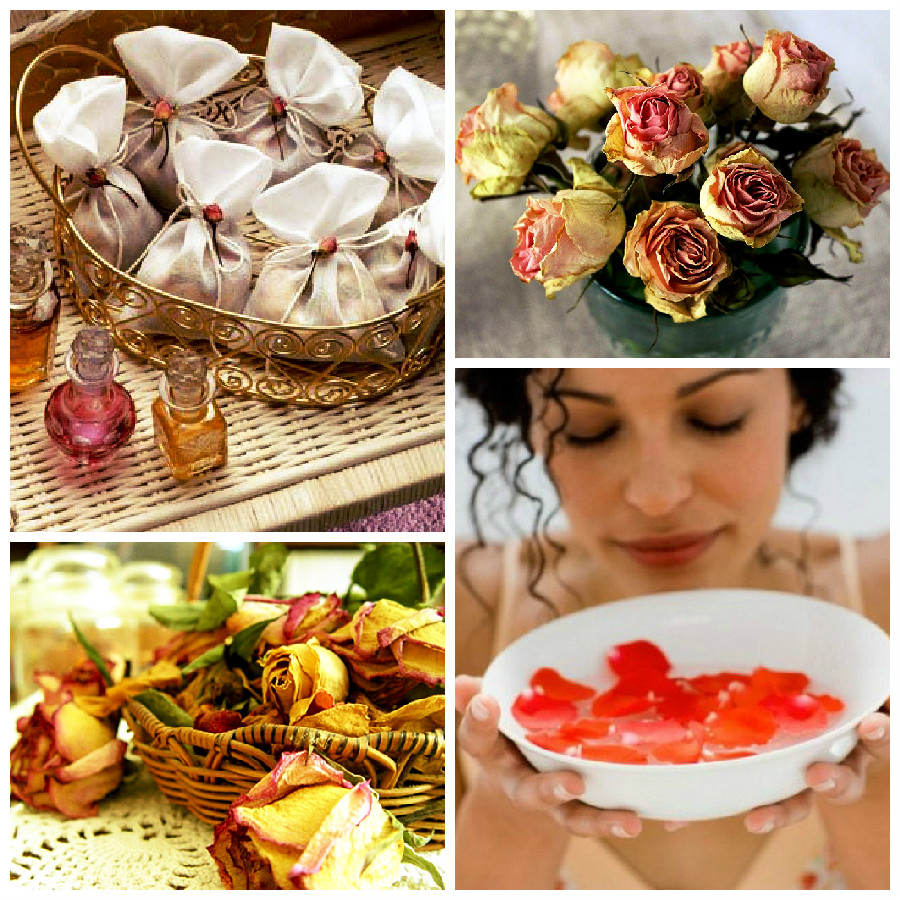
How to dry petals
- Air-drying. Spread petals in a single layer on paper or a mesh in a warm, dry, dark place for 5–10 days, turning them occasionally. Small flowers and herbs can be hung upside down in bunches.
- In the oven. At 40–50 °C with the door ajar for 2–3 hours — watch that they don't scorch.
- In silica gel. Keeps the shape and colour of whole buds, which are used to decorate potpourri.
Finished petals should be crisp — damp material will go mouldy.
Potpourri in a jar
You'll need:
- dried rose petals and other fragrant flowers: lavender, calendula, chamomile, marigolds, jasmine;
- dried herbs: thyme, mint, lemon balm, rosemary;
- spices: cinnamon sticks, cloves, star anise, a vanilla pod;
- dried orange or lemon peel;
- a fixative: ground orris root, benzoin resin or coarse salt;
- essential oils of your choice;
- a pretty jar with a lid.
- Mix the dry ingredients in a bowl.
- Add 1–2 tsp of fixative and 6–10 drops of essential oil and stir.
- Transfer to the jar, close it and leave somewhere dark for 2 weeks, shaking every few days.
- Open the jar or tip the mix into an open bowl — and enjoy the scent.
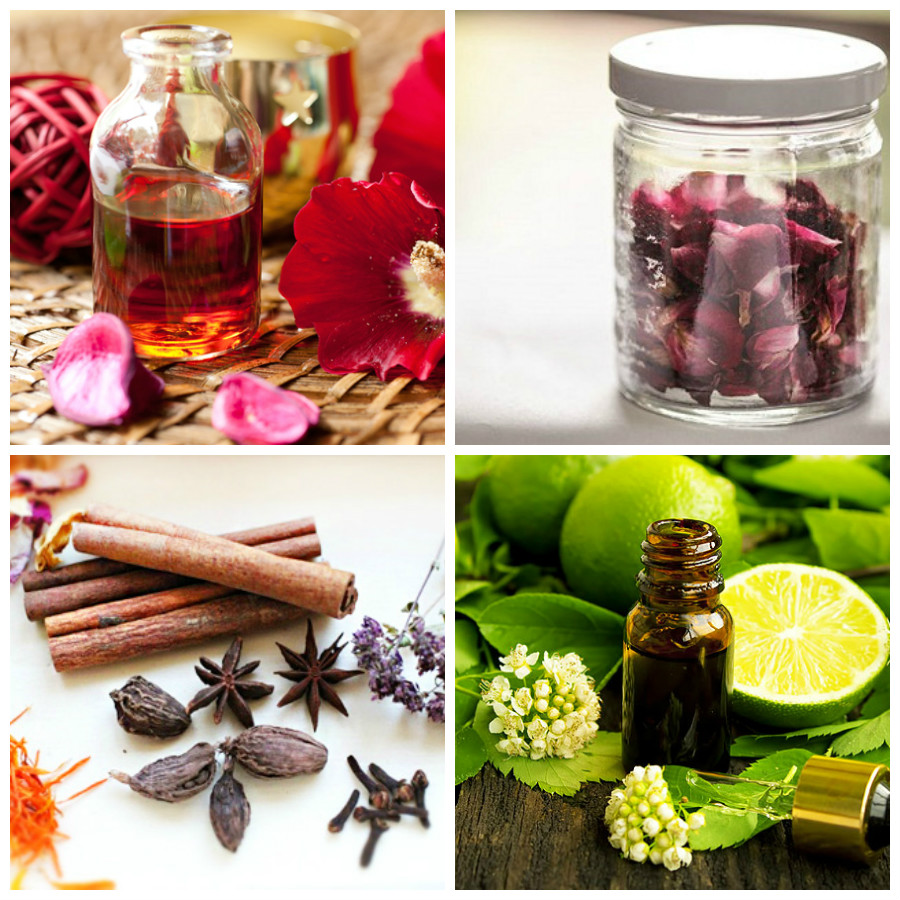
Three blend recipes
| Blend | Ingredients | Essential oils |
|---|---|---|
| Romantic | Rose petals, lavender buds, jasmine | Rose, geranium, ylang-ylang |
| Winter spice | Orange peel, cinnamon, cloves, star anise, pine cones | Orange, cinnamon |
| Fresh summer | Mint, lemon balm, lemon peel, calendula | Lemon, lemongrass, mint |
Scented sachets
Scenting linen with herb pouches is a long-standing French tradition, but our grandmothers also tucked fragrant sprigs into chests of drawers so clothes smelled fresh and moths stayed away.
- Sew or buy small bags in breathable natural fabric: cotton, linen, organza or hessian.
- Fill them two-thirds full with potpourri mix and tie with ribbon.
- Place them in wardrobes, drawers, linen shelves or the car.
Choose the filling to suit your mood:
- for relaxation and sleep — lavender, chamomile, lemon balm, hops;
- for energy — citrus peel, rosemary, mint, lemongrass;
- for cosiness — rose, vanilla, cinnamon;
- against moths — lavender, wormwood, tansy, cedar shavings.
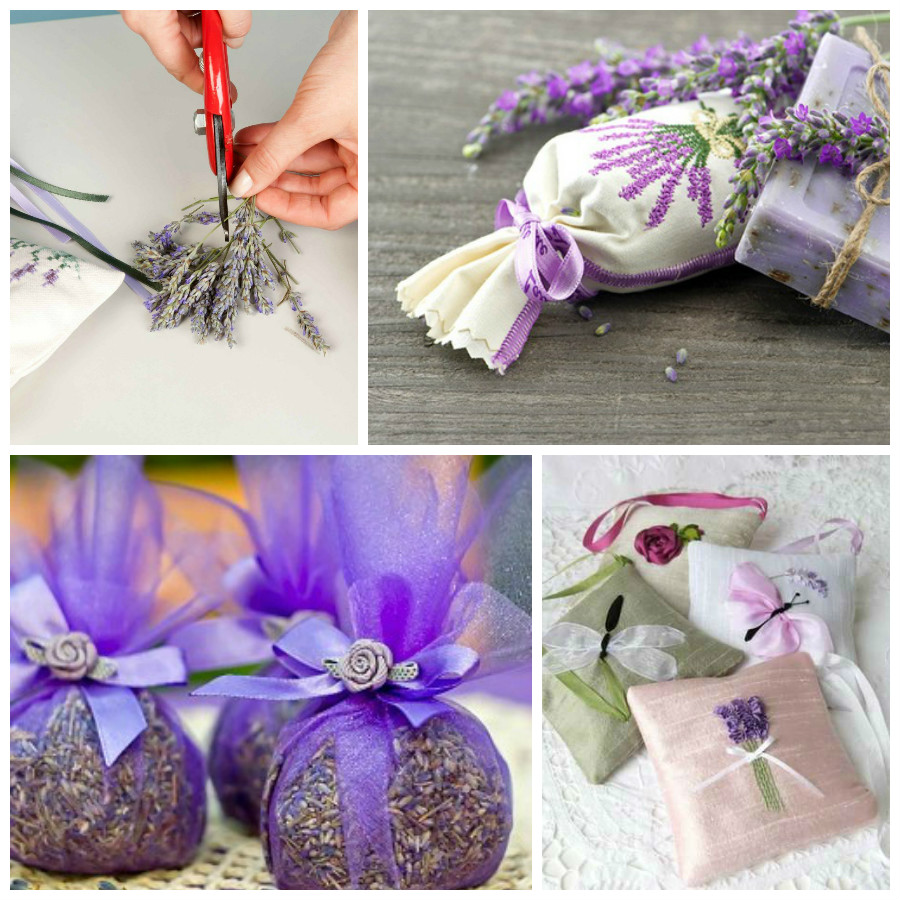
How to make the scent last
- Every 2–4 weeks, shake the mix and add a few drops of essential oil.
- Keep potpourri out of direct sun and away from radiators — the scent fades faster.
- Squeeze a sachet gently to "wake up" the fragrance.
- Replace the mix after 6–12 months.
Safety
- Essential oils are concentrated: never apply them undiluted to the skin and keep them away from children.
- Some oils (tea tree, citrus, peppermint, eucalyptus) are dangerous for cats and dogs — keep potpourri out of pets' reach.
- If you have allergies or asthma, choose gentle scents and use less oil.
Fragrance as a gift
A jar of potpourri or a set of sachets is a warm handmade gift for your mother, a friend or a colleague, and a pouch of pine and citrus suits a man's car. Add a bouquet — for example roses, whose petals can later become potpourri too. For more ideas see rose petal recipes.
FAQ
How long does potpourri scent last?
With a fixative and regular refreshing, several months.
Can I use petals from a bouquet I was given?
Yes, just dry them completely. Don't use florist petals in teas or cosmetics — they're treated with pesticides.
What can replace orris root?
Dried citrus peel, coarse salt or cotton balls soaked in oil.

View full-size photo
Author: Maria Svitlovir
Graduated from Taras Shevchenko National University of Kyiv, Institute of Biology and Medicine (2001). BSc in Biology, MSc in Horticulture. Writes about plants, works at a garden centre selecting and repotting plants, and contributes to plant reference guides.