
 Birthday
 Hydrangeas
“Flower clock” means two things. The first is an idea by Swedish naturalist Carl Linnaeus: a bed of plants that open and close at different times of day, so you can roughly tell the hour. The second is a city clock with a face made of living flowers, as in Geneva or Kyiv. Here is a look at both.
Flowers for garden and home: potted plants.
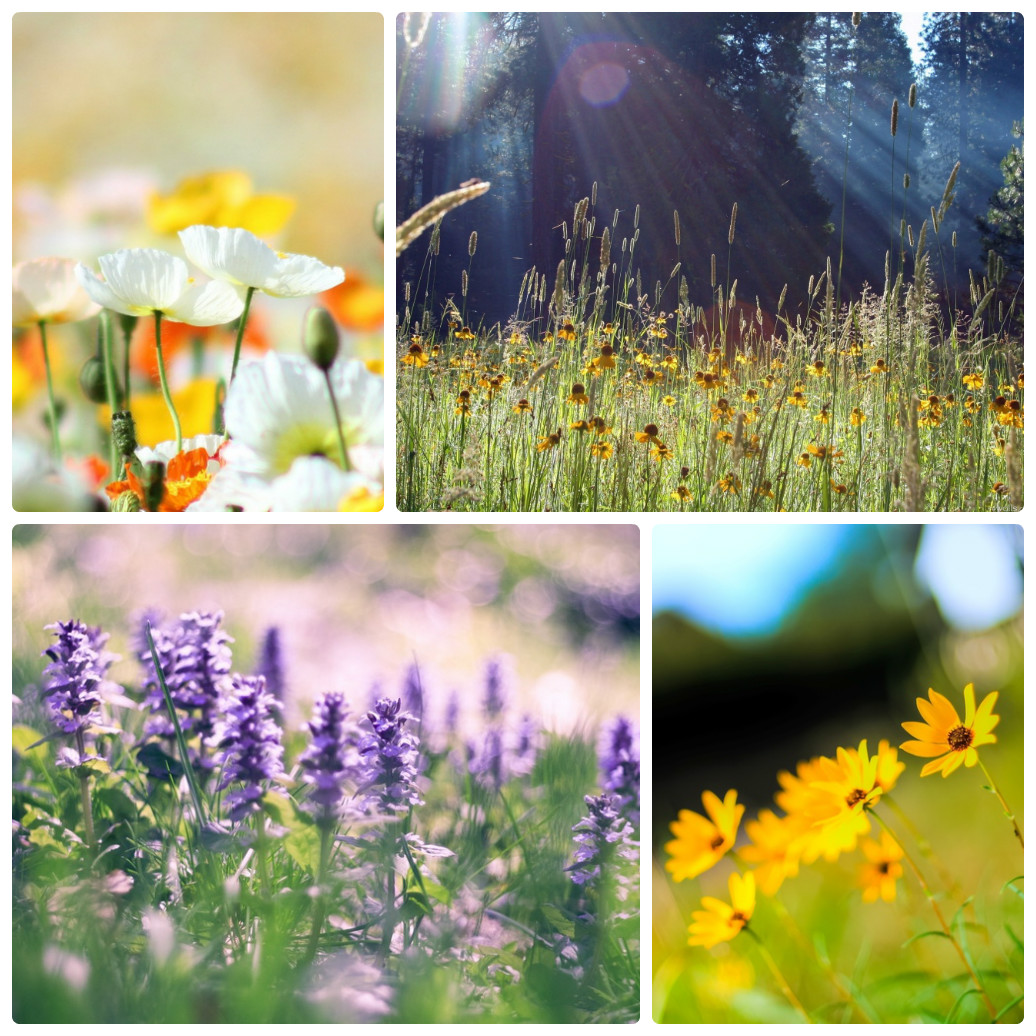
Linnaeus’s clock
In his Philosophia Botanica (1751), Linnaeus described a “horologium florae” — a list of plants around Uppsala that opened and closed their flowers at particular times. Its accuracy is relative, since timing depends on latitude, weather and season, but the idea still inspires gardeners.
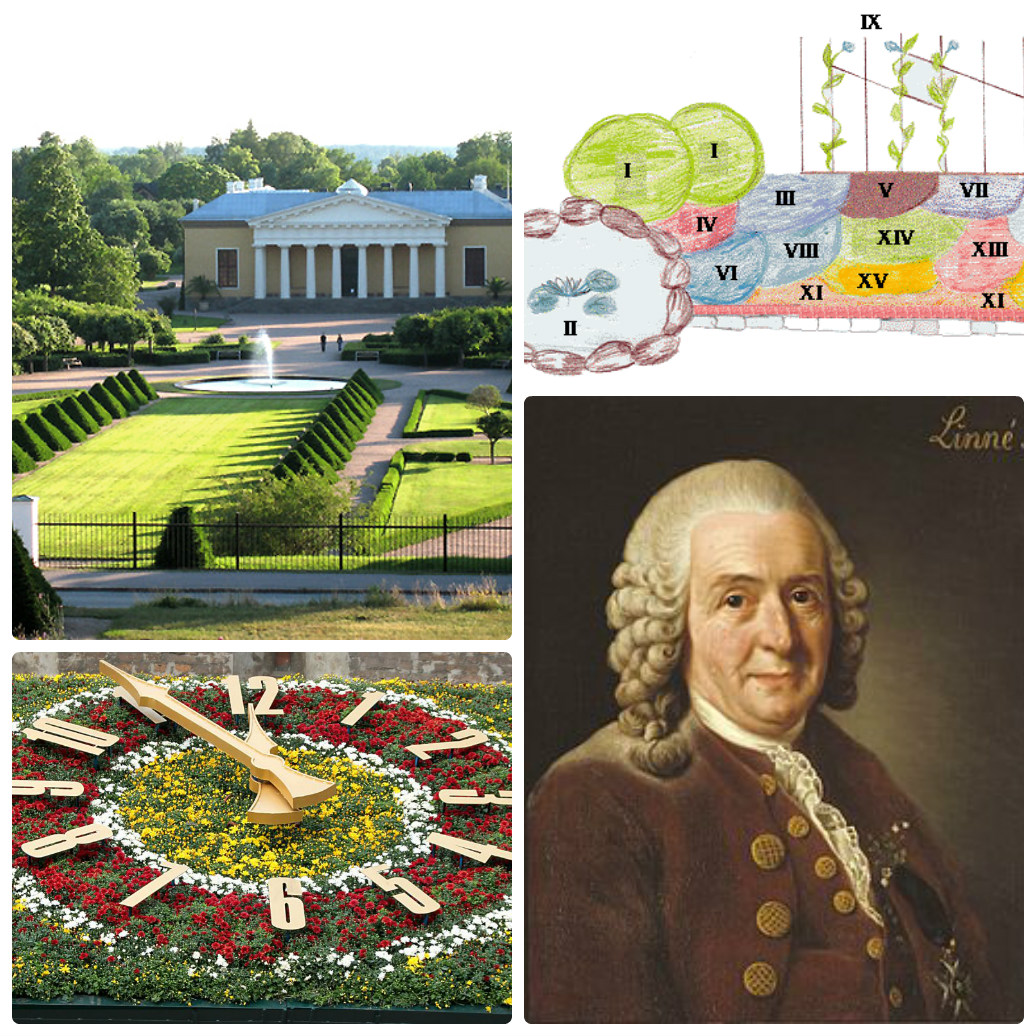
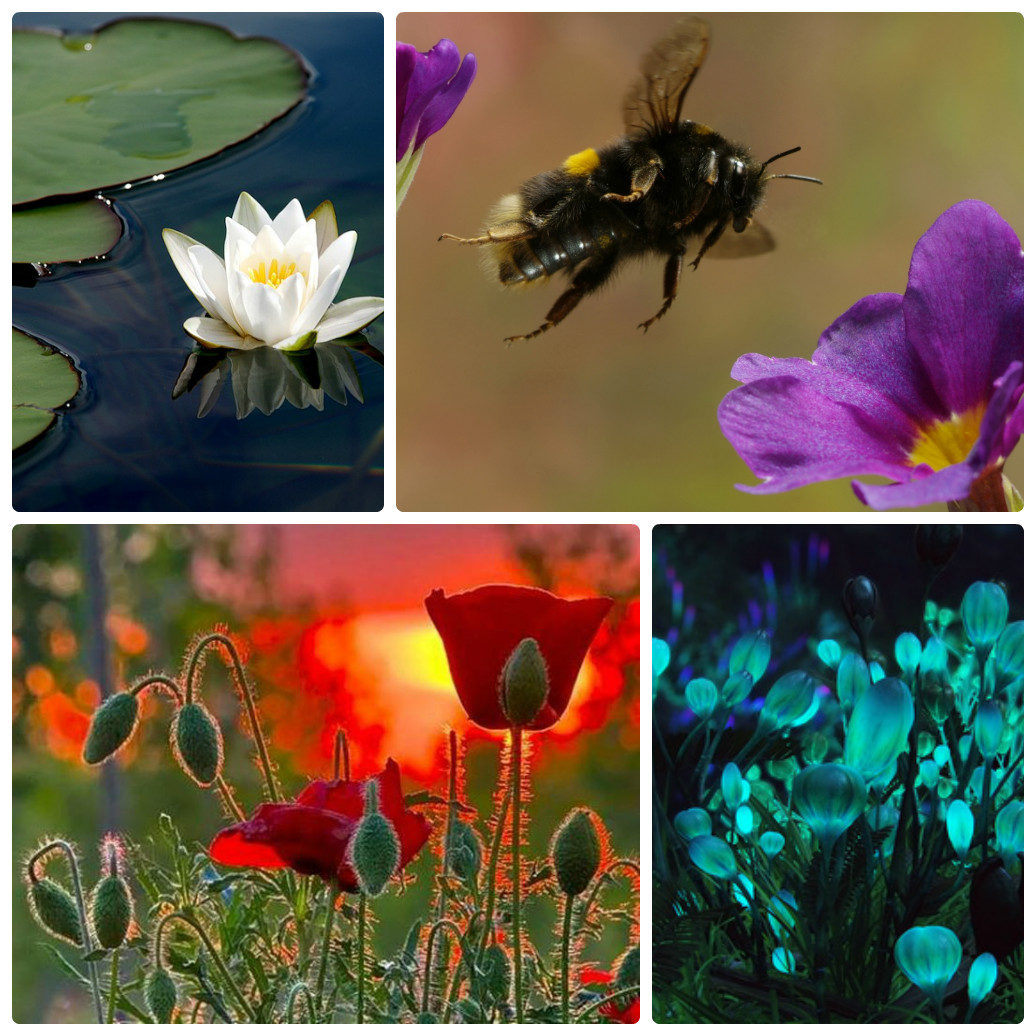
Plants that “tell the time”
- Dawn: goat’s-beard, chicory and dandelion open at daybreak.
- Morning: water lilies and pot marigolds open as the sun rises higher.
- Evening: the four o’clock flower (Mirabilis) and evening primrose open towards sunset.
- Night: flowering tobacco and night-scented stock open and release their scent in the evening and at night.
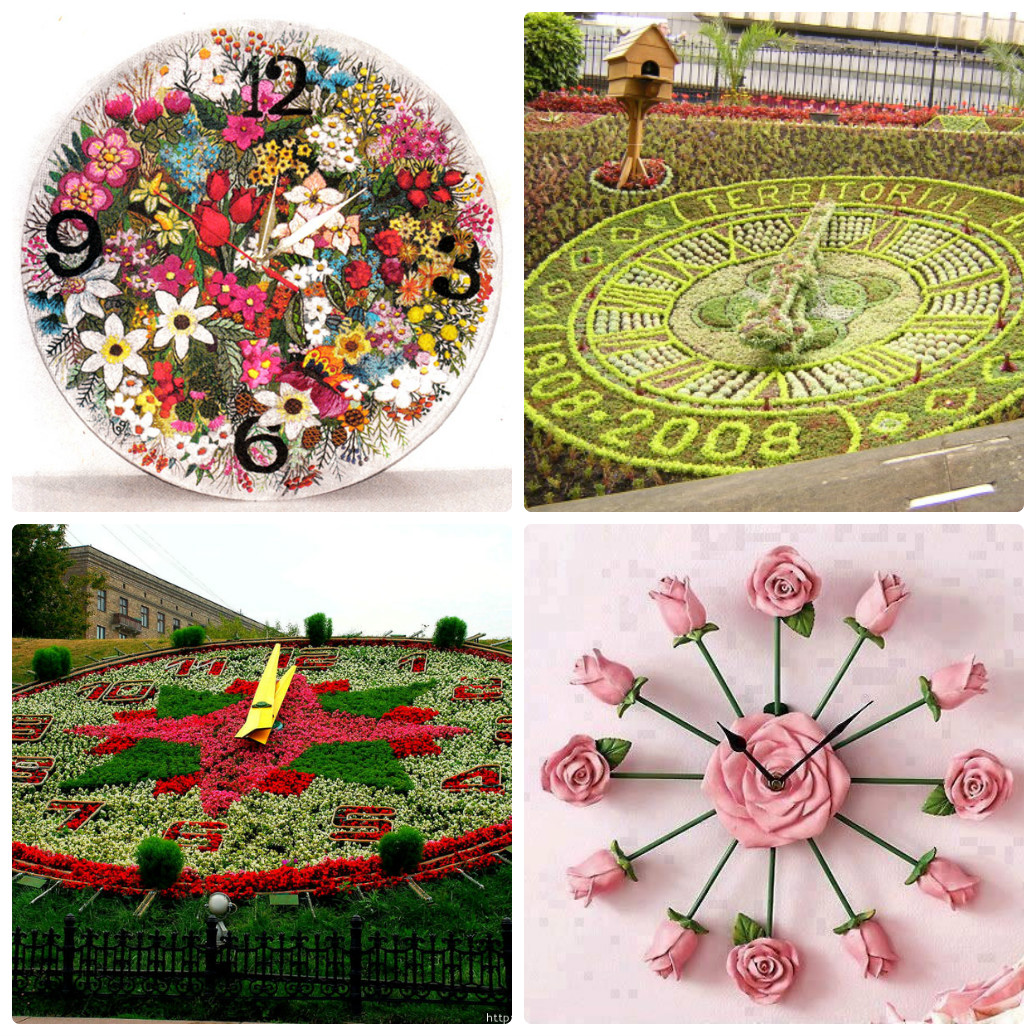
Flower clocks in cities
- Geneva’s famous flower clock by the Jardin Anglais has a face made of thousands of plants.
- In Kyiv, the flower clock is a well-known landmark in the city centre near Independence Square.
- The faces of such clocks are replanted several times a season.
A flower clock in your garden
You can plant a clock-face bed: arrange plants that open at different times in a circle and watch them through the summer — a great project for children. For bed ideas see Continuous-bloom flower bed.
FAQ
How accurate is Linnaeus’s clock?
Only approximate: opening times shift with weather, latitude and season, so it is more a lovely experiment than a timepiece.
Why do flowers open at particular times?
Plants respond to light, temperature and their own internal (circadian) rhythms.

View full-size photo
Author: Maria Svitlovir
Graduated from Taras Shevchenko National University of Kyiv, Institute of Biology and Medicine (2001). BSc in Biology, MSc in Horticulture. Writes about plants, works at a garden centre selecting and repotting plants, and contributes to plant reference guides.


