
 Birthday
 Hydrangeas
An English garden feels natural: flowers seem to grow of their own accord, roses climb the walls of an old house and a path leads to a cosy bench. Even a small courtyard can be styled this way. Here is how the English landscape and cottage gardens differ, which plants to choose and how to create a British courtyard atmosphere at home.
Garden plants: potted plants and spray roses.

Two faces of the English garden
- The landscape park emerged in 18th-century England as a reaction to rigid formal gardens: rolling ground, lakes, groups of trees and sweeping lawns. Its best-known designer was Lancelot “Capability” Brown.
- The cottage garden is small, cosy and densely planted, with flowers, herbs and fruit mixed together by the house.
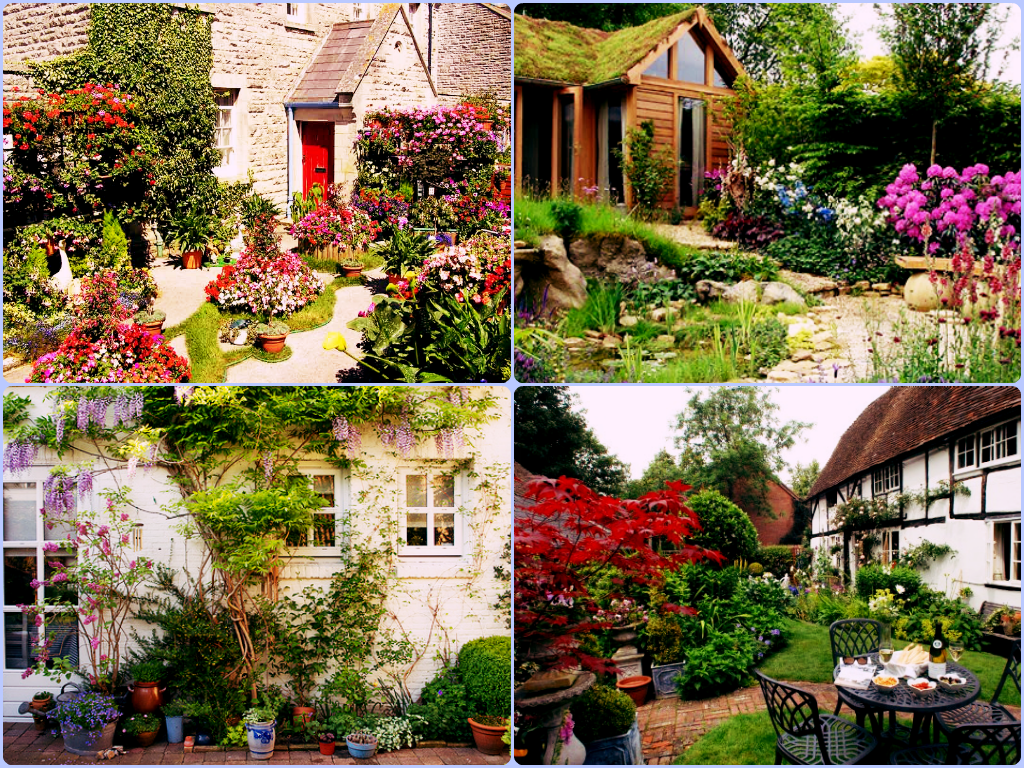
Which plants to choose
- Roses — shrub and climbing roses with scent and old-fashioned flower shapes.
- Clematis — on arches and fences, paired with roses.
- Perennials — delphiniums, peonies, lavender, catmint, hardy geraniums, hollyhocks.
- Foxgloves — striking spires, but every part is poisonous; bear this in mind with children and pets.
For clematis care see Clematis care, and for a bed that blooms all season see Continuous-bloom flower bed.
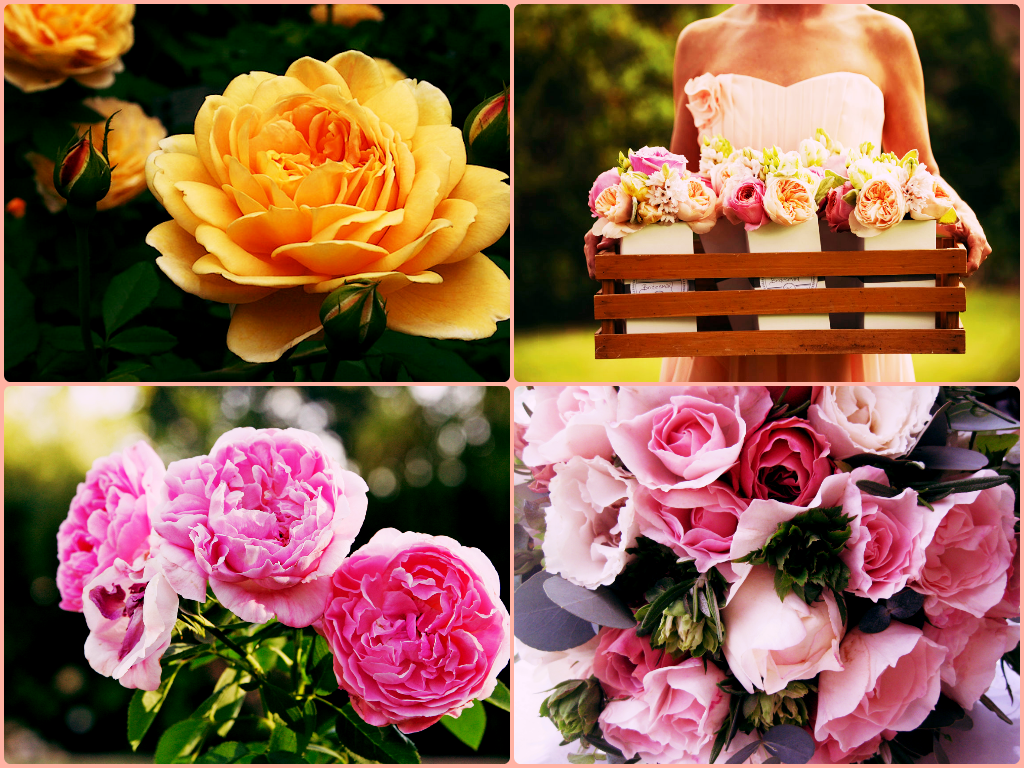
A British courtyard in a small space
- Use the walls: climbers and wall planters.
- A brick or gravel path sets the style instantly.
- Pots of different sizes with herbs and flowers create layers.
- A bench under a rose arch is the heart of the garden.
FAQ
Does an English garden suit Ukraine’s climate?
Yes, with hardy roses and perennials — but summers here are hotter and drier than in England, so you will need to water.
Is it hard to maintain?
A cottage garden needs regular attention: tying in, deadheading and dividing perennials.

View full-size photo
Author: Maria Svitlovir
Graduated from Taras Shevchenko National University of Kyiv, Institute of Biology and Medicine (2001). BSc in Biology, MSc in Horticulture. Writes about plants, works at a garden centre selecting and repotting plants, and contributes to plant reference guides.