Flowers have accompanied people in joy and sorrow for centuries, so many beliefs and superstitions have grown up around them. Some reflect deep traditions; others are simply superstitions it is time to let go of. Here are the best-known beliefs about flowers and how to treat them today.
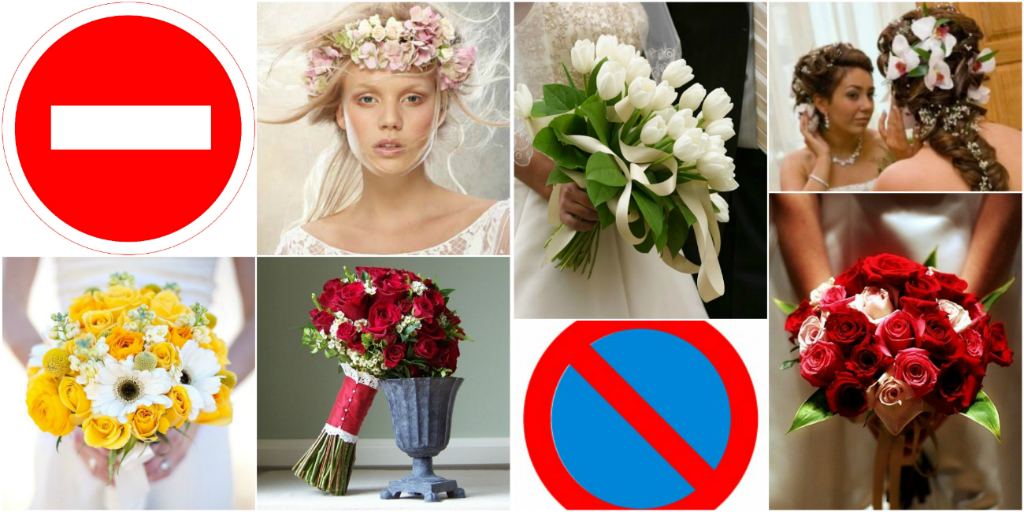
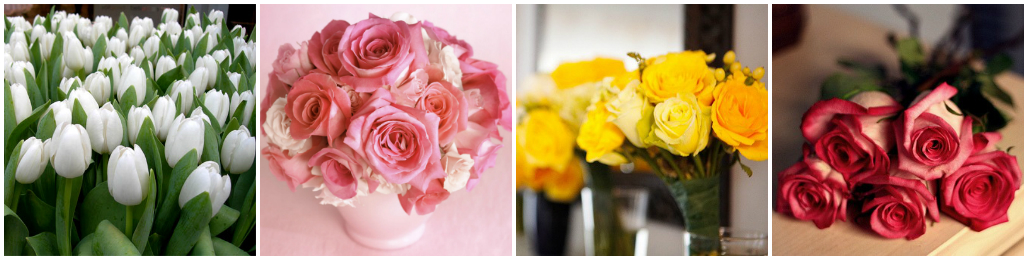
Flowers for any occasion: tulips and spray roses.
In Ukrainian tradition, fresh flowers are given in odd numbers for celebrations, while even numbers are brought to funerals and memorials. This is one “superstition” worth observing out of respect for tradition. In large bouquets nobody counts.
The idea that yellow flowers signal parting or betrayal is a popular but unfounded superstition. In the language of flowers yellow more often stands for joy, sunshine and friendship, and yellow tulips and sunflowers are among the most cheerful gifts. More in Yellow flowers: meaning.
Superstitions are part of culture and a fun talking point, but choose flowers by the recipient’s taste, the occasion and the season. Traditions rooted in respect — such as the number of flowers at a funeral — are worth keeping; the rest is up to you. More on flower symbolism in The language of flowers, and on giving flowers in Flower etiquette.
Absolutely. Yellow is the colour of joy and warmth; the “parting” superstition has no basis.
Yes, they make a lasting gift. Beliefs about “unlucky” houseplants are simply superstitions.

Author: Maria Svitlovir
Graduated from Taras Shevchenko National University of Kyiv, Institute of Biology and Medicine (2001). BSc in Biology, MSc in Horticulture. Writes about plants, works at a garden centre selecting and repotting plants, and contributes to plant reference guides.
© Novotroitskoe 2026 UFL Flower Shop

Trademark UFL №191476 is used under license of the rights holder.
All rights reserved. Any use of materials without a link to the site is prohibited.

 Birthday
 Hydrangeas