
 Birthday
 Hydrangeas
Tea with flowers is beautiful and fragrant: jasmine turns green tea into a treat, chamomile and linden taste of summer, hibiscus gives a ruby colour, and blue butterfly pea tea changes colour with a drop of lemon. Here's which flowers are really used for tea, how to brew flower teas and the safety rules you need to know — especially if you're tempted to brew flowers from a bouquet.

Flower teas are drinks, not medicines. Some plants are unsuitable during pregnancy, for people with allergies or when taking medication. If you plan to drink herbal tea regularly or for health reasons, talk to a doctor.
The golden rule: never brew bouquet flowers
Flowers sold for bouquets are grown as ornamentals, not food: they're treated with plant-protection products and preservatives not intended for consumption. For tea, use only food-grade dried flowers from a shop or blooms from your own untreated garden — and only species you know are edible.
Many beautiful flowers are poisonous: lily of the valley, foxglove, oleander, daffodil, hydrangea, azalea and lilies (especially dangerous to cats). Never add them to tea in any form.
Popular flower teas
Jasmine tea
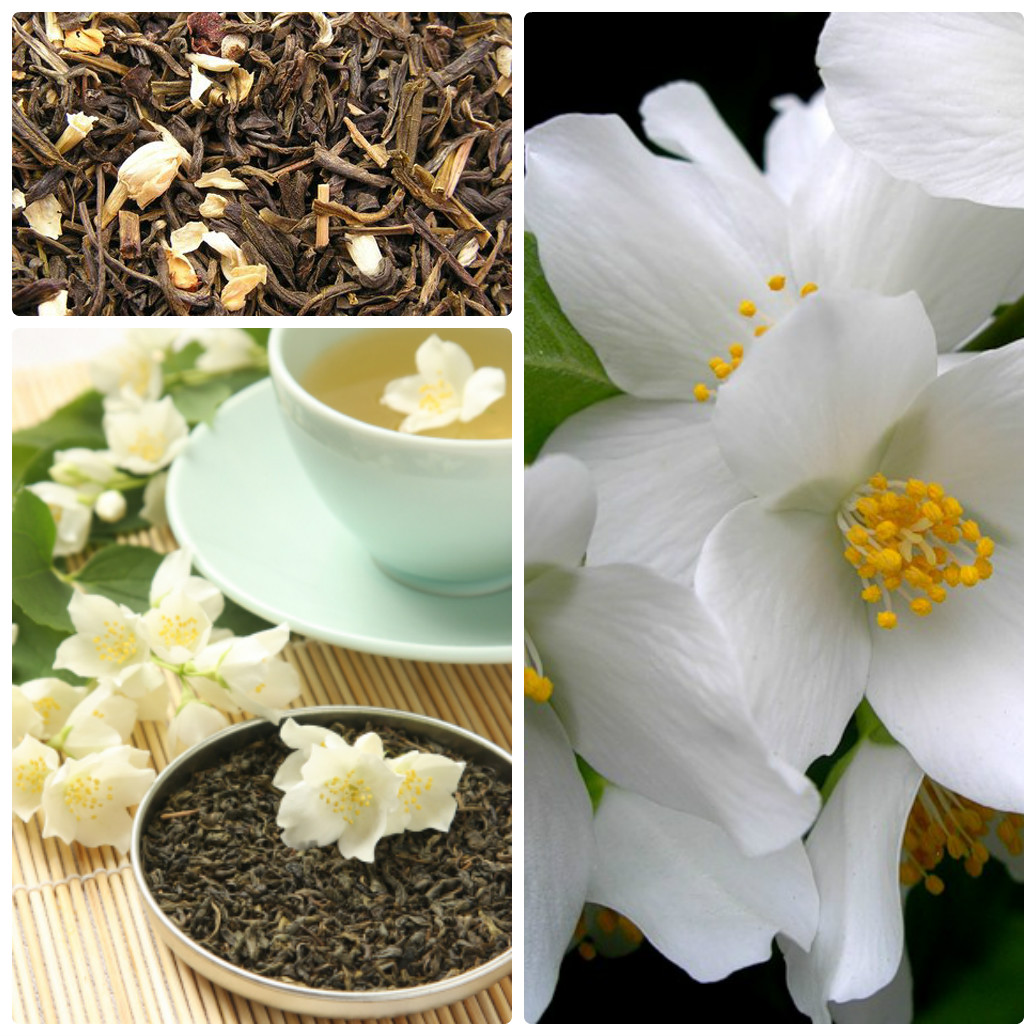
The most famous flower tea comes from Fujian province in China. Classic jasmine tea is green tea layered several times with fresh jasmine blossoms until the leaves absorb the scent; the flowers are usually removed afterwards. Brew it at 75–80 °C for 2–3 minutes — boiling water makes it bitter. Learn about flowers in Chinese culture in Chinese flower traditions.
Chamomile tea

German chamomile flowers make a mild, slightly honeyed infusion — one of the most popular caffeine-free evening drinks. People allergic to plants in the daisy family (such as ragweed) should be cautious. For more, see our chamomile facts.
Linden tea

Linden (lime) blossom is gathered in early summer at peak flowering, away from roads, and dried in the shade. The infusion is golden, sweetish and highly fragrant, traditionally drunk with honey in the colder months.
Rose petal and rosebud tea

Special tea varieties and food-grade dried buds are used — for example, Damask rose. The drink is pale pink and very fragrant and is often blended with black or green tea.
Chrysanthemum tea

In China, tea made from small dried chrysanthemum heads — such as Hangbaiju from Zhejiang province — is very popular. The flowers open right in the teapot, giving a mild, slightly herbal taste. It's often drunk with a little rock sugar or goji berries.
Lavender tea

Culinary lavender is very strong, so add just a pinch to black tea, lemon balm or chamomile — otherwise the drink tastes soapy. More about lavender in lavender gift ideas.
Hibiscus and butterfly pea
Hibiscus tea is made from the fleshy calyces of Hibiscus sabdariffa, giving a tart, ruby-red drink that's delicious hot or iced. Read about the plant and its houseplant relatives in our hibiscus care guide. Butterfly pea or "blue tea" is brewed from Clitoria ternatea flowers: the infusion is bright blue and turns purple with a drop of lemon juice, as the pigments change colour with acidity.
How to brew flower tea
- Proportions. Usually 1–2 teaspoons of dried flowers per 250 ml of water; much less for lavender.
- Temperature. Flowers with green tea 75–80 °C; pure flower infusions 90–100 °C.
- Time. 3–10 minutes, covered, to keep the aroma.
- Teapot. A glass pot lets you watch buds and flower heads unfurl.
- Pairings. Rose with black tea, jasmine with green, chamomile with honey, hibiscus with cinnamon and orange.
How to dry flowers for tea yourself
- Pick only edible plants you know well, away from roads and fields, in dry weather after the dew has gone.
- Spread them thinly in a shady, airy place or use a dehydrator at a low temperature (up to 35–40 °C).
- Store in glass jars with lids, in the dark, for no more than a year.
Flower tea as a gift
A pretty tin of jasmine tea, a set of tea buds or "blooming" hand-tied tea that opens into a flower in the cup makes a lovely addition to a bouquet. And tea and flowers together in a gift basket make a ready-made cosy winter present.
FAQ
Can I brew flowers from a bouquet?
No. Bouquet flowers are treated with products not meant for eating. Use only food-grade dried flowers or blooms from your own untreated garden.
Which flowers can go in tea?
Jasmine, chamomile, linden blossom, tea-rose petals, chrysanthemum, lavender (sparingly), hibiscus, butterfly pea and calendula.
What temperature for jasmine tea?
75–80 °C for 2–3 minutes; hotter water makes green tea bitter.
Why does blue tea change colour?
Butterfly pea pigments change colour with acidity, so lemon juice turns the infusion purple.

View full-size photo
Author: Maria Svitlovir
Graduated from Taras Shevchenko National University of Kyiv, Institute of Biology and Medicine (2001). BSc in Biology, MSc in Horticulture. Writes about plants, works at a garden centre selecting and repotting plants, and contributes to plant reference guides.