
 Birthday
 Hydrangeas
Magnolia, gerbera, fuchsia, begonia — behind many familiar flower names are real people: botanists, physicians, explorers and diplomats. Naming plants after scientists became established in the 18th century, when Carl Linnaeus and his followers systematised the plant world. Here are the stories behind the best-known “named” flowers — a great idea for an unusual gift.
Flowers with a story: spray roses and potted plants.
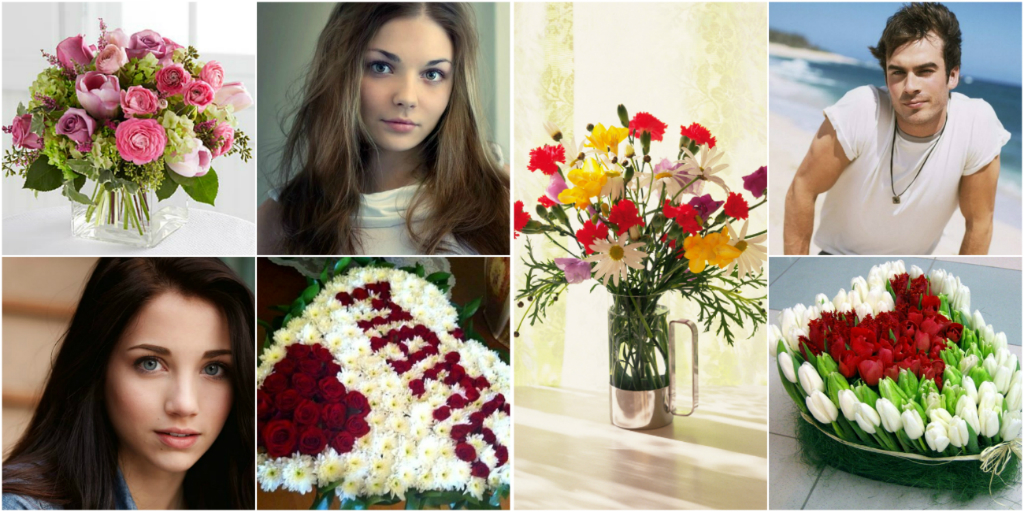
The best-known named flowers
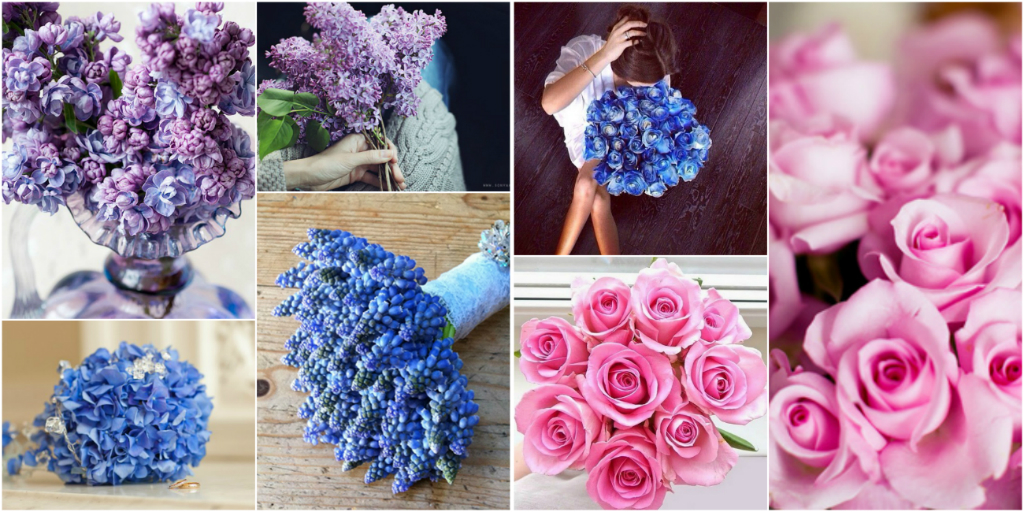
The stories behind the names
- Magnolia — after French botanist Pierre Magnol, director of the botanical garden in Montpellier.
- Dahlia — after Swedish botanist Anders Dahl; its Ukrainian name, zhorzhyna, honours botanist Johann Georgi.
- Fuchsia — after 16th-century German botanist Leonhart Fuchs.
- Gerbera — after German physician and botanist Traugott Gerber.
- Begonia — after Michel Bégon, a French administrator and patron of botany.
- Poinsettia — after Joel Poinsett, the first US minister to Mexico, who brought the plant home.
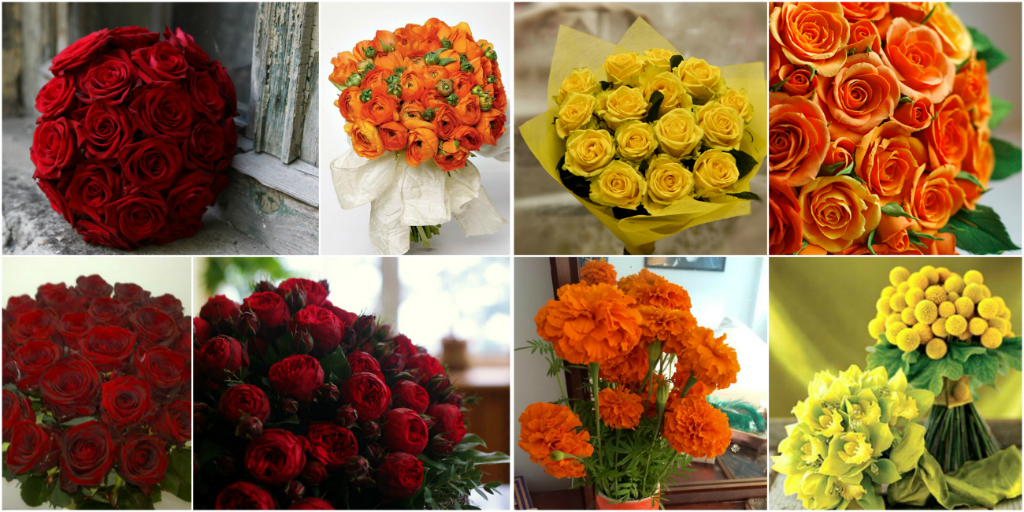
A few more names
- Camellia — after missionary and naturalist Georg Joseph Kamel.
- Gardenia — after physician and naturalist Alexander Garden.
- Freesia — after German physician Friedrich Freese.
- Zinnia — after botanist Johann Gottfried Zinn.
- Bougainvillea — after navigator Louis Antoine de Bougainville.
- Lobelia — after botanist Matthias de l’Obel.
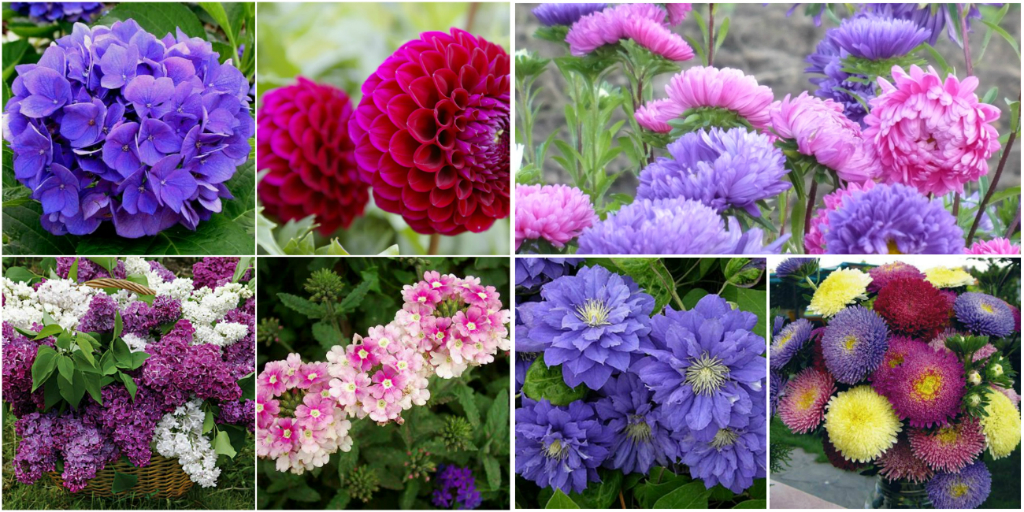
A gift idea
A bouquet of “named” flowers with a card telling the story of the name makes an unusual gift for a botany lover, a biology teacher or anyone curious. Gerberas with the story of Traugott Gerber, for example — see Gerbera bouquet.
FAQ
Why were plants named after people?
It was how 17th- and 18th-century botanists honoured colleagues, patrons of science and explorers who discovered new plants.
Are any flowers named after women?
Yes — the genus Lapageria honours Empress Joséphine (née de La Pagerie), and many rose cultivars bear the names of famous women.

View full-size photo
Author: Maria Svitlovir
Graduated from Taras Shevchenko National University of Kyiv, Institute of Biology and Medicine (2001). BSc in Biology, MSc in Horticulture. Writes about plants, works at a garden centre selecting and repotting plants, and contributes to plant reference guides.


