
 Birthday
 Hydrangeas
When someone close dies, it is hard to think about details. This short guide will help you choose funeral flowers calmly and quickly: how many to bring, which colours and flowers are appropriate, the difference between a bouquet and a wreath, and what is better left at home. It is based on Ukrainian customs, with notes on other traditions.
How many flowers to bring
In Ukraine and neighbouring countries there is a strong tradition: at funerals and graves people bring an even number of flowers — 2, 4, 6, 8 and so on — while odd numbers are given to the living. It is a folk custom rather than a religious rule, but most people know and follow it, so it is best respected.
- Flowers in wreaths, baskets and large arrangements are not counted.
- In a large bouquet (more than 10–15 stems) the number usually does not matter either.
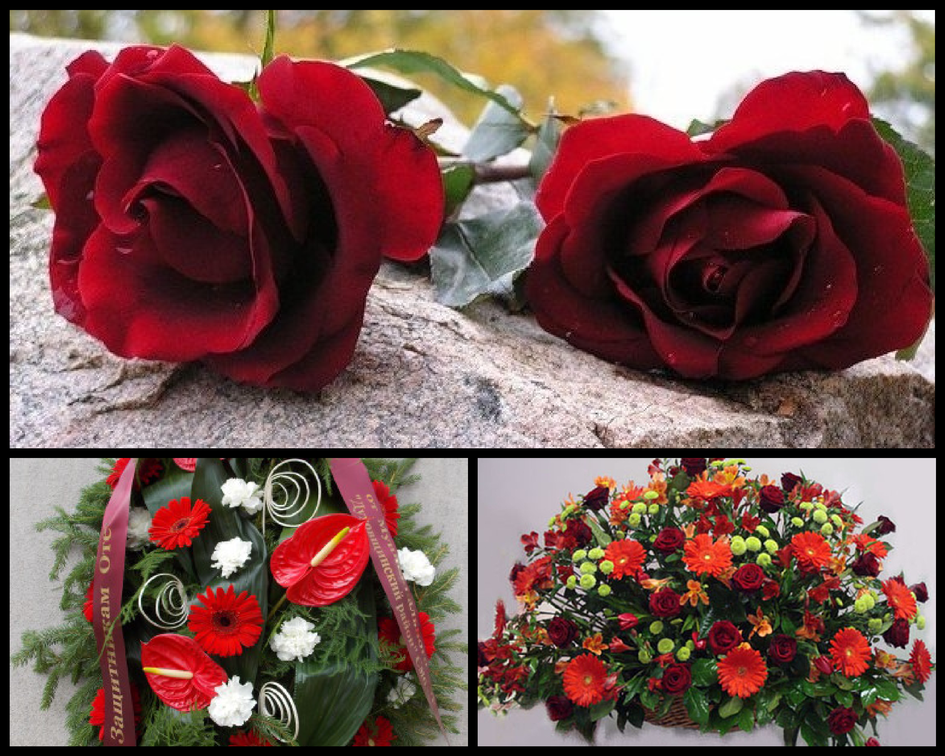
Appropriate colours
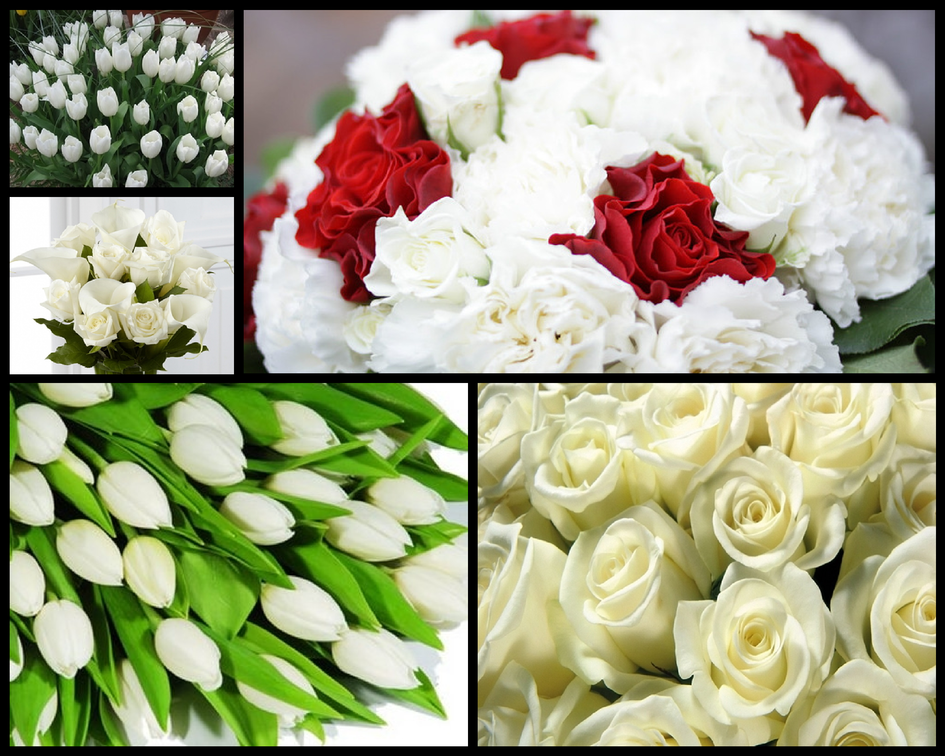
- White — light and remembrance; always appropriate, especially when saying goodbye to a young person.
- Deep red and burgundy — love and respect; the traditional choice of close family.
- Purple and lilac — grief and remembrance.
- Yellow and orange are usually avoided, unless they were the favourite colours of the person who died — then the family will understand the choice. See also what white flowers mean.
Which flowers are chosen
- Carnations — a classic of funeral floristry; long-lasting and affordable.
- Chrysanthemums — keep their look for a long time, which matters at the cemetery.
- Roses — deep red or white, without bright wrapping.
- Callas and lilies — formal and dignified; in European tradition callas are associated with remembrance.
- Gladioli — long stems are easy to lay on a coffin or by a memorial.
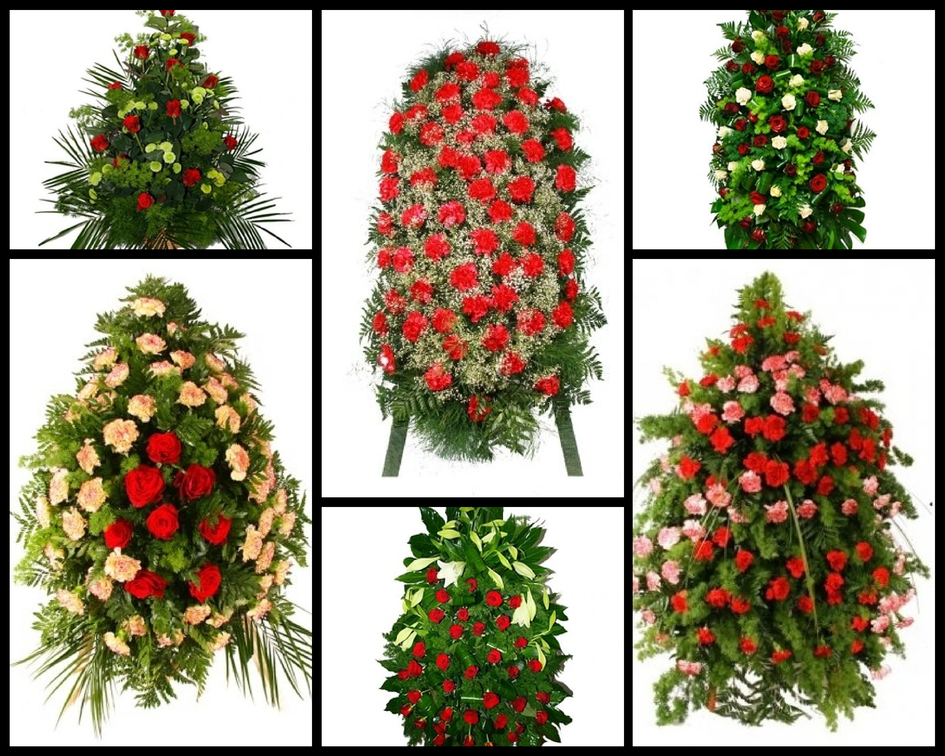
Bouquet, basket or wreath
- A bouquet is brought by everyone who comes to say goodbye and is laid by the coffin or on the grave.
- A basket or foam arrangement comes from family, friends or colleagues. It lasts longer and needs no vase.
- A wreath with a ribbon is usually ordered by relatives or organisations. The ribbon carries a short message such as "To our beloved mother from her children", "From your colleagues" or "In loving memory".
Etiquette to keep in mind
- Understated wrapping. No glitter, bright ribbons or festive film — simply tied stems or dark paper are best.
- Fresh flowers are preferred. Artificial flowers are traditionally left at Ukrainian cemeteries, but more people and cemeteries now avoid them because of plastic waste.
- Leave no litter. Remove film and price tags in advance.
- Respect the family's tradition. Flowers are not customary at Jewish funerals (small stones are placed on the grave), and they are often avoided in Muslim tradition too. If unsure, quietly ask someone close to the family.
- If you cannot attend. Flowers can be delivered to the funeral home or to the family's home with a short note of condolence.
Flowers on days of remembrance
On the ninth and fortieth day, on the anniversary and during Provody (the spring days of remembrance), people usually bring a small bouquet with an even number of flowers, or potted plants. In spring perennials are often planted on graves — they look lovely and do not need constant replacing.
FAQ
Which flowers should not be brought to a funeral?
There is no strict ban. People usually avoid bright festive bouquets, colourful mixes and an odd number of flowers in a small bouquet.
Can I bring a potted plant?
Yes, especially to a grave on days of remembrance. Cut flowers are more common at the funeral itself.
What should the wreath ribbon say?
Keep it short and personal: "To our dear father from his son", "Remembered and loved", "From your friends".

View full-size photo
Author: Maria Svitlovir
Graduated from Taras Shevchenko National University of Kyiv, Institute of Biology and Medicine (2001). BSc in Biology, MSc in Horticulture. Writes about plants, works at a garden centre selecting and repotting plants, and contributes to plant reference guides.