
 Birthday
 Hydrangeas
The gerbera is a bright South African daisy best known as a cut flower, but you can also grow it at home in a pot or outdoors in summer. The key is to remember that it loves warmth and has a sensitive crown. Below is a step-by-step guide: conditions, watering, feeding, overwintering, propagation and common mistakes.
About the plant
- Species. Garden and pot gerberas are mostly hybrids of Gerbera jamesonii, a member of the daisy family (Asteraceae).
- Origin. South Africa; the genus is named after the German botanist and physician Traugott Gerber.
- Flowering. Flower heads are 5–12 cm across; in good conditions a gerbera blooms from spring to autumn.
- Safety. Gerbera is not on lists of plants toxic to cats and dogs.
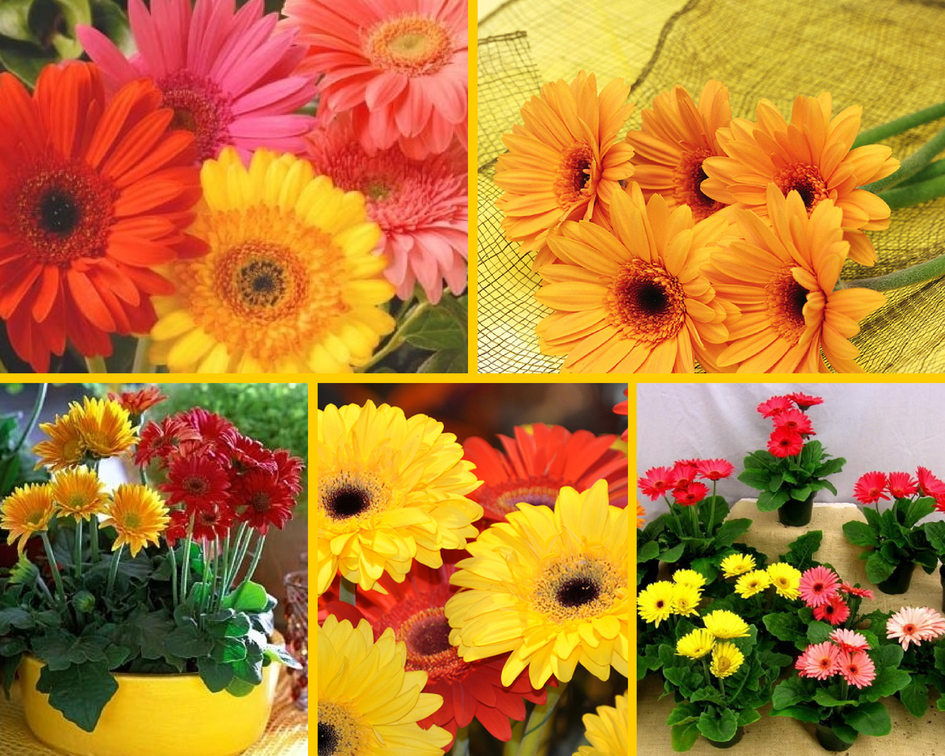
Growing gerbera in a pot
Light and position
Gerberas need plenty of light: an east- or west-facing window, or a south-facing one with midday shade. Without enough light the stems stretch and no buds form.
Watering
Water when the top 2–3 cm of soil is dry, around the edge of the pot or into the saucer. Keep water out of the centre of the rosette — this is the main cause of crown rot. Empty the saucer after 15–20 minutes.
Soil and repotting
Use a loose, slightly acidic, free-draining mix. Repot in spring without burying the rosette: the crown should sit slightly above the soil line.
Feeding
From spring to the end of flowering, use a balanced fertiliser for flowering plants every two weeks. Too much nitrogen gives lush leaves and few flowers.
Overwintering
In autumn flowering slows down. Keep the plant somewhere bright and cool (about 12–15 °C), water less and stop feeding until spring. Without this rest a gerbera wears itself out faster.
Growing gerbera in the garden
In Ukraine's climate gerberas do not survive winter outdoors, so they are grown as annuals or lifted for the winter.
- Plant out after the last frost, usually in the second half of May.
- Choose a sunny, sheltered spot with light, well-drained soil.
- Do not bury the rosette or pile mulch against it.
- Remove spent flower heads at the base to encourage new buds.
- In September, before the first frost, lift the plant with its root ball, pot it up and bring it indoors.
The Garvinea series was bred for gardens and copes better with changing weather, but in Ukraine it also needs to overwinter indoors. For other long-flowering plants, see flowers that bloom all summer.
Propagation
- Division — in spring when repotting; each piece needs roots and 2–3 growing points.
- Seed — sow fresh seed on the surface of moist compost and cover very lightly. At 20–24 °C seedlings appear in about 1–2 weeks. Hybrid varieties may not come true from seed.
Common problems and causes
- Rotting rosette — overwatering, water in the crown, planting too deep.
- No flowers — too little light, too much nitrogen, no winter rest.
- White coating on leaves — powdery mildew: improve air flow, do not mist the leaves, remove affected parts.
- Yellow, curled leaves — check the undersides for spider mites, aphids and whitefly.
FAQ
How long does a potted gerbera live?
With good care and a winter rest, 2–3 years; after that it is best divided or replaced.
Can I root a gerbera from a bouquet?
Practically no: a cut flower head has no growing point. You need a plant with a rosette.
How long does a cut gerbera last in a vase?
About 7–10 days; see our vase life ranking for other flowers.

View full-size photo
Author: Maria Svitlovir
Graduated from Taras Shevchenko National University of Kyiv, Institute of Biology and Medicine (2001). BSc in Biology, MSc in Horticulture. Writes about plants, works at a garden centre selecting and repotting plants, and contributes to plant reference guides.


