
 Birthday
 Hydrangeas
Some bouquets stay lovely for two or three weeks, others fade in four days — and care is not the only reason. Vase life is largely built into the flower itself: petal density, stem thickness and sensitivity to ethylene. Below is a ranking of flowers by vase life, tips for building a long-lasting bouquet and a list of the best choices when the gift has to last.
Vase life ranking
The figures are a guide for fresh flowers with normal care: a clean vase, recut stems and fresh water. In heat or without water any bouquet will last about half as long.
Long-livers: 2–4 weeks
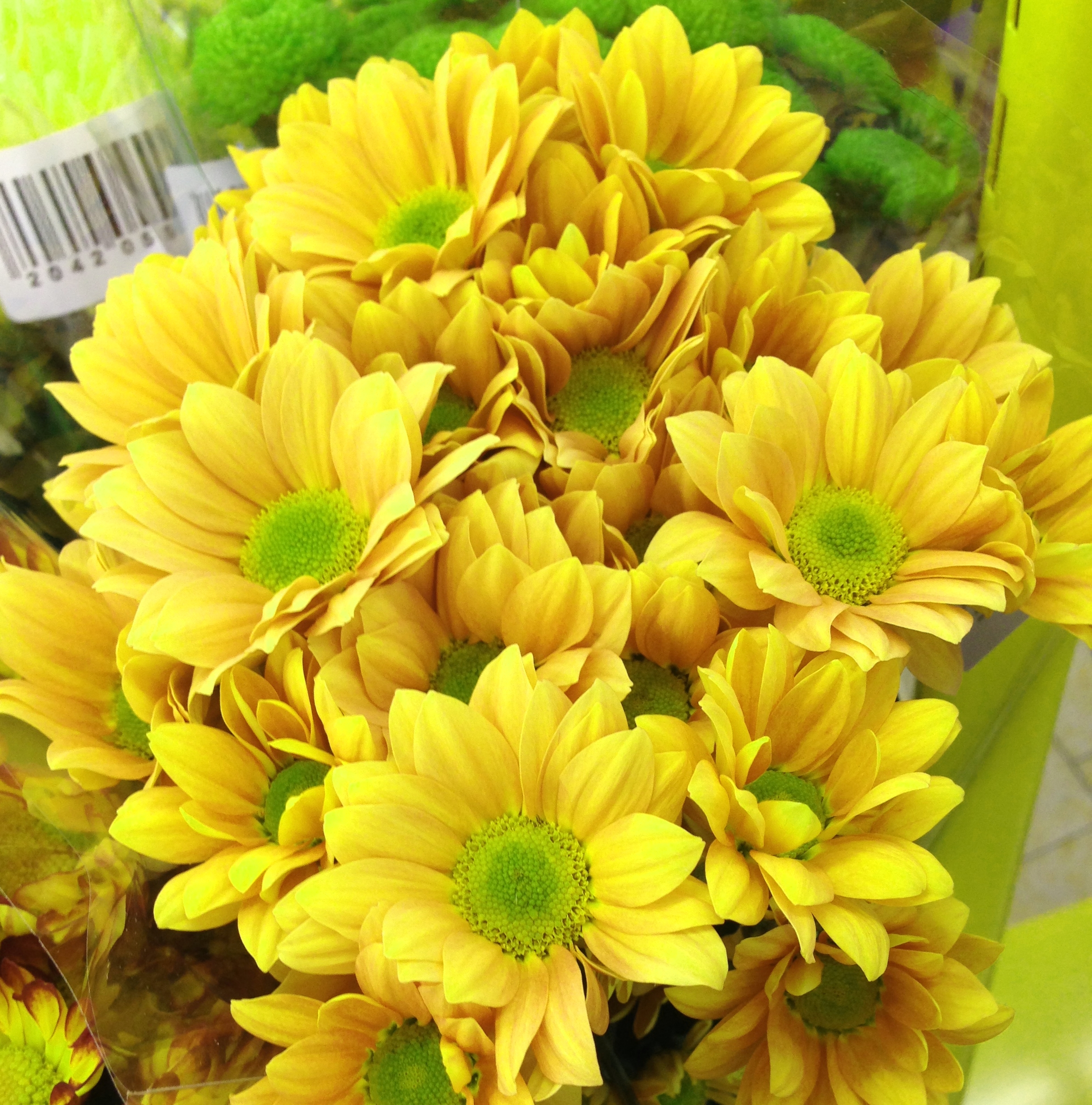
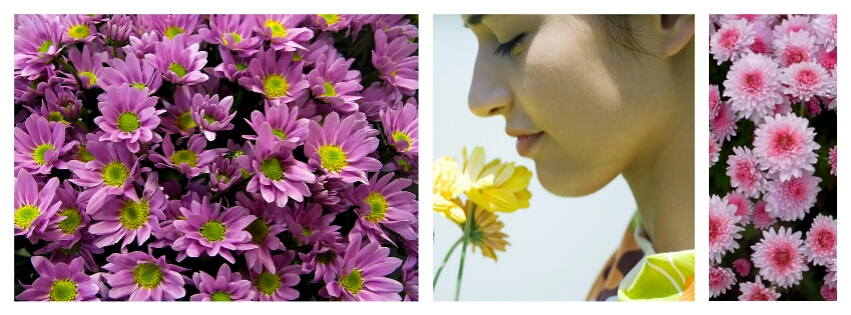
- Chrysanthemum — especially spray types. Dense flower heads and sturdy stems; often 2–3 weeks.
- Alstroemeria — several buds per stem open in turn; two weeks or more.
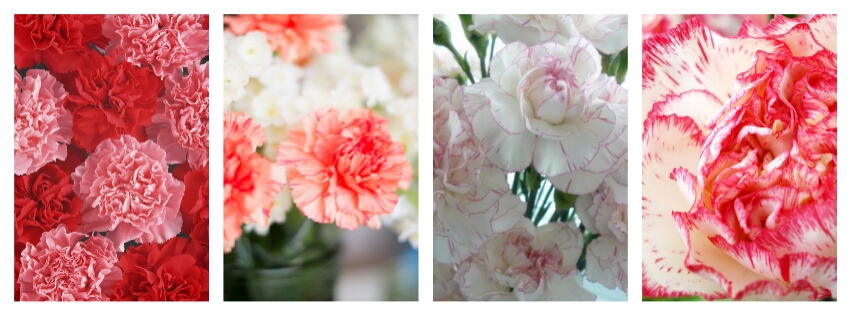
- Carnation — an underrated champion, 2–3 weeks with fresh water.
- Cut orchids (cymbidium, dendrobium) — 2–3 weeks, cymbidium often longer.
- Anthurium — the waxy spathes last 2–4 weeks.
- Protea and leucadendron — long-lasting, then dry beautifully.
Good vase life: 10–14 days
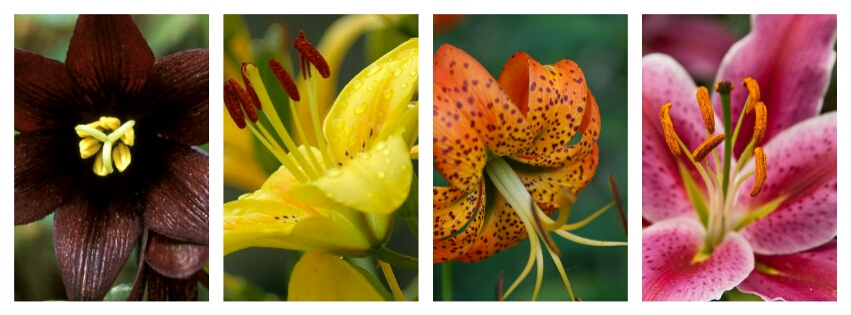
- Lily — buds open gradually. Remove the anthers: the pollen stains petals and clothes, and lilies are dangerous for cats.
- Lisianthus (eustoma) — looks delicate but lasts up to two weeks.
- Eryngium, hypericum, statice — textural flowers and berries that extend the life of the whole arrangement.
Short-lived: 4–10 days
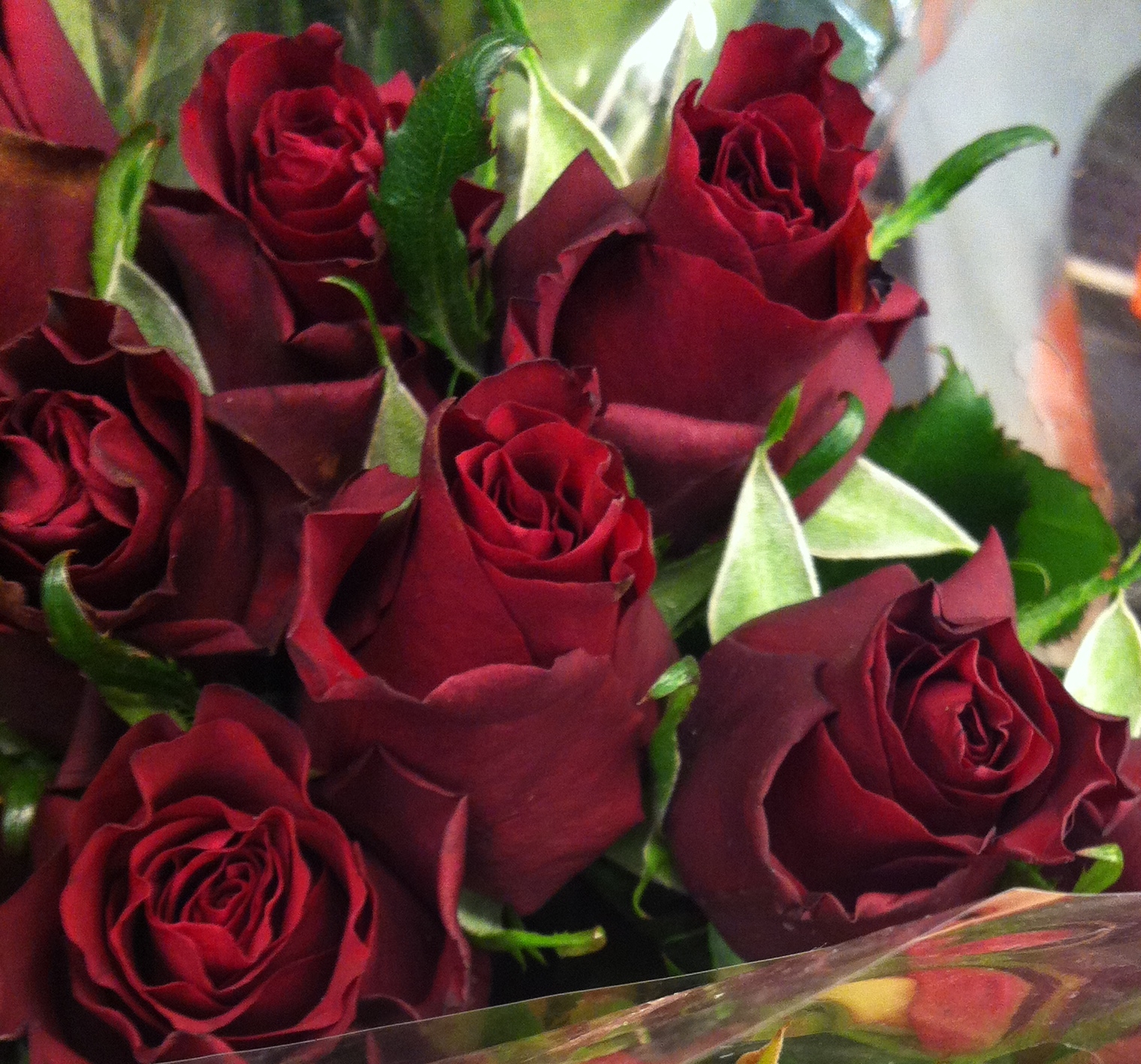
- Rose — 5–10 days depending on variety and freshness. Spray roses hold up longer because some buds open later — see our guide to spray rose bouquets.
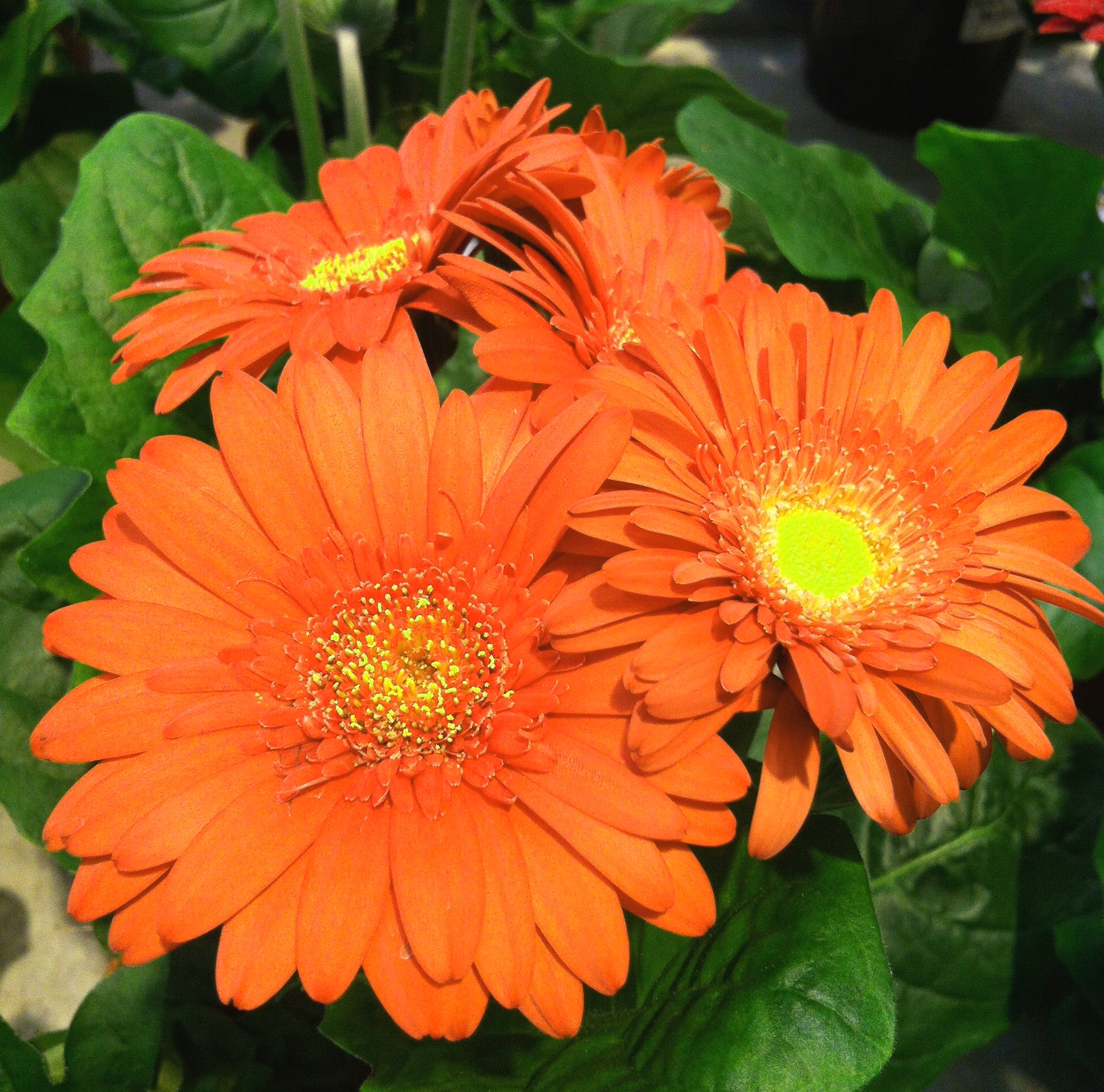
- Gerbera — 7–10 days; the stem is soft, so use only 5–7 cm of water.
- Tulip — 5–7 days and keeps growing in the vase; see our tulip care guide.
- Peony, hydrangea, sweet pea — spectacular but brief: 4–7 days.
How to build a bouquet that lasts
- Use long-livers — chrysanthemums, alstroemeria, carnations — as the base and add delicate flowers as accents.
- Add durable greenery: eucalyptus, ruscus, aspidistra. It outlasts most flowers.
- Choose flowers in bud or half-open — fully open blooms have less life left.
- Do not put freshly cut daffodils in a mixed vase: their sap shortens the life of other flowers. Condition them separately for a few hours first.
- Keep the bouquet away from fruit: ripening fruit releases ethylene, and carnations, alstroemeria and orchids are especially sensitive to it.
Basic care that every ranking depends on
- Recut stems at an angle, 2–3 cm, with a sharp knife every 2–3 days.
- Remove leaves below the waterline.
- Change the water every 1–2 days and wash the vase.
- Use cut-flower food.
- At night you can move the bouquet somewhere cool.
FAQ
What should I give someone who is travelling or busy?
Chrysanthemums, alstroemeria and carnations cope best with a missed water change. An arrangement in floral foam is even easier: it only needs topping up with water.
Do aspirin, sugar or a coin in the water help?
There is no reliable evidence for aspirin or coins. Commercial flower food works better: it contains both nutrients and ingredients that keep bacteria in check.
Which flowers can be dried afterwards?
Statice, gypsophila, protea, eryngium and hydrangea dry beautifully and can stay in your home for months.

View full-size photo
Author: Maria Svitlovir
Graduated from Taras Shevchenko National University of Kyiv, Institute of Biology and Medicine (2001). BSc in Biology, MSc in Horticulture. Writes about plants, works at a garden centre selecting and repotting plants, and contributes to plant reference guides.